



A handheld bidet sprayer may feel comfortable in the hand and produce an even spray. That still does not answer whether it is suitable for the intended installation.
What happens to the hose and fittings after the trigger is released? Could the spray head come into contact with contaminated water? What function does the supply control valve perform?
These questions should be part of the inquiry when selecting a bidet sprayer manufacturer, not added after the product page has already been published.
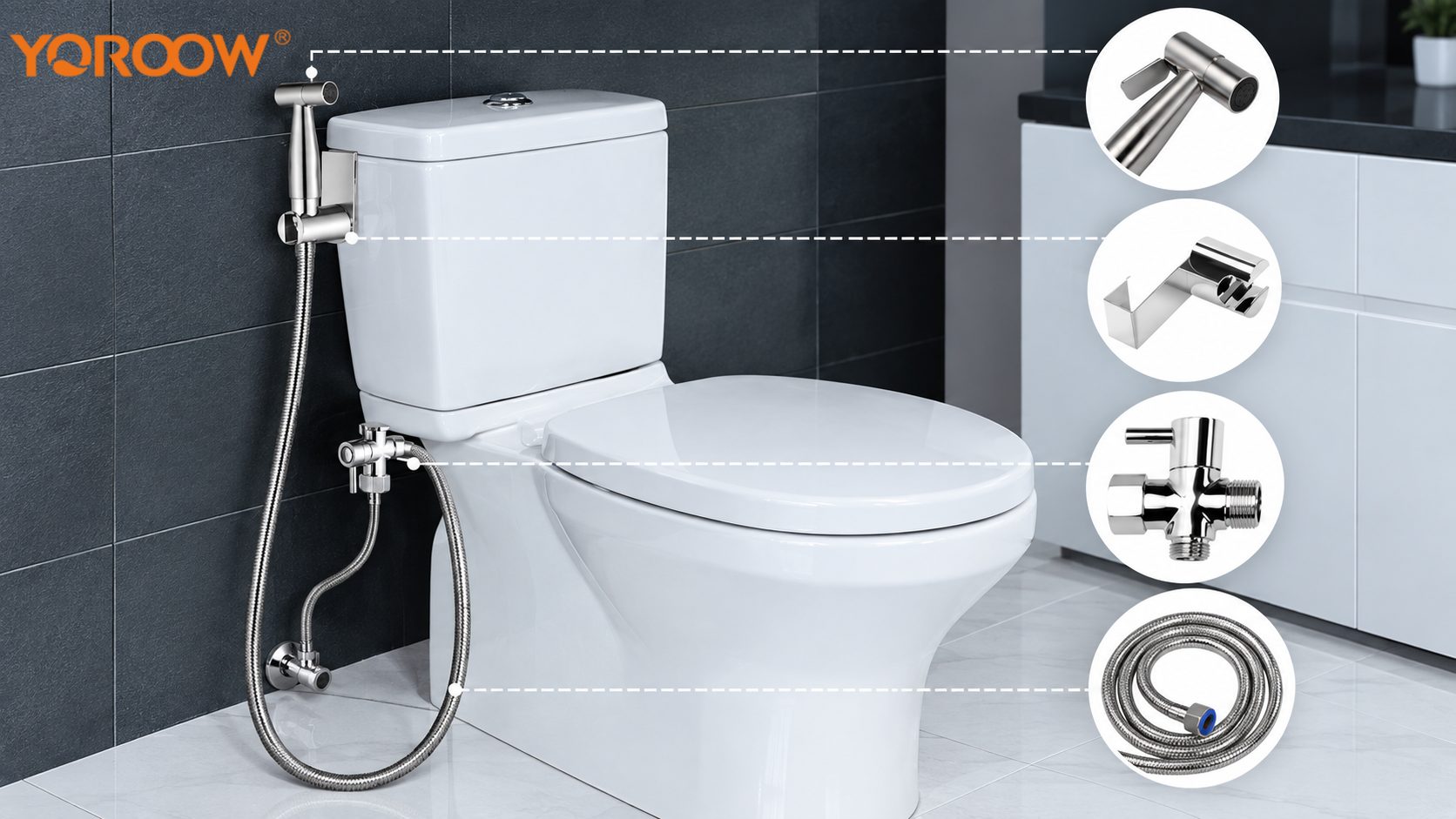
The purchasing scope should be defined as a complete connection arrangement: the spray head, hose, water-supply control, holder, and any backflow protection or other components required for the intended installation.
Certification and installation requirements vary between markets. Two kits that look identical should not automatically be assumed to use the same installation arrangement everywhere.
Define the Three Operating States of the Sprayer
The first state is active spraying. The user holds the sprayer, presses the trigger, and directs the water.
The second state occurs when the trigger has been released but the water supply remains open. Water may no longer leave the spray head, but relevant components may still be exposed to supply pressure.
The third state is the condition after use when the user has followed the shutdown procedure specified for that particular product.
These three states can place different requirements on the components and on the information provided to users.
Buyers should ask the supplier to explain the water path, pressure boundary, and operating requirements for each state. The explanation should correspond to the actual model.
The fact that water stops flowing when the trigger is released does not, by itself, prove that the trigger can serve as a long-term isolation device under every condition. Nor should buyers assume that every hose supplied with a bidet sprayer has identical operating limits.
If the product instructions require the water-supply control valve to be closed after use, that requirement should remain consistent across the product page, installation instructions, and user information.
The correct procedure depends on the product design and applicable requirements. There is no single operating sequence that should be applied to every handheld bidet sprayer.
Holder position also affects hose routing and how the sprayer rests when not in use. Sample evaluation should check whether normal removal and replacement pulls on the fittings, creates unsuitable hose bends, or makes required maintenance difficult.
A holder is therefore more than a decorative accessory. However, its position should not be treated as a substitute for any required backflow protection.
Check Backflow Protection Before Finalizing the Kit
Backflow protection should be considered early because it can affect the installation arrangement itself.
Australian Building Codes Board guidance for bidet products explains that where a handheld spray may come into contact with contaminated water, an inadequately protected connection can create a backflow or back-siphonage risk.[1]
For purchasing teams, the practical point is clear:
A sprayer that can be connected and produce water is not automatically a complete or acceptable installation solution.
Likewise, a standard check valve should not automatically be assumed to provide whatever level of backflow protection a particular installation requires.
Local rules matter.
For example, technical guidance published in New South Wales, Australia, addresses handheld bidet hoses and trigger sprays as a specific high-hazard backflow situation and discusses protection arrangements that include devices such as reduced pressure zone devices (RPZDs).[2]
This is a New South Wales example, not a universal requirement for every handheld bidet sprayer sold worldwide. Actual projects need to confirm the current requirements, adopted standards, hazard classification, and installation rules for their specific location.
The appropriate protection can depend on the potential backflow mechanism, hazard classification, installation conditions, and local plumbing rules. These decisions should be made by appropriately qualified professionals where required.
The buyer’s role is to provide accurate product and application information and establish who is responsible for confirming the installation arrangement. A compliance claim should not be created by copying an online diagram and combining components without technical verification.
Product certification and installation compliance also need to remain separate.
A component may hold a valid certification without proving that every complete installation using that component satisfies all applicable requirements.
For Australian projects, the WaterMark Schedule of Products identifies product categories and applicable certification specifications.[3] Buyers should first identify the relevant product category and then verify the actual model and supporting evidence.
Documentation for another type of bidet product should not automatically be transferred to a handheld sprayer.
Define the Complete Bidet Sprayer Kit
| Kit Component | What to Confirm During Purchasing | Commonly Missed Issue |
|---|---|---|
| Spray head | Material, operation, connection, and model-specific conditions | Trigger shut-off is assumed to provide unrestricted long-term isolation |
| Hose | End connections, length, permitted routing, and verification scope | A hose for another application is substituted based only on appearance or length |
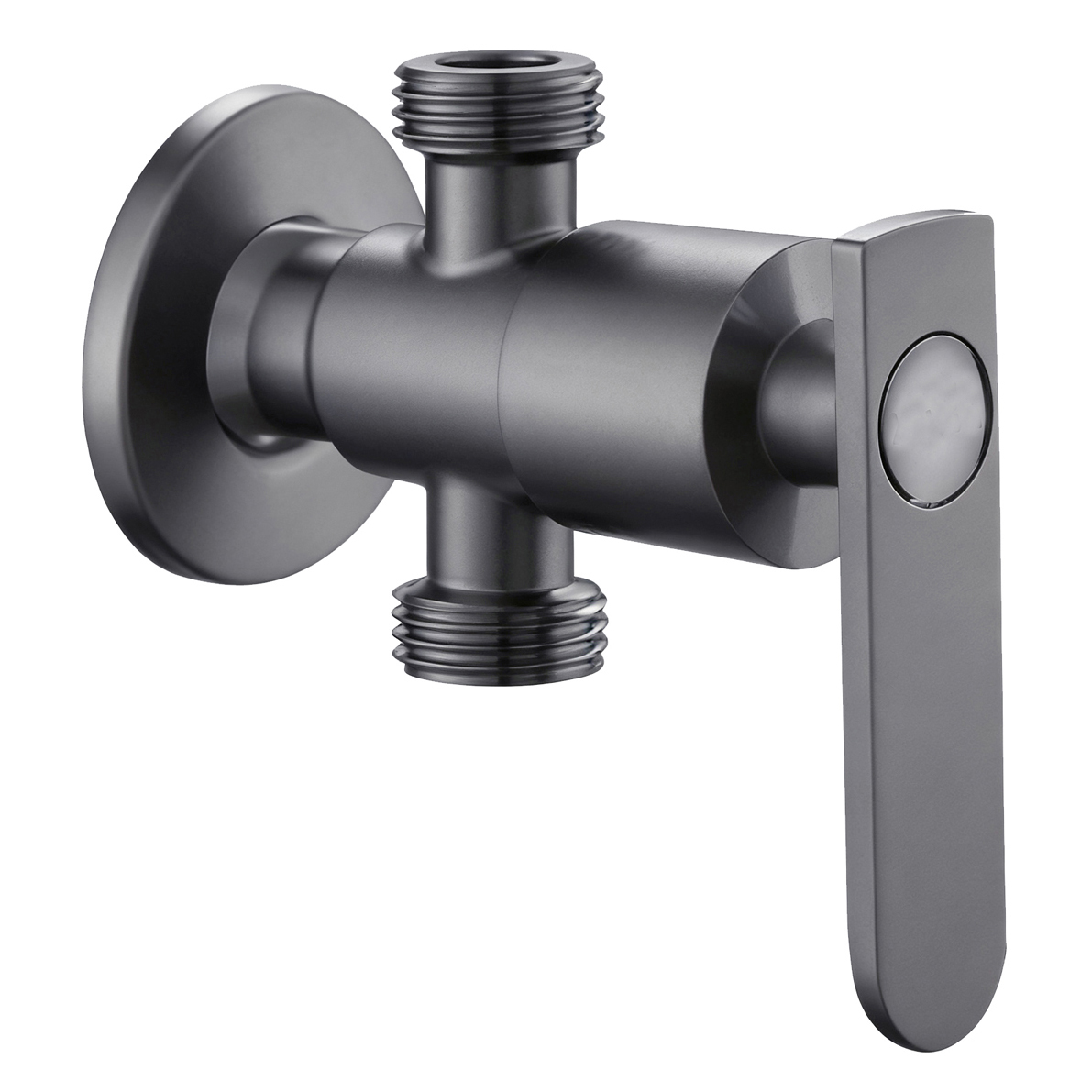
| Water-supply control | Control function, connections, and accessible operating position | The valve becomes difficult to operate or maintain after installation |
| Holder | Mounting method, resting position, and hose path | Normal removal and replacement repeatedly pull on the connection |
| Backflow protection | Local requirements, device scope, installation, and maintenance responsibility | A basic check component or unrelated certificate is treated as complete evidence |
عند الشراء wholesale bidet sprayers, the quotation should make clear what is included in the kit and what must be provided separately at the installation site.
The word “complete set” is not precise enough because different suppliers may use it for different combinations of components.
Connection specifications and sealing methods should also be checked for the actual kit. Components that can physically be connected are not necessarily designed to use the same connection or sealing arrangement.
If adapters are required, the resulting combination should be technically reviewed. The installation information and kit list may also need to reflect the change.
Where visually similar components have different internal designs, they should remain identifiable by model or part number. Uncontrolled substitution of hoses or supply-control components can make previous verification and later service records unreliable.
Separate User Experience From Product Verification
Sample evaluation should distinguish between operating experience و verification under defined conditions.
Operating evaluation can consider grip, trigger movement, spray direction, return to the holder, and whether the instructions are easy to understand.
The sample should be used in an appropriate test environment rather than turning a product demonstration into an unverified permanent installation.
Feedback should also record how users actually understand and operate the product, rather than asking only whether they “like” it.
Technical verification serves a different purpose.
Relevant sealing, pressure, connection, operation, and durability evaluations should be selected according to the specific product, applicable requirements, and identified risks.
There is no single pressure value or cycle count that should be applied to every bidet sprayer. Parameters from a general faucet test should not automatically be transferred to a handheld sprayer.
Samples should also remain identifiable. If one sample has undergone destructive testing or another procedure that may alter its condition, that history should be considered before it is used for further evaluation.
When a problem occurs, the record should identify the operating state, location, and conditions involved. Leakage at the trigger, a fitting, or the hose body may require different investigation and re-verification.
Instructions Need to Explain the Boundaries, Not Just the Installation Steps
Installation instructions should accurately describe the intended use, applicable conditions, installation responsibility, required protection, post-use operation, and relevant maintenance.
Where local rules require installation by a qualified professional, marketing materials should not encourage users to bypass that requirement simply to make the product appear easier to install.
Backflow information should also match the technically confirmed installation arrangement.
A broad claim such as “built-in backflow protection” should not be used without a clear basis and defined scope. If an external device is required for a particular installation, the documentation should make clear whether that device is included in the supplied kit and who is responsible for confirming the final arrangement.
For multilingual markets, technical review should go beyond checking whether the translation sounds natural.
Operating directions, component names, product states, and warnings should retain the same meaning in each language. Images should also show the components actually supplied with that version of the kit.
For OEM Projects, Define the Function Before the Branding
When working with an OEM shattaf manufacturer, it is useful to define the target market, kit configuration, operating states, connections, and relevant installation requirements before finalizing logos, finishes, and packaging.
Otherwise, an appearance sample may be approved before the installation arrangement has been fully defined.
OEM work should also distinguish between applying a brand to an existing configuration and changing the product itself.
A new logo does not create the same verification questions as a change to the trigger mechanism, connection, hose, or wetted material.
If a component change affects previously confirmed operating or installation conditions, the relevant product information and verification should be reviewed before mass production.
Packaging and instructions should also remain consistent with the final approved configuration.
Keep the Approved Kit Identifiable During Mass Production
Mass-production release should confirm that the spray head, hose, supply-control component, and relevant product information still match the approved combination.
Component identification, assembly records, batch information, and appropriate inspection can support this relationship. The exact management system can vary, but the supplied kit should remain traceable to its approved configuration.
Service information should also help identify the product and the location of a reported problem.
Where professional intervention is required, customers should not be instructed to remove or bypass a protection device simply to restore water flow.
Replacement parts should correspond to the approved product configuration rather than being selected only because they look similar.
Provide Four Types of Information at the Inquiry Stage
An inquiry to a handheld bidet sprayer supplier is more useful when it identifies four basic areas:
- the intended sales and installation location;
- the intended application and relevant water-supply conditions;
- the components expected in the supplied kit; and
- any installation or backflow-protection issues that require professional or local confirmation.
Available drawings or project-specific requirements can also help distinguish what has already been confirmed from what still needs verification.
For projects with defined market and installation requirements, this information can help YOROOW discuss suitable configurations, samples, and documentation gaps with the buyer. Actual product capabilities and compliance claims still need to be supported by the relevant product documentation.
A bidet sprayer solution belongs on a purchasing list when its operating states, connections, installation limits, and protection responsibilities can be clearly explained and supported.
Defining those boundaries before the product enters the sales channel is more useful than discovering them after installation questions begin to appear.
References
[1] ABCB Dangers lurk in your bathroom with DIY quasi bidets。