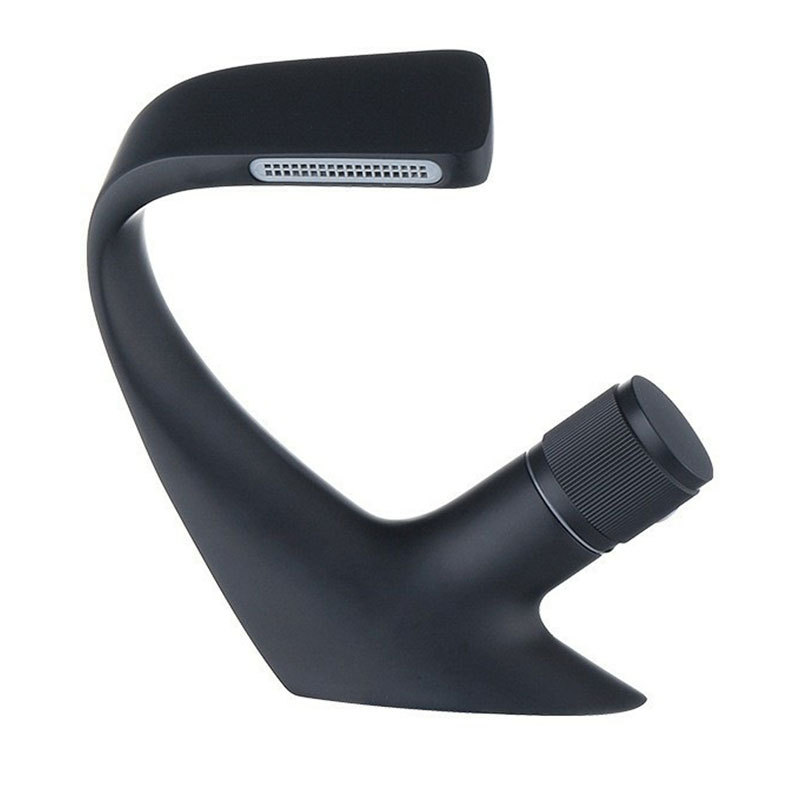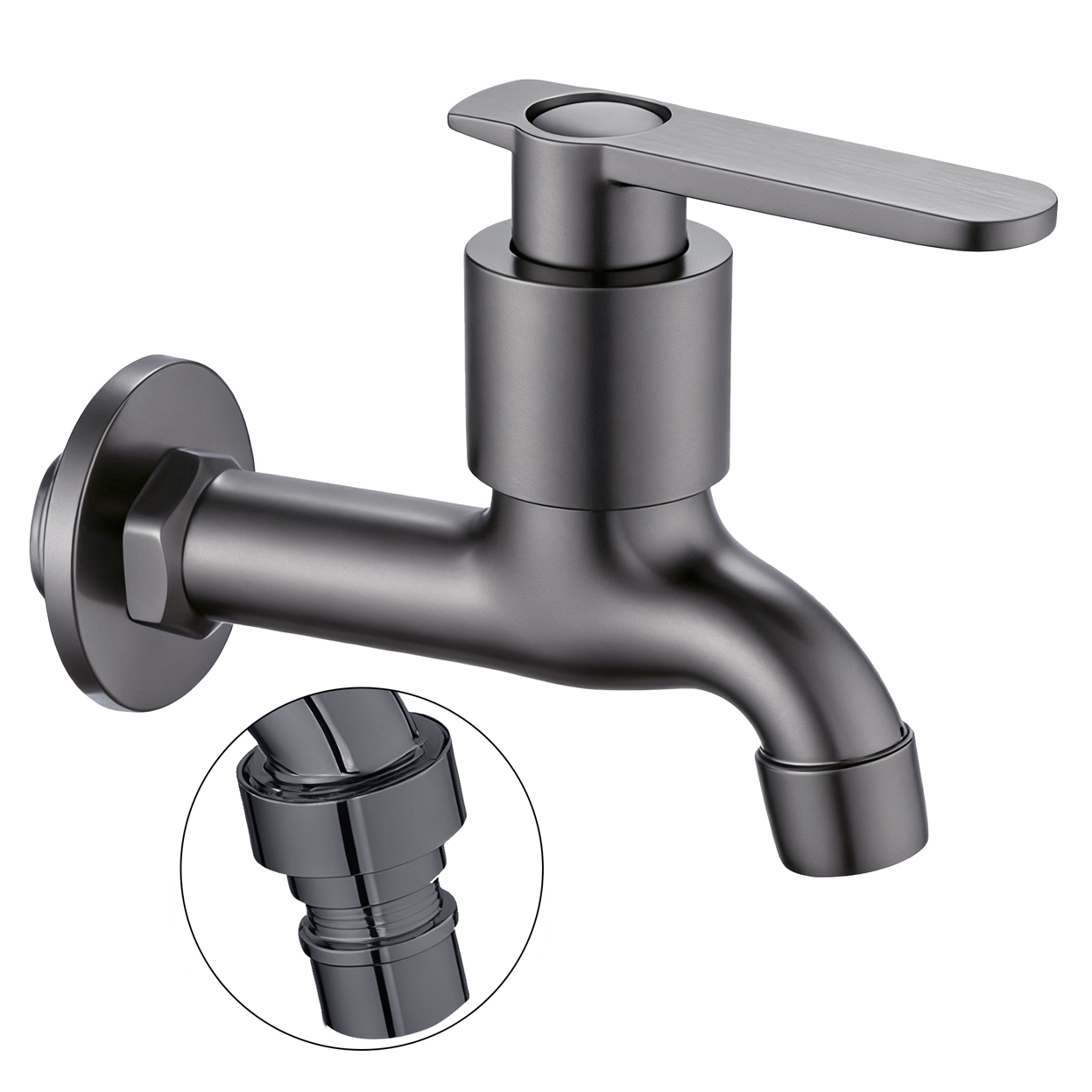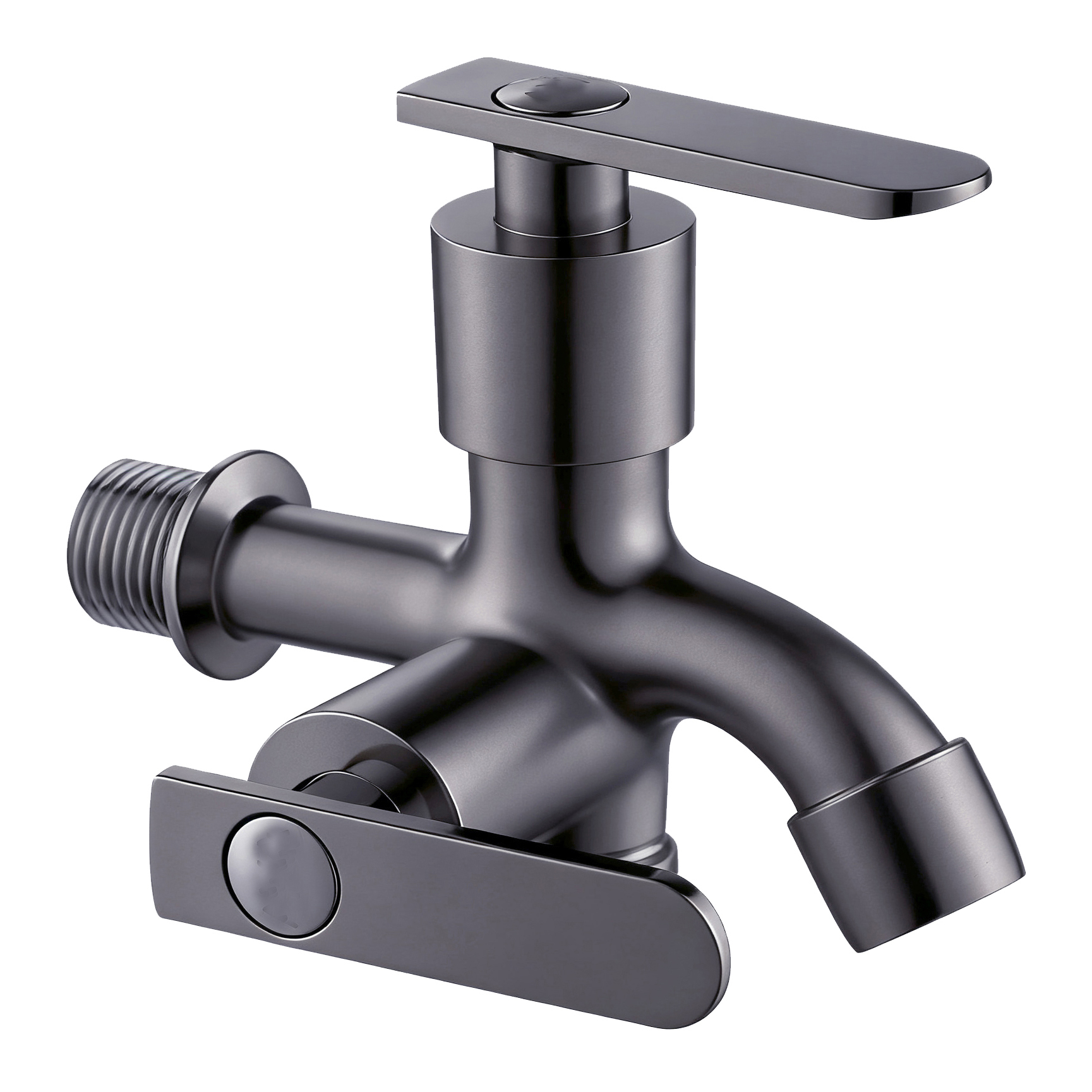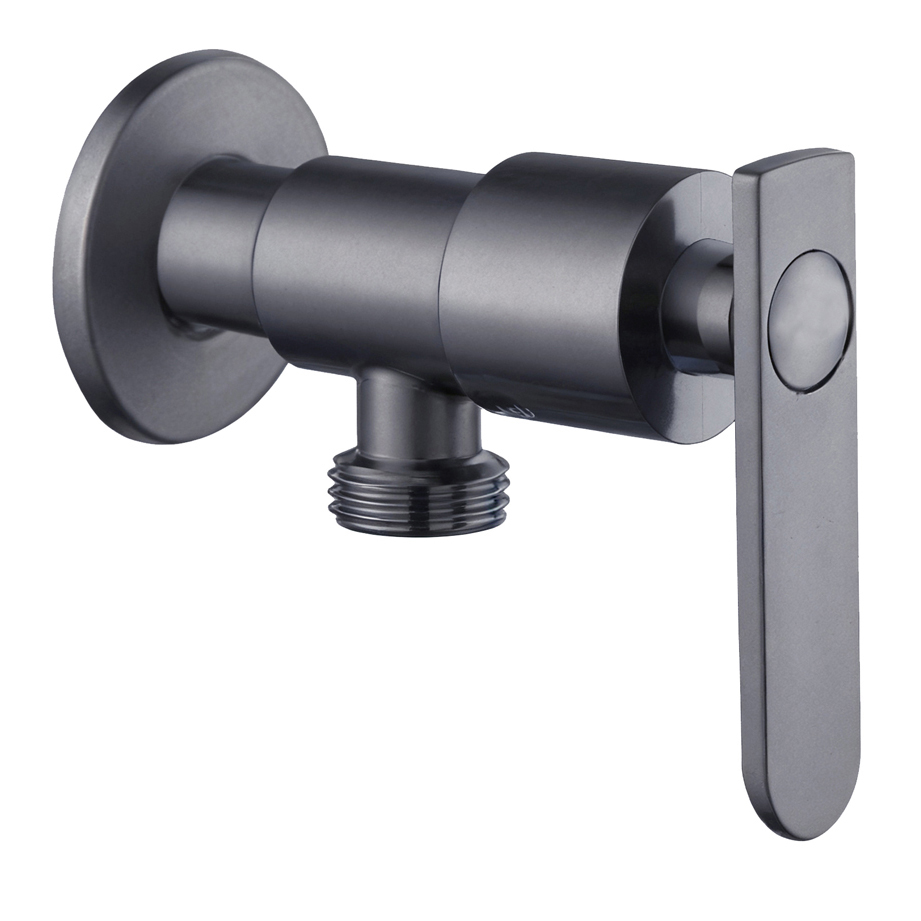




When a buyer pays for custom faucet tooling, the discussion often starts with one question:
How much does the mold cost?
That is only the beginning.
A faucet project may continue for several years. During that time, the design may change, the tool may need maintenance, production may move to another facility, or the product may eventually be discontinued.
Problems often appear when both sides remember the original tooling agreement differently. One side may think the payment covered a physical mold. The other may have treated the fee as a development and tooling service that included certain production rights.
The tooling cost itself does not explain all of these details.
A better approach is to define the tooling scope, records, use rights, maintenance responsibilities, and end-of-life arrangements before production expands.
1. Start by defining what the tooling quotation actually includes
A custom faucet project may require more than one tool.
The main faucet body, handle, decorative parts, or other molded components may use different tooling. Some projects also require jigs, assembly fixtures, inspection tools, or other production aids.
The quotation should therefore make the scope clear.
For example, the parties can distinguish between:
- main production molds;
- molds for separate components;
- assembly or production fixtures;
- inspection tooling;
- mold trials and initial samples;
- modifications included in the development fee;
- additional work that requires separate approval.
A tooling quotation may also include other one-time development costs, such as trial materials, mold testing, sample processing, or transportation.
The important point is not that every project must charge these items separately.
The important point is that both sides should know what has been included, what can create an extra charge, and who must approve that extra work.
That makes the tooling investment easier to compare with the actual development scope.
2. Define what counts as a tooling modification
“Two modifications included” sounds clear until the first modification happens.
A supplier may need to correct a tooling problem. The buyer may also request a design change after reviewing the sample. These two situations can have different cost and schedule effects.
A useful agreement should distinguish between them.
For each modification, keep a simple record of:
- the original problem or requested change;
- the technical objective;
- the expected effect on the tool;
- whether the change affects cost;
- whether the production schedule changes;
- who approved the change.
This becomes especially important when the change involves the handle or internal space of a faucet. A small appearance change may affect assembly, internal clearance, packaging, or even other components.
The buyer does not need a complicated engineering system for every project. A clear change record and an identified approver can prevent many later disagreements.
The key question is not simply:
“How many modifications are included?”
It is:
“What type of modification is included, and what happens when the next change falls outside that scope?”
3. A good trial sample does not prove that the tool is ready for stable production
The first sample can look excellent and still leave important questions unanswered.
A trial sample may reflect a particular material, tooling condition, finishing process, or amount of hand polishing. It therefore should not automatically represent the final mass-production condition.
Before accepting the tooling, define what the trial sample is actually validating.
Depending on the faucet and the tool, this may include:
- key dimensions;
- appearance;
- assembly fit;
- downstream machining or finishing;
- material and process conditions;
- cavity or position identification for multi-cavity tooling;
- points that still require correction.
The acceptance record can remain simple. It may contain the tool list, approved design version, trial record, sample identification, inspection results, and open issues.
This also separates two different events:
payment for the tooling و technical acceptance of the tooling.
They do not necessarily mean the same thing.
4. Separate the physical mold from the design and IP rights
This is one of the areas that deserves the clearest wording.
A quotation note that simply says “the mold belongs to the customer” may not answer every question that arises later.
The parties should identify at least three different areas:
- Physical tooling — which molds, fixtures, and related items are included.
- Design documents and development results — which drawings, files, specifications, or other deliverables are included.
- Rights of use — where, how, and by whom the design or related technology may be used.
These are not necessarily the same thing.
WIPO distinguishes between an IP assignment, which transfers ownership of specified IP rights, and a license, which gives another party permission to use IP while ownership remains with the rights holder. WIPO also notes that collaboration agreements should clarify background IP, newly created IP, ownership, and rights of use.
For a faucet project, the agreement may therefore need to distinguish:
- existing supplier technology or shared components;
- customer-provided designs;
- newly developed customer-specific designs;
- common platform components;
- product-specific tooling;
- exclusive or non-exclusive use;
- permitted markets, channels, or product ranges.
For example, a buyer may want exclusive use of a particular faucet design in a specific market. That does not automatically mean that every component, manufacturing method, or production technology used to make the faucet becomes exclusive.
The exact rights depend on the agreement and applicable law. The safer commercial practice is to define them before the investment becomes significant.
5. Record where the tooling is stored and how it is used
A mold that cannot be located easily can become a problem when a repeat order arrives several years later.
At minimum, the buyer and supplier should be able to identify:
- tooling number;
- storage location;
- responsible party;
- related product and version;
- current production status;
- maintenance history;
- whether the tool is active, stored, under repair, or discontinued.
The person coordinating sales does not necessarily need to manage the tooling physically. But the buyer should know who can confirm its location and status.
A simple lifecycle record can help:
| Lifecycle stage | What to confirm | Useful records |
|---|---|---|
| Development start | Tooling scope, cost, design version, modification rules | Tool list and approved design |
| Trial acceptance | Sample identity and validation requirements | Trial and inspection records |
| Production use | Storage party, product version, permitted use | Tool number and maintenance records |
| Discontinuation or transfer | Notice, handover, storage or disposal conditions | Status and handover records |
This does not require a complicated digital system.
The purpose is simply to make the tooling traceable.
“In stock” does not always mean “ready for production.” A tool that has been unused for years may still require inspection, maintenance, trial production, or revalidation before the next order.
6. Discuss maintenance before the tooling needs repair
Tooling maintenance is easier to manage when the parties define the categories in advance.
For example, they can distinguish between:
- normal preventive maintenance;
- wear-related repair;
- damage caused by abnormal use;
- modifications caused by a new product design;
- replacement or duplication of the tooling.
The agreement can also define who evaluates the problem and who approves paid repair work.
If the supplier provides an estimated tool life or usage range, the basis should be clear. Such information should not become an unconditional guarantee that the tool will never require repair.
Maintenance also affects future orders.
If a buyer plans to continue the product for several years, the parties may need to discuss whether an old tool should remain in service, receive major maintenance, or be replaced with a new one.
When a replacement tool is created, the relationship between the old and new versions should remain clear. A similar-looking replacement does not automatically guarantee identical mating dimensions, assembly conditions, or validation results.
The new tool may still need sample and production verification.
7. A tooling transfer is not the same as moving a box
Tooling may eventually move from one production facility to another.
Before the transfer, confirm:
- whether the tool can be moved under the agreement;
- who arranges transportation;
- who pays for the transfer;
- equipment compatibility at the new facility;
- required documents and tooling records;
- current tooling condition;
- whether a trial or adjustment is required after relocation.
Transport only moves the physical tool.
It does not automatically mean that the new factory can start stable production immediately.
The new production site may need to check the tool, install it on compatible equipment, run trials, and confirm the product against the approved version.
The same principle applies when a product is discontinued.
Before disposing of a tool, the buyer may need to consider remaining spare parts, final production quantities, possible future demand, and whether the product could return later.
The agreement can define whether the tooling will be:
- temporarily stored;
- stored for a defined period;
- transferred to another party;
- returned;
- scrapped after notice and confirmation.
Storage cost, notice periods, and disposal confirmation can all be defined before the issue becomes urgent.
8. Not every faucet component needs dedicated tooling
A custom appearance does not mean that every internal component needs a dedicated mold.
Some parts may use existing platform components when the functional requirements, dimensions, and agreed use rights allow it. Other parts may justify dedicated development because they directly affect appearance, function, installation, or product differentiation.
The decision should therefore consider more than the initial tooling price.
More dedicated tooling can also mean:
- more samples to validate;
- more tooling to maintain;
- more records to manage;
- more replacement decisions later.
The better question is not:
“How much custom tooling can we create?”
It is:
“Which parts actually need dedicated development for this product?”
That question keeps the tooling investment connected to the product’s real requirements rather than turning every customized detail into a separate long-term burden.
A tooling payment should create a clear record, not just a receipt
A faucet tooling project can last much longer than its initial development stage.
The most useful records should therefore follow the tooling through its lifecycle:
development → modification → trial → production → maintenance → transfer → discontinuation
At each stage, both sides should know what the tool is, which product version it belongs to, who can use it, who maintains it, and what happens when production changes.
This does not require every tooling agreement to use the same structure.
It requires the important questions to be answered before the mold becomes difficult or expensive to manage.