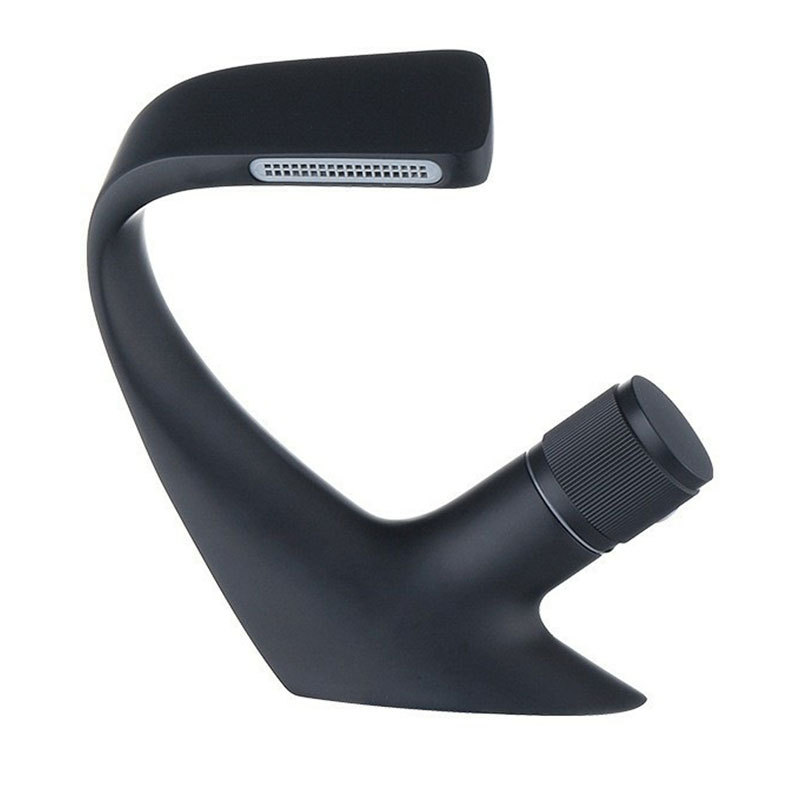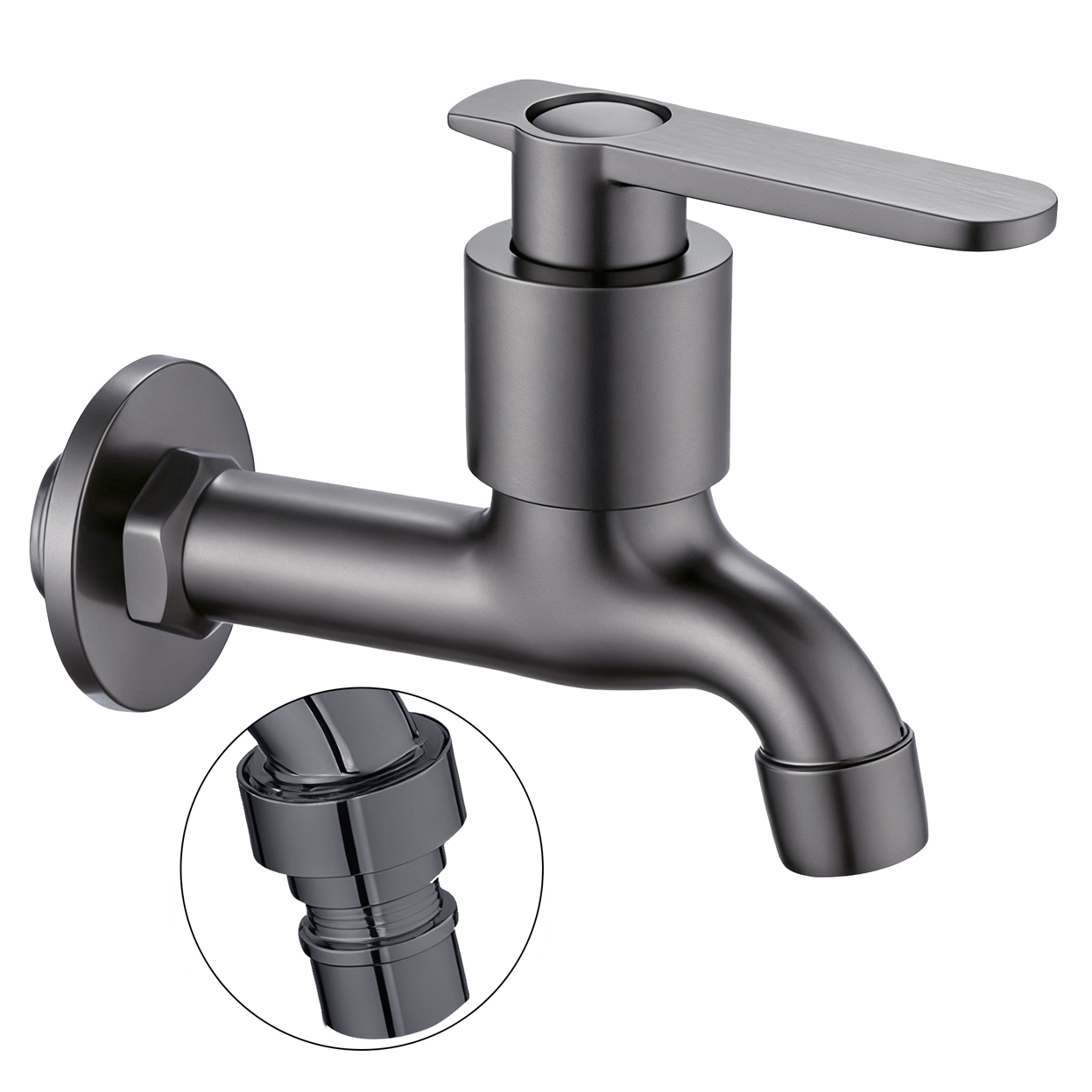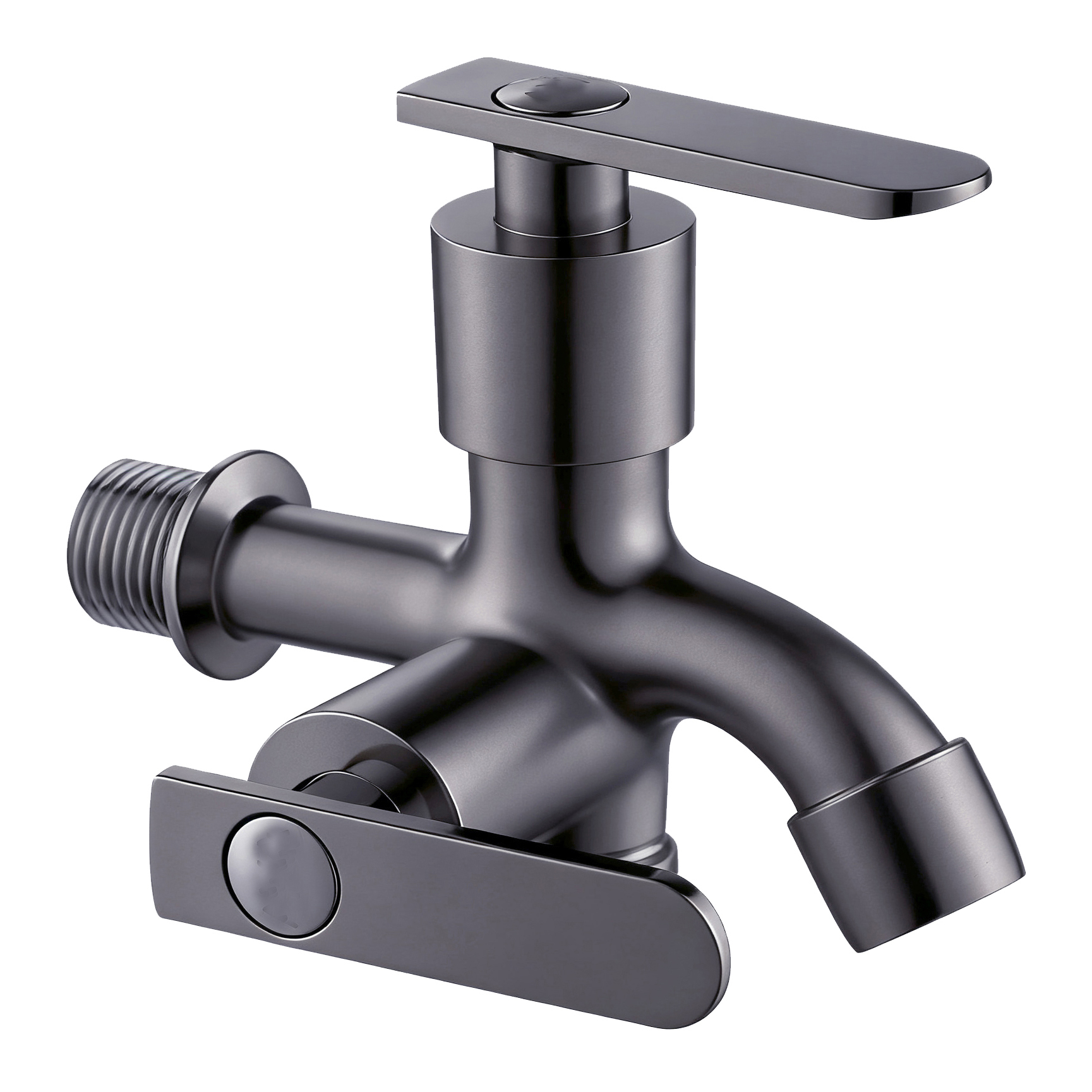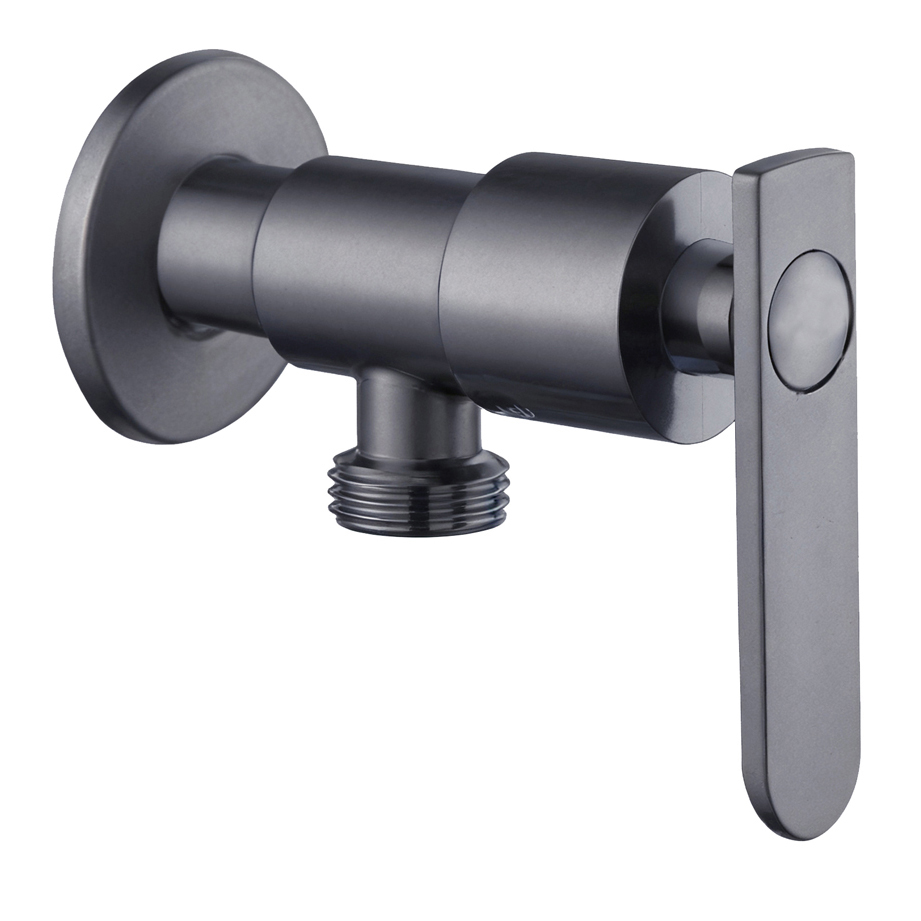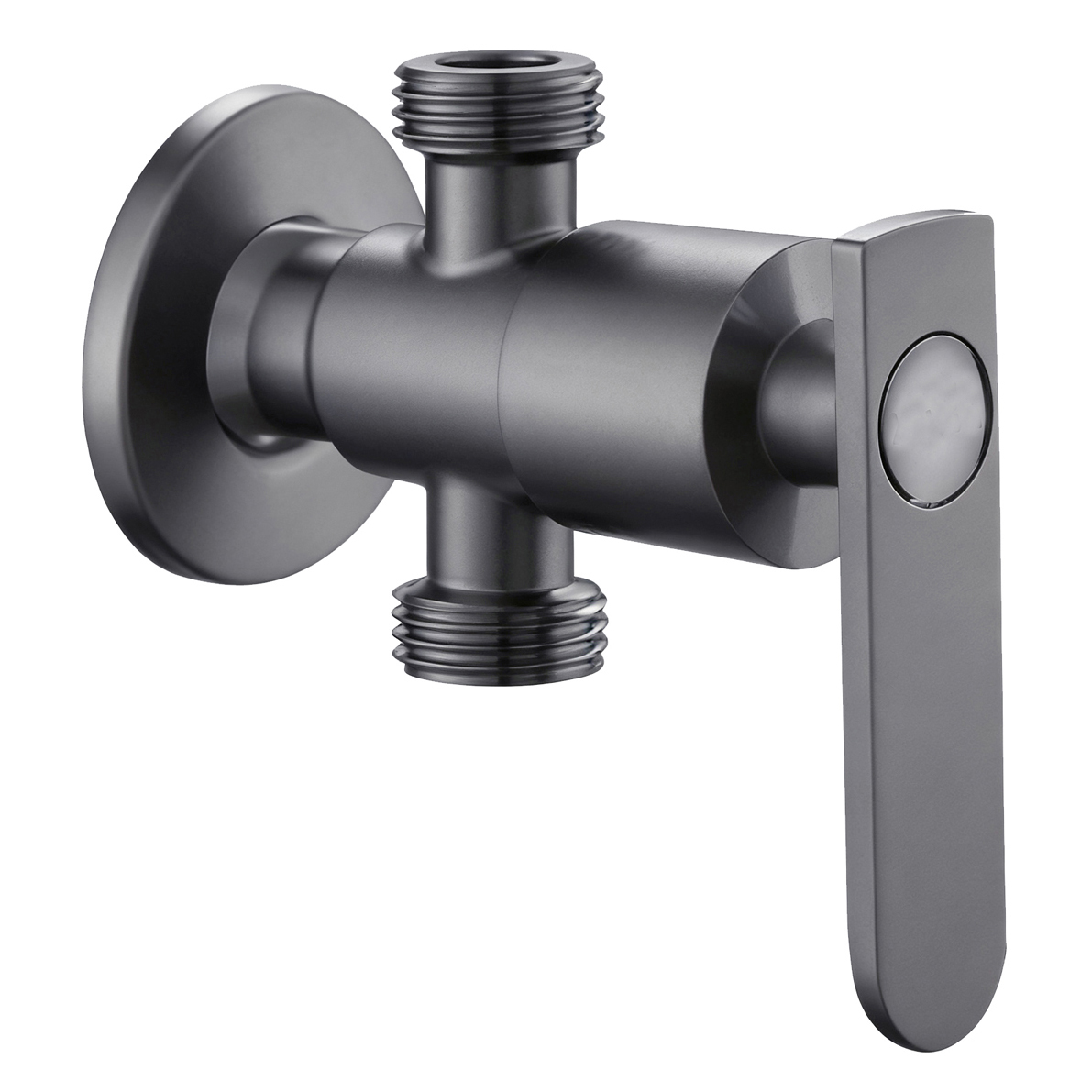




When a Hot and Cold Shower Faucet appears across many similar rooms, consistency becomes important.
Different designs, handles, finishes, and functions can still exist.
However, hotels, apartments, and other accommodation projects need more than visual variety.
Once dozens of rooms use the same type of shower faucet, small product differences can affect installation, daily use, and future maintenance.
This is one of the biggest changes when a product moves from normal retail sales into project supply.
Projects do not always need more choices.
In many cases, they need fewer unnecessary differences.
Take a Hot and Cold Shower Faucet as an example.
A retail store can display several types of Смеситель для горячего и холодного душа.
Customers can compare design, finish, and price.
A project team has a different task.
If different floors or batches use very different structures, maintenance teams later need to identify more models.
They may also need to manage more spare parts.
For this reason, more variety does not always create more value in a project.
Before choosing a dual control shower faucet for repeated installation, buyers should check several basic conditions.
They should confirm the hot and cold connection layout, installation dimensions, operating method, and key components.
Standardization does not mean every hotel must use the same faucet.
It simply means one project should avoid differences that do not bring real benefits.
Operating Logic Is Part of Project Standardization
People often think product standardization only means keeping dimensions the same.
But users interact with the handle every day.
For a homeowner, an unusual control method may only require some adjustment.
Hotels work differently.
Different guests use the shower every day.
A clear and familiar control method can reduce confusion.
If different rooms use different hot and cold control arrangements, the experience becomes less consistent.
The same problem can happen during later replenishment.
A new batch may look similar but use a different handle direction or control layout.
These changes can create unnecessary differences inside the same project.
Project teams should also plan spare parts carefully.
They should not assume that two faucets share the same parts only because the designs look similar.
Procurement teams can first compare the cartridges, handle fixing parts, and connection components.
They can then decide which parts may vary and which interfaces must remain unchanged.
Only physical verification can confirm whether different models truly share spare parts.
Product information can also use two levels.
The retail page can focus on appearance and basic features.
The project file can include installation drawings, spare-part numbers, and replacement information.
This makes the information clearer for different uses.
For this reason, project evaluation should go beyond the simple label “hot and cold shower faucet.”
Teams should also check whether the hot and cold markings are clear.
They should confirm that the handle operation stays consistent.
Future orders should also follow the same control logic.
These details may seem small on a retail product page.
Over several years of operation, they can become much more important.
Standardization Matters Most When Replacement Is Needed
Differences between shower faucets may not cause obvious problems during the first installation.
The real cost often appears later.
A few years after completion, one room may need a replacement faucet.
The maintenance team must first identify the original model.
Then they need to check the connection method, dimensions, and installation conditions.
A project with many different models makes this process harder.
A project with controlled specifications makes it easier.
Later purchases can focus on the same product or a verified compatible model.
This is why project supply should not depend only on the first purchase price.
A lower-priced faucet may create more work later if replacement options remain unclear.
A product with stable specifications may offer more practical value over time.
Retailers Need to Turn Project Requirements Into Clear Product Conditions
When a product series changes, teams should record the latest compatibility check.
They should also keep the corresponding sample or version information.
This gives future buyers a clear reference.
They do not have to assume that a product marked “new version” will fit the old installation.
A faucet may first enter the market as a normal retail item.
Later, a customer may choose the same model for an apartment project.
At that point, the product needs another review.
The procurement team should look at the number of repeated rooms.
They should also consider the maintenance window for each room.
Spare-part planning becomes important too.
The team needs to know which parts should stay in stock.
Installation drawings should also be clear enough for local installers.
Sample approval should not focus only on the first sample.
Future production batches need the same attention.
One good sample cannot guarantee that later batches will keep the same accessories, markings, or handle direction.
Project teams can keep a reference sample from the first batch.
They can also record the batch number and installation details.
Future phases can then compare new deliveries with the same reference.
This makes “stable supply” easier to verify.
For building-material retailers with many bathroom SKUs, a separate project catalogue may not be necessary.
A better approach is to add project screening rules to the existing range.
A Hot and Cold Shower Faucet can still come in different designs and price levels.
However, project selection should focus more on connection points, key dimensions, control methods, service parts, and future supply.
This keeps the retail assortment broad.
At the same time, project buyers can identify models that suit repeated installation better.
Для YOROOW, long-term project supply means more than producing the same appearance again.
The manufacturing side also needs to keep key installation and structural conditions clear.
Some design details can change.
A finish may change too.
But those changes should not affect future replacement if the product still belongs to the same project system.
This gives product standardization a more practical meaning.
Not every detail needs to stay identical.
The parts that affect installation, use, maintenance, and replacement should remain consistent.
When retailers start supplying hotels, apartments, or other commercial projects, product selection changes.
The decision is no longer only about which SKU looks better on the shelf.
The more important question is whether today’s product will still make maintenance and replacement simple several years later.