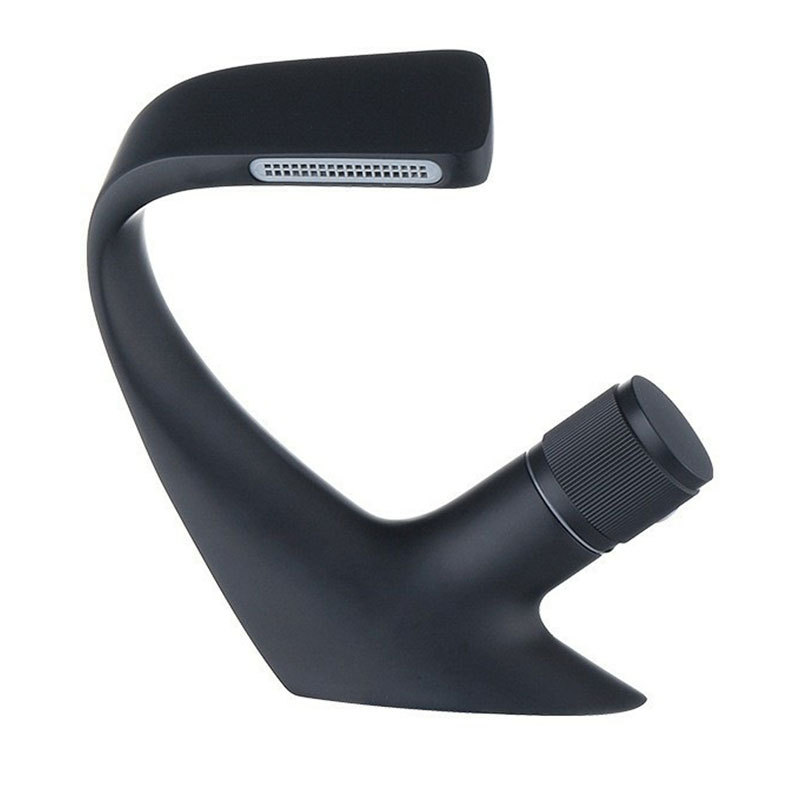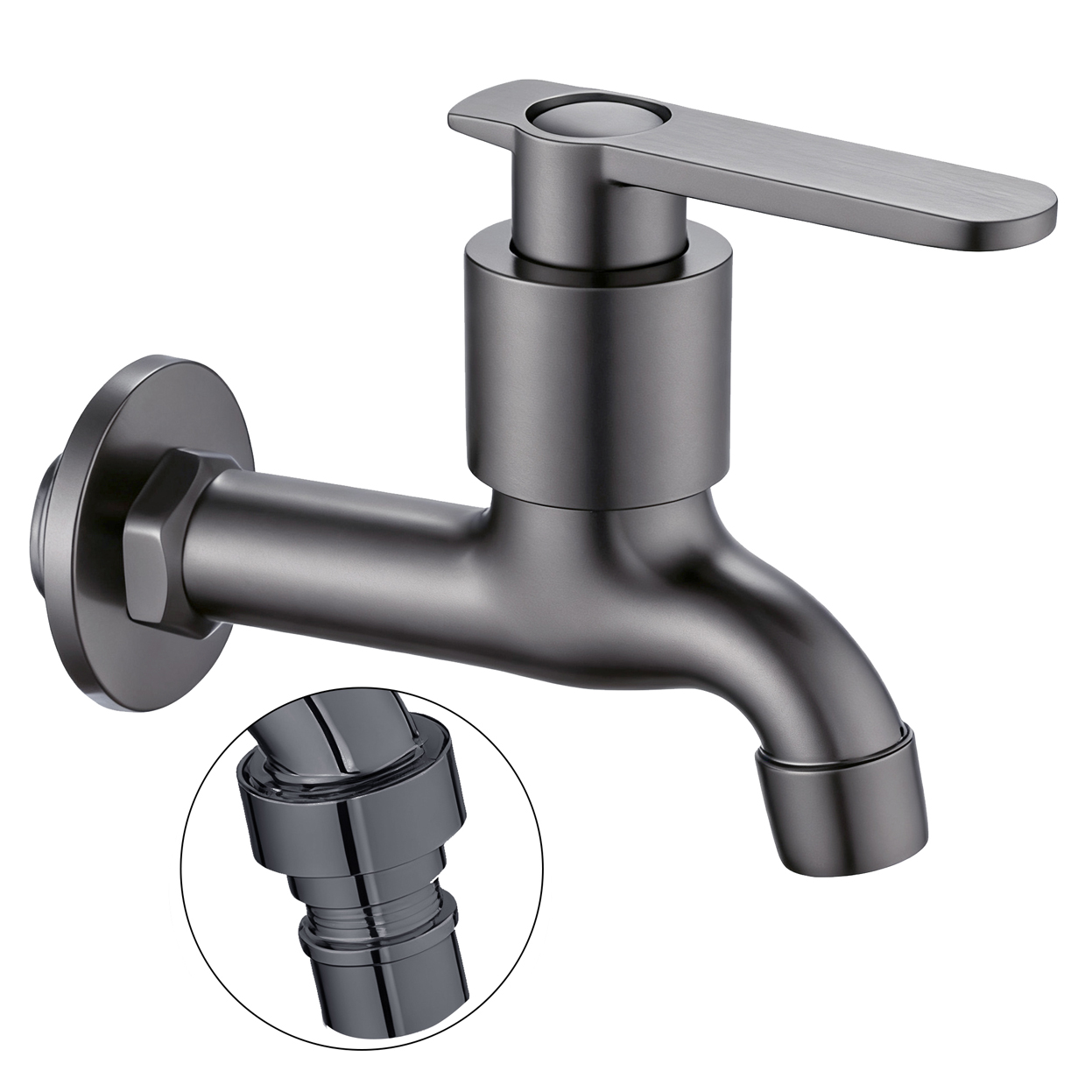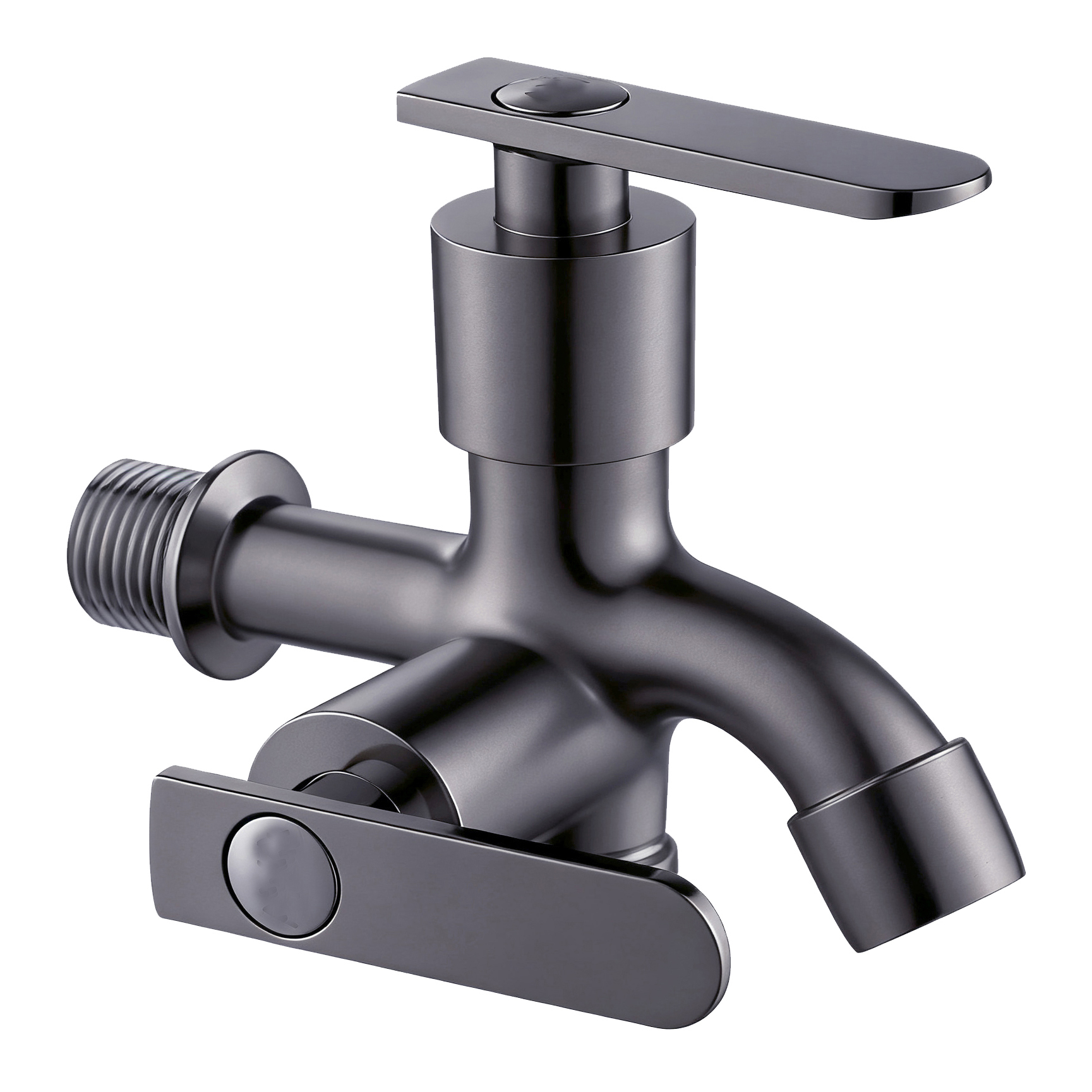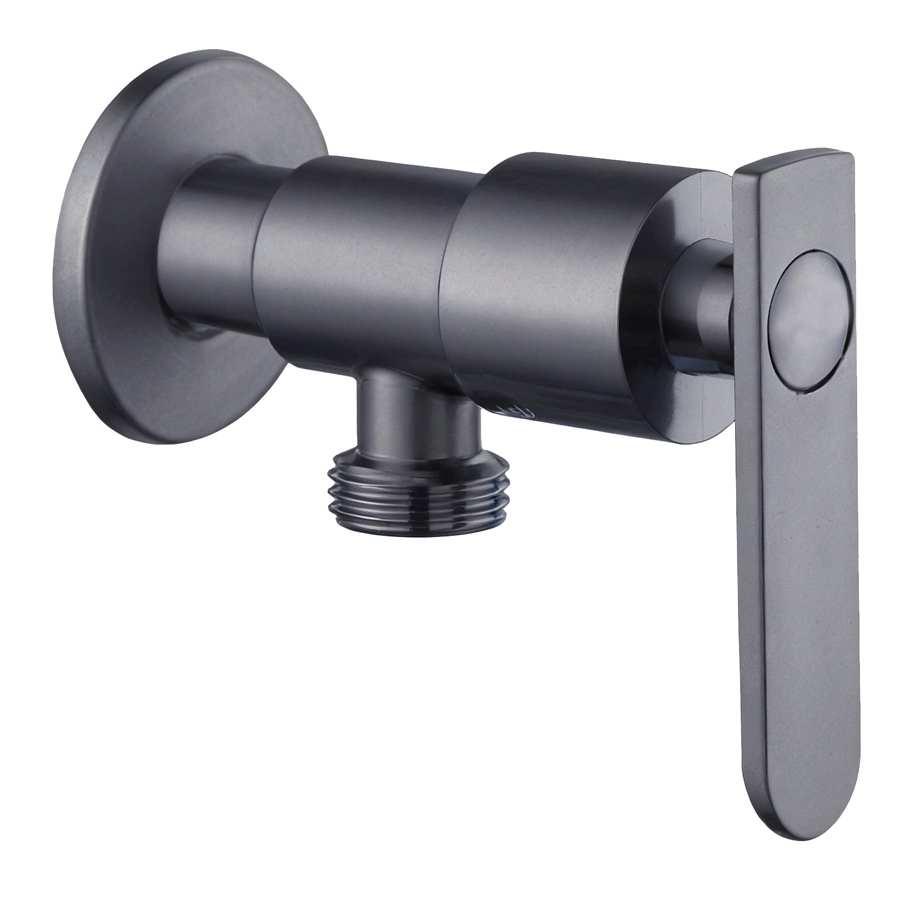



Traditional basin faucets have a relatively fixed water outlet position. While this works well for everyday handwashing, it can be less convenient when rinsing basin edges, washing hair, or cleaning small items.
A pull out basin faucet features a movable spray head that allows water to reach more areas. Some models also offer different spray modes for greater flexibility.
But does a longer pull-out reach or more spray modes always mean better usability? In practice, matching the extension length and spray functions to the basin’s size and installation conditions matters more than simply adding features.
1. How Does a Pull-Out Basin Faucet Differ from a Fixed Faucet?
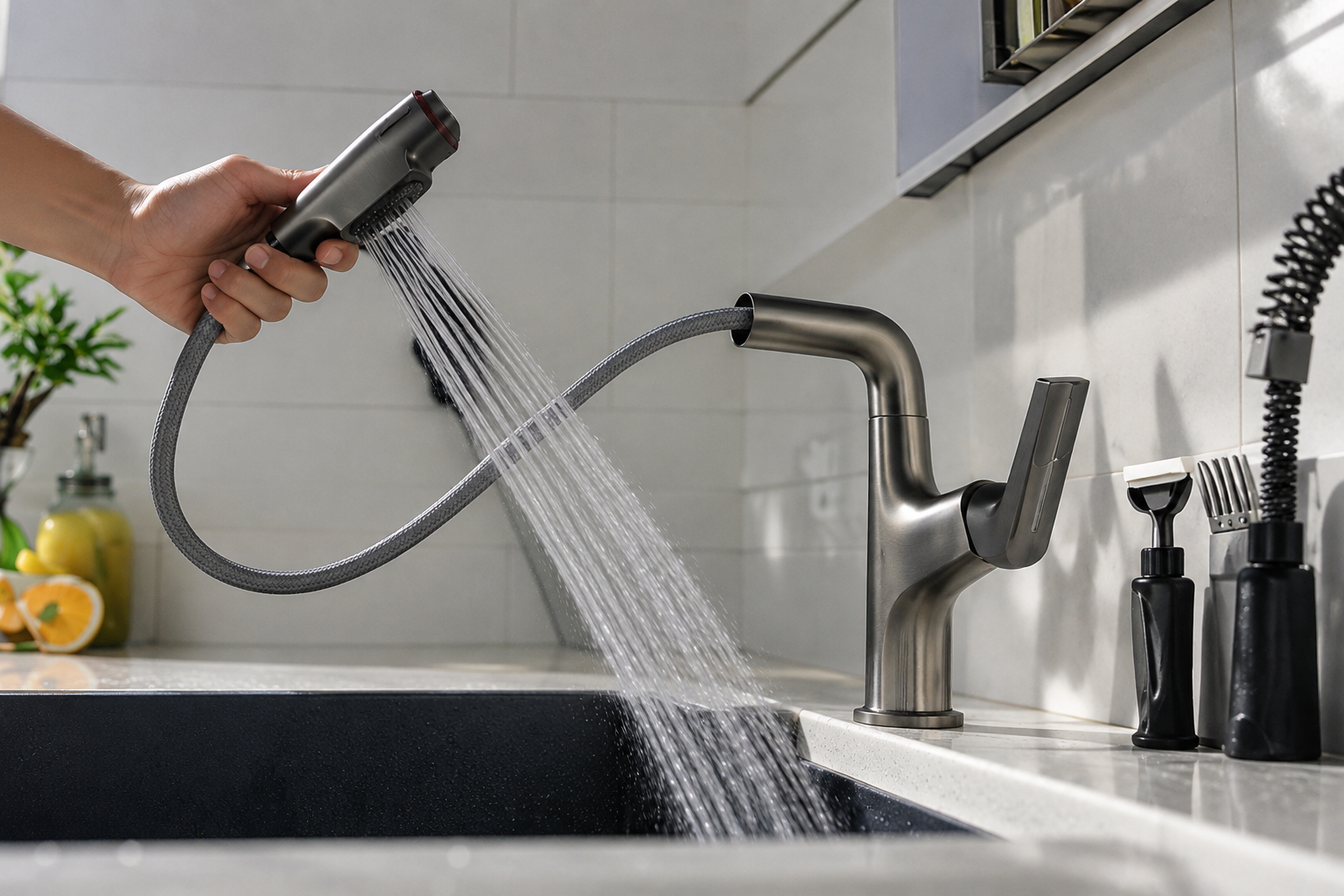
With a fixed basin faucet, the water outlet position is mainly determined by the spout’s length and angle. A pull out basin faucet, however, uses an internal hose connected to a movable spray head, allowing users to adjust the direction and position of the water flow.
This design means water is no longer limited to a fixed point. For example, when rinsing the front inner wall of a basin, users can move the spray head directly toward the area that needs cleaning rather than relying on water spreading from a fixed outlet.
2. How Much Pull-Out Reach Does a Basin Faucet Need?
Extension length is an important factor in everyday convenience, but there is no single measurement suitable for every basin.
Basin Size and Faucet Position Determine the Required Reach
The hansgrohe Finoris pull-out basin faucet, introduced in 2026, offers a spray head extension of up to 50 cm. This design demonstrates how a longer pull-out reach can provide greater flexibility around the basin. However, 50 cm should not be treated as a universal standard for other products.
For smaller basins, a fixed spout may already meet most daily needs. Wider rectangular basins, or situations where the side walls and front edge need frequent rinsing, may benefit more from a movable spray head.
Faucet placement also affects the required extension length. For example, if a faucet is installed at the back of a basin and its spout is far from the front edge, more reach may be needed to rinse the front inner wall.
The key is whether the spray head can comfortably reach the areas where water is needed, rather than simply comparing maximum extension lengths.
Hose Length Is Not the Same as Usable Pull-Out Reach
This is an important detail that is often overlooked when comparing pull-out basin faucets.
Hose Length refers to the total length of the hose itself, while Usable Pull-Out Reach refers to the effective distance the spray head can extend from its resting position.
Because part of the pull out faucet hose remains inside the faucet body and beneath the basin, the actual extension depends on the internal structure, hose routing, and available installation space.
Even when two faucets use hoses of the same length, their usable pull-out reach may differ.
A longer extension does not necessarily provide a better user experience. How comfortably the spray head can be held, how smoothly it moves, and whether it returns securely to its original position are equally important.
3. When Are Different Spray Functions More Useful?
The pull-out mechanism changes where water can reach, while spray modes change how water is delivered. These functions can work together, but they serve different purposes.
Stream Flow vs. Spray Flow
A concentrated stream provides a more defined water direction and landing point. It is suitable for handwashing, filling containers, and tasks that require water to be directed toward a specific area.
Spray flow distributes water through multiple outlets, covering a wider area at a given distance. For example, it may reduce the need to repeatedly reposition the spray head when rinsing basin walls. A gentler spray may also improve comfort when washing hair.
Some products feature finer water droplets. The PowderRain function used in the Finoris range, for example, illustrates how different water patterns can be designed for different washing needs.
However, spray flow is not necessarily more effective than a concentrated stream. Actual rinsing performance still depends on water pressure, flow rate, spray angle, and the surface being cleaned.
Is Dual-Mode Switching Necessary?
Some pull-out basin faucets allow users to switch between a concentrated stream and spray flow, making one spray head suitable for different tasks.
For example, users can select a concentrated stream when filling a container and switch to spray mode when rinsing a larger surface.
One of YOROOW’s 304 stainless steel pull-out basin faucets features a movable handheld spray head, with product demonstrations showing its spray function. Users can pull the spray head toward the area they want to rinse and adjust the water direction, rather than being limited to a fixed outlet position.
However, spray functionality and dual-mode switching are not the same thing. Whether a faucet can switch between stream and spray modes must be confirmed according to the specific model’s configuration.
Spray functions should also be considered alongside basin depth. In a shallow basin, water hitting the bottom directly may cause splashing. Adjusting the spray head’s angle and distance can sometimes be more useful than adding extra spray modes.
4. How Does Installation Space Affect Pull-Out Performance?
The hose of a pull out bathroom faucet needs room to move beneath the basin. Available installation space therefore directly affects usable extension length and retraction performance.
If the hose comes into contact with the drainpipe, angle valves, or water supply hoses, its movement may be restricted. For bathroom cabinets with drawers or internal shelves, it is also important to ensure these structures do not interfere with the hose.
Different models may use different retraction mechanisms. Regardless of the design, the spray head should retract smoothly and return securely to its resting position.
In addition to checking mounting hole dimensions and connection compatibility, buyers should confirm that there is enough space beneath the basin for unrestricted hose movement.
5. What Should You Check Before Choosing a Pull-Out Basin Faucet?
| Factor | Key Question |
|---|---|
| Pull-out reach | Can the spray head reach the areas that need rinsing? |
| Usable extension | Does the specification refer to total hose length or actual pull-out reach? |
| Spray functions | Does the faucet offer the spray modes needed for everyday use? |
| Basin compatibility | Do the water direction and landing point suit the basin? |
| Installation conditions | Can the hose move freely and retract properly? |
For smaller basins used mainly for handwashing and basic washing tasks, a fixed faucet may be sufficient.
However, a pull out basin tap is often worth considering when users frequently need to adjust the water direction, rinse wider basins, or perform tasks such as washing hair.
Заключение
The value of a pull out basin faucet is not determined by having the longest extension or the most spray modes. What matters is how well its features meet actual usage needs.
A suitable pull-out reach expands water coverage, while different spray functions support different washing tasks. Basin dimensions, faucet placement, and available hose movement space ultimately determine how effectively these features work in everyday use.