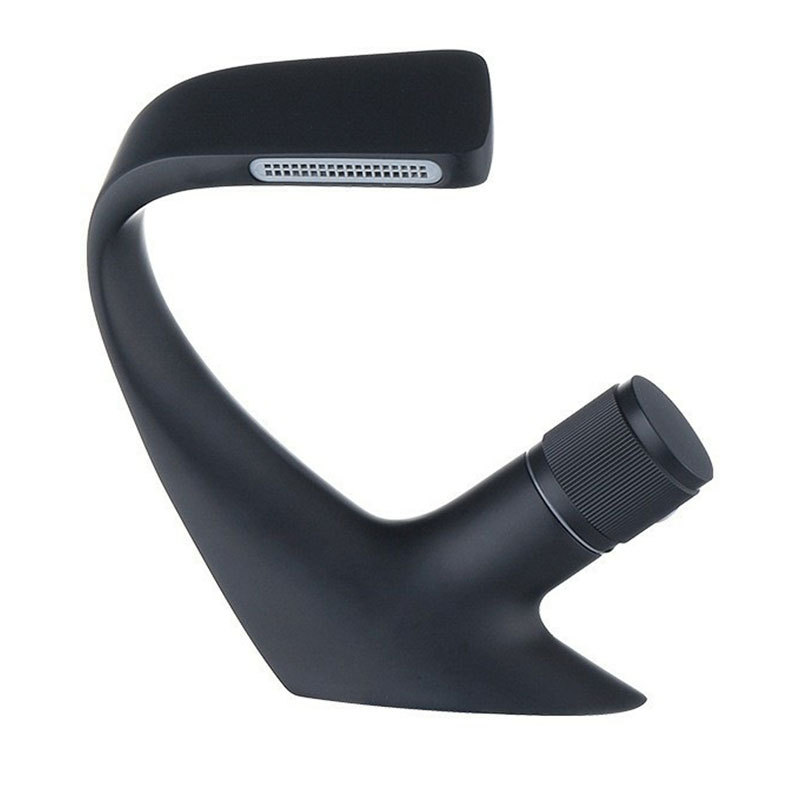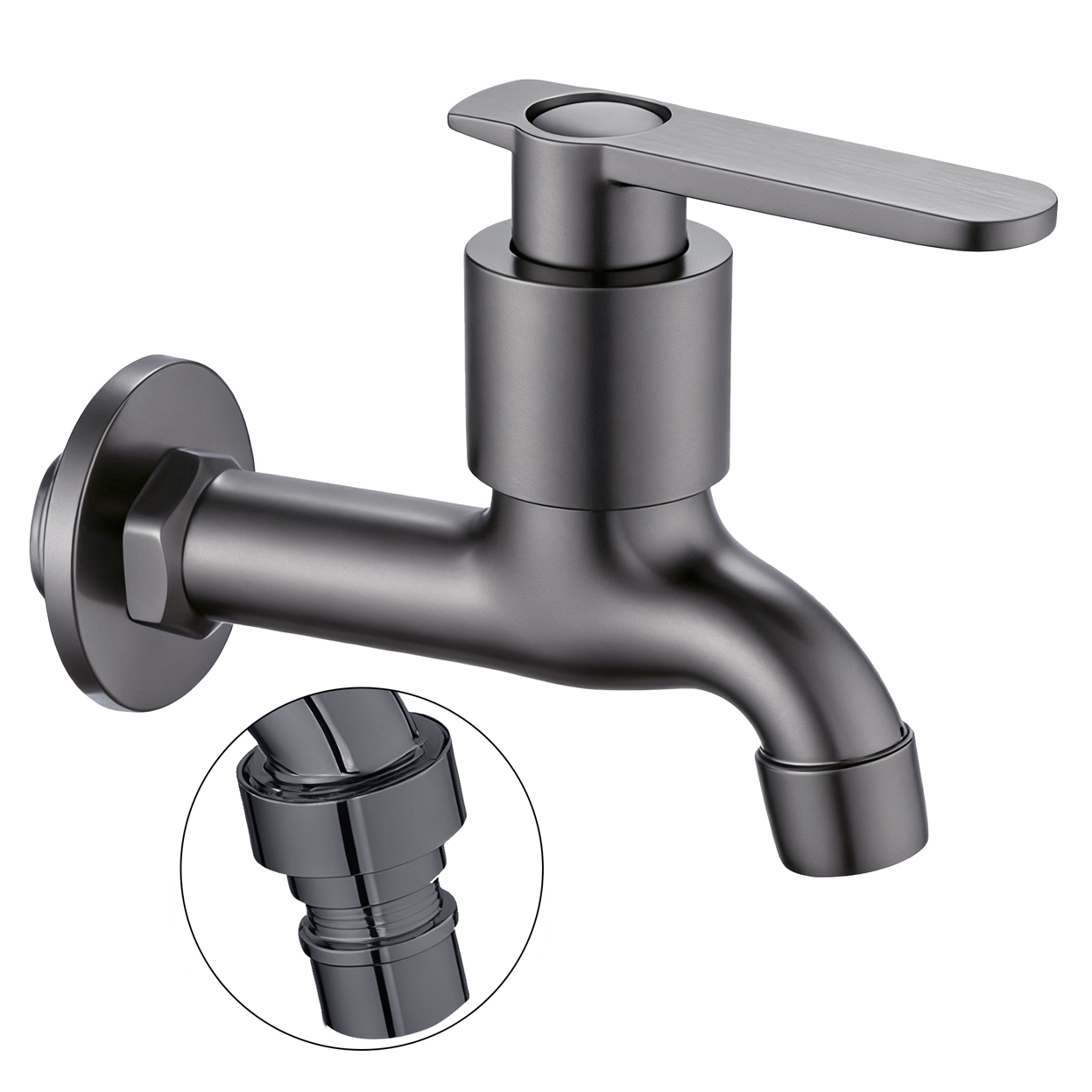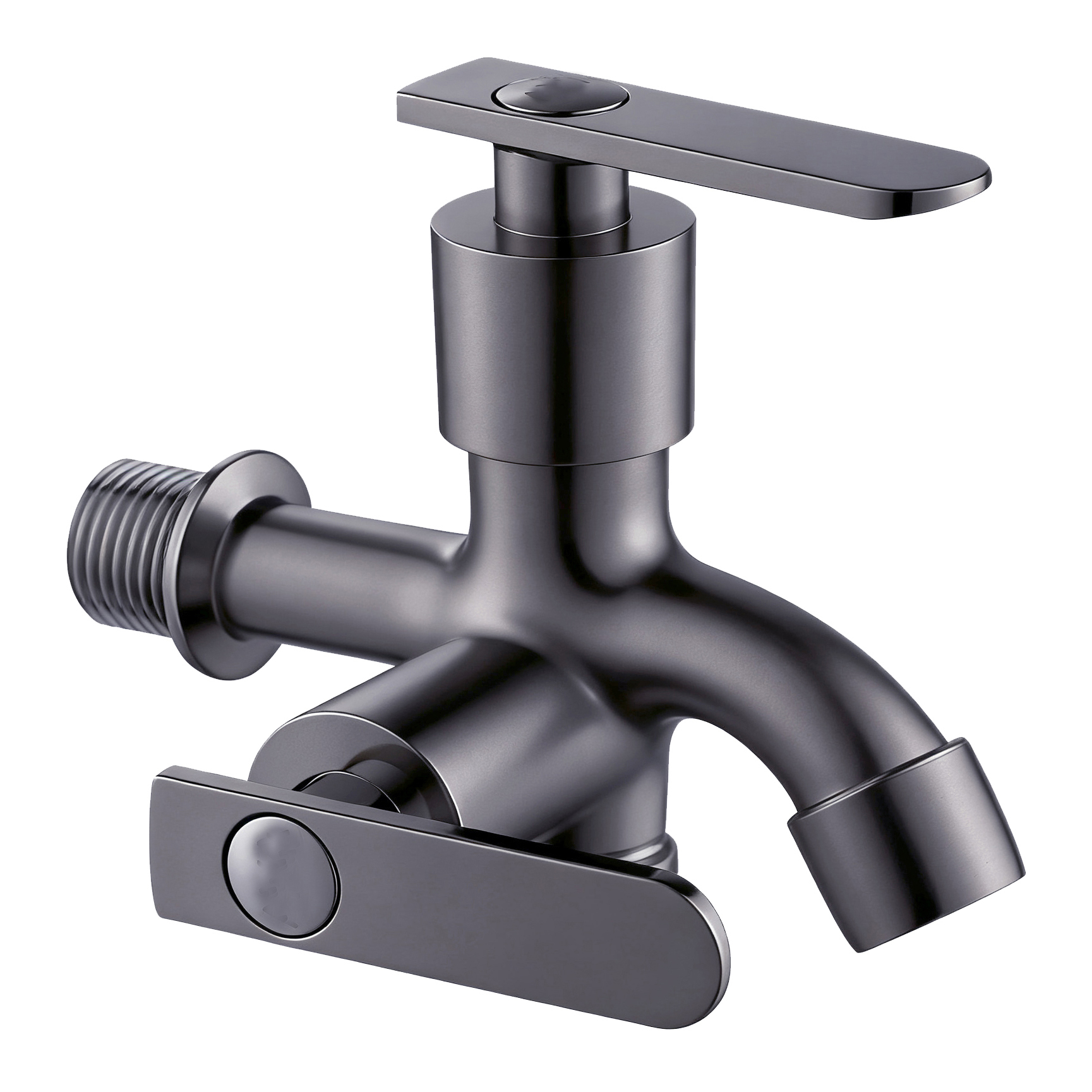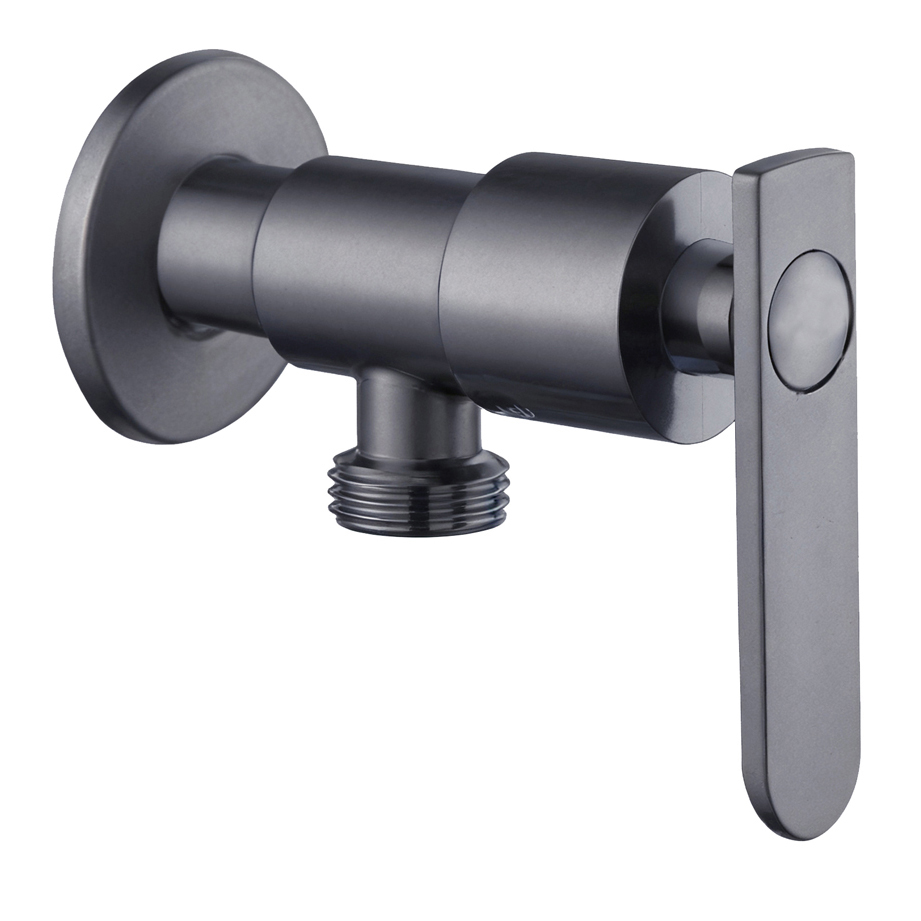




The same Flow Rate can create very different experiences with different spray patterns.
Standard flow, rainfall, multiple jets and Mist Spray distribute water in different ways. For a Mist Spray Shower Faucet, the way water passes through the spray holes matters. Spray coverage and performance under actual water pressure are also important.
These factors provide more useful information than comparing a GPM or LPM figure alone.
Flow Rate Must Be Considered Together with Water Pressure
Flow Rate does not exist independently of water pressure.
If two products achieve their flow-rate figures under different test pressures, comparing the GPM or LPM numbers alone will not accurately show the difference in actual performance.
When reviewing Flow Rate data, it is also important to know the test pressure, spray mode and test conditions.
A lower Flow Rate does not automatically mean a better product.
If reducing the flow affects normal rinsing, spray coverage or the product’s main function, that specification may not suit the intended use.
The U.S. EPA WaterSense criteria for showerheads consider both water flow and spray performance. This provides a useful example of why Flow Rate should be evaluated together with actual outlet performance rather than simply targeting a lower GPM.
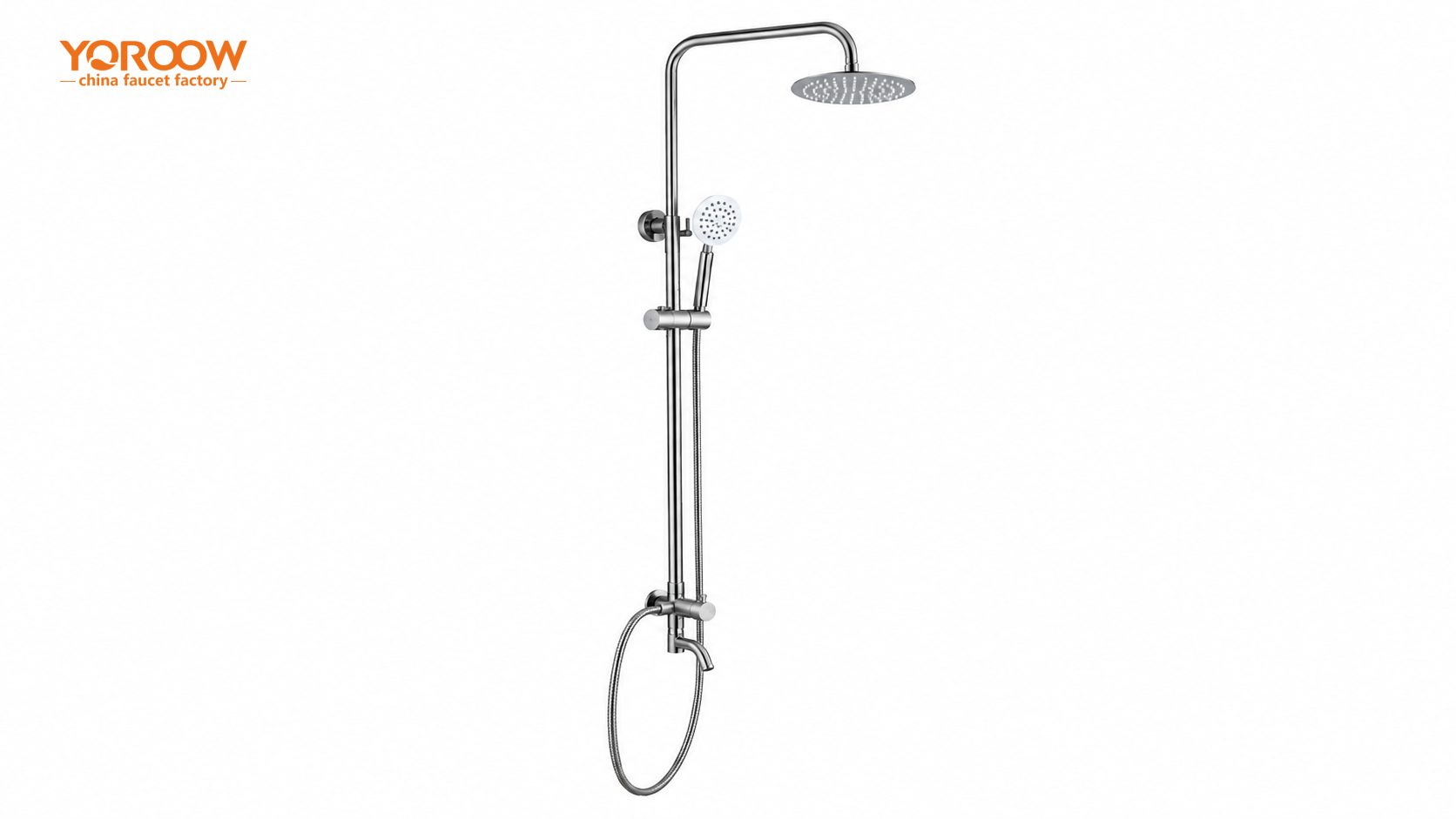
Different Spray Structures Give the Same Flow Rate Different Meanings
YOROOW model 6333B-016K is described in its product information as a single-handle rainfall shower set with a stainless steel rain system and multiple jets.
This does not make it a Mist Spray product. However, it provides a useful comparison.
When a shower system has different spray patterns or multiple water outlets, one overall Flow Rate figure cannot fully explain the performance of each mode.
When selecting the Flow Rate for a Mist Spray Shower Faucet, several questions are therefore more useful.
Which spray mode does the figure refer to? What test pressure was used? How does the spray perform in actual use? Does the target market have relevant requirements?
GPM and LPM are first of all two units used to express Flow Rate. They become meaningful selection parameters only when considered together with these conditions.