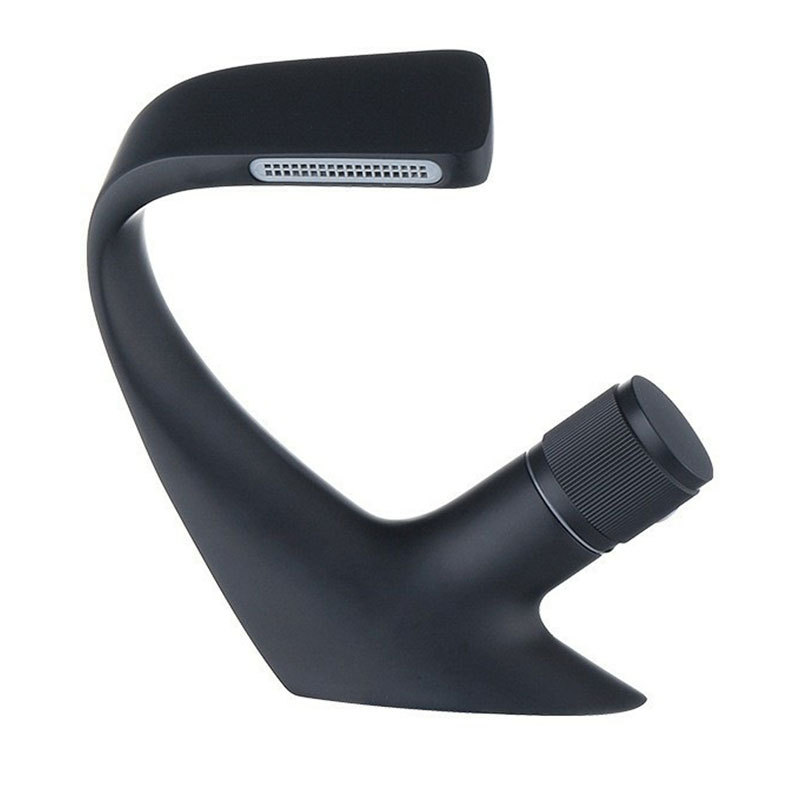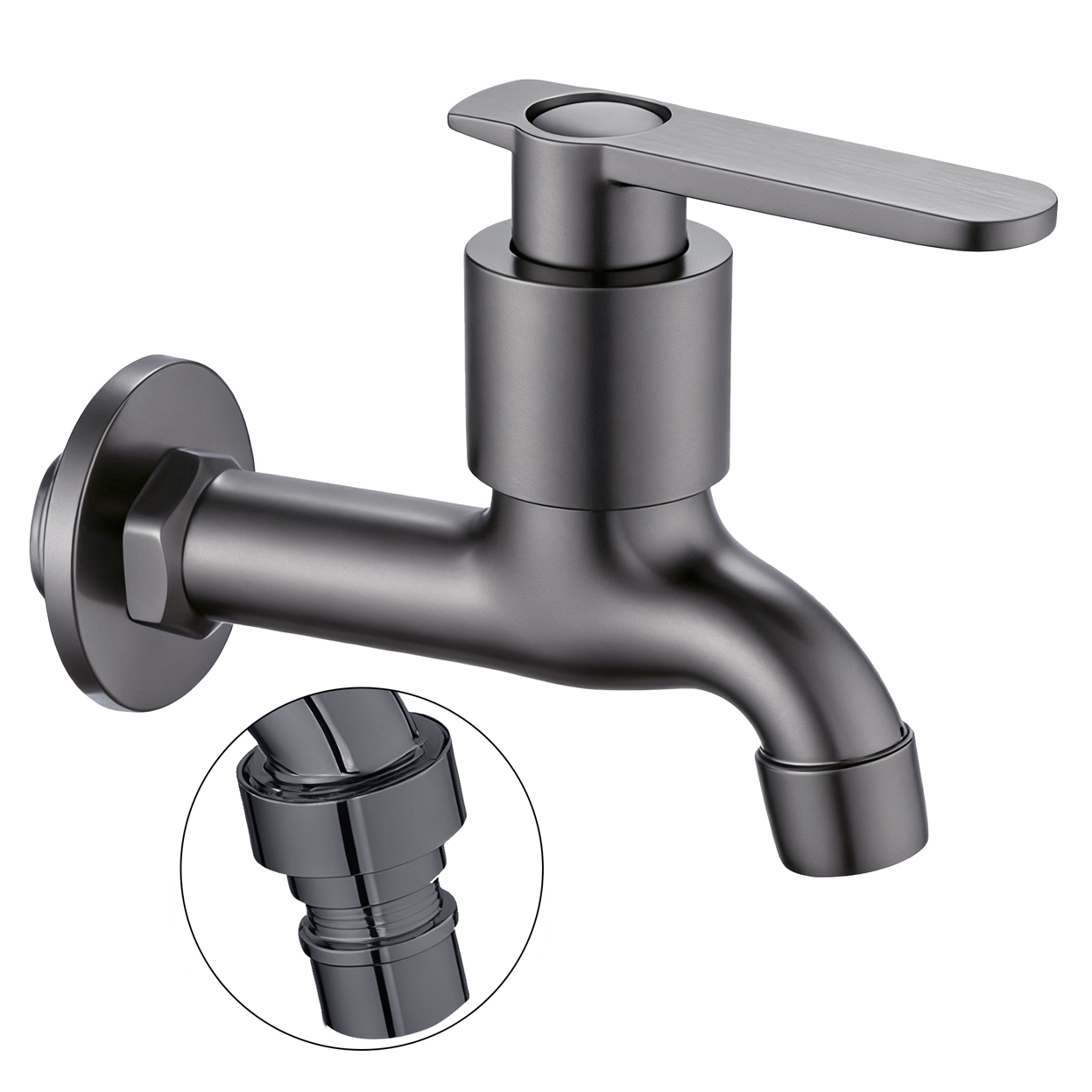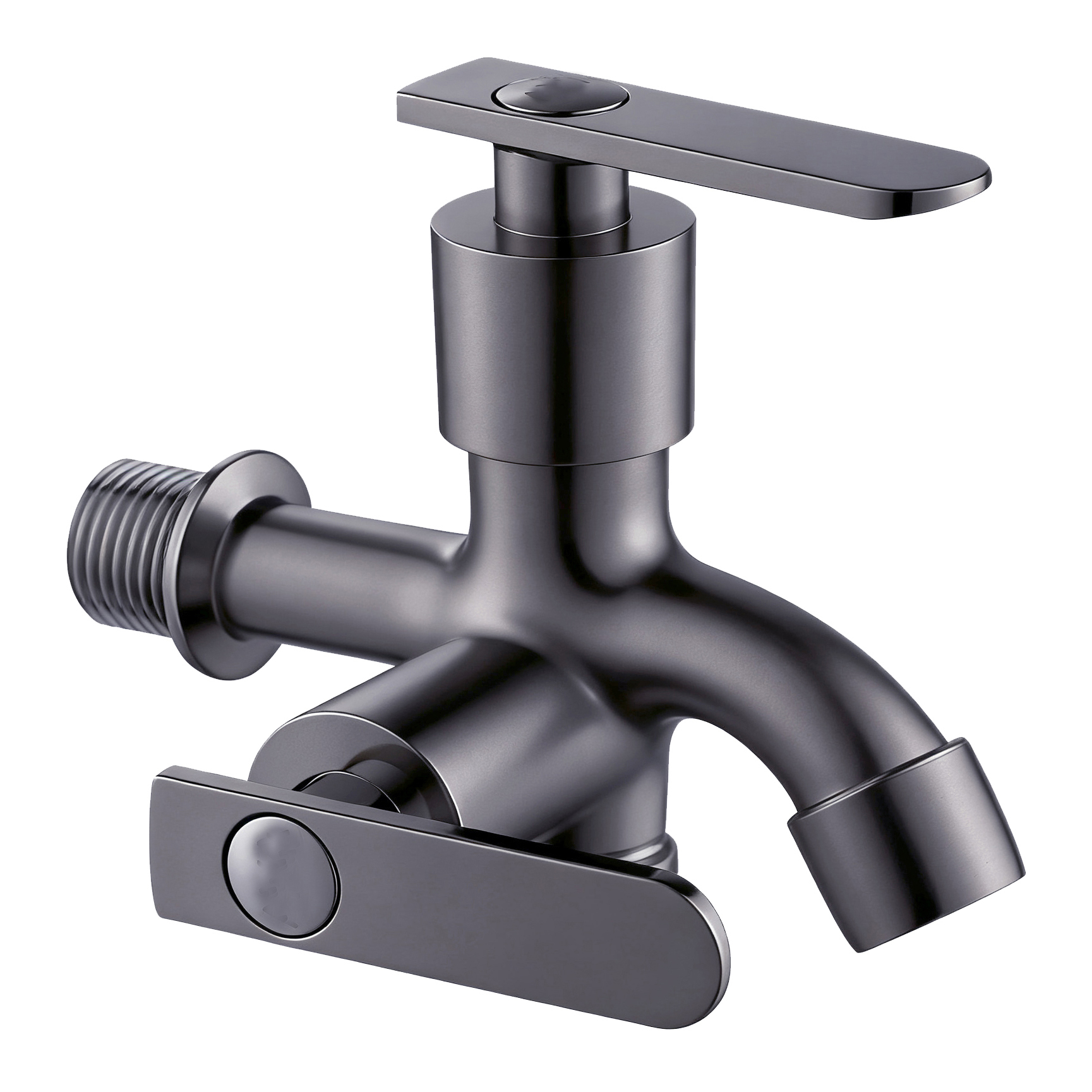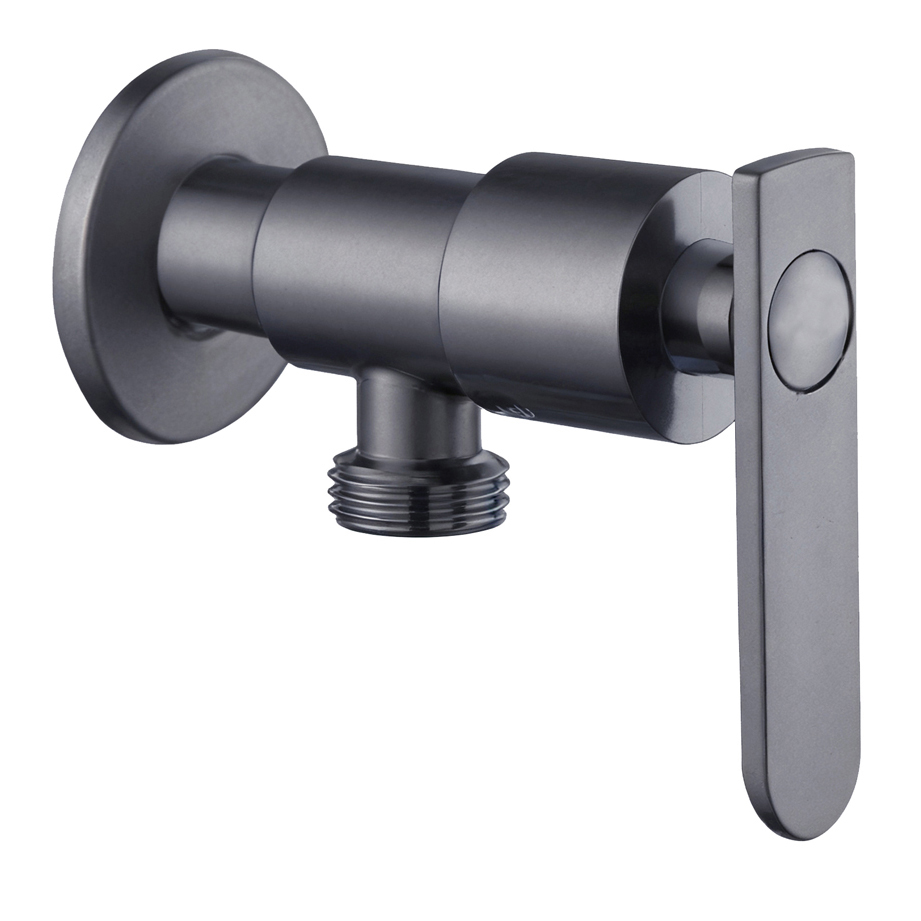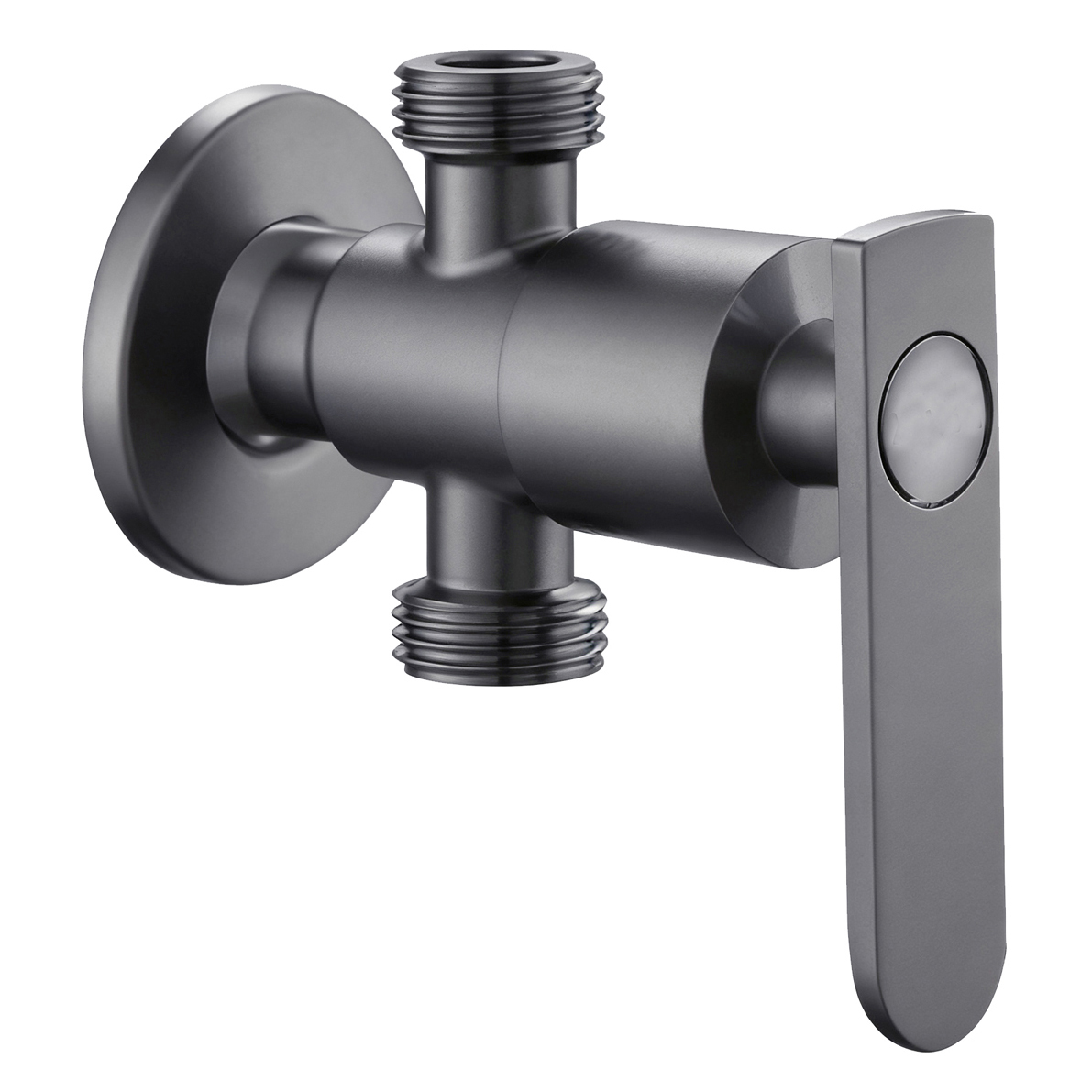




Two faucet connections can both be marked “3/4 inch” and still fail to connect directly.
For a 3/4 Inch Water Tap, the number describes only part of the connection.
Installation also depends on the Thread Standard, thread form, mating connection and sealing method.
Ignoring any of these points can lead to a common problem:
the sizes look the same, but the parts still do not fit on site.
Why Can the Same Inch Size Use Different Connections?
Pipe threads involve more than diameter.
Different systems may use different thread forms, profiles, pitches, tapers and sealing methods.
NPT provides a clear example.
ASME B1.20.1 covers inch-based pipe threads such as NPT, NPSC, NPTR, NPSM and NPSL. It also defines relevant dimensions and inspection requirements.
“NPT” therefore identifies a specific Thread Standard. It is not a general term for every pipe connection that uses inch dimensions.
A “3/4 inch” marking should not automatically be interpreted as “3/4 NPT.”
G Thread and NPT Cannot Be Compared by Size Alone
G Thread and NPT belong to different thread systems.
Even if both connection names contain the same 1/2 or 3/4 size, this does not mean they are directly interchangeable.
ISO 228-1 defines G-series pipe threads as parallel threads.
The standard also states that these threads do not create pressure-tight joints through the threads themselves. When a pressure-tight joint is required, sealing relies on an appropriate sealing surface and seal outside the thread.
This differs from the structure and connection logic of NPT.
For this reason, a specification that only states:
3/4 inch connection
may still be incomplete.
A more useful specification should include:
3/4 inch + Thread Standard + Male/Female + Sealing Method
This gives the installer enough information to determine whether the connection is actually compatible.
A 3/4 Inch Water Tap Also Needs the Mating Connection Confirmed
For a 3/4 Inch Water Tap или 3/4 inch hose bib, it is also necessary to confirm what the faucet will connect to.
Wall piping, garden hoses, adapters and other fittings may use different connection systems.
Therefore:
“The Water Tap is 3/4 inch” + “The site connection is also 3/4 inch”
still does not complete the compatibility check.
A better method is to compare both sides of the connection:
Tap-side standard and size → mating-side standard and size → Male/Female → sealing method
If the two sides do not match directly, the next step is to determine whether a suitable Adapter is required.
The same “3/4” marking should never be treated as automatic proof of compatibility.
Connection Size Is Not Always the Same as Thread Size
Faucet connections do not rely only on threads.
Actual products may also use hoses, quick connectors, adapters or other connection structures.
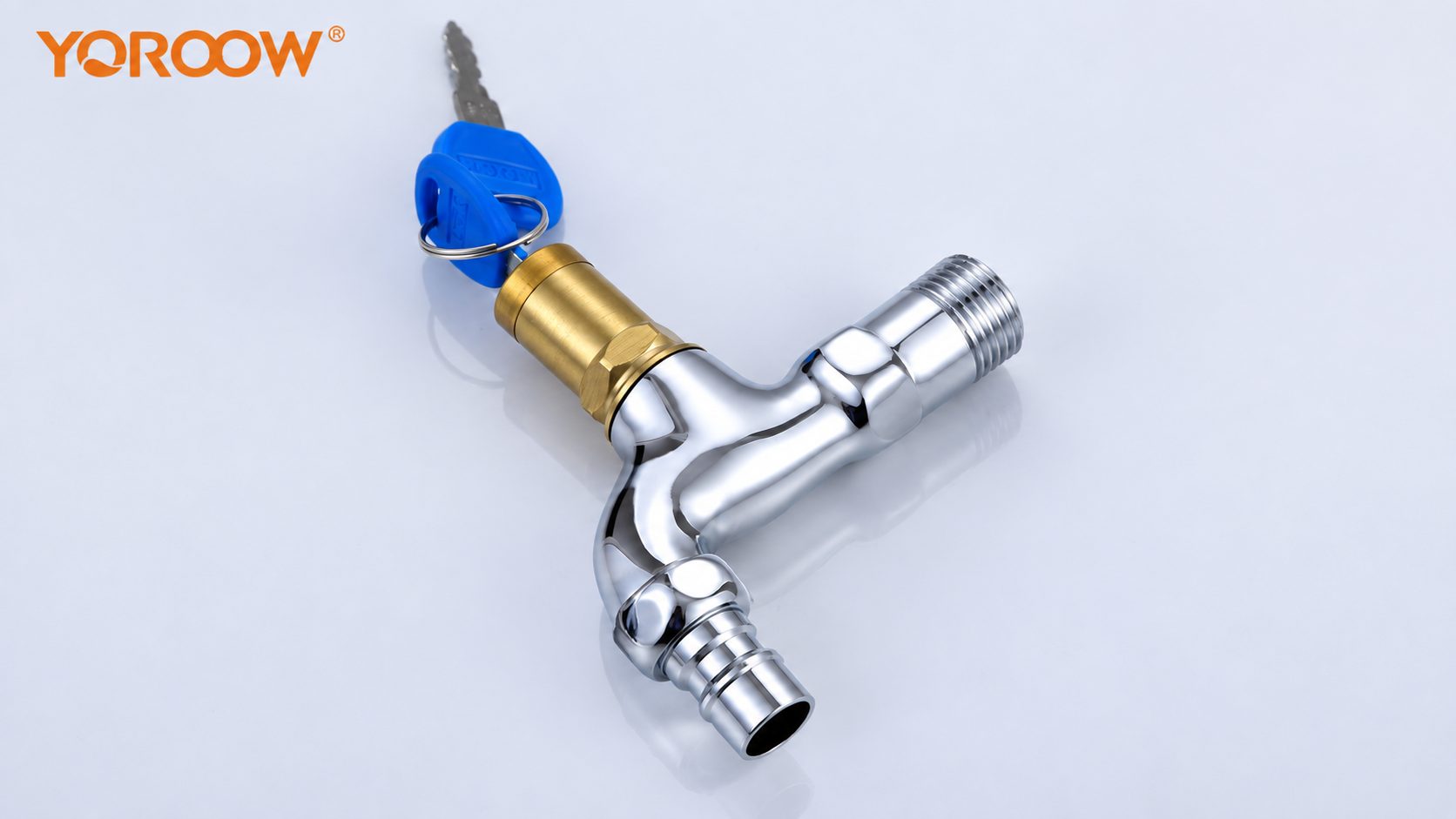
For a product such as water tap garden 3/4, the final connection configuration depends on the installation environment and what the faucet needs to connect to.
During product selection or OEM/ODM development, simply confirming “3/4 inch” is usually not enough.
More complete information should include:
Connection Standard + Nominal Size + Male/Female Type + Sealing Method + Actual Mating Connection
If the same Water Tap enters markets that use different piping systems, the Connection Specification may also need to change.
These differences are better reflected directly in product specifications, SKU information or packaging instead of being solved at the installation stage with temporary adapters.
Connection Specifications Should Be Confirmed During Product Selection
Thread Connection is rarely the most visible feature of a faucet, but it can directly determine whether installation succeeds.
The key point in Faucet Thread selection is not to group G3/4, 3/4 NPT or other specifications under one general “3/4 inch” label.
The same Inch Size only tells part of the story.
True compatibility depends on the Thread Standard, nominal size, connection type, sealing method and the actual mating connection.
For a 3/4 Inch Water Tap, these details matter far more than the “3/4” marking alone.