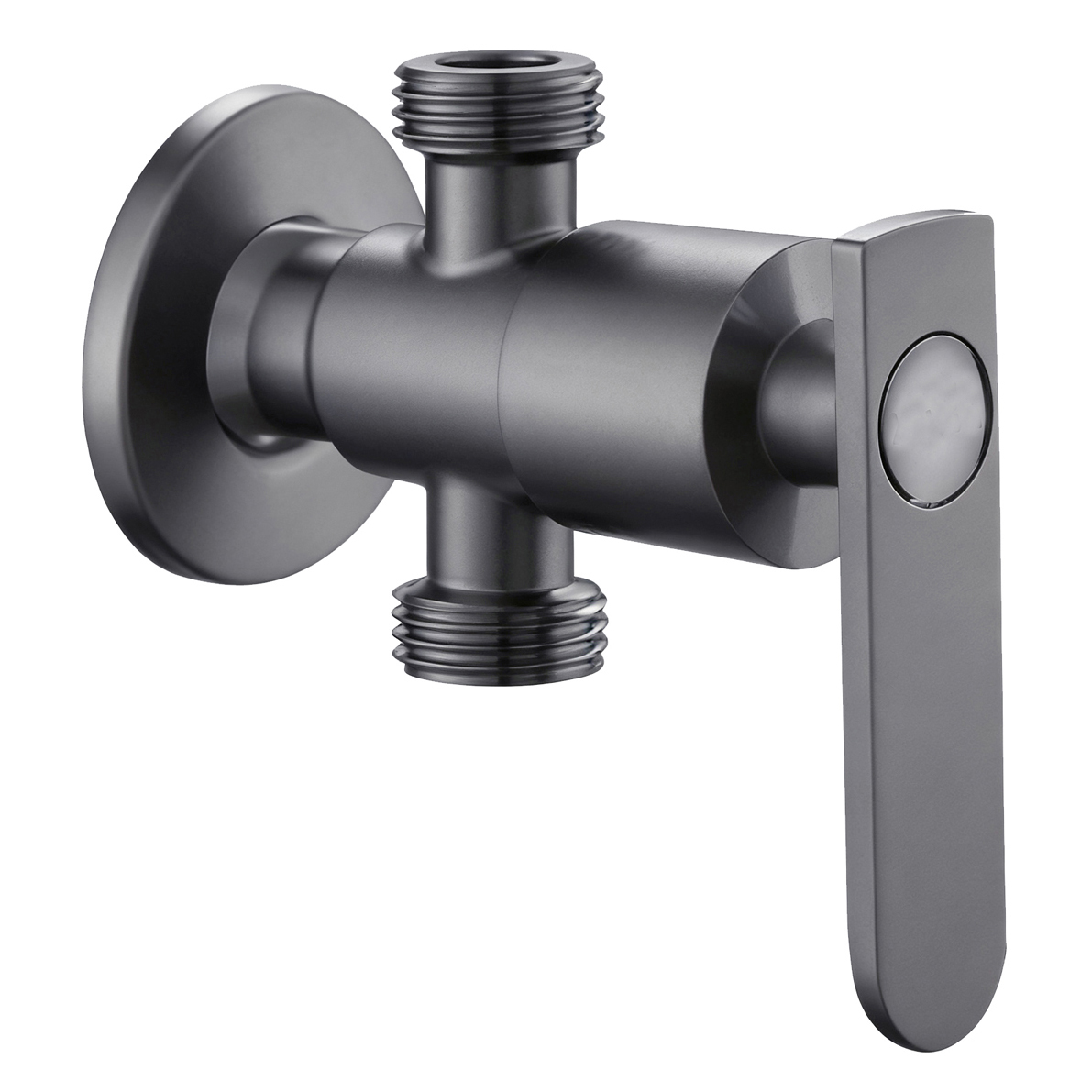




Adding a hand shower to a basin faucet can easily look like a simple functional upgrade.
However, project supply requires a different way of thinking.
When a Basin Faucet with Hand Shower goes into hotels, apartments, or commercial bathrooms, buyers need to ask more than whether the extra function looks useful.
They first need to know what task the hand shower will perform.
They also need to understand the installation and maintenance requirements that come with it.
Start With the Task the Hand Shower Needs to Perform
A hand shower can extend the usable range beyond a fixed faucet outlet.
In some bathroom layouts, this creates real value.
However, every additional function also adds more components and connection points.
A basin faucet with hand shower may include a diverter, hose, handheld spray head, bracket, and extra fittings.
Project buyers should therefore look beyond the presence of the hand shower itself.
They need to check whether the installation has enough space.
They should also confirm how the hose will run and where users will store the spray head.
Future replacement needs matter too.
Some components may require separate replacement during the product life cycle.
A Basin Faucet with Hand Shower should not become a complete product combination simply by adding a spray head to a normal basin faucet.
The installation drawing should clearly show the fixed outlet, handheld outlet, and switching control.
It should also show the storage position of the hand shower.
Buyers need to know whether that position takes up useful basin or countertop space.
The packing list should identify every key component.
This may include the hose, bracket, seals, and diverter parts.
It should also make clear which components come with the faucet.
During a trial sales period, retailers can separate different after-sales issues.
For example, they can track installation problems, incorrect function switching, and hose leakage as different categories.
Combining all these problems into one return rate hides the real cause.
Without that detail, it becomes difficult to decide whether the product structure needs improvement or the instructions need revision.
If the project has no clear need for handheld rinsing, the added parts may only increase installation and service complexity.
Projects Also Need to Check Local Backflow Requirements
A hand shower uses a flexible hose and a movable water outlet.
Because of this, some markets may apply specific backflow prevention or installation requirements.
For example, ASSE 1001 covers pipe-applied atmospheric type vacuum breakers connected to potable water supplies.
These devices help prevent backflow caused by backsiphonage.
However, this does not mean that every basin faucet with hand shower automatically falls under the same requirement.
Buyers still need to check the product structure, installation method, and local regulations in the target market.
The same principle applies to after-sales service.
If a leak appears, photos can help identify the source before anyone removes the entire faucet.
The problem may come from the hand-shower hose connection.
It may come from the fixed outlet.
It may also come from the diverter.
Separating these fault points can make service more efficient.
It can also help retailers control unnecessary returns.
For project supply, “with hand shower” should never mean “suitable for every bathroom.”
The project should start with the actual use requirement.
Then buyers can check the product structure, installation conditions, and local requirements.
Only after these checks can they decide whether the added function creates useful value or unnecessary service work.
For project procurement, the best configuration is not always the one with the most functions.
A better choice is one where every added function has a clear purpose.
The project should also be able to manage the installation and maintenance work that comes with it.