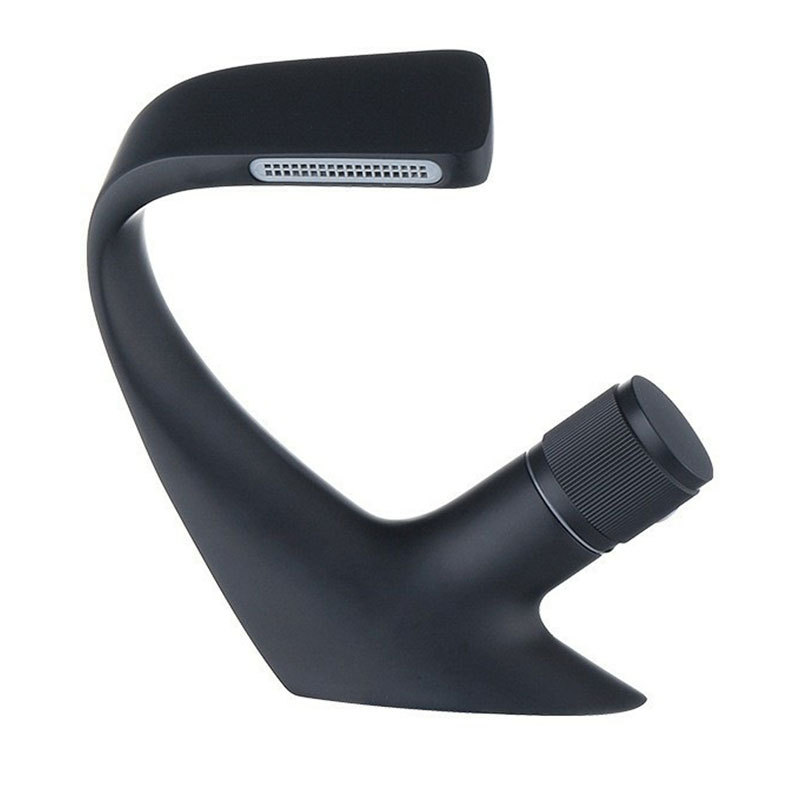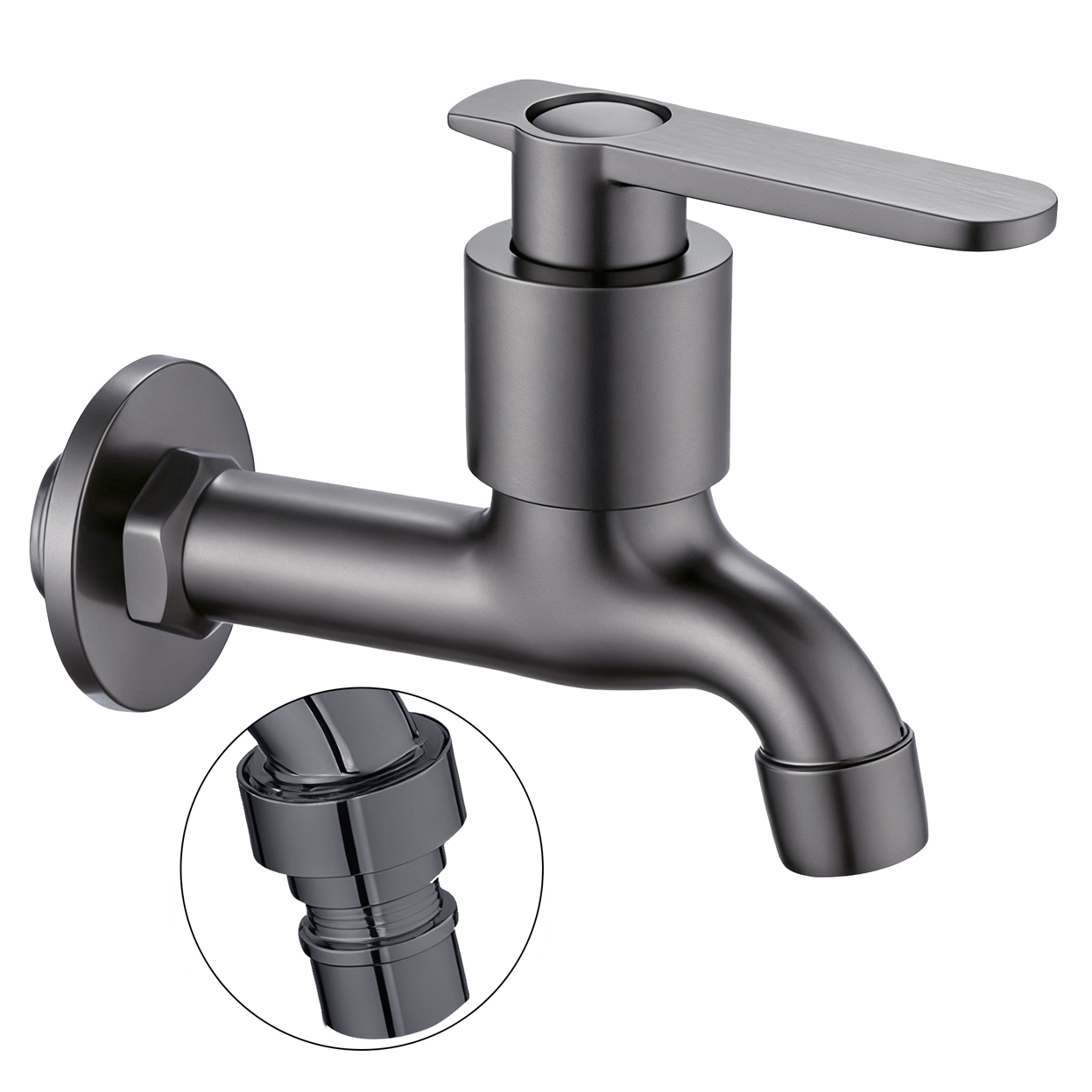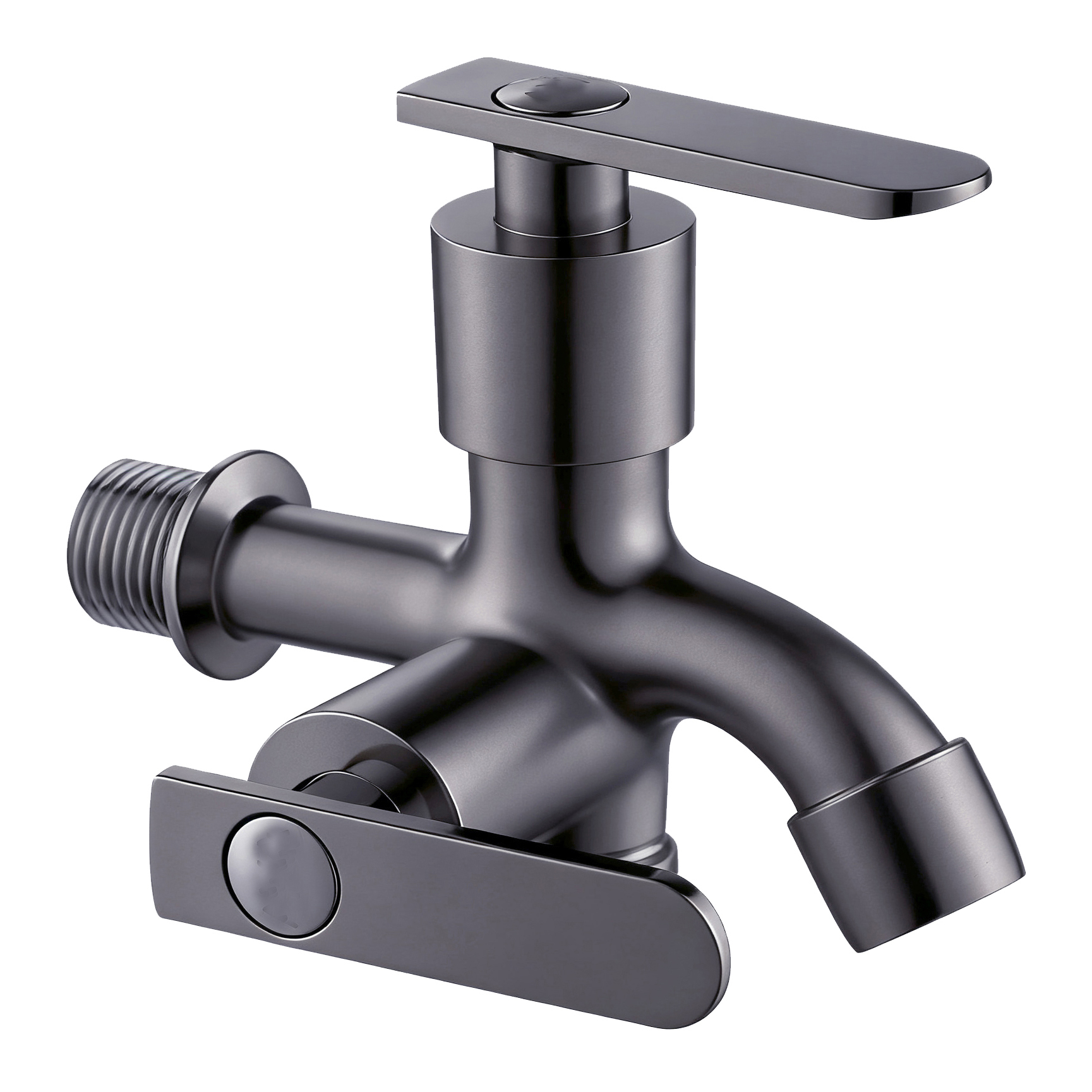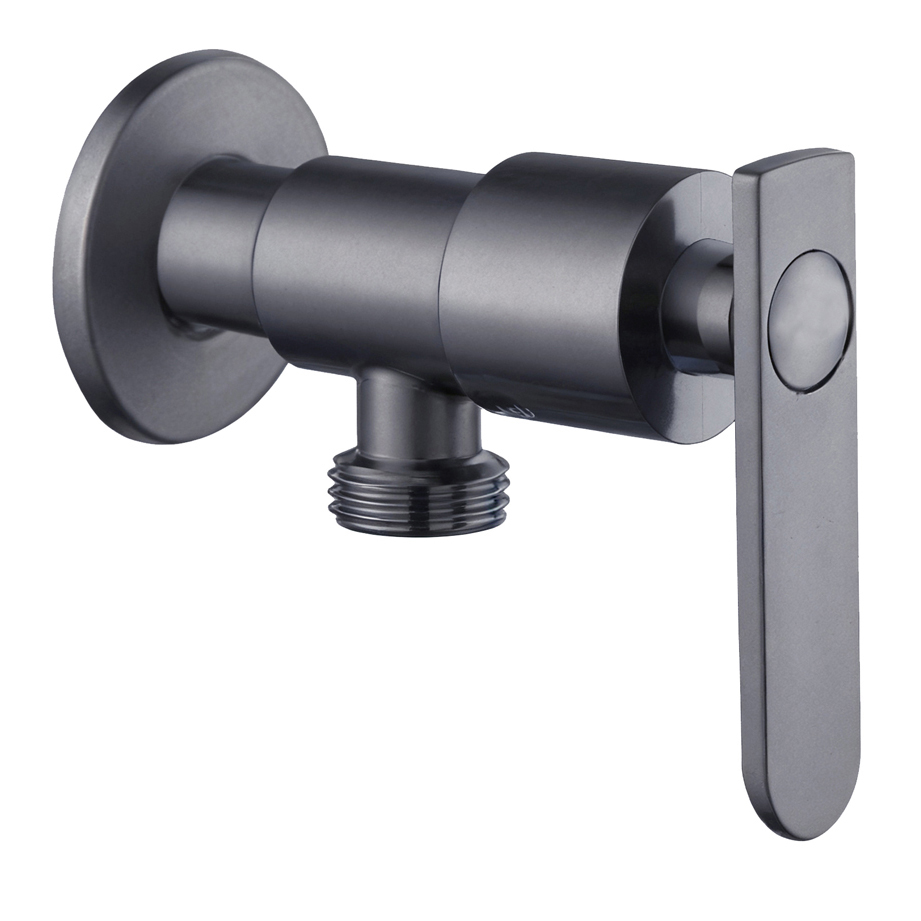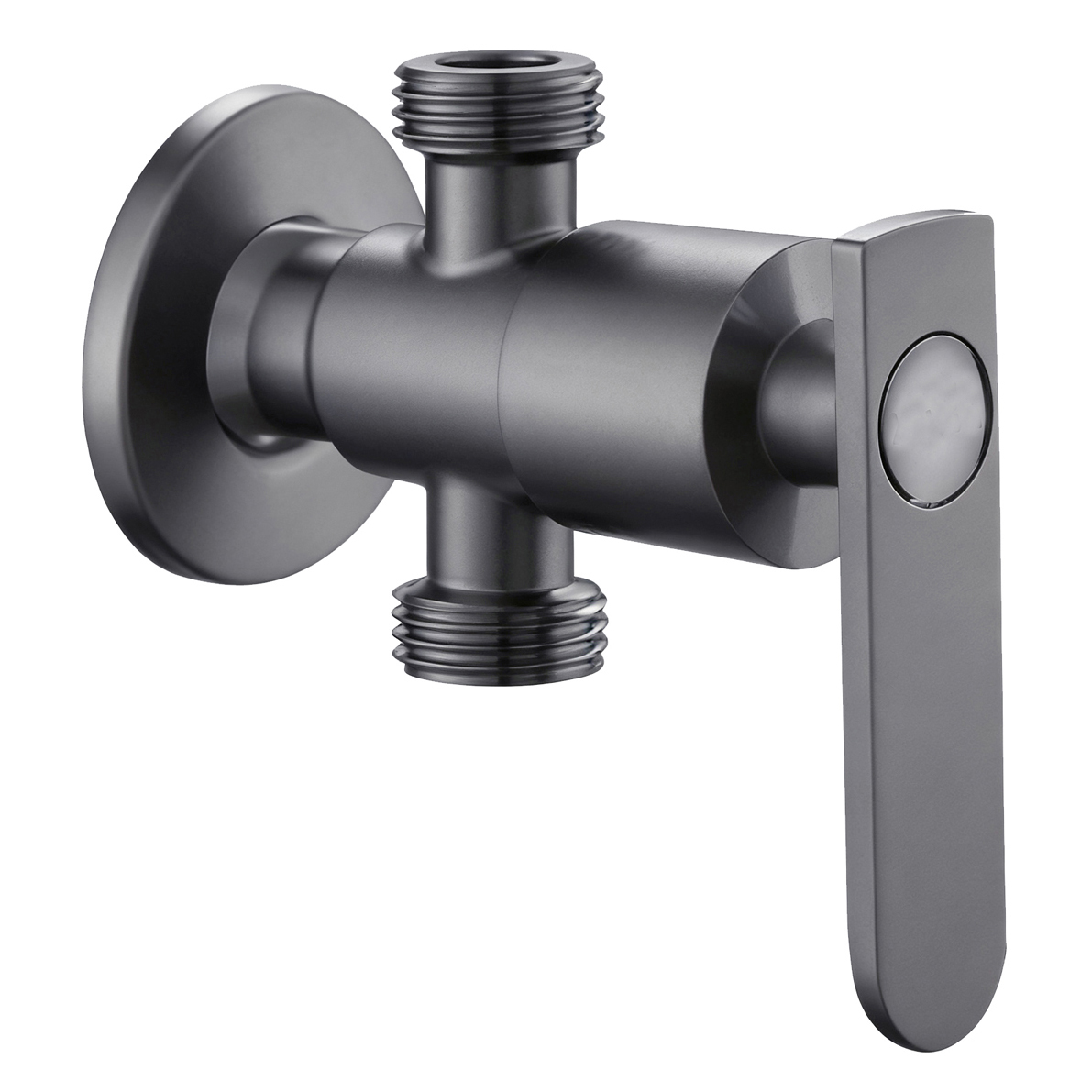




In a bathroom showroom, Brushed Gold naturally attracts more attention than common finishes such as Chrome or Black.
However, when a Brushed Gold Basin Faucet sits in a higher price range, color alone cannot explain the whole product.
Physical retail displays can give premium products more space to show details that packaging images often miss.
These details include the real Finish, product proportions, material, structure, configuration, and differences between similar SKUs.
Premium Products Need to Turn Visual Differences Into Product Information
Brushed Gold is first of all a visible Finish.
When shoppers move closer, they can see the brushed texture and level of reflection.
They can also judge how the finish looks beside a basin, countertop, or matching bathroom hardware.
This is where a physical sample provides more value than a printed color block.
However, if the product information stops there, the premium position still depends mainly on color.
Material, structure, and configuration need their own explanations for each SKU.
What material does the faucet body actually use?
Which main components come with the product?
What installation dimensions does the model require?
The answers should come from verified product specifications.
Even if a keyword includes terms such as “luxury” or “brass,” those search terms cannot replace the actual product data.
Not all this information needs to appear on the front of the packaging.
Shelf labels, physical displays, and detailed product pages can each carry a different level of information.
Shoppers can first see the product and then check more details when they need them.

Use 7117B5 to Connect the Product, Packaging, and Specifications
A Brushed Gold Basin Faucet often sits in a higher price range.
In this case, a clear dimension drawing may provide more value than another description of “luxury.”
Tall and standard-height faucets create different installation conditions.
Vessel basins and other basin types also change the required outlet height and water landing position.
One “premium gold” label cannot explain these structural differences.
Retailers can provide measurable guidance for suitable basin configurations.
Customers should still confirm the final fit with the actual basin dimensions.
Finish samples can also appear beside matching drains and angle valves under the same lighting.
The reason for a higher price should come from visible configurations and verifiable product details.
Marketing adjectives should not create that explanation on their own.
Take YOROOW 7117B5 as an example.
When 7117B5 enters a physical retail store as a specific SKU, the same model number can appear on the shelf label, packaging, and detailed product information.
This becomes useful when one product family includes several finishes or models with similar appearances.
The model number reduces confusion that can happen when shoppers rely only on color or product names.
After seeing the physical 7117B5 on the shelf, shoppers can use the same model number to check its material, dimensions, Finish, structure, and configuration.
Stores can also use the same SKU for replenishment, packaging identification, and future product inquiries.
This gives premium positioning a more practical basis.
“Premium” no longer needs to remain only a display label.
The information can return to the actual product.
If 7117B5 has a verified feature, the store can show it.
If product documentation does not confirm a material, process, or configuration, the store should not add that claim simply because the faucet