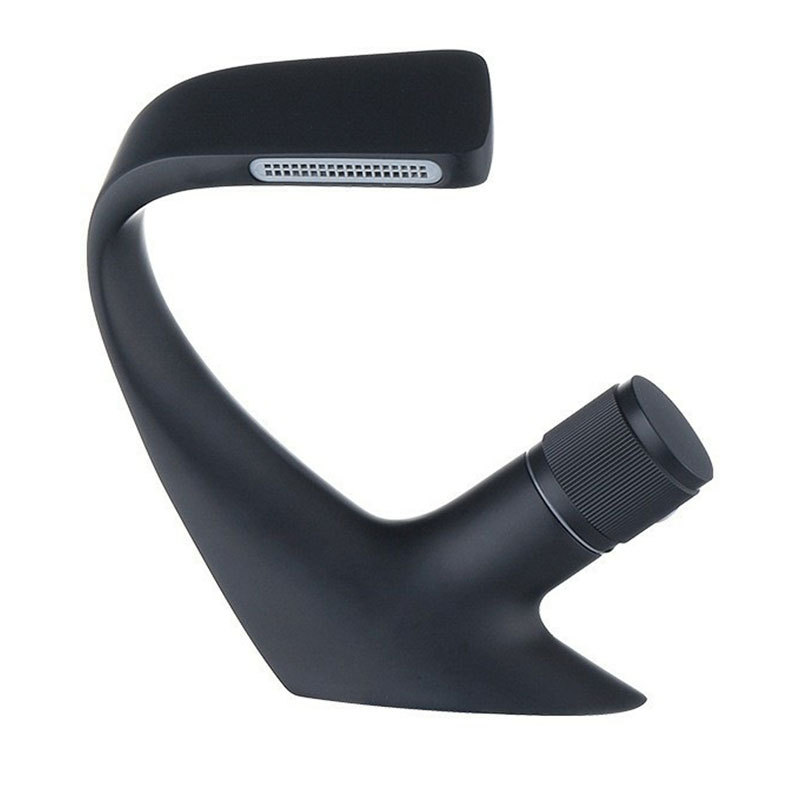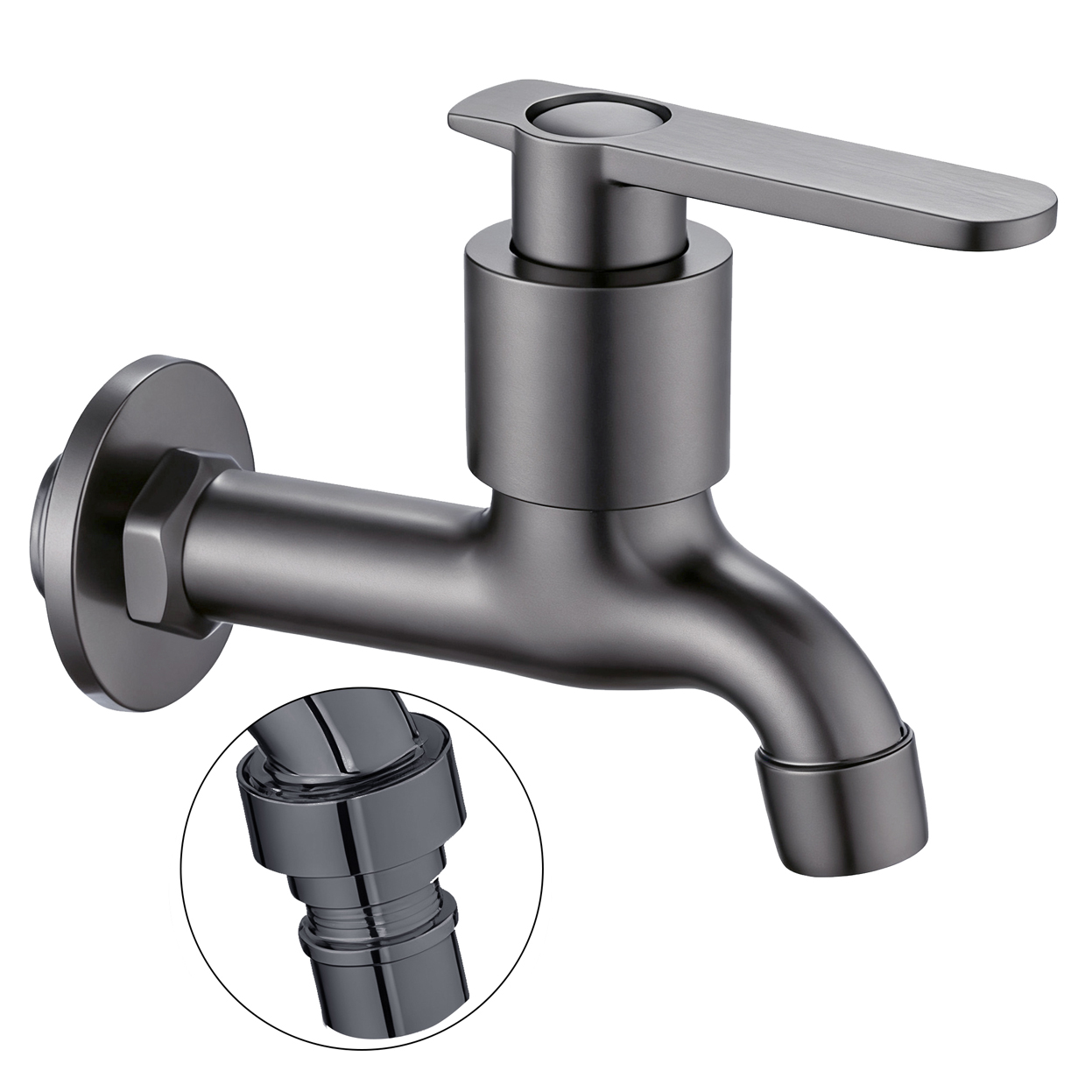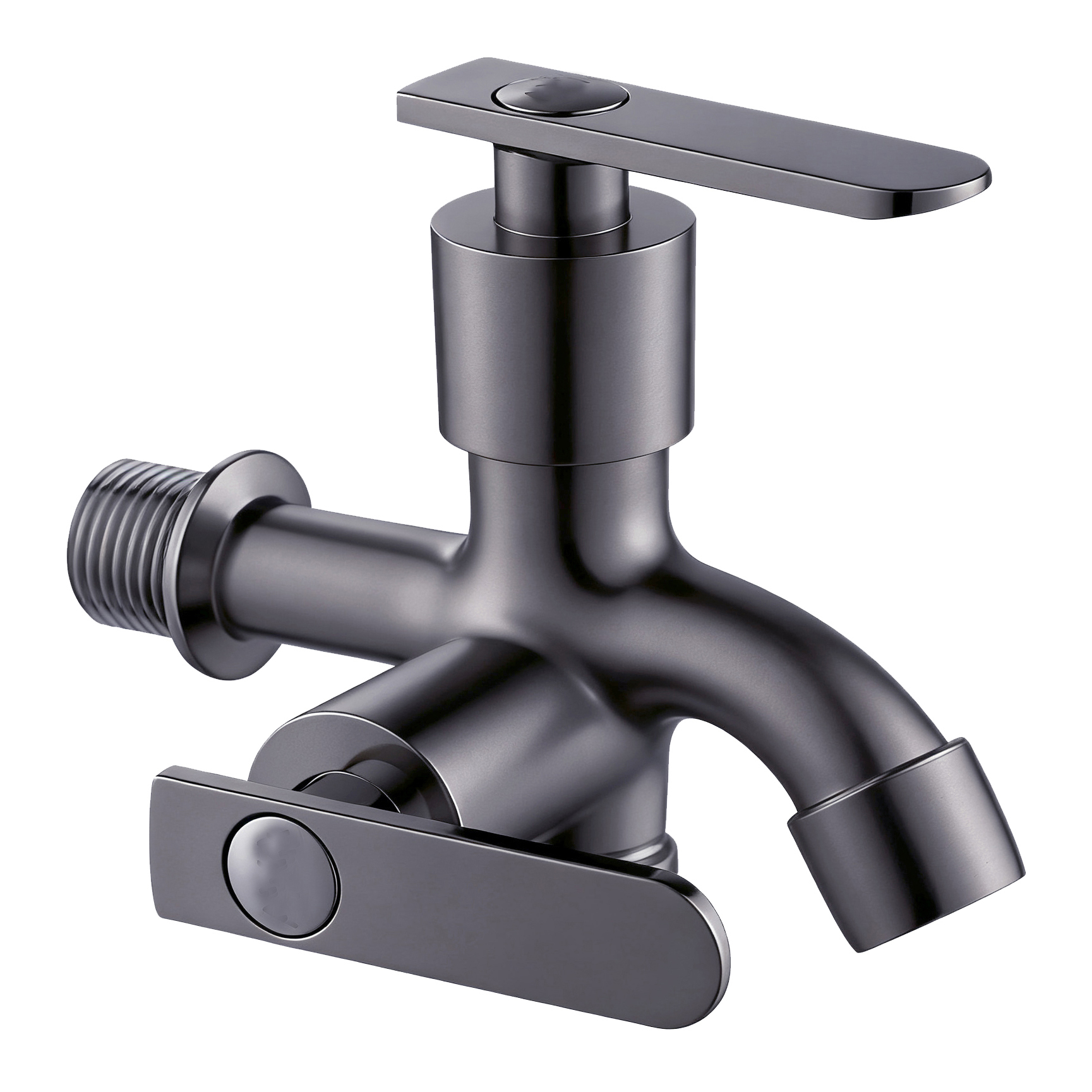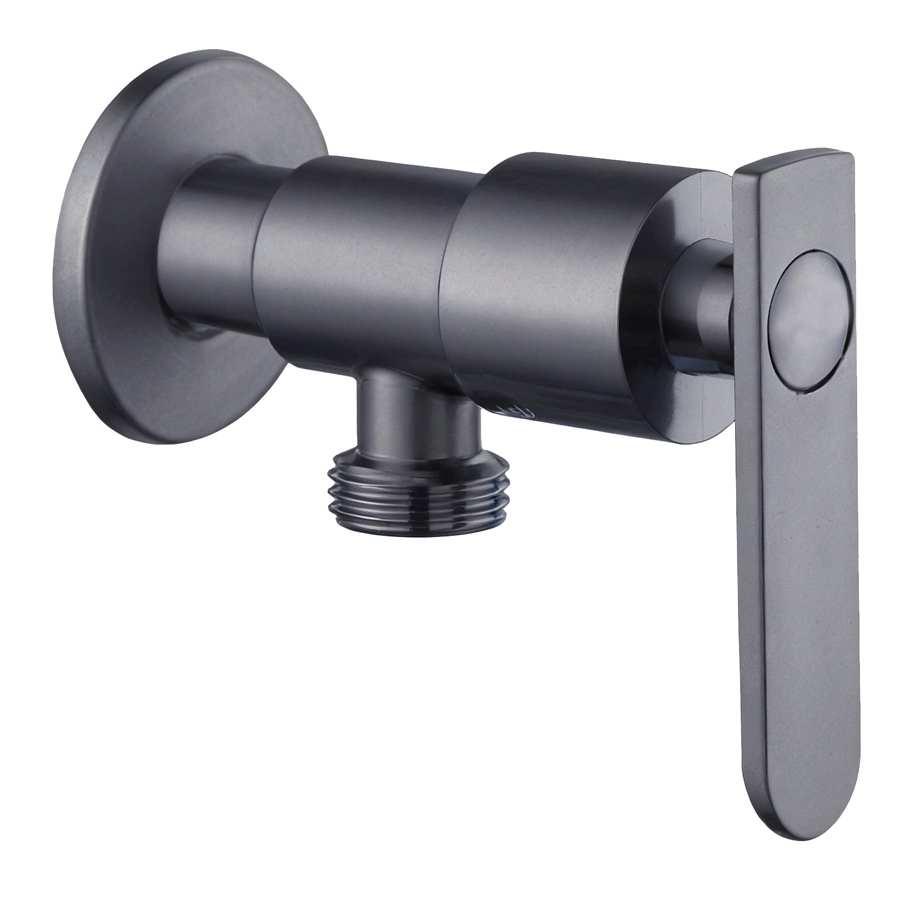



In public restrooms, push button flush valves and foot operated flush valves are two common types of manual flushing devices. Both activate flushing through mechanical operation, but they differ in how they are operated, the need for hand contact, installation position, and maintenance requirements.
A push button flush valve is activated by pressing a button with the hand, while a foot operated flush valve is activated by stepping on a pedal. Each design is suitable for different operating environments. However, proper flush valve performance also depends on the type of sanitary fixture, connection specifications, and water supply conditions.
Understanding the practical differences between these two types of flush valves can help determine which option is suitable for a public restroom’s usage requirements and installation conditions.
1. How Do Push Button and Foot Operated Flush Valves Work?
Both push button and foot operated flush valves are types of manual flush valves. They use external mechanical operation to initiate flushing, while an internal valve mechanism controls the water flow.
The main difference is how the flushing action is activated.
Push Button Flush Valve: Activated by Hand
A push button flush valve typically features a button or push-operated control. When the user presses the button, the mechanical mechanism activates the valve and allows water to enter the flushing pipe.
The button is usually positioned within easy reach of the user’s hand. Its installation should consider button height, operating direction, and surrounding clearance.
Foot Operated Flush Valve: Activated by a Pedal
A foot operated flush valve uses a pedal that activates the flushing mechanism when pressed with the foot.
This design allows users to flush without directly touching the valve with their hands. The pedal must be installed in a position that is easy to reach with the foot, with sufficient space for comfortable operation.
It is important to note that push button and foot operated describe how a flush valve is activated. Whether the valve closes automatically, includes a time-delay function, or provides a particular flushing duration depends on the internal control mechanism of the specific product.
2. What Are the Practical Differences Between Push Button and Foot Operated Flush Valves?
The differences between these two flush valve designs mainly involve contact methods, installation space, and maintenance components.
| Comparison | Push Button Flush Valve | Foot Operated Flush Valve |
|---|---|---|
| Operating method | Pressing a button by hand | Stepping on a pedal |
| Hand contact | Usually requires touching the button | No hand contact with the valve during operation |
| Operating position | Within convenient hand reach | Within convenient foot reach |
| Space requirements | Button height and operating clearance | Pedal position and foot movement space |
| Maintenance focus | Button and moving mechanism | Pedal and transmission mechanism |
Different Contact Methods
A push button flush valve is operated by hand, allowing users to activate flushing directly by pressing the button.
A foot operated flush valve uses foot activation, reducing the need for users to touch a shared flush button with their hands.
For public restrooms where reducing hand contact is a consideration, foot operated valves provide an alternative. However, differences in contact methods do not automatically indicate better overall hygiene. Both types still require regular cleaning.
Different Installation Positions and Operating Space
A push button flush valve must have its button installed in an accessible position. Surrounding fixtures should also be considered to ensure they do not interfere with hand operation.
A foot operated flush valve requires attention to the pedal’s position relative to the floor and sanitary fixture, ensuring that users can step on it without difficulty.
Therefore, even though both types can perform the same basic flushing function, their suitability depends on the restroom’s layout and available installation space.
Different Maintenance Components
For push button flush valves, maintenance mainly involves checking whether the button and related moving mechanisms operate correctly.
For foot operated flush valves, attention should be given to the pedal, connecting components, and transmission mechanism. These parts should be checked for looseness, sticking, or difficulty during operation.
The maintenance focus differs between the two designs, although specific requirements still depend on product structure and frequency of use.
3. How Do You Choose a Flush Valve for Different Public Restroom Environments?
Neither push button nor foot operated flush valves are universally better. The appropriate choice depends on how the restroom is used, its layout, and the needs of its users.
General Public Restrooms
In public restrooms in office buildings, shopping malls, and similar facilities, a push button flush valve can provide a straightforward operating method when the button can be installed within convenient reach.
When replacing an existing flush valve, the original pipe position and sanitary fixture structure must also be considered.
If the existing installation is suitable for a push button model, the connection specifications and installation dimensions of the corresponding replacement valve can be checked first.
Restrooms Where Reduced Hand Contact Is Preferred
A foot operated flush valve may be considered in restrooms where reducing users’ hand contact with shared controls is desirable.
Users can activate flushing by stepping on the pedal without directly touching a button.
However, foot operated valves require an appropriate pedal position. If the restroom is narrow or the pedal may be obstructed by sanitary fixtures or other equipment, the installation conditions need further evaluation.
Restrooms with Accessibility Requirements
In restrooms with accessibility requirements, the flush valve’s operating method must account for the abilities of different users.
Some people with limited mobility may find foot-operated controls difficult to use. Push button models also require consideration of button height, reach range, and operating force.
Therefore, these facilities should follow applicable local accessibility regulations when determining control positions and operating requirements. Whether a specific product meets those requirements must be verified through its technical documentation.
4. What Product Specifications Should You Check When Selecting a Flush Valve?
After deciding between a push button and foot operated design, the next step is to confirm whether the product is compatible with the sanitary fixture and water supply system.
ЙОРОУ Ручной клапан смыва для туалета product category includes both push button and foot operated models. The specific specifications and application conditions of each model should be confirmed through its product documentation.
Sanitary Fixture Type and Connection Specifications
Toilets, squat toilets, and other sanitary fixtures may use different flushing connection structures.
When selecting a flush valve, confirm the compatible fixture type, inlet and outlet connection dimensions, thread specifications, and installation method.
For replacement installations, the position of the existing pipework should also be checked to ensure the new valve body is compatible with the sanitary fixture and connecting components.
Closing Mechanism and Flush Control
The operating method and closing mechanism of a flush valve are two separate considerations.
Some products can close automatically through an internal mechanism after being activated by pressing a button or stepping on a pedal. Different models may also use different flushing control methods.
If the installation requires automatic closing, a time-delay function, or a specific flushing duration, confirm that the selected product provides the required features.
Working Water Pressure and Flushing Requirements
The actual performance of a flush valve depends on water supply pressure, internal valve structure, and the flushing requirements of the sanitary fixture.
When selecting a model, confirm its specified working water pressure range and compare it with the site’s water supply conditions.
For sanitary fixtures requiring a particular flushing flow rate or flush volume, compatibility should also be checked against the product’s technical specifications.
Even when a flush valve has the correct operating method and connection dimensions, unsuitable water supply conditions may affect its actual flushing performance.
Valve Body Material and Installation Structure
The valve body material, overall dimensions, and installation method should also be considered.
For example, some YOROOW manual flush valves feature brass valve bodies with chrome-plated finishes.
When selecting a product, its material specifications, structural dimensions, and installation requirements can be reviewed to determine whether it is suitable for the intended environment.
Conclusion: Choose Flush Valves Based on Operating Conditions and Product Specifications
The main difference between push button and foot operated flush valves is how they are activated. Push button models use a hand-operated button, while foot operated models use a pedal.
Each design has different characteristics regarding hand contact, installation space, and maintenance components. Push button flush valves are suitable where buttons can be positioned within easy reach, while foot operated flush valves offer an alternative for locations where reduced hand contact is preferred.
After selecting the operating method, it is still necessary to confirm the sanitary fixture type, connection specifications, closing mechanism, and water supply conditions.
A flush valve can meet its intended usage requirements only when its operating method is compatible with the actual installation and operating conditions.