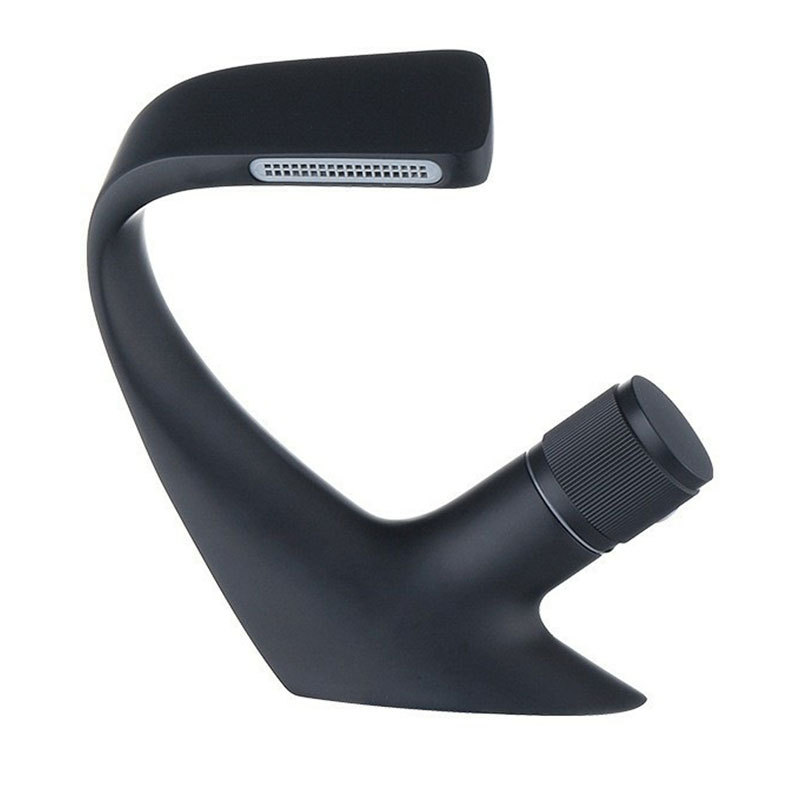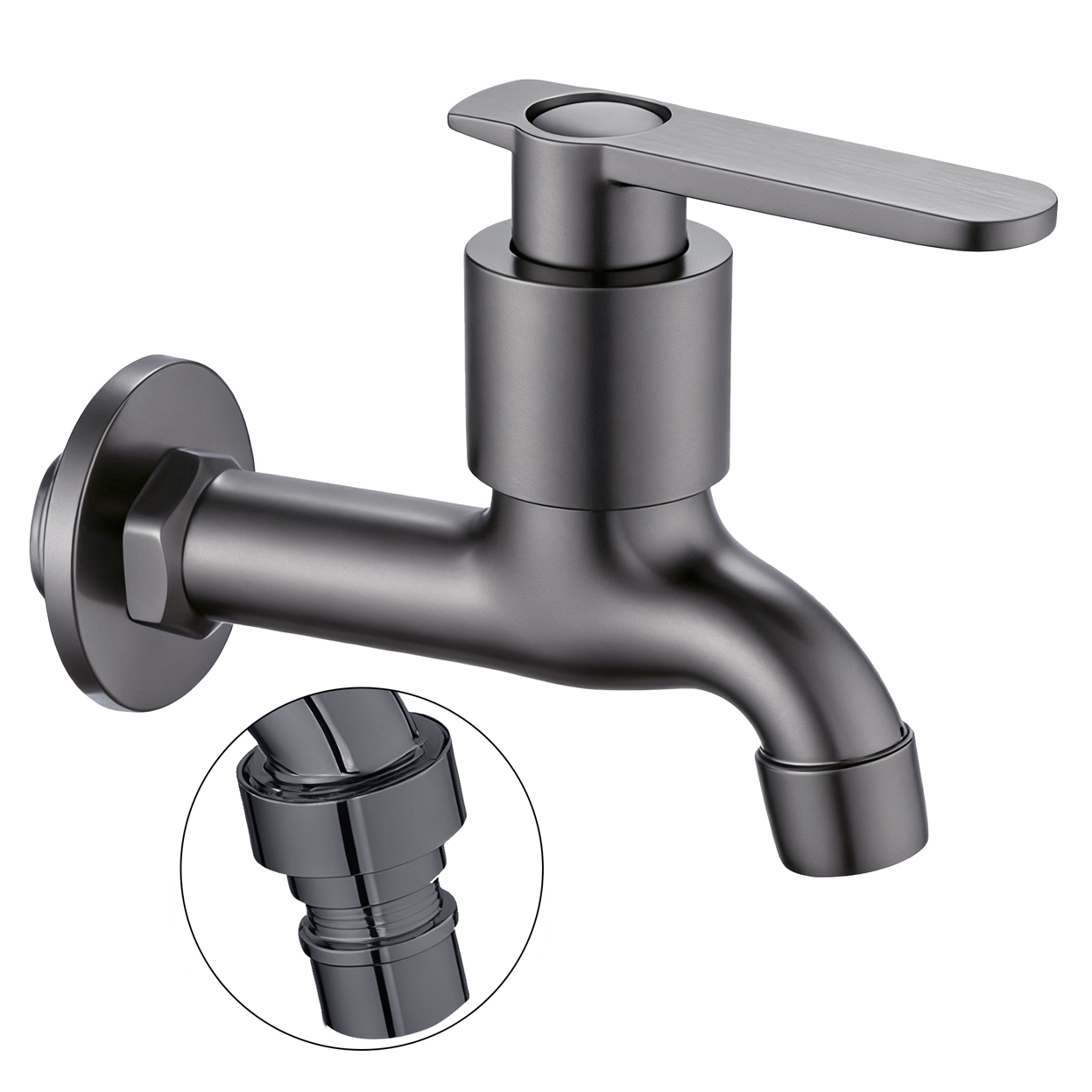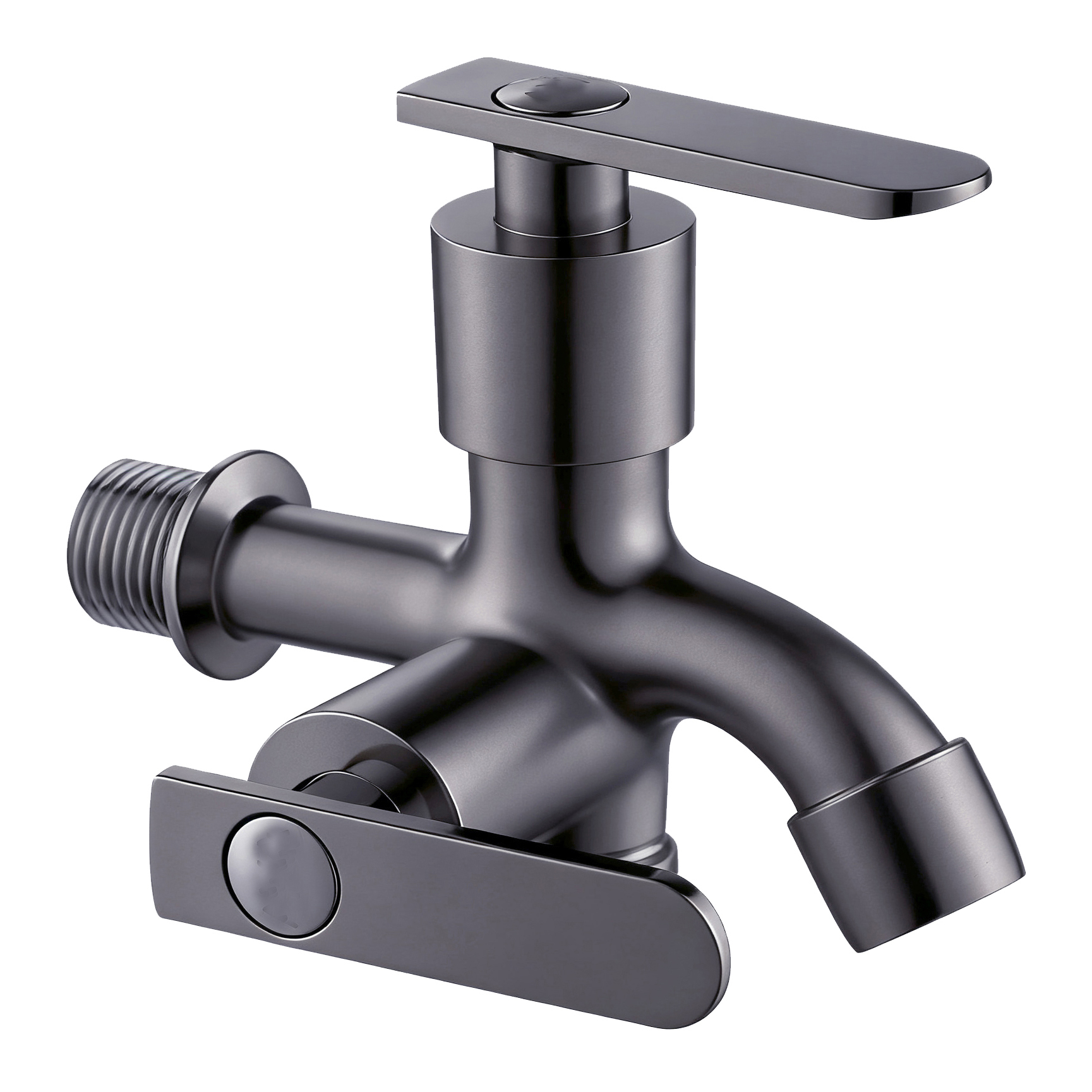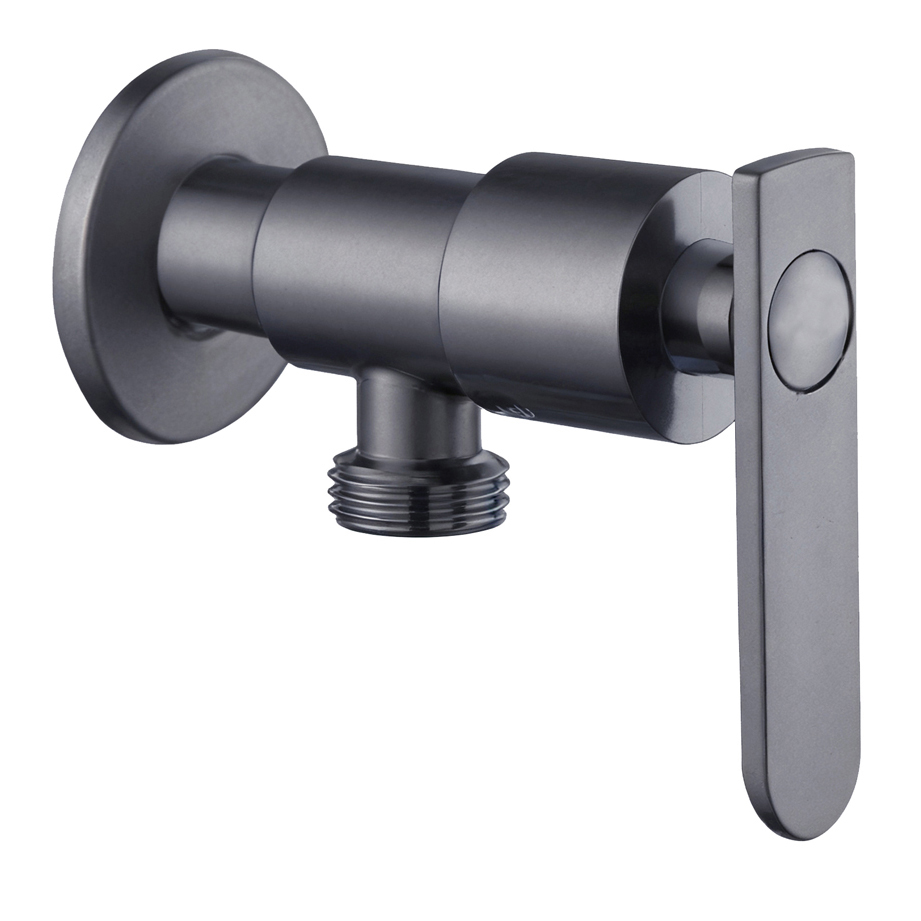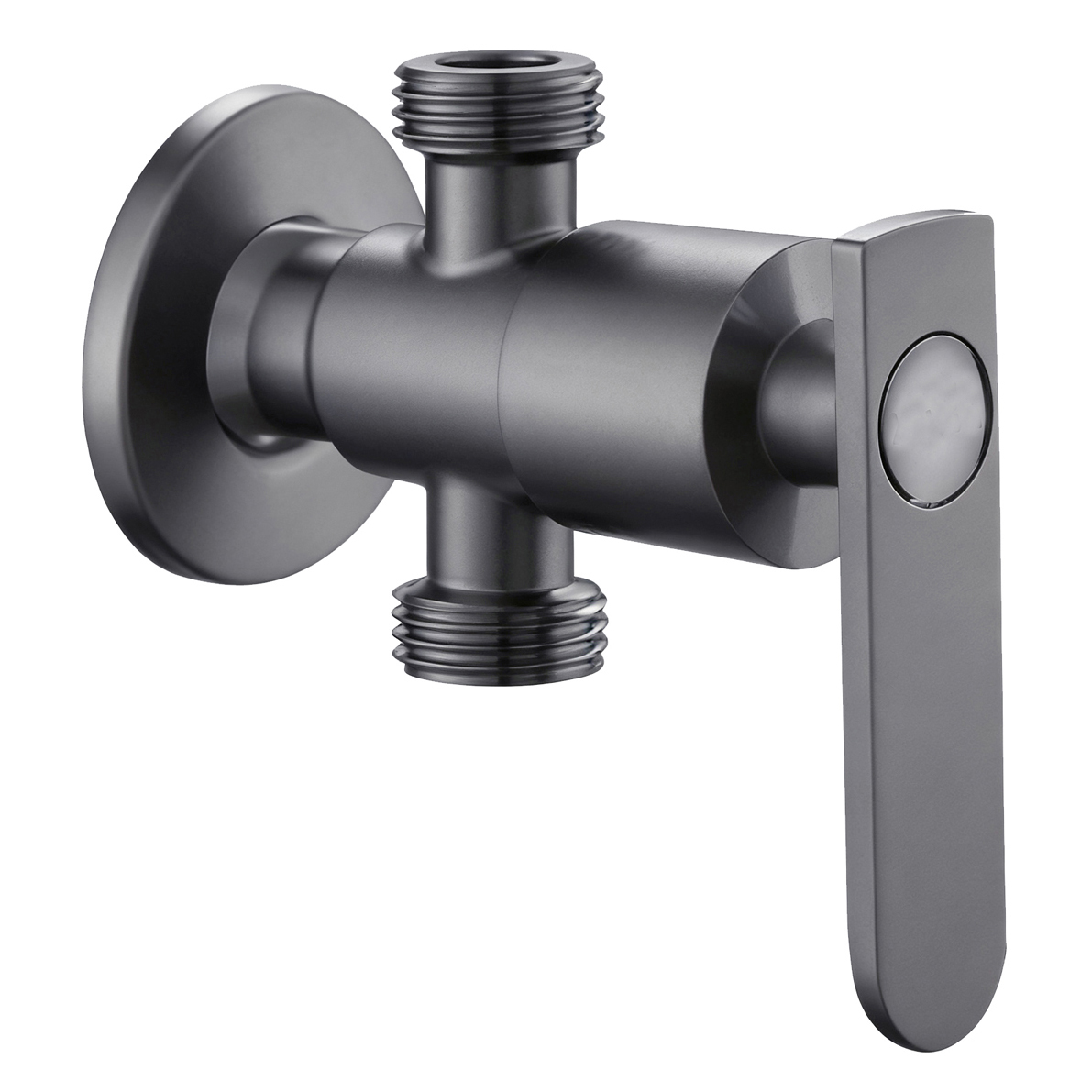




“Basin Faucet” works well as a general retail category.
However, this label alone does not provide enough information for beauty salons, hair salons, and washing stations.
Buyers need to ask another question:
Can the faucet support the actual workflow of washing, rinsing, cleaning, and frequent daily operation?
This is where a Salon Basin Faucet needs a different selection process from a standard retail basin faucet.
Usage Frequency Changes the Selection Priorities
A household basin faucet usually handles everyday tasks such as handwashing and face washing.
A salon basin tap may support repeated rinsing and cleaning throughout the day.
As usage frequency increases, buyers start to focus on different product details.
Ease of operation, movement range, and future maintenance become more important.
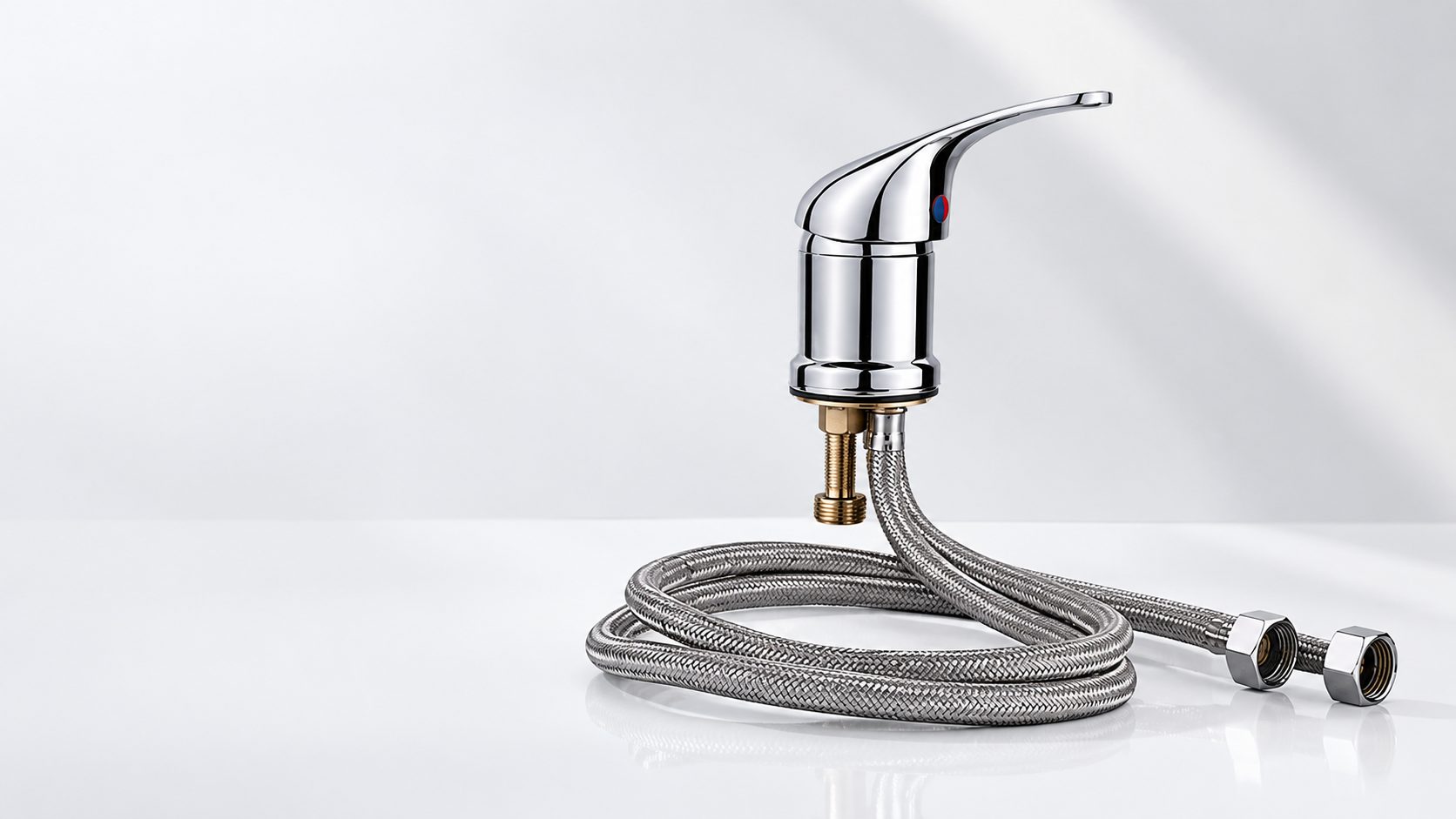
This matters especially for models with hoses and handheld spray heads.
The presence of a spray head alone tells buyers very little.
They also need to know whether the hose can reach the actual working area.
Staff should be able to move the spray head easily during use.
The product should also return to its normal position without creating extra work.
All these details affect the daily experience in a commercial salon.
Different people may evaluate the same Salon Basin Faucet from different perspectives.
The salon owner may care about service efficiency.
The installer will focus on connections and installation space.
The person using the faucet every day will care about comfort and ease of movement.
For this reason, a short video showing continuous operation may provide more value than a vague “professional grade” label.
A dimension drawing can support the video with clear installation information.
If a retailer plans to supply a salon chain, a pilot store can also provide useful operating data.
The team can observe how often staff reposition the spray head.
They can record common gripping positions and situations where the hose experiences repeated pulling.
Any recurring fault type should also enter the review.
These observations can help determine whether the product suits wider rollout.
A single demonstration cannot replace continued use testing.
Retailers can still keep these products under a general “Basin Faucet” category.
However, salon inquiries require another layer of application-based evaluation.
Cleaning Conditions Matter Too
Salons and washing areas do more than use the faucet.
Staff also need to clean the workstation frequently.
If the faucet, hose, or spray head creates hard-to-reach areas, daily cleaning may become more difficult over time.
The relationship between the mounting position and the basin therefore matters.
Buyers should check this before installation rather than discovering limited cleaning space afterward.
Maintenance follows the same logic.
Small commercial salons may not have a dedicated equipment maintenance team.
When a common component fails, the store needs to identify the part quickly.
It also needs access to a suitable replacement.
Easy identification and replacement can affect how quickly the workstation returns to service.
Not every salon water point has the same requirements.
A shampoo basin, handwashing station, and hair-color cleaning area perform different tasks.
The product page should therefore focus on the workstation the faucet actually serves.
A broad “professional salon” label should not cover every possible salon application.
This is why a basin tap for salon needs more than standard retail information.
Retailers do not need to reorganize every product category.
When a professional inquiry appears, they can translate “basin faucet” into a few practical questions.
How often will staff use it?
How much rinsing range does the workstation need?
Does the installation fit the basin?
Can staff clean the surrounding area easily?
How will the store handle future maintenance?
Once the product information answers these questions, it begins to support the commercial application rather than simply describe the faucet itself.