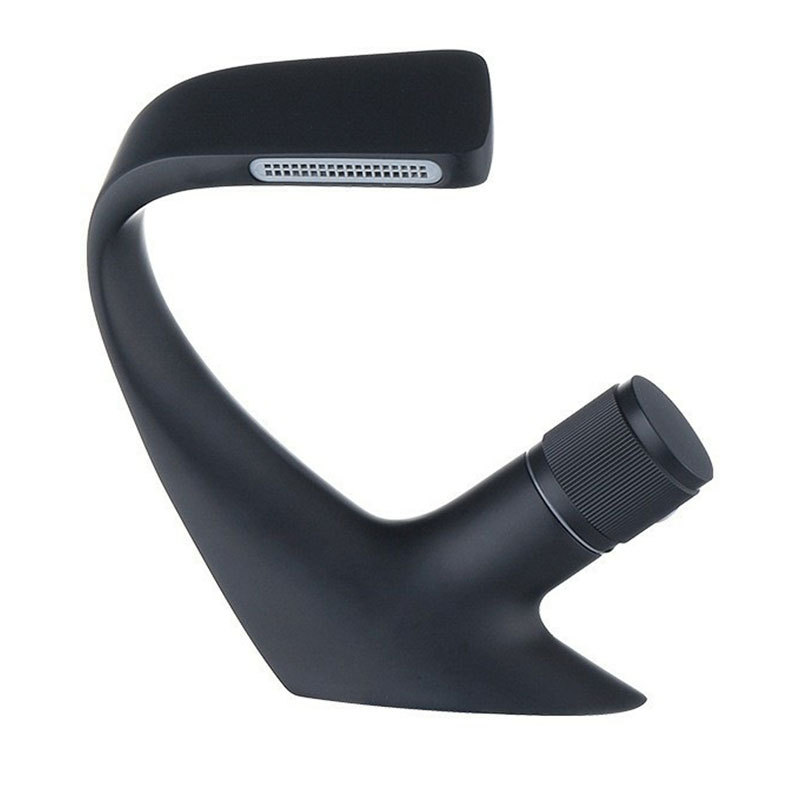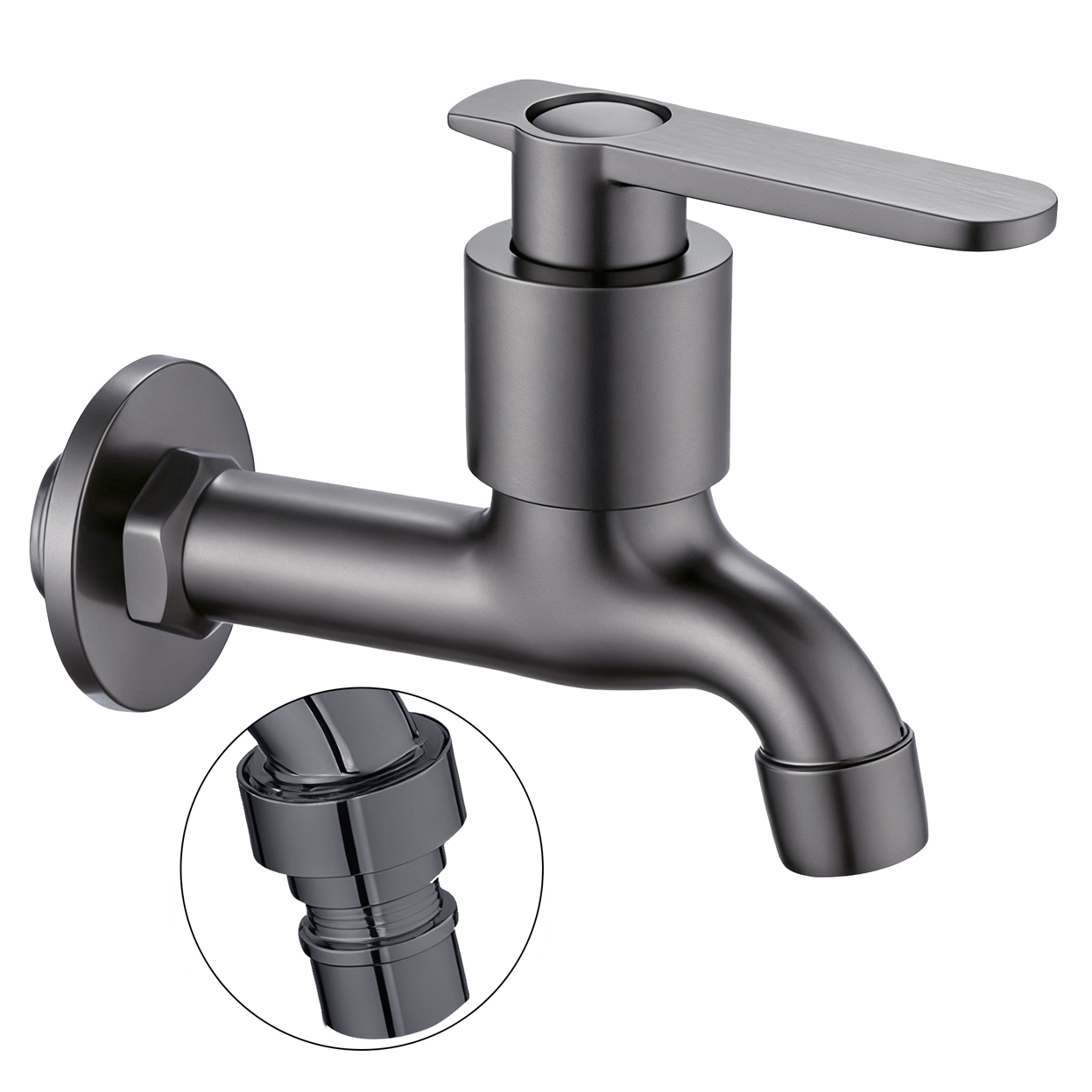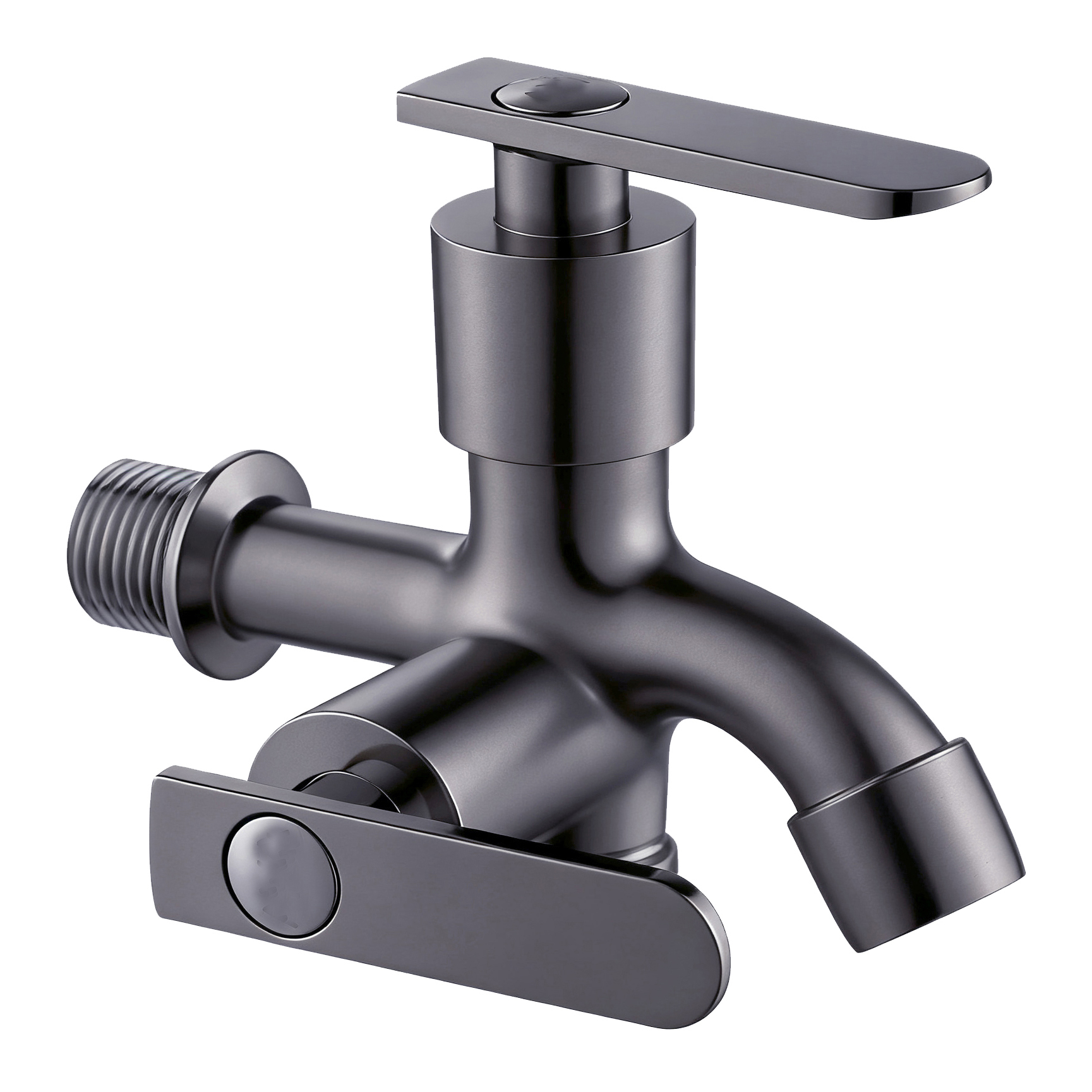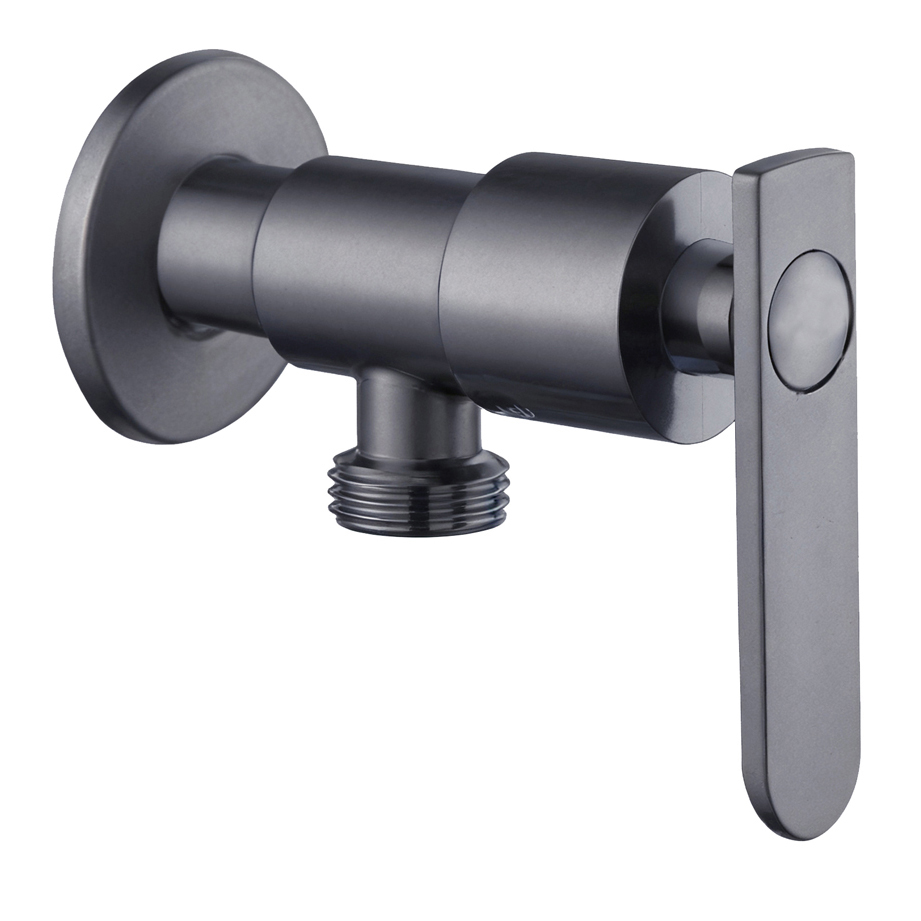




For products in a lower price range, it is easy to focus purchasing decisions mainly on unit price.
Once a Plastic Water Tap becomes a regular retail SKU, however, the question is no longer whether the current batch is cheap enough.
After the first batch sells out, the next batch needs to refill the same shelf position. Other stores may also carry the same SKU.
At this point, changes in material, color, connections, or packaging can make a simple low-cost product much harder to manage.
Why Do Batch Changes Matter for Plastic Products?
Manufacturers commonly produce Plastic Water Taps through injection molding.
Different plastic materials, including ABS and PVC, can have different structural properties and operating conditions.
For this reason, a supplier should not treat different plastics as interchangeable simply because they are all “plastic.”
Color consistency matters too.
If a SKU has been sold in White, Black, or another specific color for a long period, an obvious color shift in a replenishment batch becomes easy to notice when old and new stock appear on the shelf together.
The same issue can occur within one product.
Manufacturers may produce the body, handle, and other molded parts separately. These parts still need to maintain an acceptable color relationship.
For a pvc water tap or another plastic tap, this consistency does not mean turning an entry-level product into a premium one.
It simply helps ensure that the same SKU remains the same product from one replenishment batch to the next.
Connection Changes Can Have a More Direct Impact Than Appearance Changes
A Plastic Water Tap may use a particular material to meet specific cost, weight, or application requirements.
However, “plastic” is not a complete specification for approving a production batch.
Product records can separately identify the body resin, valve components, and seals.
They can also define the intended environment, including possible exposure to sunlight or cleaning chemicals.
Any stated temperature or pressure limits should come from testing of the actual model.
When retailers introduce an entry-level product, its intended application should remain clear.
For example, if a lightweight tap designed only for normal-temperature water is installed on a hot-water line, the resulting return is not simply a price issue.
The product requirements and its operating limits did not match.
Color differences may be visible before purchase.
A connection change may not become obvious until installation.
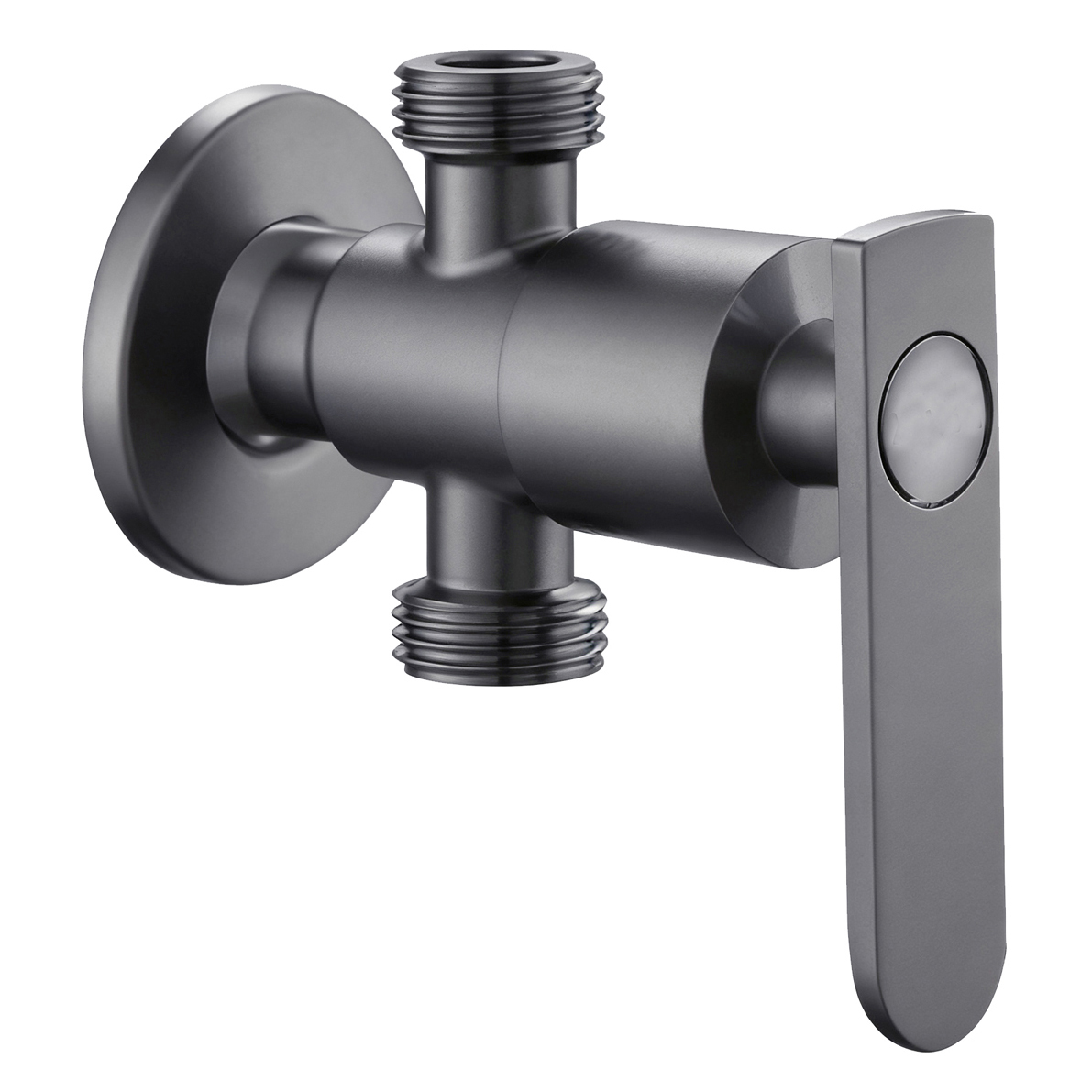
If a bibcock plastic changes its thread, connection size, or connection type in a later production batch while keeping the same barcode and packaging information, the store has not really replenished the same product.
It has placed different specifications under the same inventory identity.
This can create further problems with returns, after-sales service, and future replenishment.
For lower-priced products, it therefore makes sense to keep several basic fields stable:
Material / Color / Connection / Packaging / SKU Identification
The system does not need to be complicated.
But these basic specifications should not be redefined with every production batch.
Packaging Is Also Part of Replenishment Consistency
A plastic tap intended for a kitchen and one intended for outdoor use should not automatically share the same material or temperature claims.
Any cost advantage from plastic components needs to remain within clearly defined application limits.
If retailers place plastic taps in an outdoor retail area, they should also consider whether the packaging and labels remain readable after exposure to sunlight.
The product’s actual temperature and UV limits should still come from testing of the specific model.
For a regular low-cost SKU, shoppers and store staff may rely heavily on the packaging color, product name, barcode, and basic specifications to identify the product quickly.
If the packaging design changes while the product specification stays the same, the SKU identity should remain clear.
If the product specification changes, the supplier should not simply place the revised product inside old packaging that suggests nothing has changed.
The retail value of a Plástico Grifo de agua therefore comes from more than a low price.
Once it becomes a long-term basic shelf item, the ability of the next batch to replace the previous batch accurately becomes part of its retail value.