



Water needs on balconies and in other utility areas are not all the same.
Some water points are used only for everyday cleaning. Others need to connect to a washing machine, while some may also serve a mop sink, utility sink, or cleaning hose.
For this reason, when selecting a Balcony Water Tap, it is more useful to first identify what the outlet needs to connect to than to look for a product simply labeled “for balconies.”
Start by Separating Direct Water Use From Equipment Connections
A tap next to a mop sink or utility sink may simply provide water directly.
In this case, first check whether the outlet sits in a suitable position. Then make sure the handle has enough space for normal operation.
A washing machine connection is different.
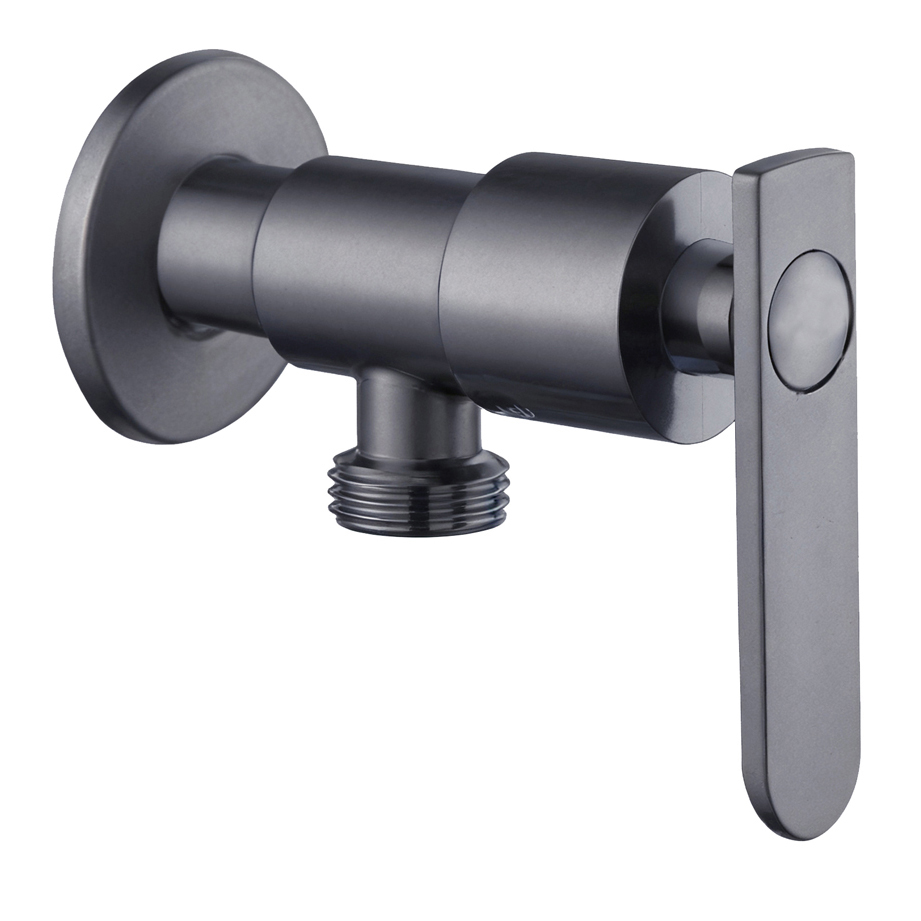
First, confirm whether the appliance inlet hose matches the tap outlet. Then check the available space around the connection.
A tap that sits too close to a wall corner, washing machine, or cabinet can create problems. The hose may bend sharply, or the limited space may make the connector difficult to install.
The same applies when a cleaning hose connects to the outlet. A balcony installation alone does not make a tap suitable for a permanent hose connection.
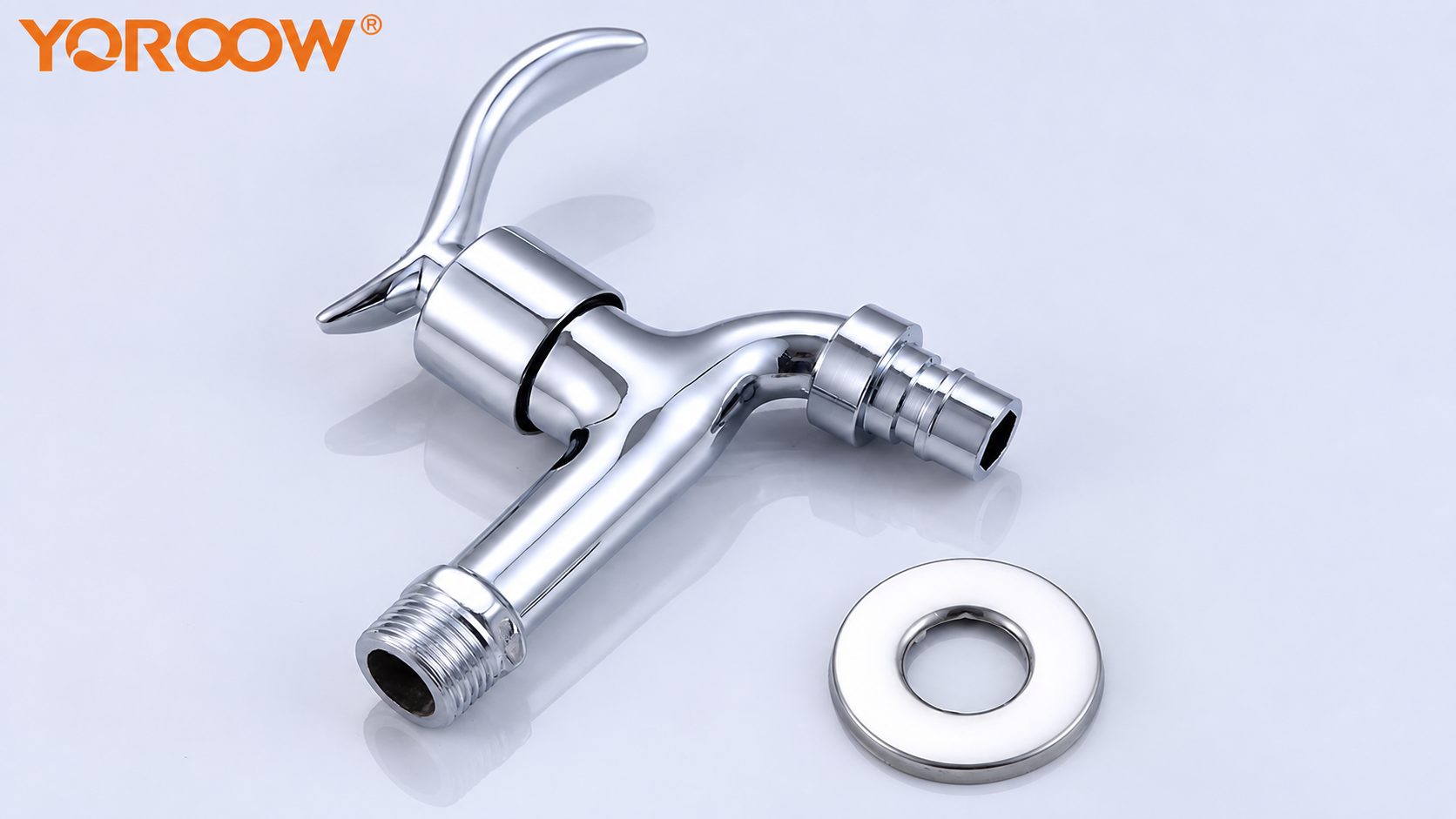
What If One Water Point Needs to Serve More Than One Task?
Some balconies have only one wall water inlet. However, that inlet may need to supply both a washing machine and a cleaning hose.
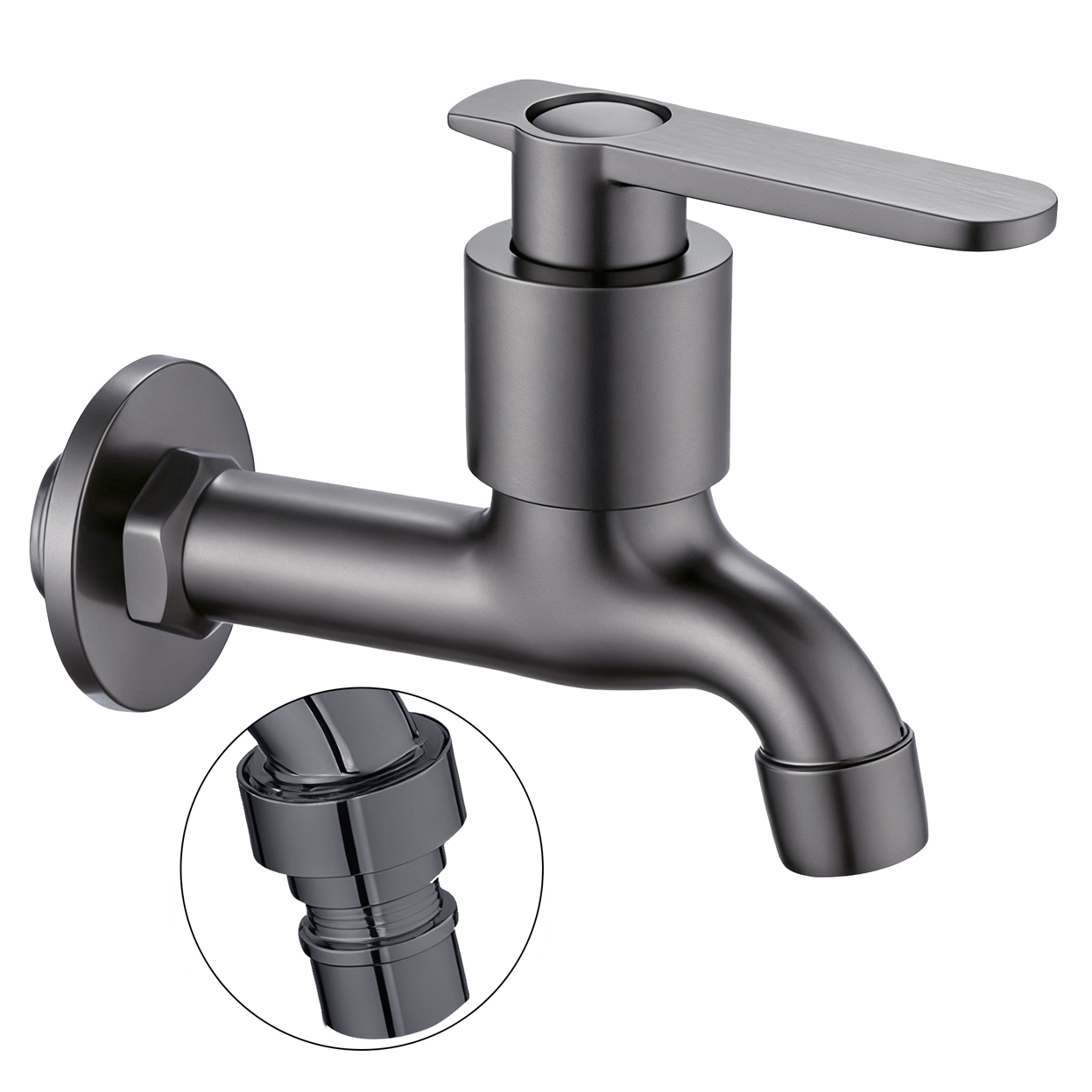
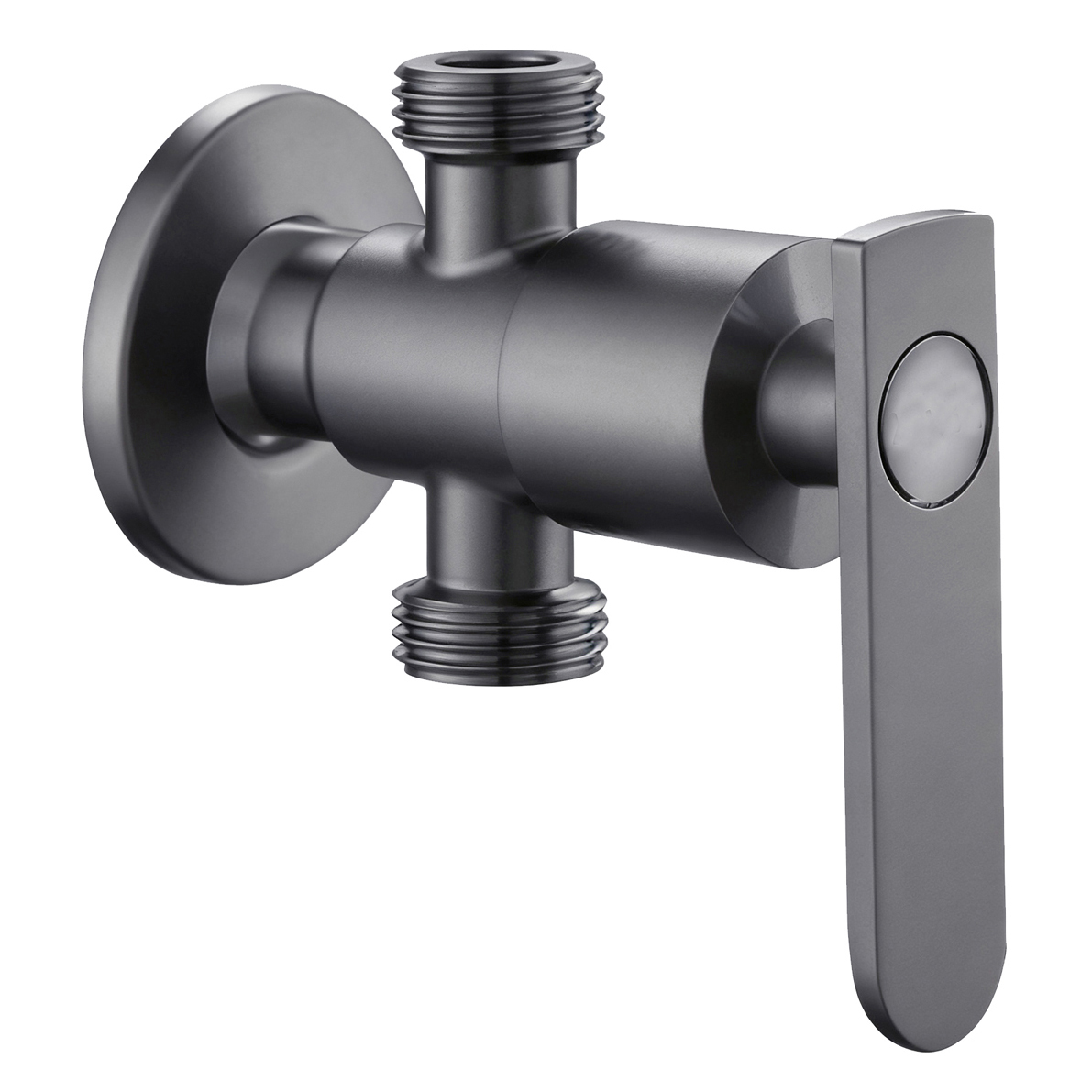
A Balcony Water Tap may connect to a washing machine hose, garden hose, or cleaning bucket. These applications do not necessarily require the same outlet configuration.
For retail presentation, actual connection photos can show what each model supports. The product information should also identify the actual inlet thread and installation method.
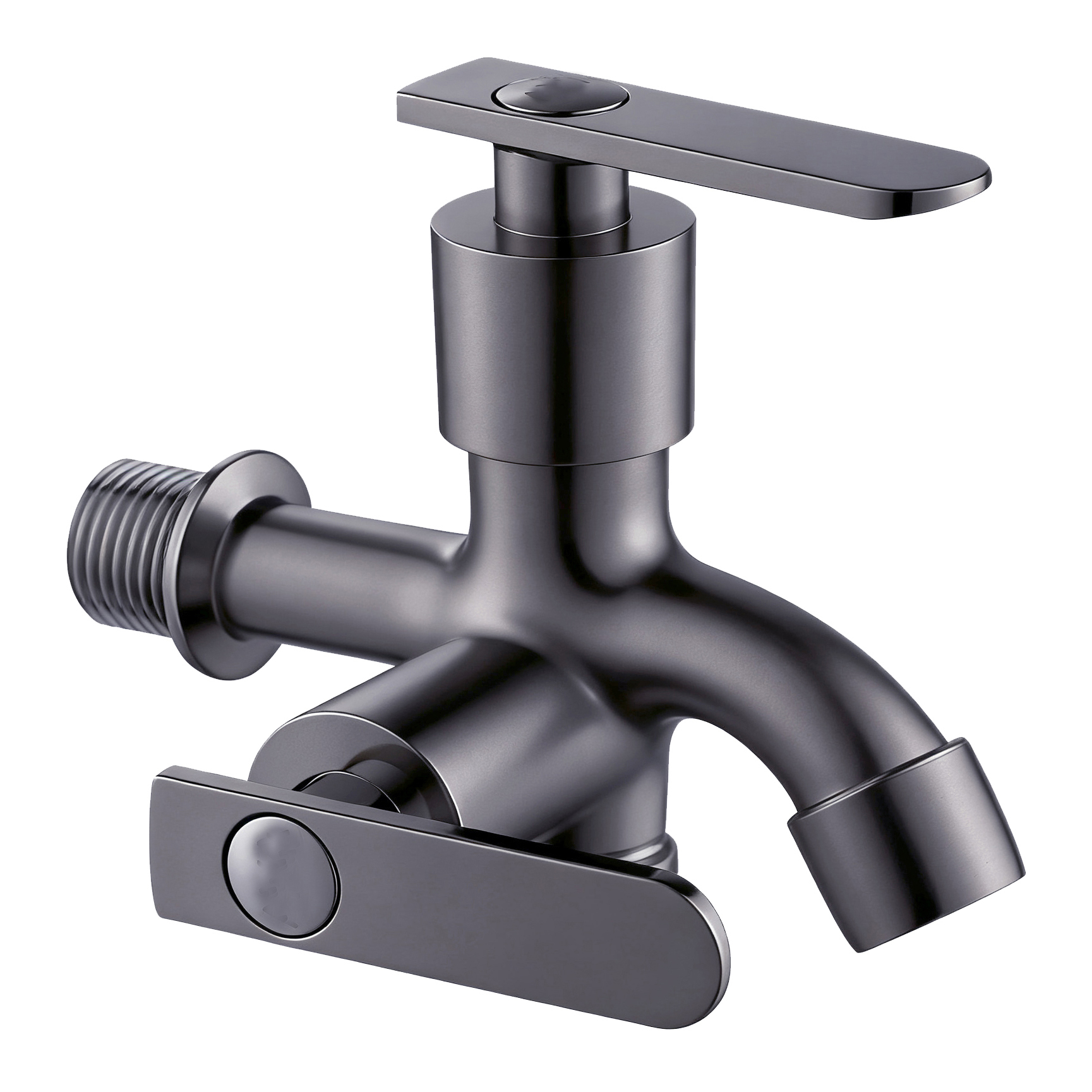
A two-outlet model may combine a washing machine connection with a general hose connection. In this case, confirm whether users can shut off each outlet independently.
Also check the clearance around both connectors. Nearby walls or balcony cabinets may restrict the available space.
For retail supply, clear application information and actual port specifications can help reduce incorrect purchases. Retailers should keep this information linked to an identifiable SKU instead of simply adding words such as “Multi-Purpose.”
With independent outlet controls, one outlet can remain connected to the washing machine. Users can then use the other outlet for cleaning.
This arrangement can reduce repeated hose removal and reconnection.
However, a balcony with only one fixed water-use requirement may need only a single-outlet design. Adding a second outlet does not automatically make the product more useful.
Installation Space Determines Whether the Product Really Fits
Utility areas are often tighter than kitchens or bathrooms.
Washing machines, utility sinks, wall corners, and storage cabinets can all restrict installation space. In addition to thread size, product selection should therefore consider how far the valve body projects from the wall, the handle movement range, and the direction of the hose after connection.
For example, if a washing-machine inlet hose is installed inside a balcony cabinet with limited bending space, a two-outlet structure may actually make operation more difficult.
A cabinet installation diagram can be more useful than showing only a front-facing product photo.
If a two-way balcony tap serves both a washing machine and plants on the balcony, the routing of both hoses also needs to leave enough room for cabinet doors to open and close. This is something worth checking in an actual installation test rather than only on a dimension drawing.
This becomes particularly important when a Balcony Water Tap is installed behind or beside a washing machine. Looking only at the faucet dimensions without allowing for connectors and hose clearance can result in a product that technically fits but is difficult to use after installation.
For a Fábrica de grifos en China, product planning for this category should therefore not rely only on a broad “balcony faucet” classification.
It is more useful to distinguish actual configurations such as single outlet, double outlet, washing-machine connection, and general hose connection, so that each structure corresponds to a clear installation requirement.
The key question when selecting a Balcony Water Tap is not simply what the product is called.
It is what the water point needs to connect to, how many outlets are actually required, and how much installation space is available.
Confirming these conditions first usually leads to a more accurate product choice than starting from the appearance of a product labeled “balcony faucet.”