



The same connection size does not mean that two water taps will suit the same installation location.
Wall corners, spaces beside equipment, balcony cleaning areas, and compact outdoor water points often create a problem that is difficult to see on a retail shelf.
The tap may connect to the pipe correctly, but there may not be enough surrounding space to use it properly.
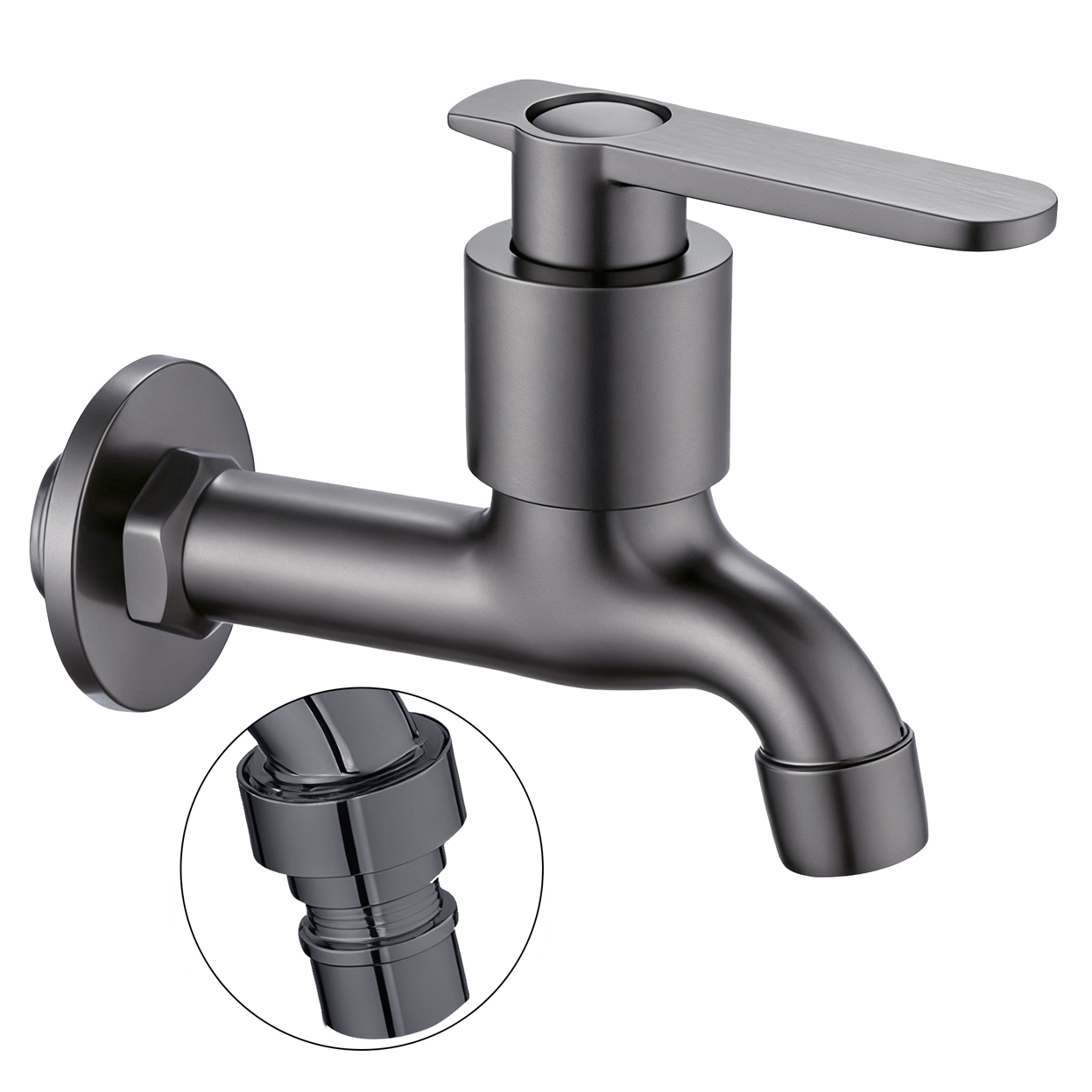
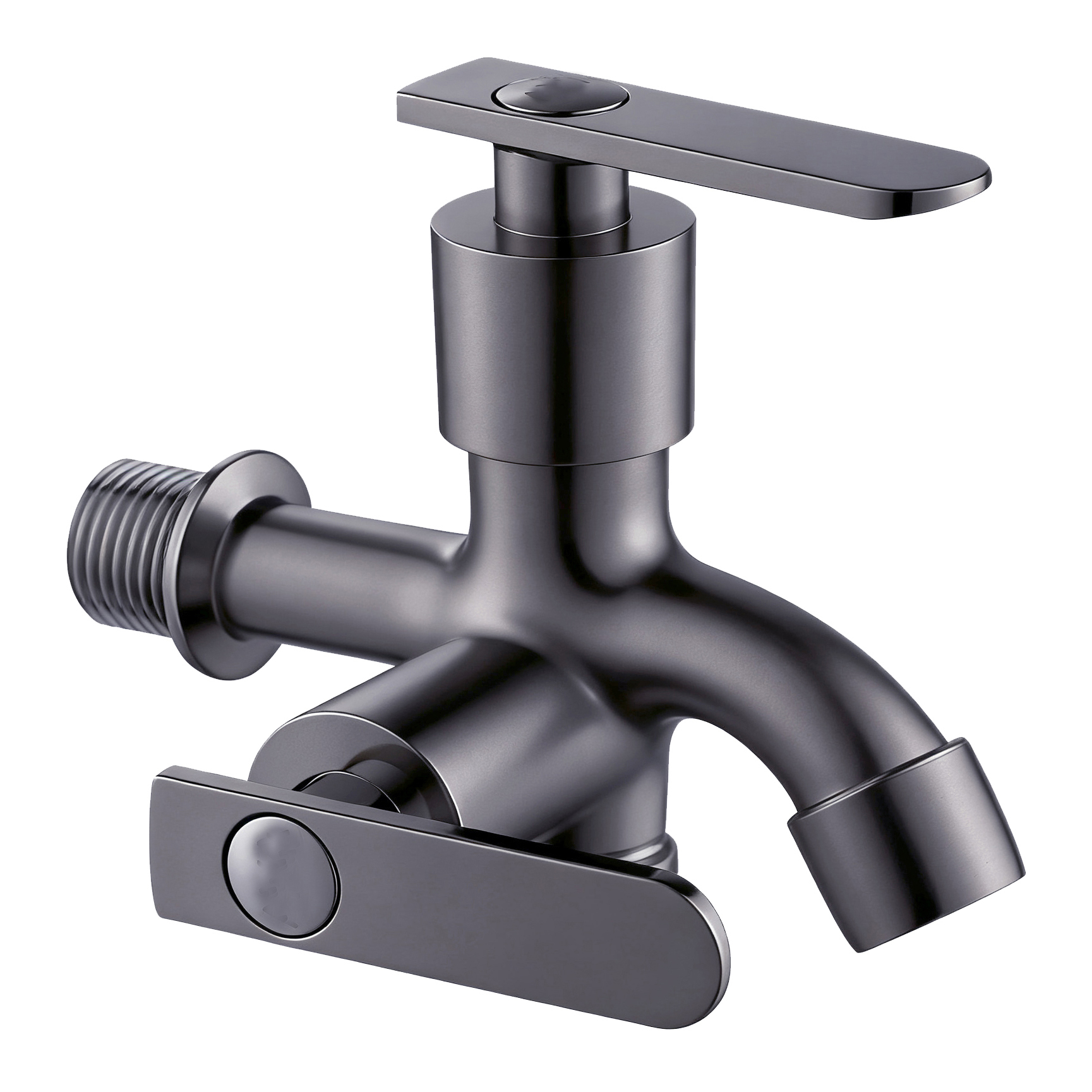
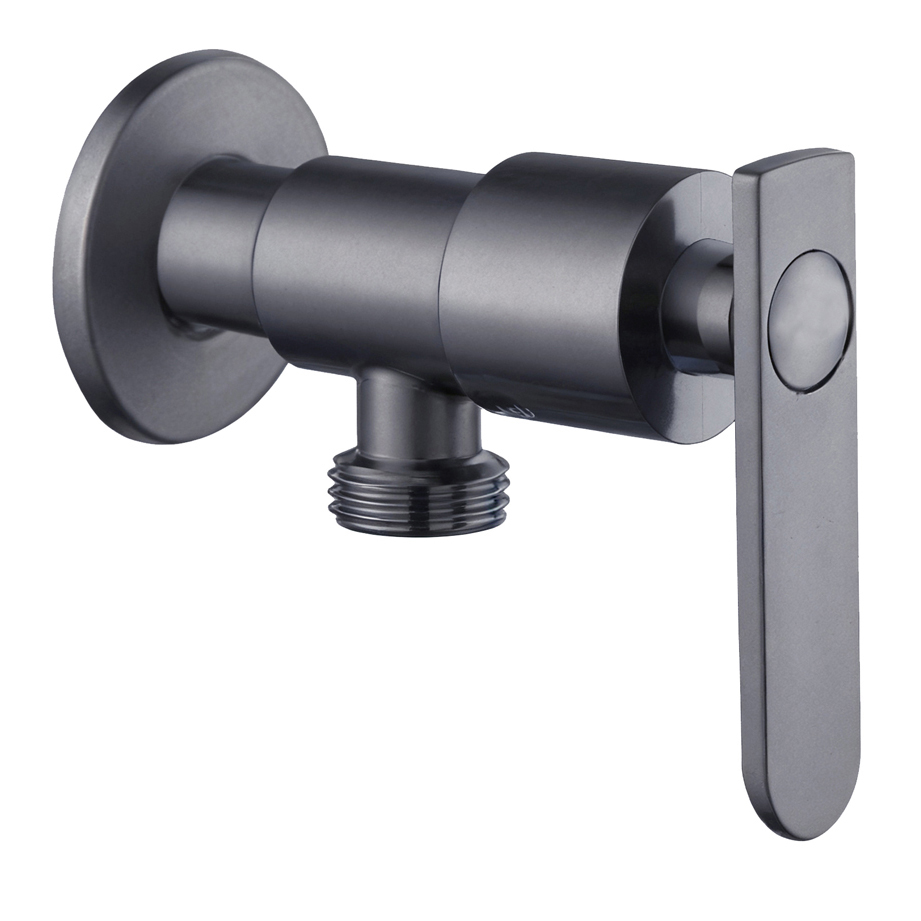
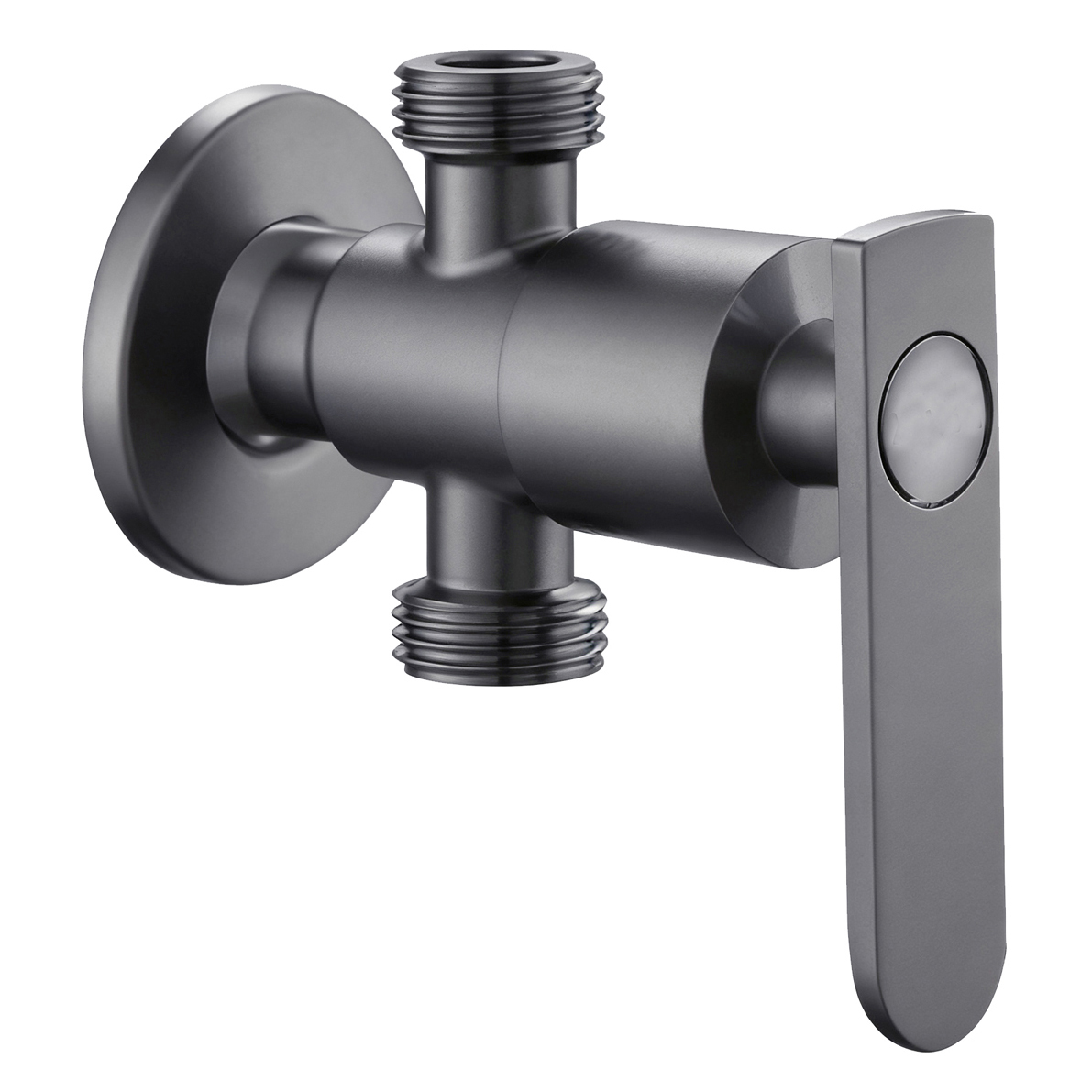
This is where a Short Neck Water Tap can have practical value.
Installation Space Is About More Than Whether the Tap Fits
When shoppers evaluate a compact installation area, they may focus only on the overall product length.
In practice, they also need enough space to operate the tap.
For example, can the handle rotate through its full range after installation? Can the user grip the control comfortably? If the tap needs to connect to a hose, is there enough room in front of the outlet for the connector and the hose to bend?
For this reason, a Short-necked bibcock is not automatically suitable for a tight space simply because its body is shorter.
The shorter design reduces the dimension in one direction. However, shoppers still need to check the handle movement, outlet direction, and connection method separately.
The compact advantage of a short-neck tap should also be considered together with the actual water outlet position.
If a Short Neck Water Tap sits beside a deep sink, the water stream may fall too close to the wall and make it difficult to collect water.
In a tight space, however, a longer-neck model may interfere with equipment above or around the tap.
A product catalog can show the horizontal distance from the wall to the outlet. It can also show the clearance required to operate the handle.
This gives shoppers more useful information than simply describing the product as “short.”
Retailers can also combine dimension drawings with installation photos from both high and low mounting positions. This can make it easier for shoppers to decide between a short-neck and a long-neck model.
Shelf Dimensions Should Help Shoppers Check Clearance
For this type of product, packaging or product pages can show the dimensions that actually affect installation.
Useful information may include how far the body projects from the wall, the maximum handle movement, and the position of the water outlet.
These details provide more value than a simple “Compact Design” label.
For a Short neck faucet hose bib, hose connection also needs attention when this is one of the main uses.
After attaching the hose connector, shoppers need to check whether the hose will interfere with the wall, floor, or nearby equipment.
These problems often remain hidden during purchase and only appear during installation.
A Compact SKU Solves a Specific Space Problem Rather Than Replacing Every Standard Model
For taps often used to fill buckets, the outlet position also needs enough clearance for the bucket opening to sit underneath it.
A short neck can save space. At the same time, it may make it more difficult to position a container under the outlet.
Handle clearance creates another consideration.
A short-neck tap may physically fit into a wall corner, but the user may not have enough room to turn the handle smoothly.
For this reason, shoppers should check operating clearance before purchase rather than looking only at the static product dimensions.
From a retail assortment perspective, a Short Neck model does more than add another product shape. It serves a different installation condition.
In locations with enough space, a standard design may already meet the requirement.
A Short Neck structure creates a clear difference when wall distance, equipment clearance, or operating space is limited.
Retailers can therefore judge whether this type of product deserves a separate SKU by asking whether it solves a clearly defined space problem.
A difference in product length creates real selection value only when it corresponds to an actual installation constraint.