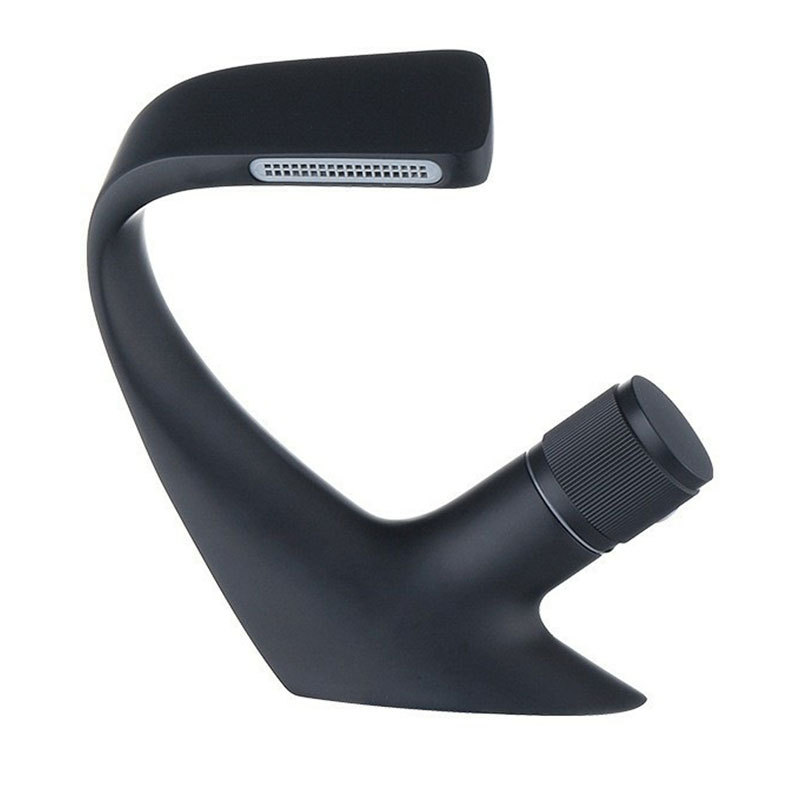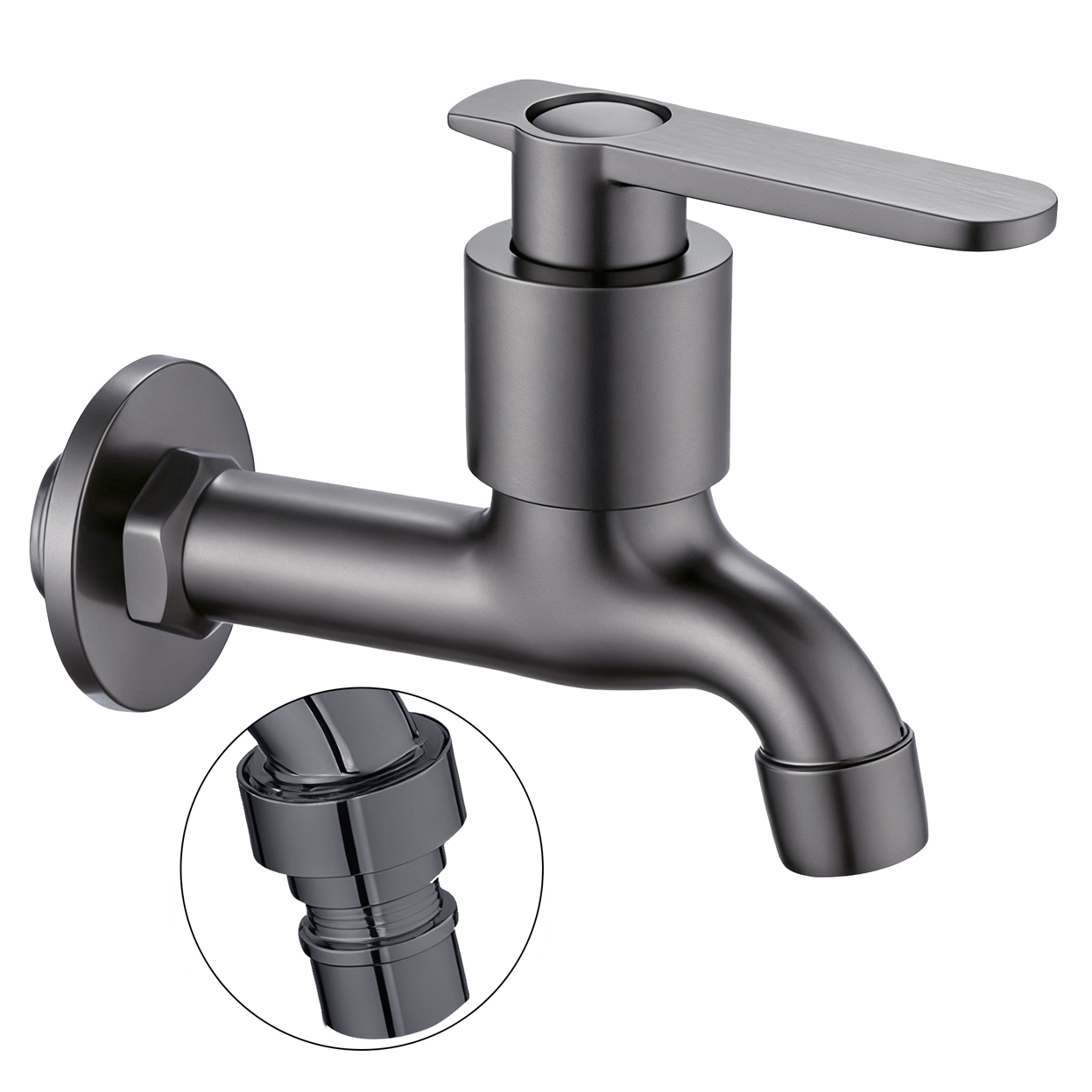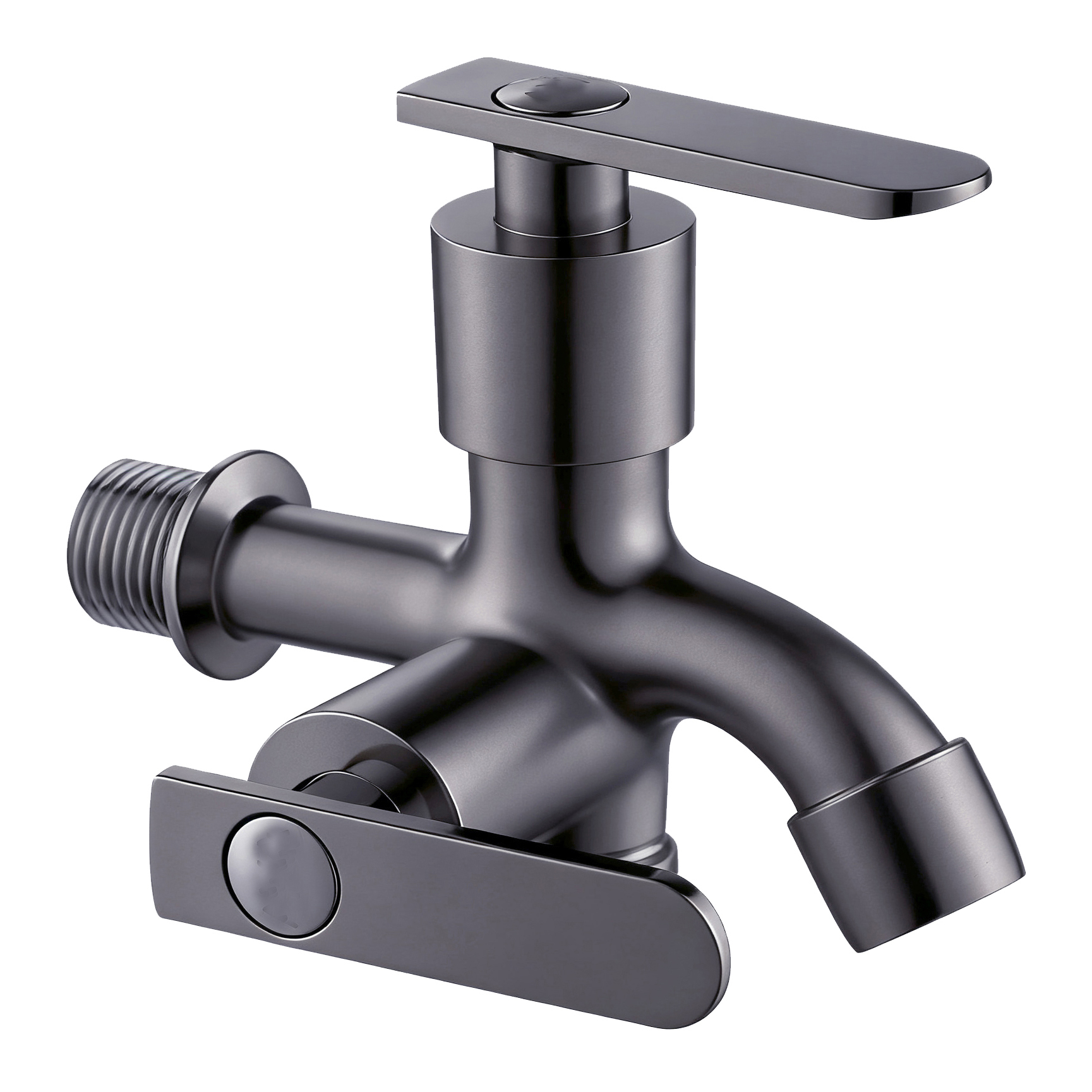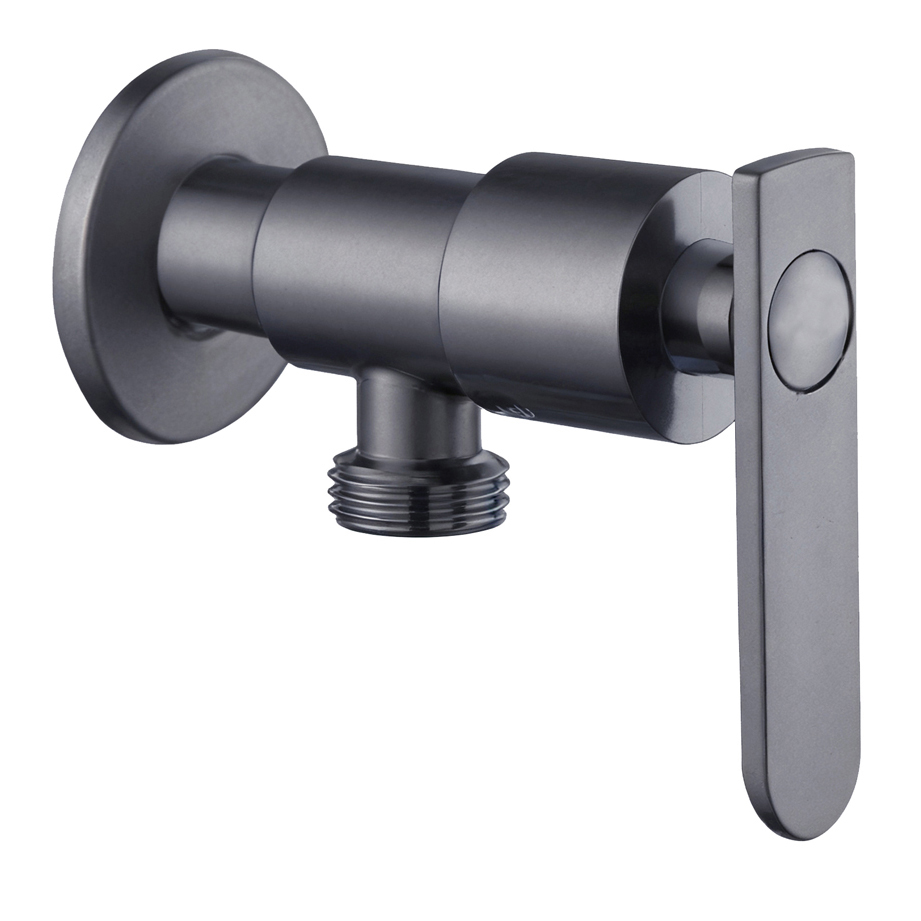




A customer may keep the faucet box for a year, but still be unable to identify the replacement part from the information on it. A service team may recognize the logo on the faucet but have no way to determine which version it belongs to.
Für private label faucets, these gaps can affect the brand experience long after the original sale.
A private label project needs more than a custom logo. The product marking, packaging, instructions, sales information, and after-sales records should all point to the same approved model and configuration.
The goal is not to put every piece of information on the faucet itself. It is to decide where each piece of information belongs and make sure the different touchpoints remain connected.
Start With the Product Identity, Not the Logo
A useful way to review a private label project is to imagine a customer contacting the service team one year after purchase.
Suppose the customer sends only a photo of the faucet.
Can the team identify the model? Can it confirm the relevant version or configuration? Can it find the correct installation instructions and replacement parts?
If the answer depends on finding the employee who handled the original order, the product identity is not sufficiently connected to the after-sales information.
The sales model should therefore have a clear relationship with the actual supplied configuration. Where different versions exist, the relevant version information should also be retained.
The customer-facing name can be simple and easy to understand. Internal records, however, should make it possible to connect that name with the supplied model, configuration, instructions, and applicable spare parts.
Approve the Logo on the Actual Product
A logo file approved on a computer screen does not always show what the finished faucet will look like.
The approval should consider the artwork, position, size, orientation, and actual application method. Curved surfaces, different finishes, lighting, and the viewing angle can all affect how the mark appears.
A sample approval should therefore record the actual result that has been accepted.
If the faucet finish or the component carrying the logo changes later, the previous approval should not automatically be assumed to apply. The logo artwork may be unchanged while its visual result changes because the application surface or finish has changed.
The brand owner should also define which logo files are approved and where they may be used. WIPO describes trademarks as signs that distinguish the goods or services of one undertaking from those of others.
For a private label project, the practical point is to keep the approved brand identity connected to the actual products and materials on which it is used.
Make Packaging and Instructions Match the Approved Configuration
Packaging should help customers identify the correct product before they open the box.
The model, configuration, major functions, finish, and included contents should be clear enough for the warehouse, retailer, installer, and customer to distinguish similar versions.
This becomes particularly important when several products share a similar appearance but have different connections, colors, spray heads, accessories, or other configurations.
The product images and specifications on the box should come from the approved version. Otherwise, a design team may use an earlier rendering while production has already changed a component.
The same principle applies to instructions.
Installation diagrams, component names, operating descriptions, maintenance information, and spare-part references should correspond to the actual configuration. When one manual covers several models, the differences and applicable models should be clear rather than leaving the user to guess which illustration applies.
Language versions should also be reviewed as technical documents, not treated as simple translations. Product names, model numbers, operating instructions, and service information should remain consistent across the approved versions.
QR codes and online instructions need the same attention. The link should lead to the intended information, and the information behind it should remain associated with the relevant product version.
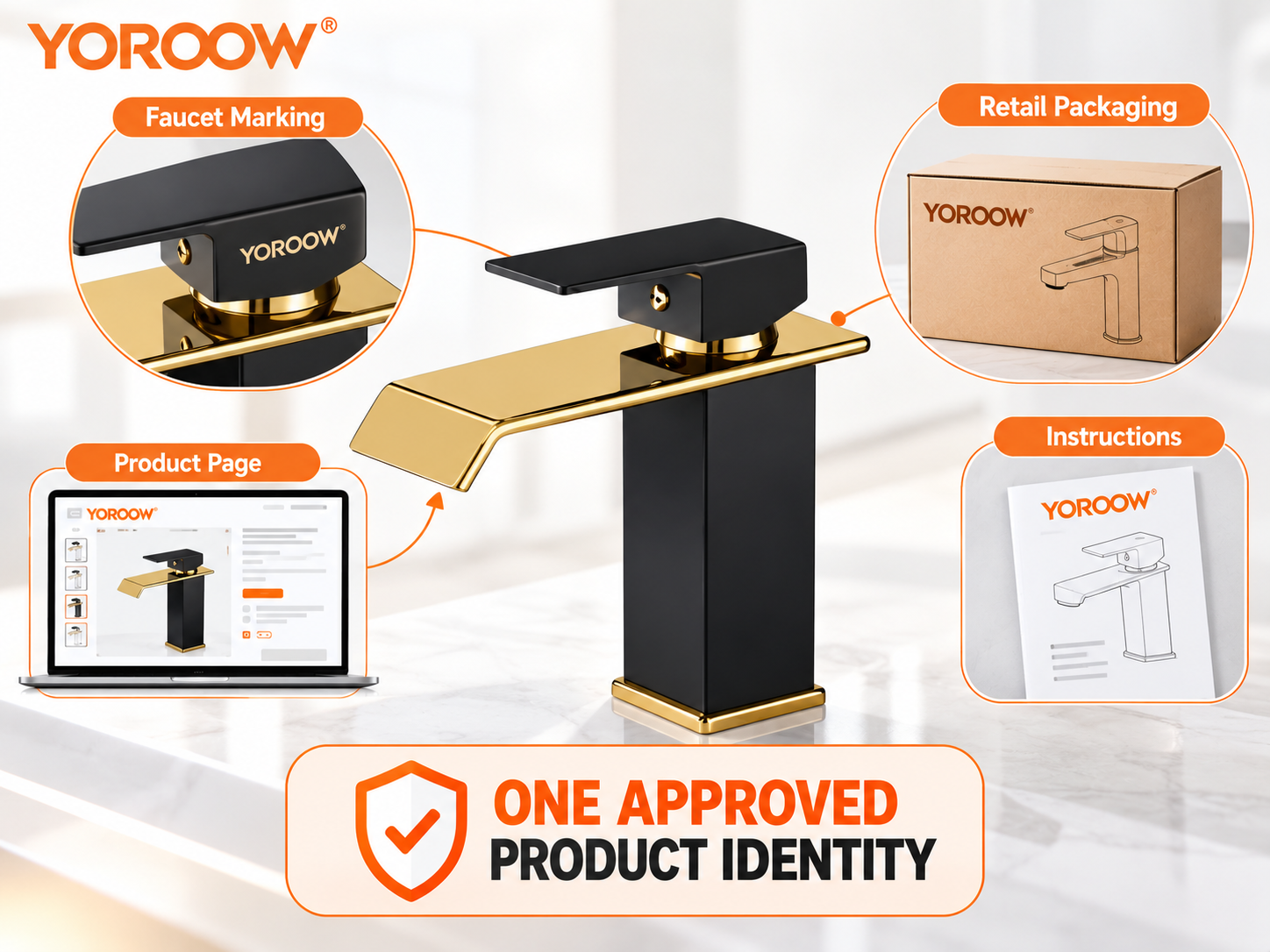
Keep Every Customer Touchpoint Connected to One Product Record
A private label project does not need a complicated information system to start. It needs a reliable product record from which the different customer touchpoints can be controlled.
| Product Touchpoint | What It Should Identify | What Must Match |
|---|---|---|
| Product marking | Brand and model identity | Approved product configuration |
| Retail packaging | Model, version, and included contents | Actual packed product |
| Instructions | Operation, installation, and maintenance | Approved configuration |
| Product page | Features, specifications, and images | Approved sales version |
| After-sales record | Model, version, and spare parts | Historical product identity |
The important point is that these materials should not become separate “final versions” maintained independently by design, sales, production, and after-sales teams.
Each touchpoint can present different information, but the underlying product identity should remain the same.
For example, the retail box may need a simple product name and feature description, while the after-sales record may need a more detailed model and version reference. Both should still lead back to the same approved configuration.
Make Product Claims Follow the Same Approved Identity
A private label product may carry claims about materials, performance, certifications, included accessories, or warranty service.
Each claim should be checked against the actual product and the market in which it will be sold.
A document for one component does not automatically support a claim about the complete faucet. Likewise, a manufacturer’s general capability does not mean that every private label order uses the same material, process, certification, or configuration.
This distinction is especially important when packaging and product pages are prepared before mass production.
If supporting evidence is still being confirmed, the claim should remain open for review rather than becoming permanent marketing text too early.
Warranty information also needs to reflect the brand’s actual service arrangement. The buyer should know who the end customer contacts, how the product can be identified, and which information the manufacturer needs to support the case.
The objective is not to put every technical document on the consumer-facing page. It is to make sure that every important statement can be traced back to the product it describes.
Let the Same Identity Continue Into Repeat Orders
The first order should establish the approved product identity that later orders can refer back to.
Keep the approved sample, logo artwork, packaging, instructions, product configuration, and approval date together. If one item changes, the record should show which version it replaces and when the new version takes effect.
A repeat order should not rely only on a note such as “same as last order.”
The brand may have changed its service information. A supplier may have updated an accessory. A packaging file may have been revised. Any of these changes can create a mismatch if the latest approved version is unclear.
Before a repeat order, the relevant parties should therefore confirm the current model, configuration, packaging, and instructions, while also identifying what has not changed.
This makes the product identity usable over time instead of limiting it to the first shipment.
A private label faucet creates a brand experience through many small contact points. The logo is only one of them.
When the marking on the faucet, the box in the warehouse, the instructions in the customer’s hands, the product page online, and the spare-parts record all point to the same approved product, the brand has a much stronger foundation for consistent service.
Sources / References:
- WIPO — Trademark basics and the role of trademarks in distinguishing goods and services. WIPO — Trademarks