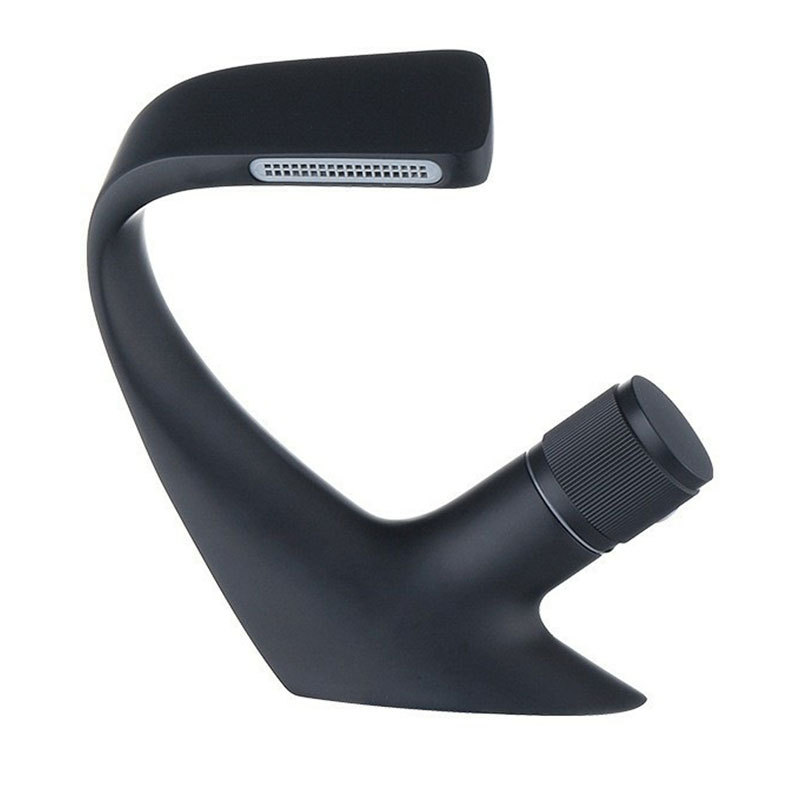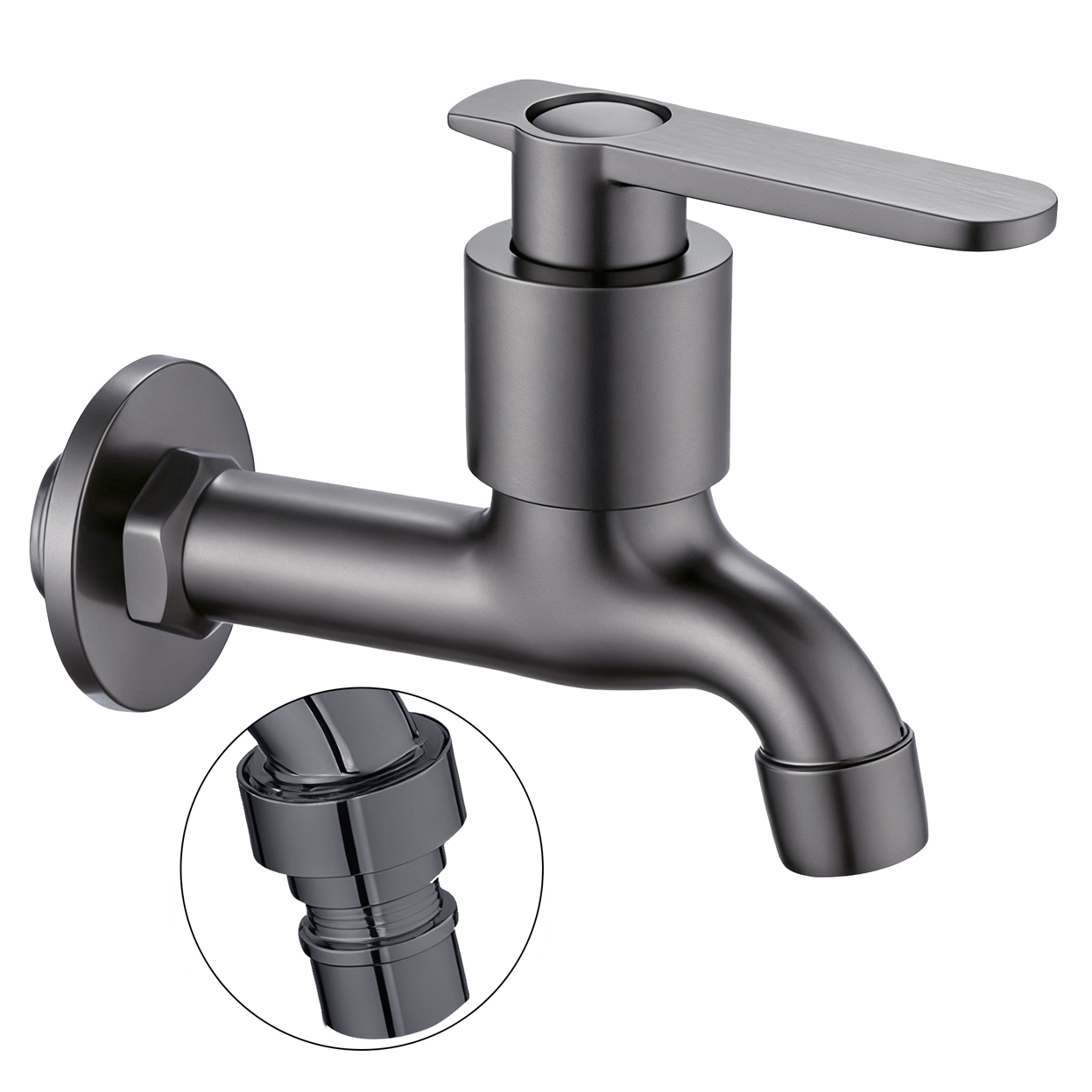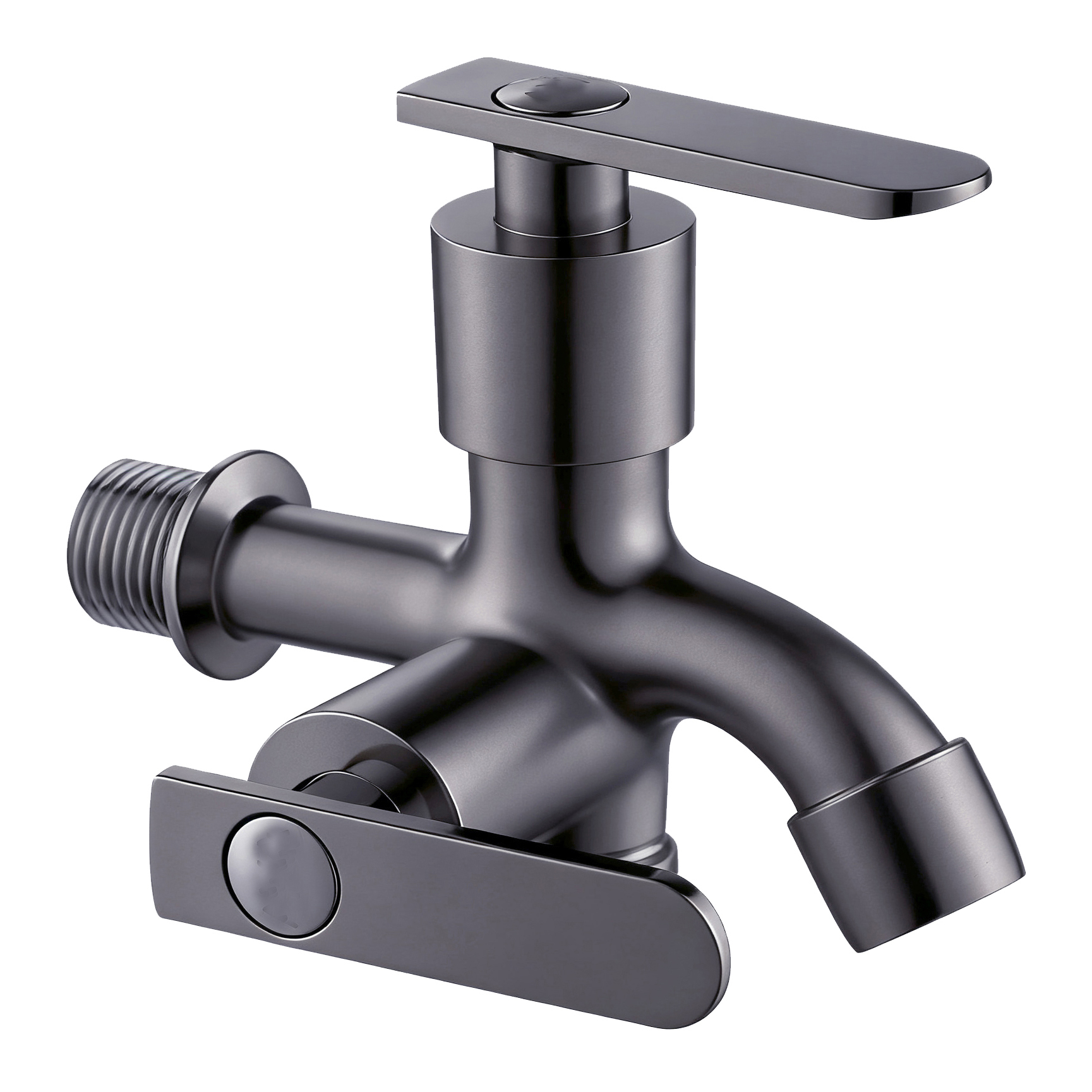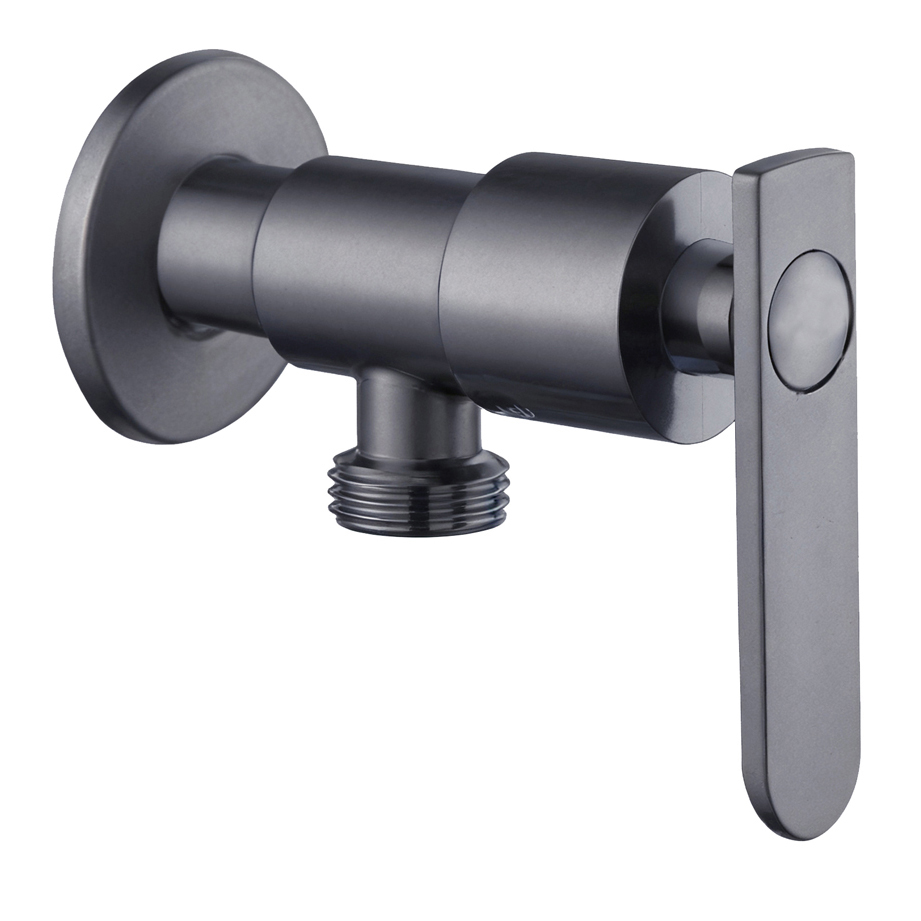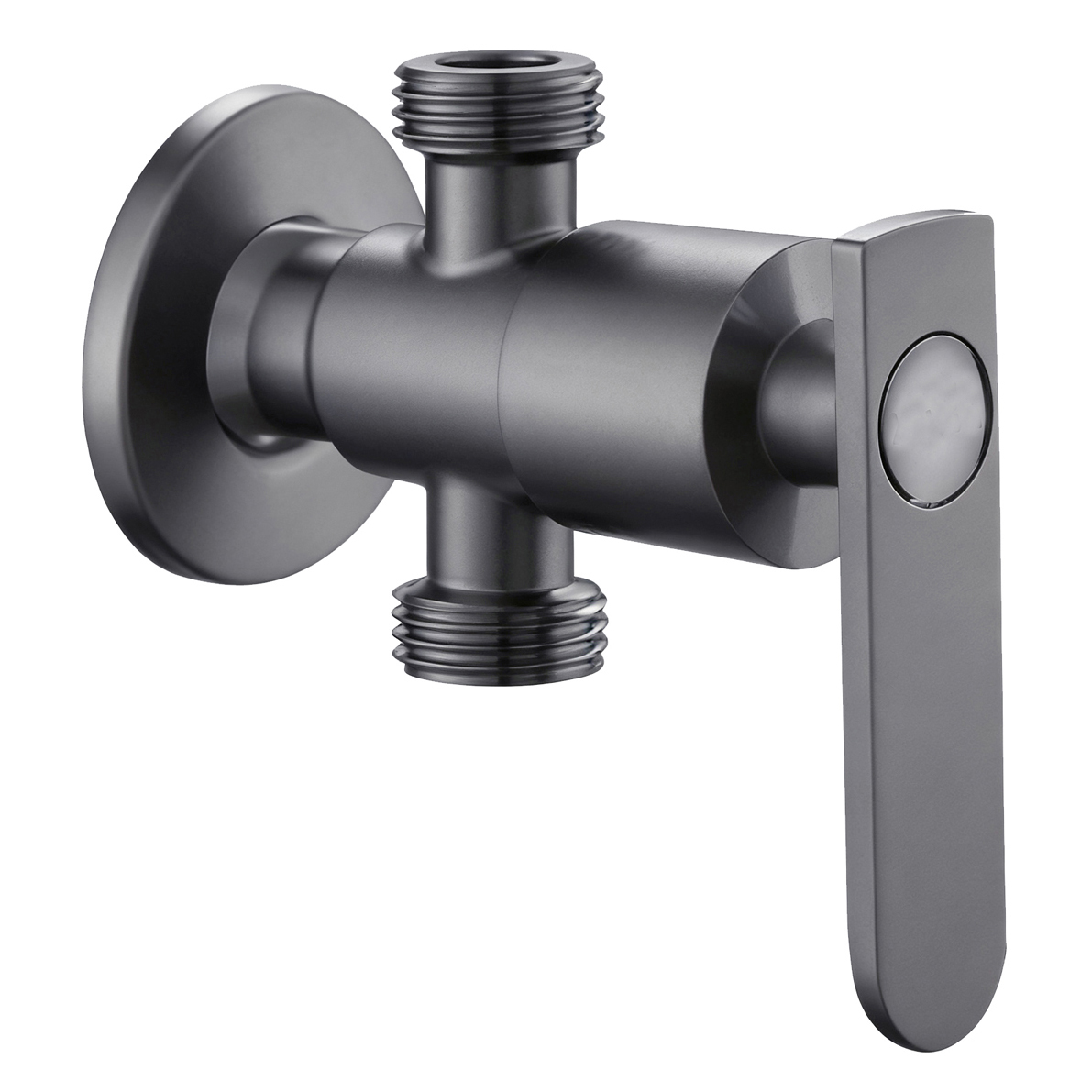




In one order, the chrome basin faucets may already be packed. The black kitchen faucets may still be waiting for finishing. Another model may be ready but cannot be packed because its color box has not been approved.
The distributor sees one delivery date. The factory, however, is managing several different preparation schedules.
When looking for a wholesale faucet supplier, it is worth asking how these different schedules will be coordinated. In many cases, this matters more than the number of models shown in a catalog.
Mixed orders can simplify communication and shipping arrangements. However, they do not remove the batch requirements behind different models, materials, finishes, and packaging.
Before placing the order, the buyer should define the main delivery goal. Is the priority to have the complete order ready by one date? Is it more important to replenish urgent products first? Or should the order improve container utilization within an acceptable delivery window?
These goals can conflict. The buyer therefore needs a clear priority before production begins.
This article focuses on coordinating multiple faucet SKUs within one purchase order. If the shipment also includes sanitary ware, hardware, or products from several independent suppliers, additional consolidation and responsibility arrangements may be needed.
One Mixed Order Needs Two Different Plans
The first is a production readiness plan. It answers one question: When will each SKU actually be ready for delivery?
The second is a loading and receiving plan. It shows how the ready products will be shipped and how the warehouse will identify them after arrival.
If the buyer manages only the loading plan, a shortage may not become visible until the container is almost ready. If the buyer manages only production, different models or versions may become difficult to identify at the receiving end.
| Production Readiness Item | Why It Should Be Tracked by SKU | Loading and Receiving Connection |
|---|---|---|
| Model and configuration version | Products with similar names may use different components | Use the same identification on cartons and packing lists |
| Material and finish | Materials and finishing batches may follow different schedules | List quantities separately instead of using only a series name |
| Packaging and labeling status | A finished faucet is not always ready to pack | Confirm carton quantity, label version, and carton numbers |
| Inspection and release status | Products that have not been released are not ready to ship | Include only approved batches in the loading plan |
| Confirmed ready date | Shows which SKU may hold back the shipment | Link it to the shipping plan or shortage arrangement |
Each line also needs a clear quantity unit.
The purchasing team may discuss quantities in sets. The warehouse may work in cartons, while logistics planning depends on volume and weight. If these units are not connected, a difference of one carton can easily be confused with a difference of one set.
Container volume, weight, and carton quantities should come from confirmed packaging data. If new packaging has not yet been measured, the figures can be marked as estimates. A later verification step should then be included before the shipping plan is finalized.
A Combined Order Does Not Turn Every MOQ Into One Number
Whether a mixed order faucet supplier can combine quantities depends on what is actually being combined.
The order may include several configurations based on the same faucet body. It may contain several models with the same finish. One model may be divided into several finishes. In other cases, several independently produced products are simply being loaded into the same container.
These situations do not create the same production conditions.
In faucet production, machining, finishing, assembly, and packaging are separate stages. They do not always move on the same schedule. Some common fasteners or components may serve several models. However, a special finish, dedicated component, or custom color box may still have its own preparation requirements.
Therefore, a large total order quantity does not automatically remove SKU-level requirements.
During quotation, ask the supplier to separate product MOQ, finish requirements, packaging conditions, and the rules for combining models. If one model is divided into several colors, also confirm whether those quantities can be combined and whether separate preparation is required.
بالنسبة لـ bathroom faucets wholesale from China, buyers may build the order around their main-selling models and add smaller quantities of products with a clear sales purpose. There is no universal ratio for this. The mix should come from the distributor’s own sales and inventory information rather than a supplier’s general best-seller list.
What If One SKU Is Not Ready Before Loading?
Suppose an order contains Series A, B, and C. Series A and B have passed inspection, but the packaging for Series C needs rework.
This is a management example, not an actual YOROOW customer case.
The buyer may wait until all three series are ready. Another option is to ship the ready products first. The order may also be adjusted after the available alternatives have been reviewed.
Waiting for the complete order may make sense when Series C is essential to the overall sales plan. The trade-off is that Series A and B will also be delayed.
Shipping the ready products first may work when Series A and B can be sold independently. In that case, the buyer still needs to consider additional freight, documents, handling, and the delivery plan for the remaining products.
Adjusting the order requires a different check. A supplier should not replace Series C with a visually similar configuration simply to fill the container. Any alternative still needs to meet the agreed requirements for sales, documentation, price, and after-sales support.
Before making a decision, the buyer needs at least four pieces of information:
- What is missing?
- Why is it not ready?
- When can it be completed and verified?
- What are the cost and business effects of each available option?
A reply such as “we will handle it as soon as possible” does not provide enough information for a purchasing decision.
The supplier can propose solutions. However, any change involving configuration, delivery, or cost should be approved by authorized people on both sides and recorded.
It is also useful to agree on when a delay must be reported. If one SKU may hold back the whole shipment, the buyer should not first hear about the problem on the planned loading date.
Build Shipment Groups Before a Delay Happens
Not every SKU in one purchase order must follow the same delivery group.
For example, regular replenishment products may form one group. Approved new products may form another. Products that are still under development can remain in a separate group.
Each group should have a clear release condition, quantity, and receiving plan. This gives the buyer more options if one product follows a different production schedule.
However, products that form one complete sales set should not be separated if doing so would leave the downstream customer with an incomplete product. Components that must be delivered together should remain a complete-set constraint.
The same principle applies to container utilization.
Filling every remaining space in a container is not automatically a better purchasing decision. Adding products without a clear sales plan may improve loading efficiency but create unnecessary inventory and tie up working capital.
Instead, the buyer can ask the supplier to prepare two workable options. One can follow the current SKU combination. The other can reorganize the shipment groups.
Each option should show SKU quantities, delivery conditions, cost basis, and unresolved items. The buyer can then compare executable plans instead of comparing only two total prices.
The Warehouse Still Needs to Know Which Batch It Received
For a faucet supplier for distributors, coordination does not end when the products leave the factory.
Two batches may look identical but use different component or packaging versions. If the distributor records only a general sales name, it may later be difficult to identify which inventory is involved in a complaint or component change.
A practical traceability relationship can connect:
Purchase order line → Shipment batch → Carton number → Warehouse receipt
The required level of traceability depends on the product risk and the management system. Not every faucet needs an individual serial number.
The important point is that a problem can be narrowed to a reasonable group of products. Otherwise, one issue may force the distributor to investigate every historical order of the same model.
Receiving differences should also be separated by type. Quantity shortages, wrong models, configuration differences, appearance issues, and packaging damage should not all be recorded as the same receiving problem.
If mixed products are found in a carton, isolate the affected range first. Then check whether other carton numbers may have the same problem.
The warehouse should not simply replace labels to speed up receiving. A new label without verification of the actual product identity can push the same error further downstream.
If one batch is later distributed to several customers, allocation records can also help. When a supplier confirms a component change or proposes corrective action, the distributor can identify which downstream orders may be affected.
Use Actual Inventory to Build the Next Mixed Order
The previous approved order is a useful reference for a repeat purchase. However, it should not automatically become the template for the next container.
First, confirm that there are no relevant changes to the product or delivery information. Then focus on the actual replenishment needs.
Which SKUs sold faster? Which products are still sitting in stock? Which models generated more installation questions? Which items now need priority replenishment?
These answers can improve the next mixed order.
Each SKU should have its own inventory view instead of being judged only by the total value of the container. Sales speed, stock on hand, goods in transit, replenishment lead time, and planned activities may all affect the next purchasing decision.
This article does not apply one universal safety-stock formula to every faucet distributor. Without the buyer’s own demand variation and lead-time records, a precise-looking number may provide little decision value.
Over time, a bulk faucet supplier can also be reviewed through delivery accuracy, the quality of delay notifications, configuration consistency, and traceability response.
On-time shipment alone does not tell the full story if the wrong quantity or version was delivered. At the same time, one isolated delay should not automatically define the supplier. The cause, response, corrective action, and evidence from later orders provide more useful information.
Make the Delivery Constraint Visible Before Ordering
When sending a mixed-SKU inquiry to يورو, buyers can provide an SKU demand sheet, preferred shipment groups, packaging units, and priorities for handling shortages.
The next step is to identify which production conditions can be shared and which must remain separate by SKU, finish, or packaging version.
A useful mixed-order plan should allow the buyer to see, before placing the order, which SKU may hold back the whole shipment and what acceptable options are available if its schedule changes.
That visibility is what turns a mixed faucet order from a collection of products into a manageable delivery plan.