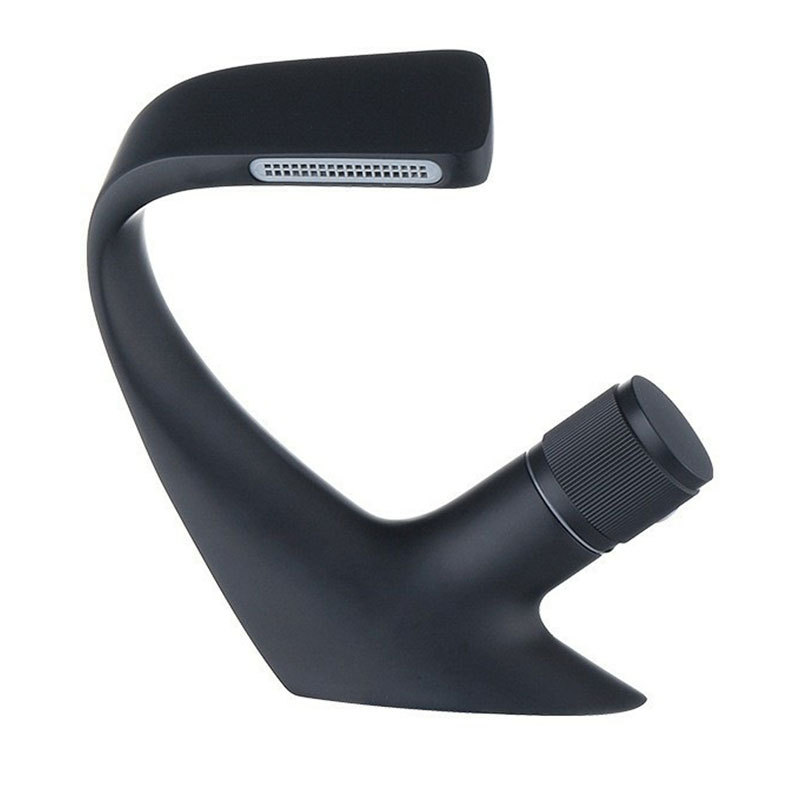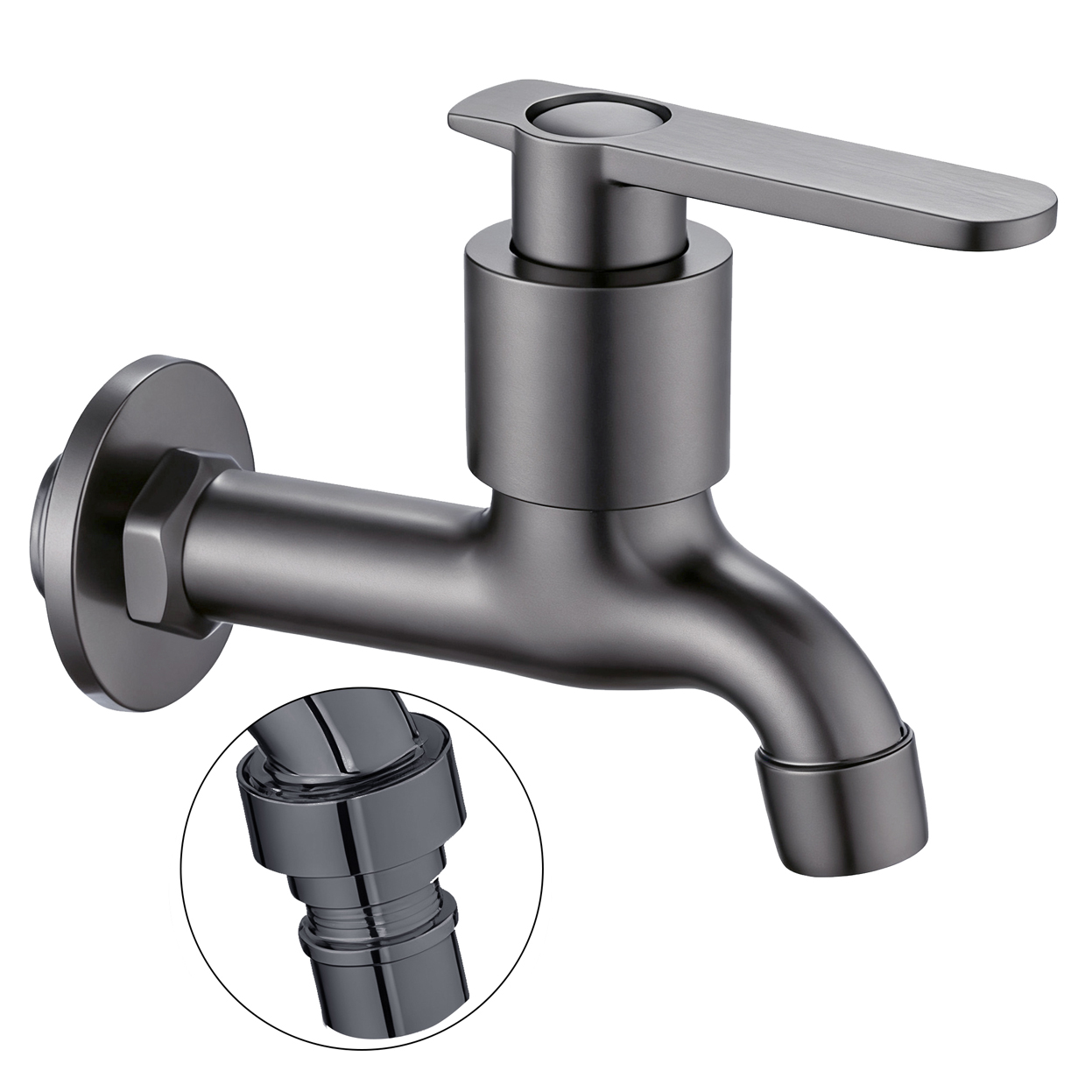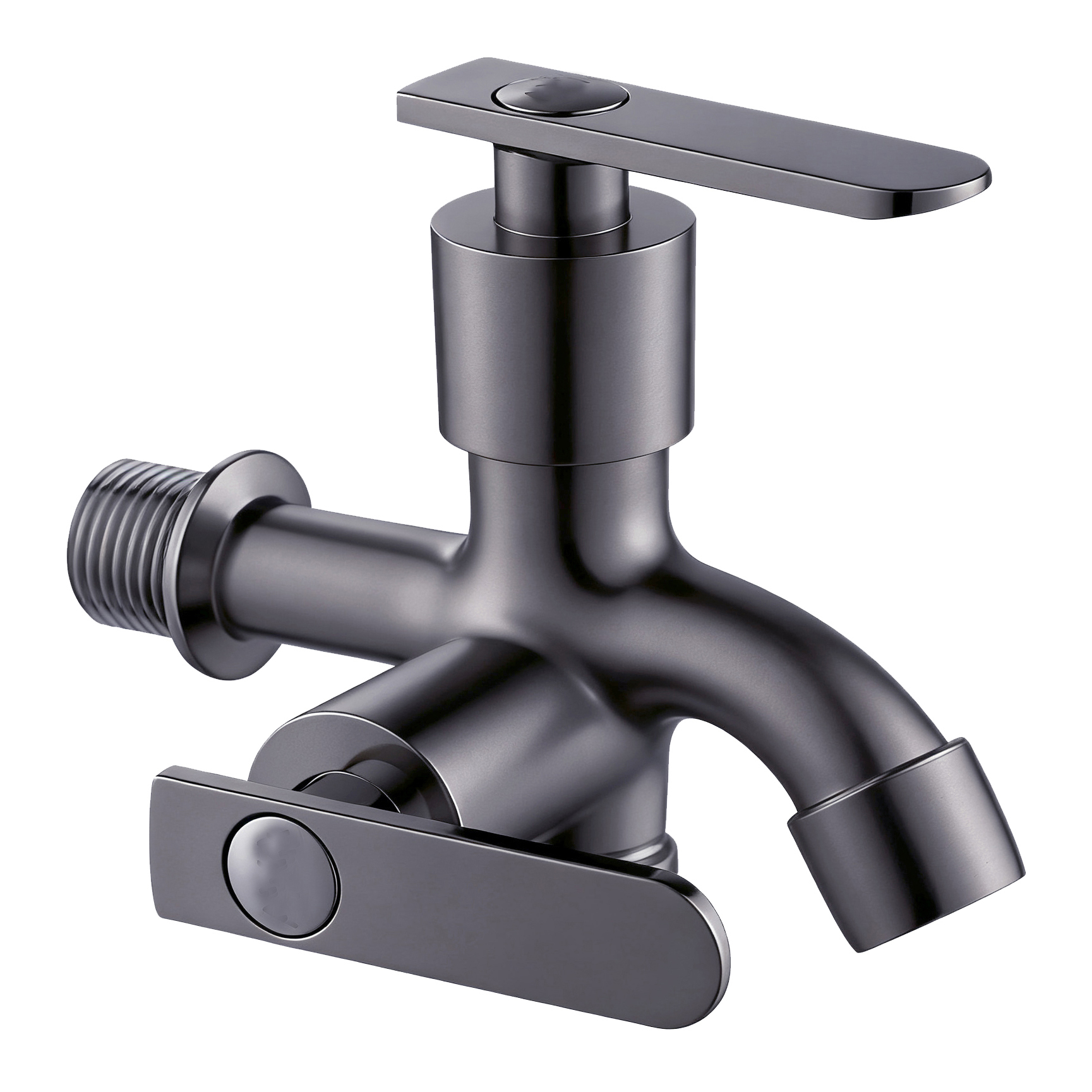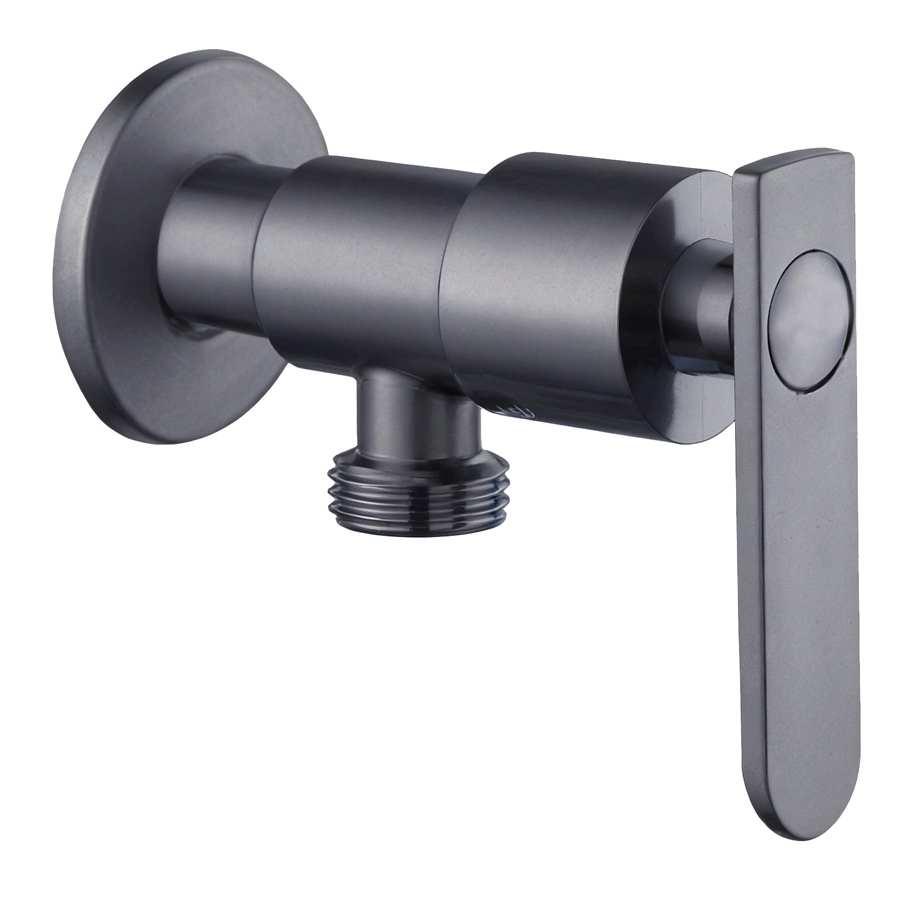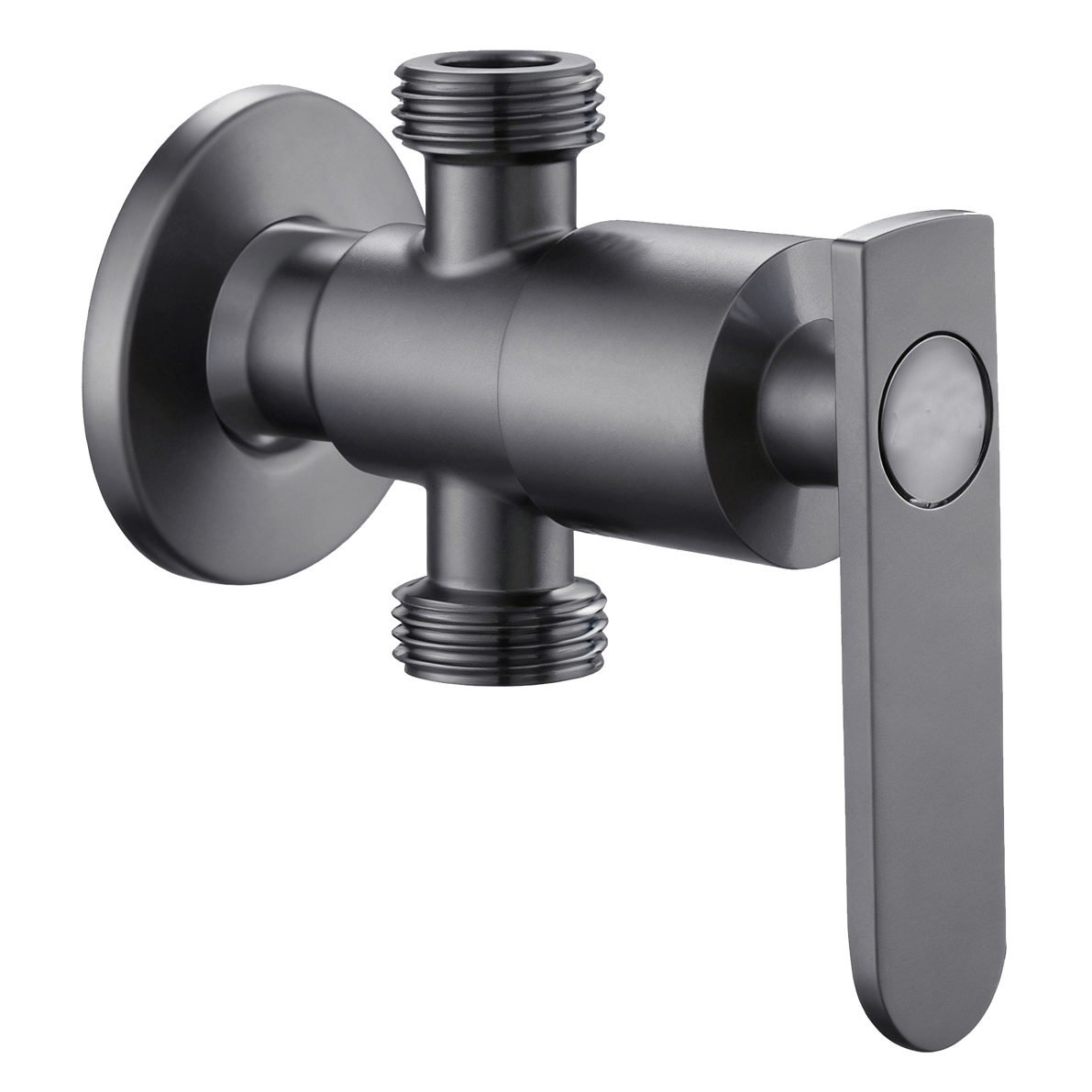



A faucet, two inlet hoses, and a matching valve can be purchased separately. However, a change in faucet design may affect all three components. A modification to the faucet body may require different connectors. Those connectors may then affect assembly. The finished product must also match the version approved by the buyer.
This is where Nan’an’s local supply network becomes relevant.
According to a report published by the Nan’an municipal government in February 2025, the local plumbing, sanitary ware, and valve industrial corridor generated approximately RMB 70 billion in output in 2024. Nearly 200 upstream and downstream companies began operations. The local sourcing rate among leading enterprises also increased from 35% to 85%.
These figures describe the industrial corridor and the companies covered by the report. They do not represent the local sourcing rate of every faucet manufacturer in Nan’an.
Nearby suppliers can make design discussions easier to organize. Machining and assembly teams can inspect the same component without sending samples between distant locations.
However, shorter distances do not automatically mean shorter order lead times. Actual production capacity, clear specifications, and timely approval of changes still matter.
How Does a China Faucet Manufacturer Manage Design Changes Across Its Supply Chain?
Rather than simply counting the workshops visited, buyers can examine how a single component change moves through production.
Suppose a connector needs modification after trial assembly. Several questions then become important:
-
Who updates the technical drawing?
-
Who informs the component supplier when the new version takes effect?
-
Who prevents old inventory from entering the next production batch?
The answers show whether a local supplier network can operate as a coordinated order supply chain with clear responsibilities.
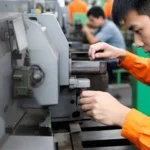
ЙОРОУ published manufacturing process covers casting, machining, surface finishing, and assembly. This information provides a starting point for discussions with buyers.
During supplier evaluation, buyers can examine the production steps required for a selected model. They can also confirm where each process takes place and who checks the components during handovers.
A manufacturing process description alone does not prove that every operation is owned or managed directly by the same factory.
The commercial value of these arrangements often becomes clearer when a repeat order arrives several months later.
When distributors reorder the same faucet model, they generally expect consistent finishes, installation dimensions, and included accessories. Approved specifications and clear change records help establish a reliable basis for these expectations.
For overseas buyers, Nan’an’s industrial concentration offers access to an extensive manufacturing supply network.
However, the value of this network depends on how suppliers manage individual orders. Every production stage must follow the same approved specifications. The same requirements should also remain clear during second and third orders.
A strong local supply network is useful, but accurate coordination between suppliers is what makes it valuable for repeat purchasing.