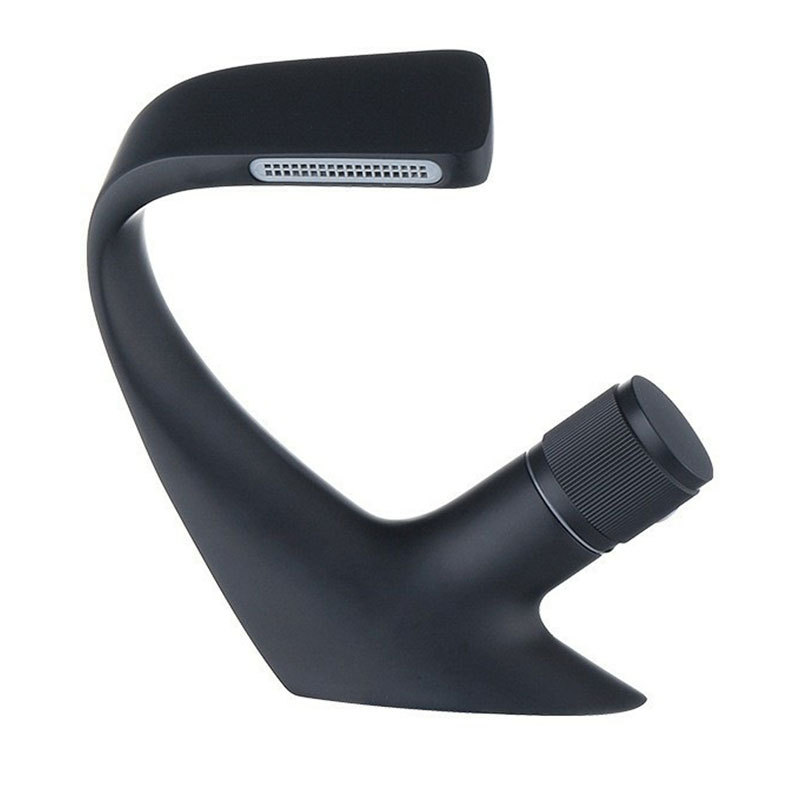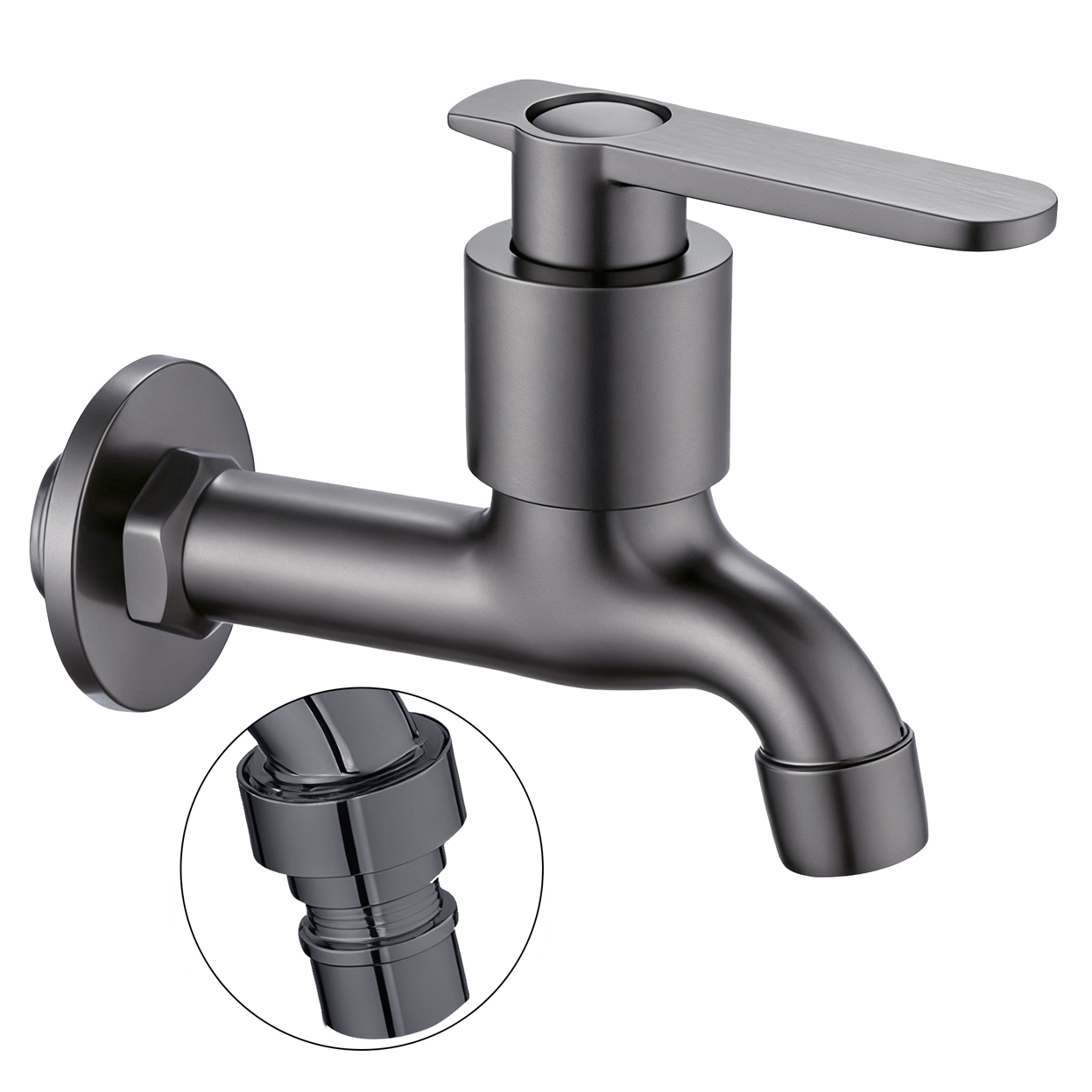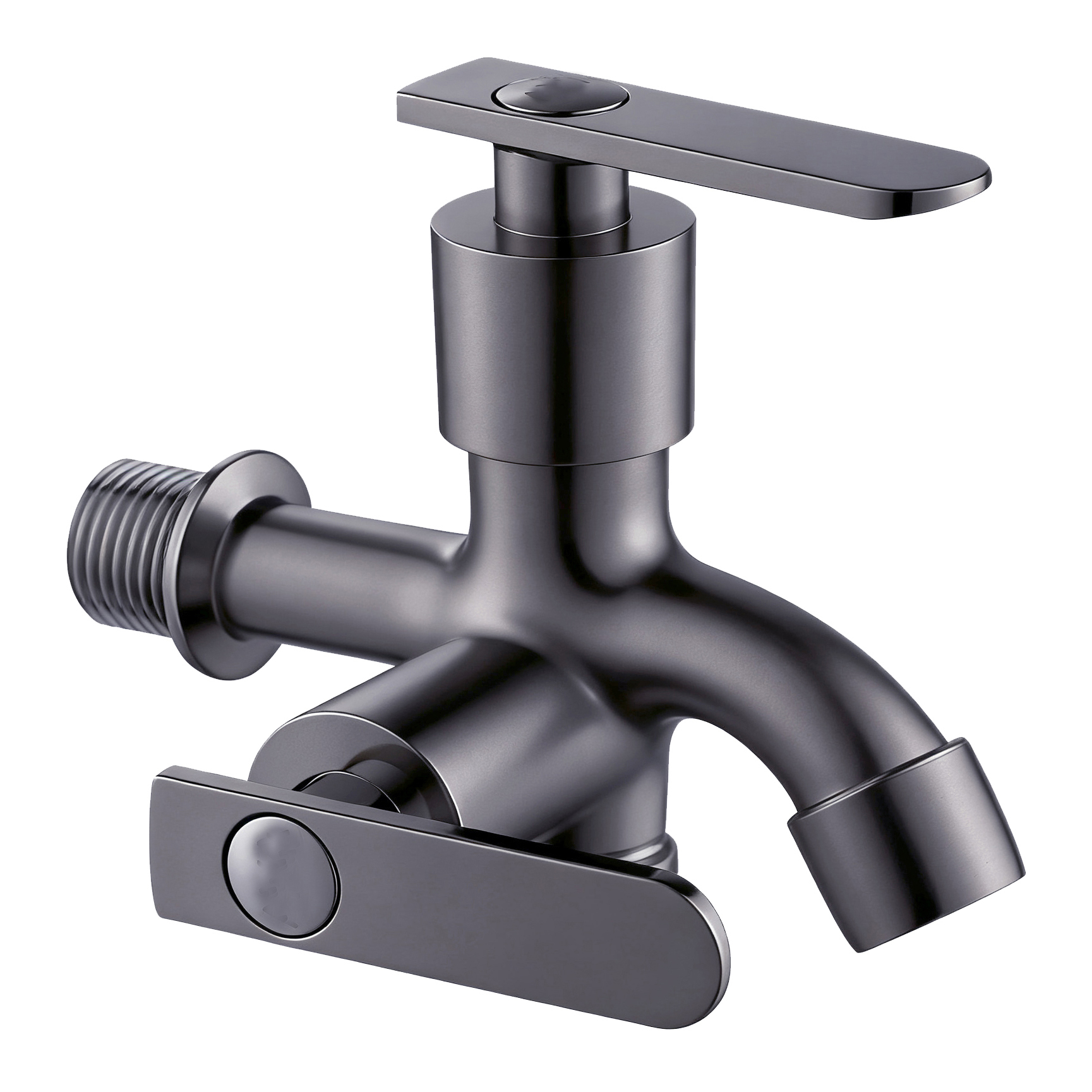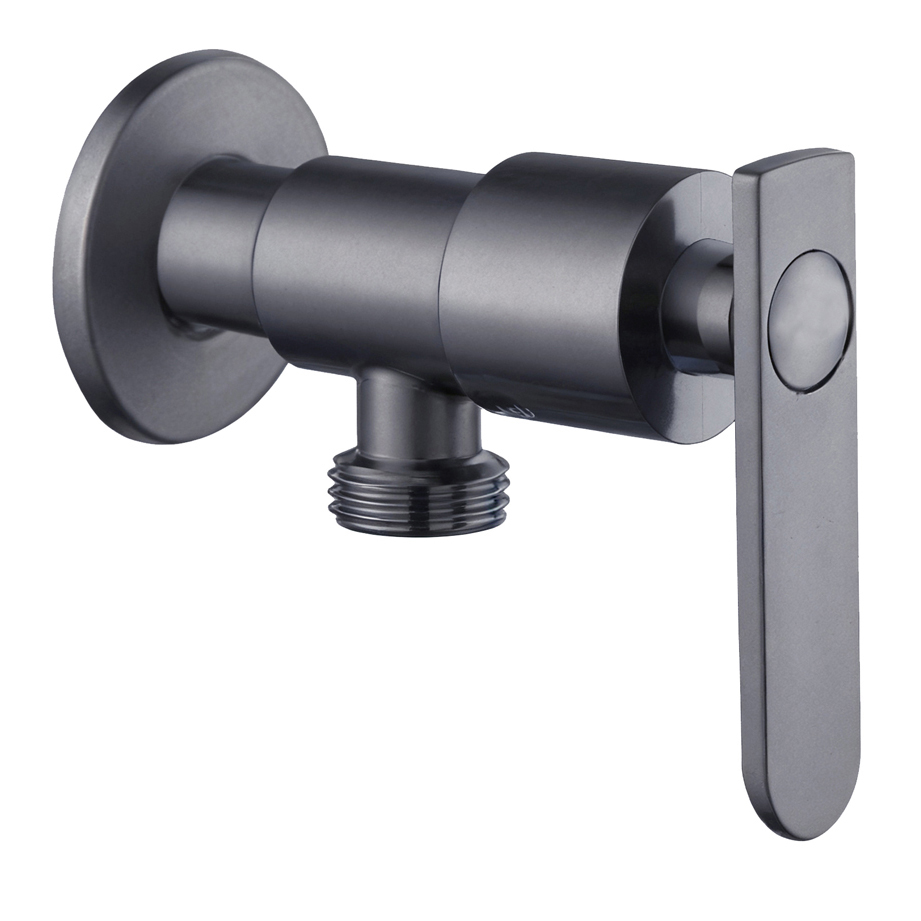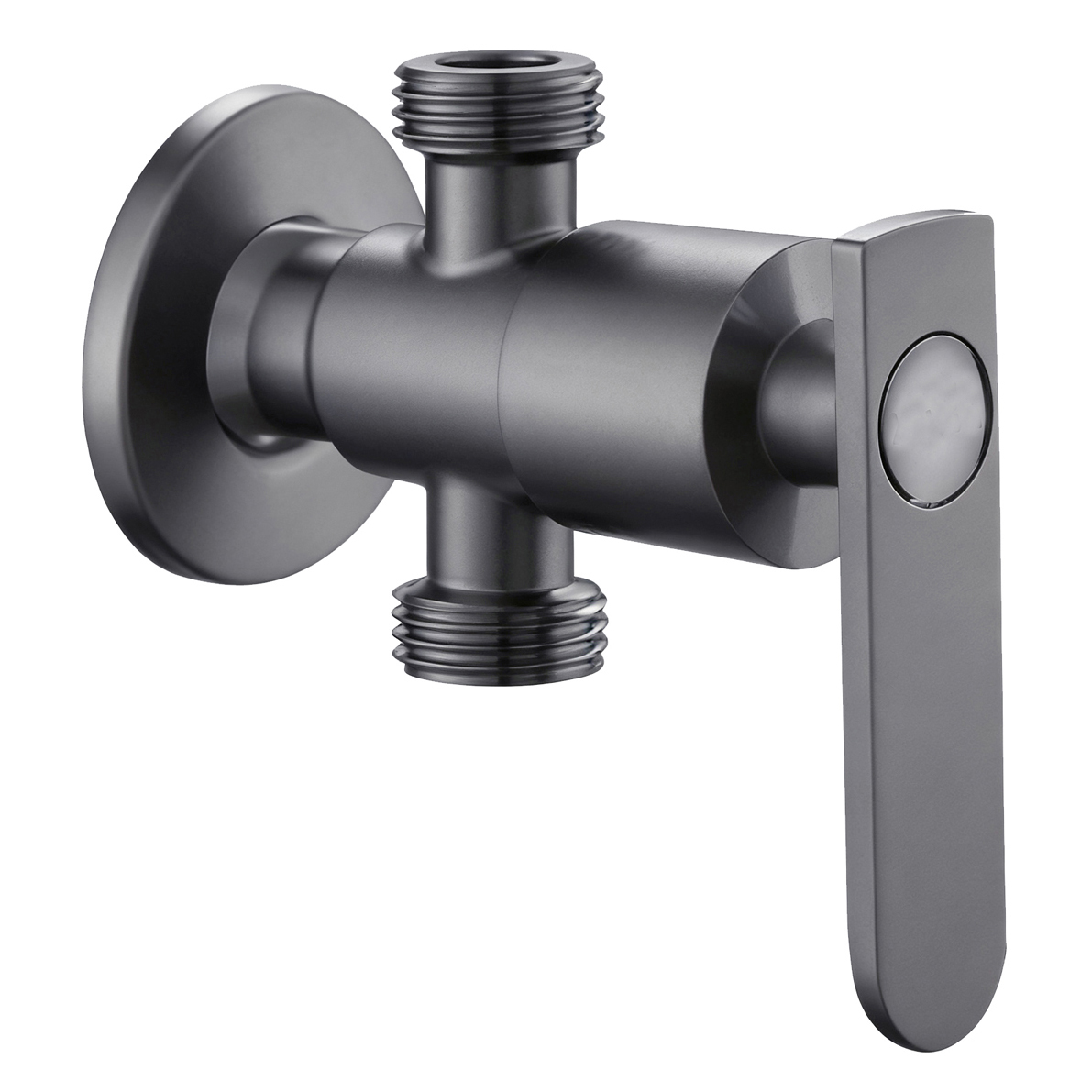




Two brass faucets are placed on the table. One is heavier, while the other has a lower quotation.
Which one offers the better basis for purchasing?
Weight and price alone cannot answer that question. The weight may include different structures, accessories, or material distribution. The quoted price may also represent a different finish, cartridge, accessory set, or inspection scope.
A useful comparison starts by defining exactly what is being supplied. Weight, brass grade, product configuration, and finished-product evidence can then be reviewed on the same basis.
For buyers looking for a brass faucet manufacturer, the practical question is not simply which faucet is heavier or cheaper. It is:
Where does the price difference come from when the target specification is supposed to be the same?
Answering that requires the quotation to connect with drawings, material information, samples, and the agreed delivery configuration. Descriptions such as “heavy-duty,” “premium brass,” or “export quality” do not provide enough information on their own.
Define What Is Being Weighed Before Comparing Weight
A weight figure means little until the weighing scope is defined.
Is the supplier weighing:
- the faucet body only;
- the assembled faucet with cartridge and handle;
- the faucet with hoses and fixing parts;
- or the complete sales set including packaging?
These figures cannot be compared directly.
For sample comparison, record the sample identity, weighing condition, and included components. Another person reviewing the quotation should be able to understand what the stated weight represents.
A difference in weight should also be traced back to the structure.
One faucet may be taller or have a longer spout. Another may use a different fixing arrangement. Even when two faucets have similar external dimensions, differences in internal geometry, reinforcement, or component combinations can change the total weight.
For this reason:
More weight does not automatically mean better performance.
Ask the supplier where the additional weight comes from instead of assuming that every extra gram improves the product.
Weight can still be useful as a consistency check when its purpose is defined.
For example, if weighing is used to detect missing accessories, it should not be presented as proof of brass composition. If it is intended to identify possible structural changes between production batches, the weighing scope should remain linked to the approved product configuration.
A convenient number should not be asked to prove more than it actually can.
A Brass Grade Should Lead Back to a Material Requirement
“Brass” describes a material category. It is not a complete purchasing specification.
For the relevant components, the buyer should be able to identify the material grade, applicable specification, and component to which the requirement applies.
The drawing requirement, material evidence, and finished-product material list should be consistent with one another.
Names used in different countries or supply chains may not always be directly interchangeable. If two material designations are claimed to be equivalent, the comparison should be made against the relevant technical requirements rather than assumed from similar terminology.
The same principle applies within the faucet.
A brass external body does not automatically mean that every metal component in contact with water uses the same brass grade. The body, connectors, and other wetted components should be identified according to the actual construction.
If Supplier A and Supplier B quote different brass grades, the supporting material information should correspond to the components used in those specific quotations.
A general description of a brass grade may help during an early technical discussion. It does not prove that the material from a particular production batch has been verified.
The objective is not to collect more material documents. It is to make sure the material information actually belongs to the faucet being compared.
Copper Industry Trends Are Background, Not a Finished-Faucet Pricing Formula
China’s Implementation Plan for High-Quality Development of the Copper Industry (2025–2027) discusses areas such as raw-material security, coordination across the industrial chain, and industrial upgrading.[1]
For faucet buyers, this type of policy information provides useful supply-chain context. It does not show how much a particular factory’s brass faucet should cost, nor does it prove that all finished-faucet quotations must move in the same direction.
Brass raw material is only one part of a finished faucet quotation.
Machining, finishing, cartridges and other functional components, assembly, verification, accessories, and packaging can all contribute to the delivered cost. A change in raw-material prices therefore does not necessarily produce the same percentage change in the finished-product price.
If a supplier says that a raw-material adjustment affects a quotation, buyers can ask which orders are affected, when the new price takes effect, and what pricing basis is being used.
Most importantly:
Changing the price, changing the material, and changing the product structure are three different decisions.
A change in raw-material conditions should not automatically become permission to substitute an already approved material or configuration without review.
Put the Main Quotation Differences on One Comparison Sheet
A quotation becomes easier to evaluate when the main variables are visible together.
| Comparison Area | What the Quotation Should Define | What to Do When the Offers Differ |
|---|---|---|
| Material & weight | Component material grade, applicable specification, and weighing scope | Check where the structural or material difference occurs |
| Machining & connections | Relevant dimensions, connection type, and drawing version | Confirm whether both products meet the same installation conditions |
| Отделка | Finish definition, approved reference, and verification scope | Do not assume the same finish name means the same delivered specification |
| Functional configuration | Cartridge, outlet components, and included accessories | Align the configuration before comparing unit prices |
| Testing & delivery | Applicable checks, required documents, packaging, and commercial conditions | Separate additional costs and unresolved requirements |
The purpose of this table is not to make every faucet look identical.
It is to reveal where two quotations are not yet directly comparable.
Suppose Supplier A includes hoses and fixing parts while Supplier B quotes the faucet without them. The first step is not to declare B cheaper. The missing items should be priced or assigned to the buyer before the unit-price difference is evaluated.
Likewise, if two faucets use different structures, there may be no reason to force them into a “same product” comparison. Instead, compare how each configuration meets the same intended use and what the complete delivered package costs.
When reviewing a brass tap factory, the same comparison sheet can guide questions about a specific model. Buyers can confirm how key dimensions, finish versions, component configurations, and inspection requirements correspond to the product being quoted.
Whether every production step is completed in-house is less important than whether the finished-product supplier can maintain and verify the agreed requirements.
Understand What Lead-Content Evidence Actually Proves
Lead-related information needs the same discipline.
NSF explains that NSF/ANSI/CAN 372 addresses lead content. Its technical information also distinguishes lead-content requirements from other health-effects requirements that may apply to drinking-water products.[2]
For purchasing purposes, this means that a “low-lead” description should not automatically be interpreted as proof that every health-related or functional requirement for the finished faucet has been verified.
A material lead-content value is also not the same thing as the concentration of lead in water during use.
When comparing documentation, check:
What product or component was evaluated? Which standard was used? What scope does the evidence cover?
If the evidence covers one component or one product model, keep that boundary in the comparison.
Для OEM brass faucets, these questions are best addressed while the material, structure, and required verification are still being defined. Waiting until packaging and product claims have already been finalized can make later changes more difficult.
Use Samples to Resolve What the Quotation Cannot
Samples should do more than answer, “Which faucet do we like?”
Before the sample review, list the quotation differences that remain unresolved.
For example:
- Why is one faucet heavier?
- Does the connection match the intended installation?
- Does the finish correspond to the agreed reference?
- Are the quoted accessories actually included?
- Does the assembled configuration match the quotation?
Each question can then be linked to an observation, drawing, document, or appropriate verification method.
Information that cannot be determined from the sample itself should be supported separately.
A sample can show dimensions, assembly, finish, and many practical differences. It cannot, by appearance alone, prove every material or production claim.
If a sample is disassembled or used for destructive testing, identify it accordingly. A modified sample should not later be treated as an untouched appearance reference without explanation.
The same principle applies when moving from sample approval to wholesale brass faucets.
A repeat order remains directly comparable with the original quotation only when the approved material, configuration, accessories, finish, and other relevant delivery conditions remain consistent. An unchanged external appearance does not necessarily mean that the internal configuration has remained unchanged.
Make the Price Comparison About the Product Being Delivered
When requesting a brass faucet quotation from YOROOW, buyers can provide the intended use, target market, dimensions, finish, required accessories, and documentation requirements.
The weighing scope can also be defined so that weight figures from different options refer to the same thing.
The quotation can then be reviewed together with:
brass grade + weight basis + structure + finish + components + finished-product verification + delivery conditions
This moves the discussion beyond:
“Which faucet is heavier?”
or:
“Which supplier has the lower unit price?”
The more useful question is:
“What materials, configuration, evidence, and delivery conditions does each quoted price actually include?”
Once those conditions are aligned, the price difference becomes much easier to explain and compare.