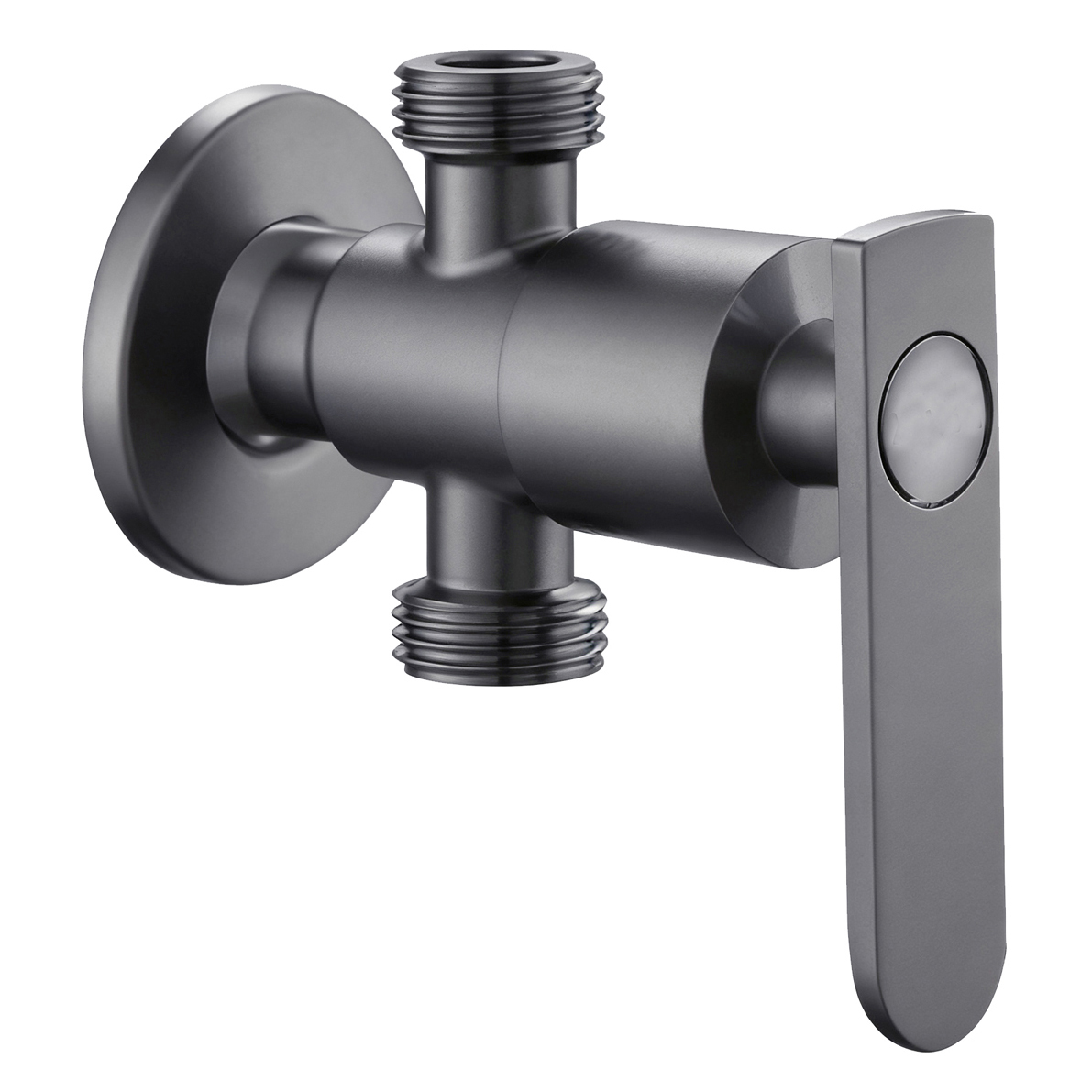




The first building of an apartment project may be installed without problems, yet the second building can receive different accessory kits, while the third is fitted with an updated basin. Each faucet batch may look correct on its own, but the site can no longer install them in the same way. For a faucet supplier for construction projects, the challenge is not only supplying the right products. It is keeping the product configuration consistent across buildings, locations, and delivery batches.
Construction procurement should connect the approved product version with its installation location and delivery batch. The approved sample establishes the starting point, site interface checks confirm whether the product can be installed, and delivery records help the site identify where each batch belongs. Total quantity and a common product name are rarely enough to support phased construction.
Use Buildings and Applications to Build a Delivery Matrix
Before requesting a quotation, organize the requirements by building, floor, area, or unit type. Include the application, product configuration, quantity, and expected installation stage. The grouping should match how materials are actually received and distributed on site. There is no need to divide the project into unnecessary levels of detail. The important point is to make real differences visible.
Для bulk faucets for apartment projects, basin, kitchen sink, and shower configurations may vary between unit types or areas. These combinations should be confirmed before quantities are consolidated. Treating products with similar appearances as one model may simplify the quotation, but it can leave installation differences for the site team to resolve.
| Information to Track | Example | Why It Matters |
|---|---|---|
| Installation location | Building, area, or unit type | Identifies where the goods should go |
| Product identity | Model, interface, accessories, and version | Identifies the required configuration |
| Delivery batch | Quantity, planned arrival, and status | Connects the goods with the construction schedule |
| Approval basis | Approved sample and drawing version | Defines the reference for later deliveries |
The matrix should have a clear owner. If the project design changes, updating the engineering drawing without informing procurement can create a mismatch. Likewise, if procurement changes a product configuration, the supplier and site material records need to be updated from the same version.
Make the Approved Sample Match the Actual Installation Combination
Sample approval should use the relevant basin, sink, countertop, or other installation conditions where possible. Check the product’s installation, operation, and accessories under those conditions.
Appearance approval and installation approval can be recorded separately. This prevents “the sample has been approved” from being interpreted as approval of every installation condition.
The project record should include more than sample photos. Keep the model, configuration, key dimensions, and relevant document versions together with the approval record. If a temporary accessory was used during the sample stage, state whether it is approved for mass production or still requires confirmation.
The sample should become a reference for later batches, but it should not replace technical installation requirements. Site-specific conditions should still be reviewed by the appropriate project or technical personnel.
Confirm Interfaces Before Starting Batch Production
When working with a faucet supplier for contractors, provide the site connection conditions rather than relying only on product appearance drawings. Mounting holes, countertop conditions, water connections, and related equipment all need to match the intended installation.
If site information has not been finally approved, the procurement record should show what is provisional and when confirmation is required.
The supplier’s response should distinguish between confirmed items, deviations, and items still awaiting approval. Interface terminology can also vary between markets and projects, so clear drawings and connection references are safer than relying on ambiguous abbreviations.
Before batch production begins, both sides should identify which inputs are frozen. If a change is made afterward, its effect on work in progress, finished inventory, packaging, and delivery timing should be assessed before the new configuration is released.
Put Project Requirements Into the Product Documentation
Construction projects need product requirements to be defined through the applicable regulations, specifications, and contract documents. For example, China’s Water Conservation Regulation, effective May 1, 2024, includes requirements concerning water-saving facilities in construction projects and the use of water-saving fixtures in public buildings. The specific provisions applicable to a project still need to be confirmed rather than replaced by a general description such as “water-saving faucet.”
For overseas projects, the same principle applies: check the requirements of the destination market together with the project’s design documents and contract scope. A document supplied for one market may help describe a product, but it does not automatically replace the evidence required for another market.
Performance information should also correspond to the actual product configuration. If an outlet component, control component, or other key part changes, the project team should determine whether existing test data and approval records still apply.
The goal is not to create more paperwork. It is to make sure that the product delivered to each building can be traced back to the configuration that was actually approved.
Make Batch Packing Support Site Distribution
Project faucet supply should be packed in a way that makes receiving and material distribution easier. Outer cartons and inner packaging can use consistent model, version, and project-group information, with the exact format agreed according to the site’s material management system.
Too many internal codes without a corresponding reference can create another source of confusion.
Each batch should show its quantity, configuration, and accessory scope. If one complete installation set is packed across multiple cartons, the receiving team should be able to identify how the set is completed. Counting only faucet bodies can hide the fact that required accessories have not arrived.
Production inspection and packing records can also support this process. The key questions are practical:
- Which packing list was used for the batch?
- How was the configuration checked before shipment?
- How can the site identify the production batch after receiving the goods?
These links help connect factory shipment records with site-level material control.
Do Not Change Product Configuration Just Because the Schedule Changes
Construction schedules often move forward or backward. Delivery dates and inventory plans can be adjusted accordingly, but temporary schedule pressure should not automatically trigger an unapproved component substitution.
If a replacement is necessary, the technical difference, verification basis, and applicable project scope should be confirmed before release.
For example, if an accessory needs to change before the second delivery, the project team should determine whether the first batch is affected, whether the old and new accessories are interchangeable, when the new version takes effect, and which buildings will receive it.
Existing inventory also needs to be considered. Issuing a new version in the system does not automatically mean that warehouses and installation teams have stopped using the previous version.
Trace Delivery Problems Back to the Box and Location
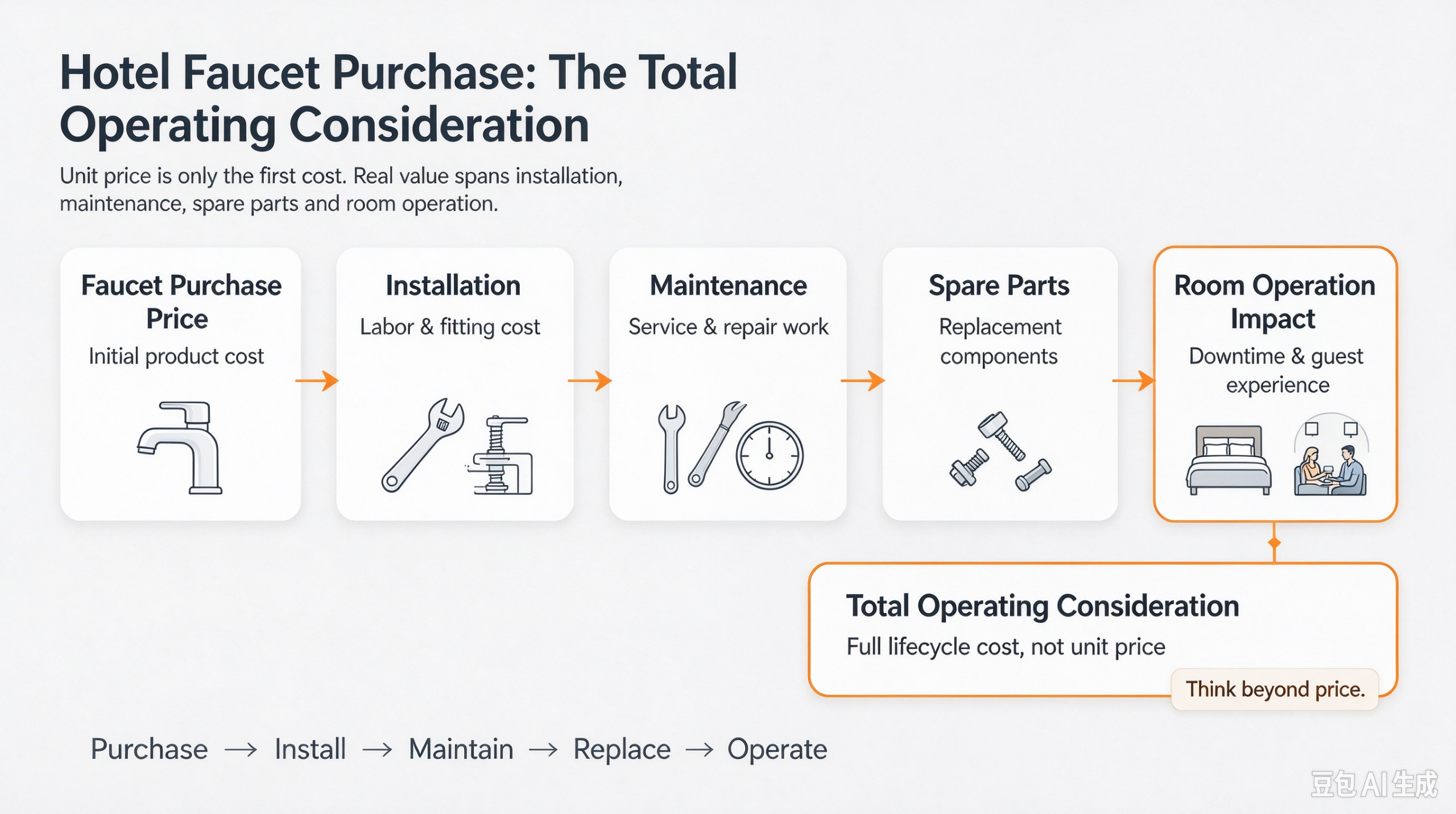
When a site reports missing accessories, incorrect configurations, or transport damage, the initial record should identify the carton, model, quantity, photos, and discovery time. Where relevant, the status should also distinguish between unopened goods, issued materials, and installed products.
Before sending a replacement, confirm whether the site needs a complete set or only a specific accessory, and identify which product version it belongs to. Sending a similar-looking part simply because it is available can create another mismatch.
After the issue is closed, the remaining site inventory and subsequent delivery batches should also be checked. A missing component may originate from packing, material distribution, or information transfer rather than from manufacturing alone. Recording the cause and corrective action helps prevent the same problem from appearing in the next building.
Leave Product Identity With the Project After Handover
After completion, the property management team or owner may no longer have access to the original installation team. Handover documents should therefore identify the model, configuration version, maintenance information, and spare-parts identification for each relevant area.
This does not require a complex database. An accurate area-to-product record can be enough if it remains clear and usable.
Remaining spare parts should also be handed over with their applicable product versions and storage information. Mixing components from different project stages into one box marked “general spare parts” can force future maintenance staff to identify them again from appearance alone.
A construction project’s supply process is not fully traceable simply because all faucets have been delivered. The useful endpoint is a product identity that remains clear from the approved sample through each delivery batch and into future maintenance.
References