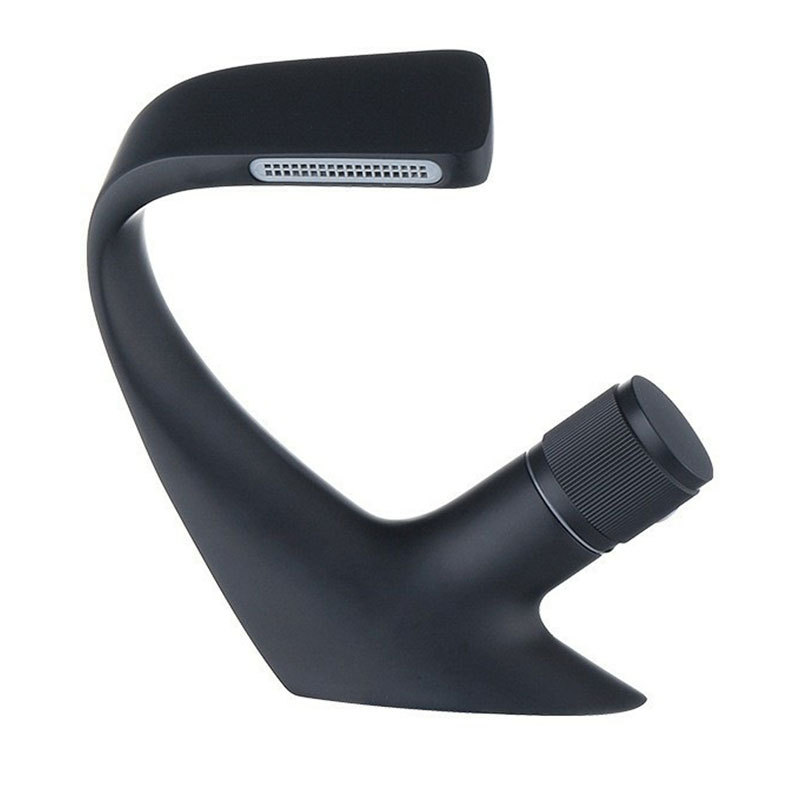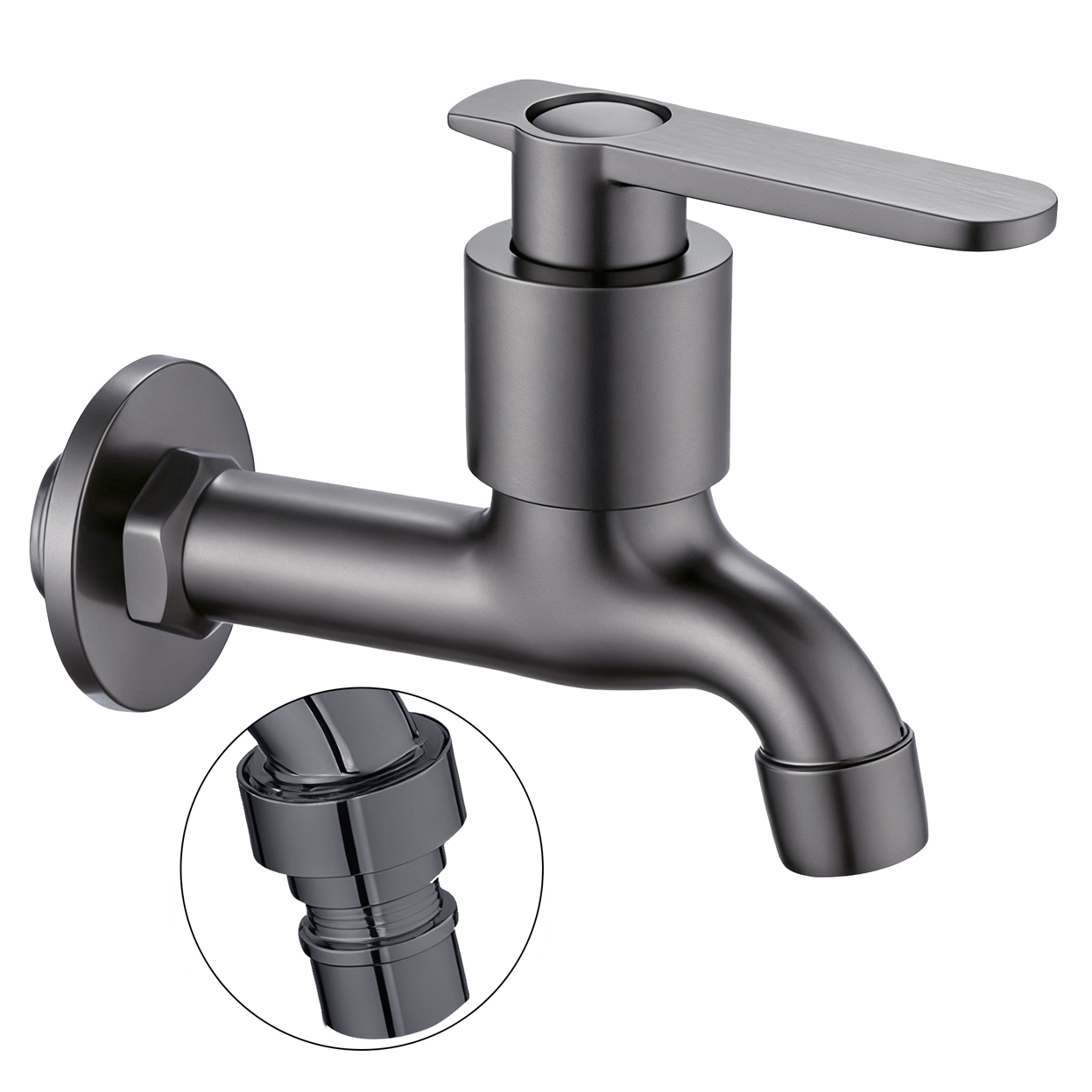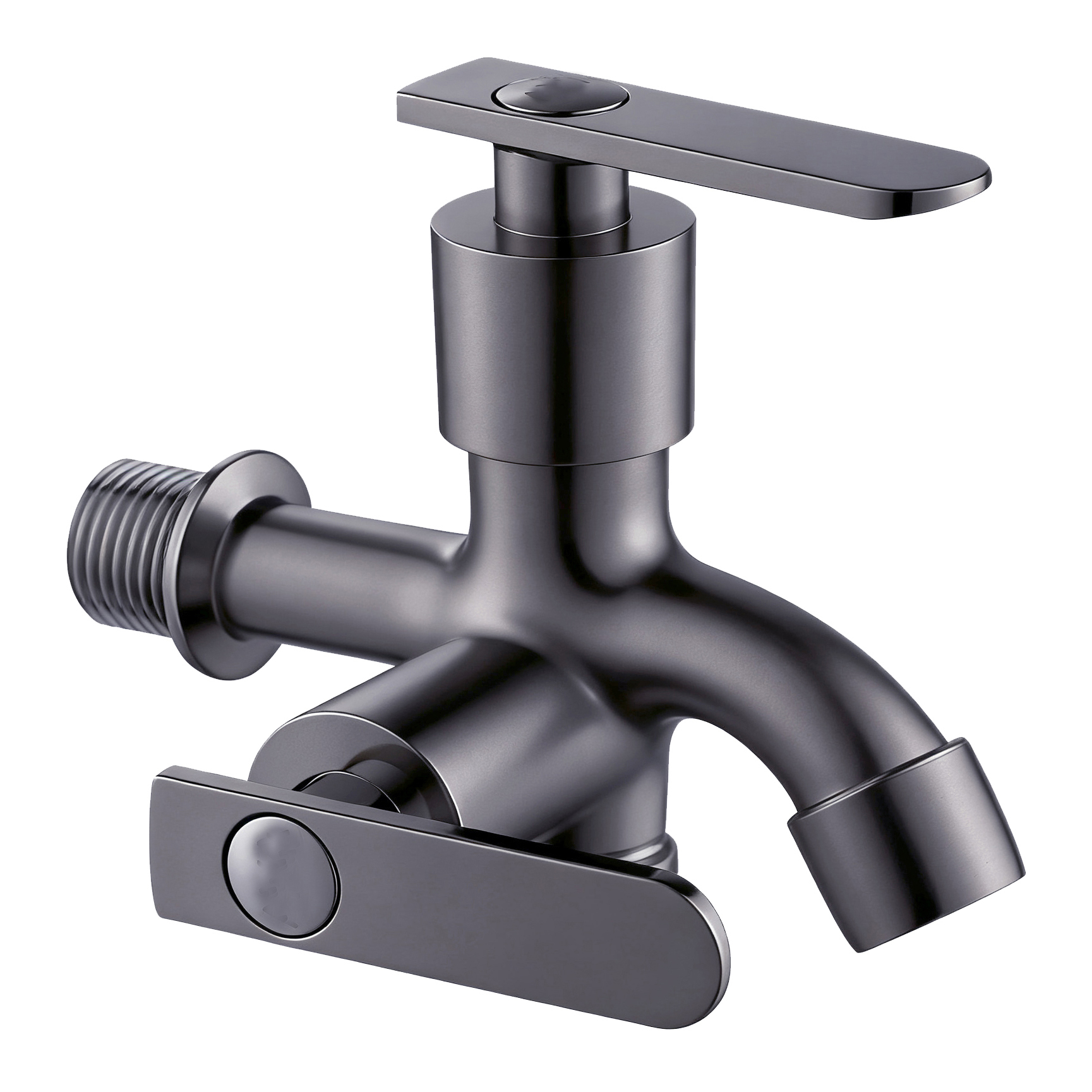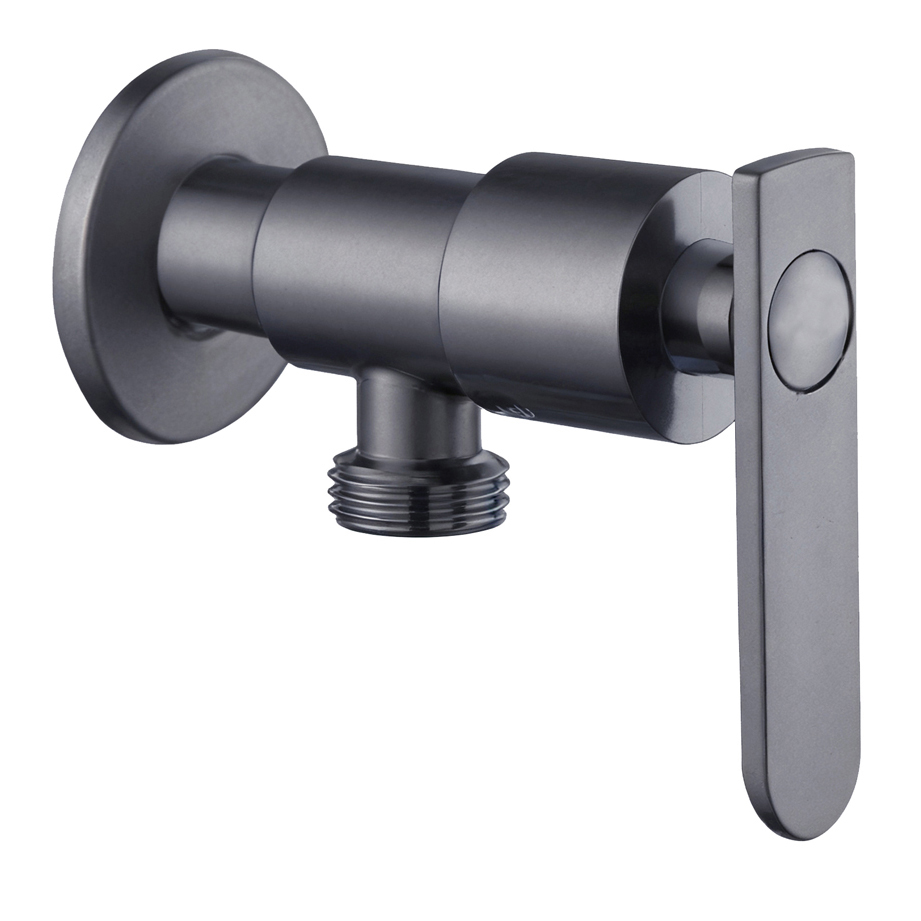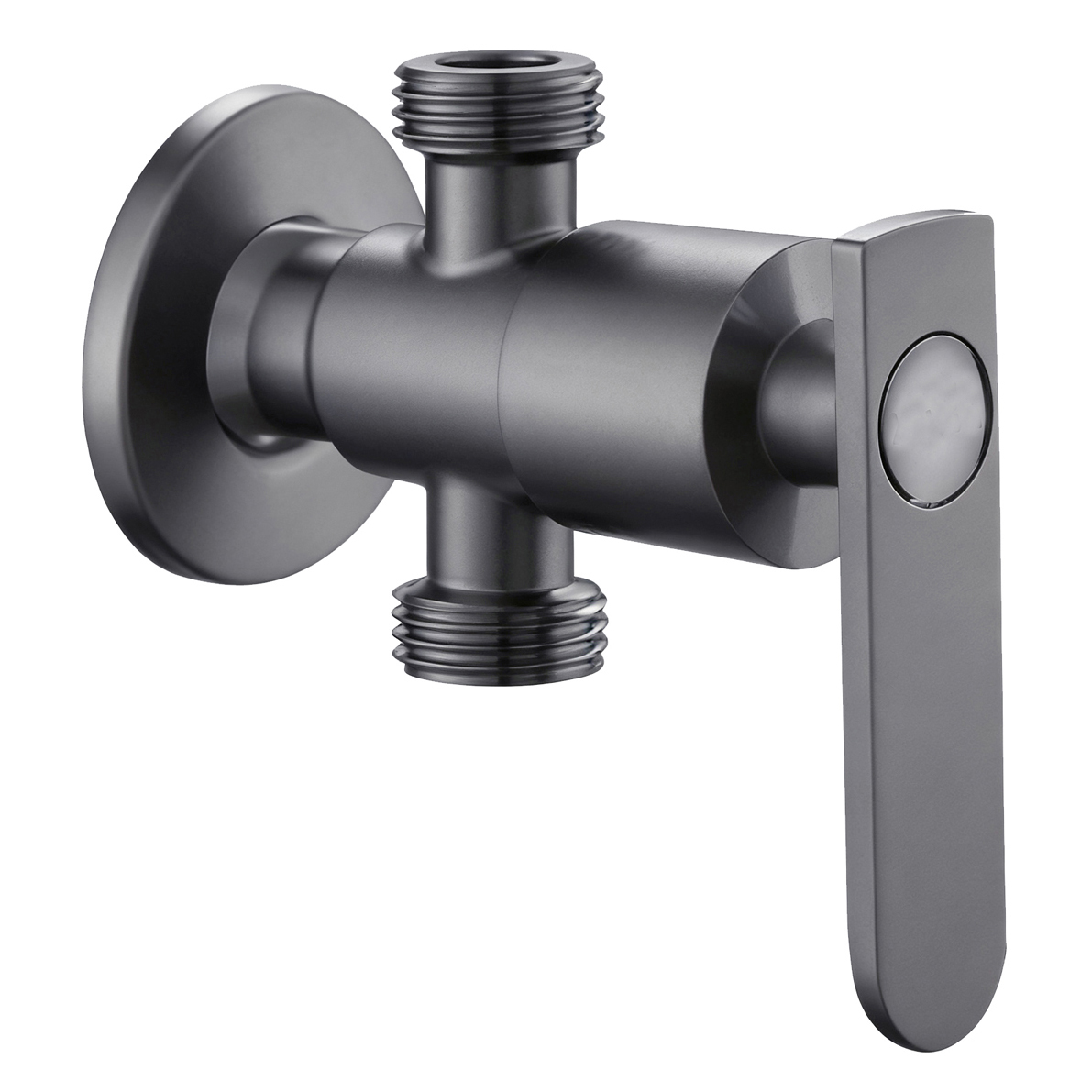




A faucet sketch can show the proportions, curves, and overall character of a design. It does not show how the waterway will run, how components will fit inside, or how the finish can be produced consistently.
When working with an ODM faucet manufacturer, the first useful review should identify these engineering constraints early. It should also clarify which design features need to be preserved and which ones may need adjustment after verification.
An ODM project may adapt an existing platform or involve a new structure and tooling. The two approaches can require very different engineering work even when the sketches look similarly complex. Before comparing quotations, both sides should define how deep the development needs to go and what the project must prove.
Start With Why the Product Exists
Before discussing curves and corners, the development team needs to understand the product’s purpose.
The intended user, installation environment, sales positioning, and cost boundary all affect engineering decisions. If a brand wants more operating space around a particular basin, for example, the basin dimensions and required hand movement become useful design inputs. If the goal is a recognizable product family, the visual elements that should remain consistent across models should also be identified.
Without this information, design revisions can become a series of subjective preferences rather than decisions based on a clear product purpose.
Good custom faucet design services should therefore produce more than a more detailed version of the original sketch. An early review can identify several feasible directions and explain how each one affects the internal structure, manufacturing process, components, and verification work.
Review Manufacturability From the Inside Out
Once the design intent is clear, the next question is whether the proposed shape can accommodate a workable internal structure.
The engineering review needs to consider the waterway, control components, connections, seals, and assembly space. A section that looks suitable for a thinner or shorter body may leave insufficient room for the actual components once the internal structure is defined.
Manufacturing considerations should be reviewed at the same time. The material, forming method, machining requirements, surface treatment, assembly sequence, and inspection points all influence how the design can be produced.
The manufacturing route should follow the actual material and structure of the project rather than being treated as a default solution for every faucet. A design may look achievable in a digital model but still create difficulties for tooling, machining, finishing, assembly, or inspection.
Access for machining and inspection also matters. If a critical area cannot be reached reliably with the planned process, the issue is easier to solve while the design is still flexible than after the appearance has been frozen.
Check Components Before the Shape Is Frozen
Existing cartridges, connectors, and other established components can provide useful starting points for an ODM project. Their dimensions, operating conditions, availability, and supply arrangements should be checked before the external design is finalized.
Using a mature component does not mean copying an existing faucet. At the same time, an existing component cannot automatically fit every new appearance. The available installation space, connection method, operating requirements, and surrounding structure still need to be evaluated.
Component development can also change over time. Sedal, for example, describes ongoing development around component dimensions, structures, and functions. This illustrates why key components should enter the engineering discussion early rather than being selected only after the external shape has been finalized.
If a critical component has only one practical option, the project should also consider its effect on timing and future supply. Whether an alternative can be used, and what would need to be re-verified after a substitution, should be assessed based on the actual design rather than assumed from nominal dimensions alone.
Give Each Prototype a Specific Job
Not every prototype needs to represent the final production condition.
An appearance model can help evaluate proportions, grip, and spatial relationships. A functional prototype may verify part of the internal structure or operation. Neither necessarily represents the final surface treatment, production tooling, or complete assembly process.
The prototype should therefore be selected according to the question the project needs to answer. There is little value in building a fully production-like sample when the immediate question is only whether a handle looks and feels right.
Development feedback should also be specific enough to guide the next revision. Instead of saying that a handle needs to be “more comfortable,” the team can record the actual movement involved, what felt difficult, which area may need adjustment, and how the change will be verified.
This keeps the prototype stage focused on decisions rather than turning every sample into a general review of the entire product.
Decide What Must Be Solved Before Tooling
Tooling represents a more concrete manufacturing commitment. Before making that investment, the team should review the current drawing, critical components, unresolved issues, and any problem that could force a major tooling change.
Not every open question needs to stop the project. A useful distinction is:
- Structure or tooling issues: resolve these before the design enters tooling.
- Verification issues: define the test condition, responsible party, and decision point.
- Later-stage issues: record their limits clearly so they are not mistaken for completed validation.
This prevents “we can adjust it after tooling” from becoming the default solution.
The cost basis should also be reviewed at this stage. An early estimate may have assumed a different material, component, or manufacturing route. If the engineering solution has changed, the quotation basis should change with it rather than allowing the first estimate to remain an implied final commitment.
Tooling scope, design files, and related commercial arrangements should be agreed separately between the parties. Development payment alone should not be treated as an automatic definition of every ownership or usage right.
Use Trial Production to Test Repeatability
A trial production run is not simply another opportunity to select one good-looking sample. It should show whether the actual material, tooling, operations, and inspection arrangements can work together to produce an acceptable result repeatedly.
If a sample requires extra hand finishing or temporary adjustment to reach the target, the team should determine whether that work is part of the intended mass-production process. Its effect on cost, production time, and consistency should be understood before the product moves forward.
This distinction matters because a prototype can succeed through additional attention that would not be practical for regular production.
When a deviation appears during trial production, the issue should be connected to the relevant version and process conditions. The corrective action and subsequent verification should be recorded rather than assuming that replacing one sample has closed the manufacturing problem.
When evaluating a custom faucet manufacturer, it can be useful to ask how the manufacturer normally moves a new design from prototype to repeatable production. The important evidence is not only the finished product photo, but also how engineering decisions are carried into the manufacturing process.
Transfer Development Decisions Into Production
Once development is complete, the production team needs more than the final appearance.
The production information should cover the approved drawings, materials and critical components, appearance requirements, inspection points, packaging, and current change status. Details that were confirmed during meetings should be reflected in the appropriate production documents instead of remaining only in conversations.
The status of product claims should also remain clear. A design feature can be described based on the approved product. A performance improvement, however, should have corresponding verification before it becomes a product claim.
This creates a useful distinction between three stages:
Engineering target → Prototype observation → Production confirmation
Keeping these states separate helps prevent an idea discussed during development from being treated as a verified mass-production result.
The goal of ODM development is not simply to turn a drawing into one finished faucet. It is to turn the design intent into a product whose structure, components, manufacturing process, and production requirements can be understood and repeated.
Sources / References: