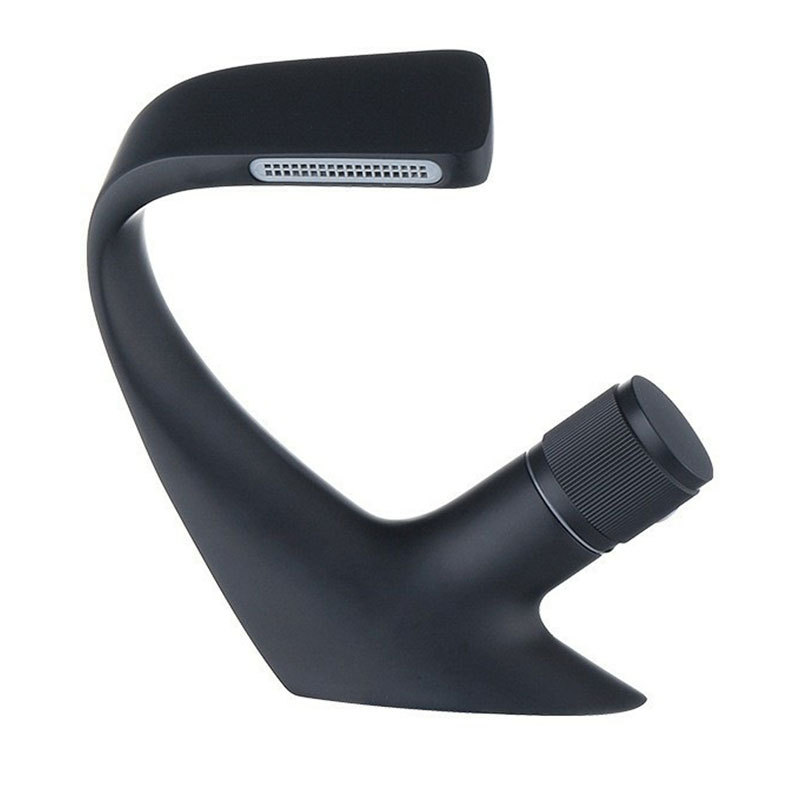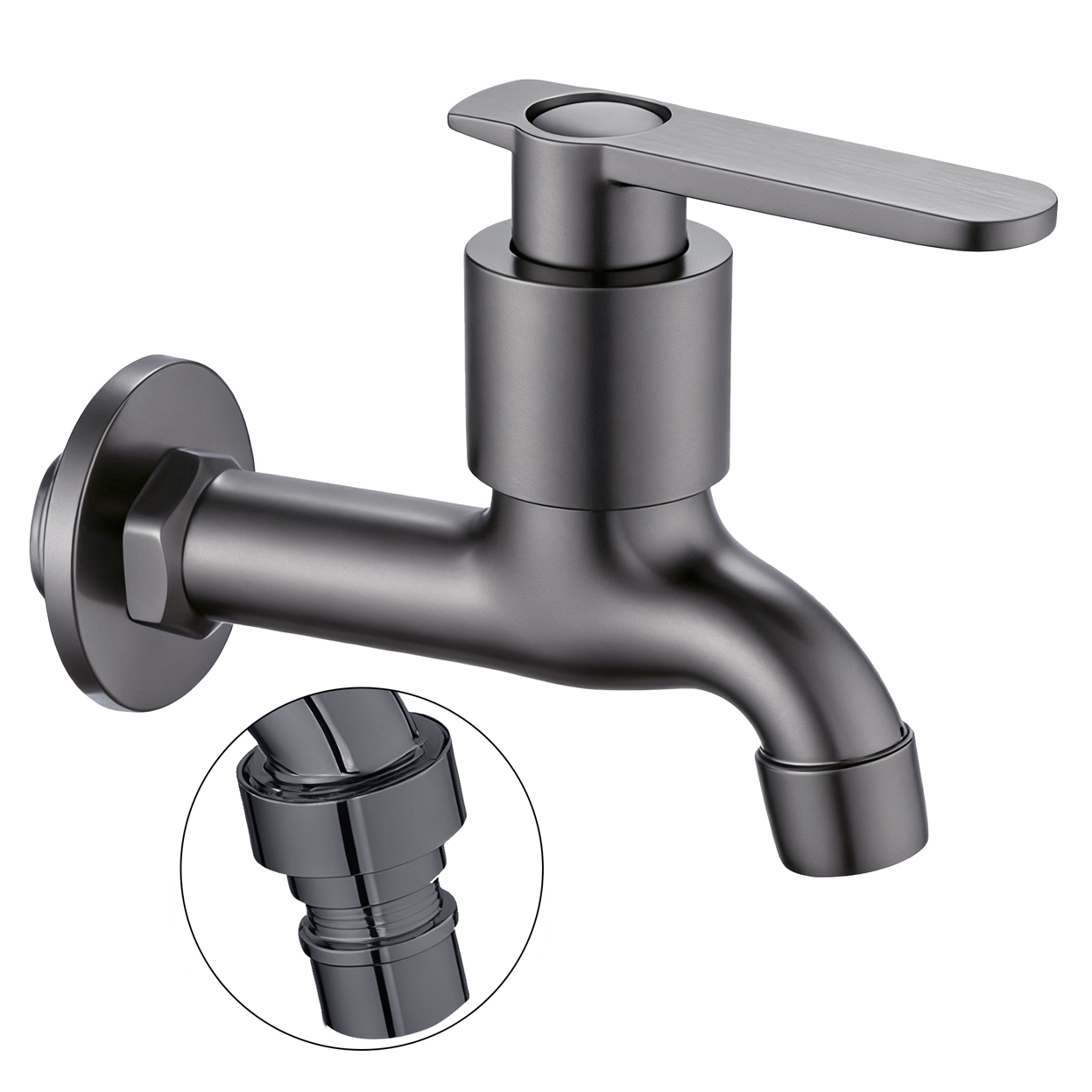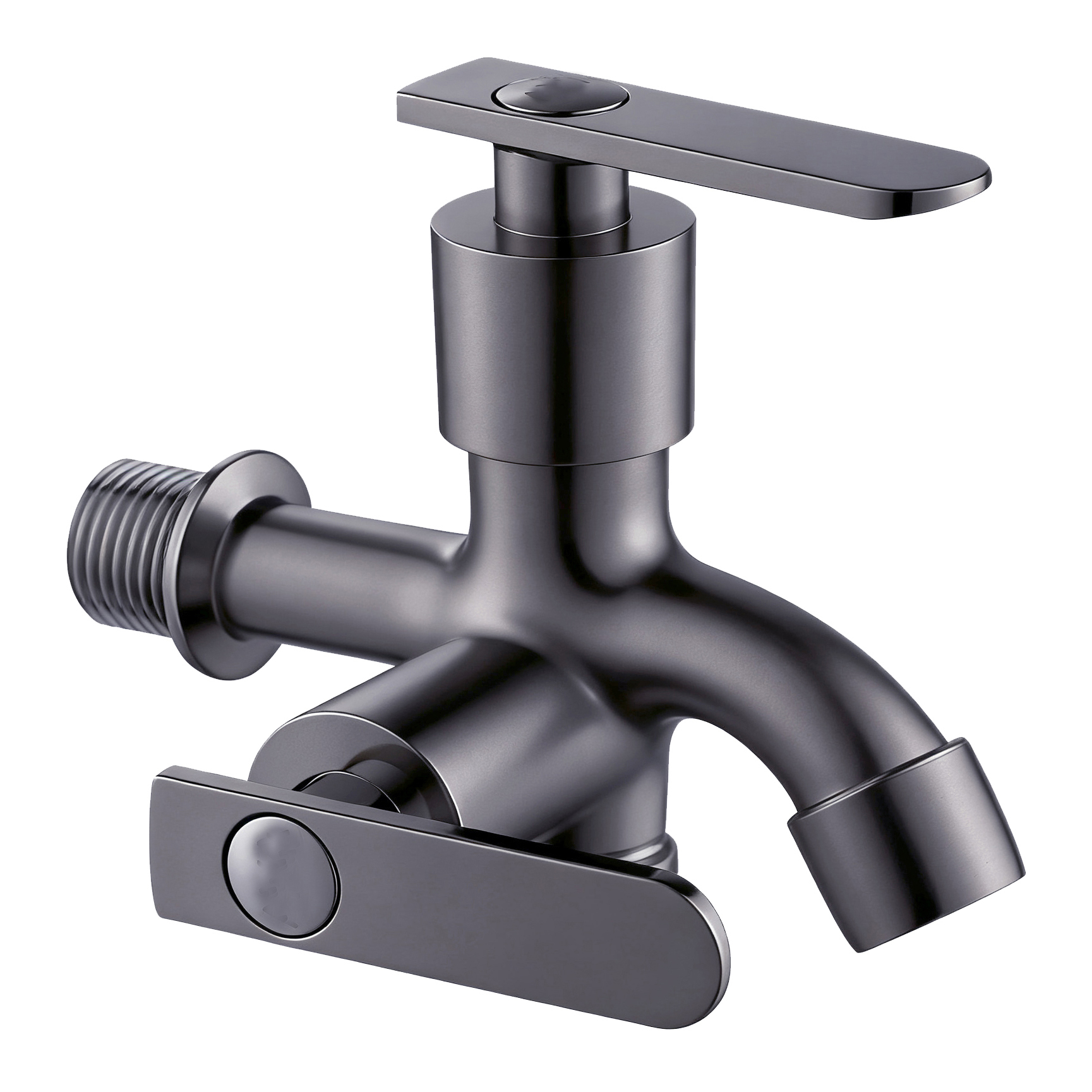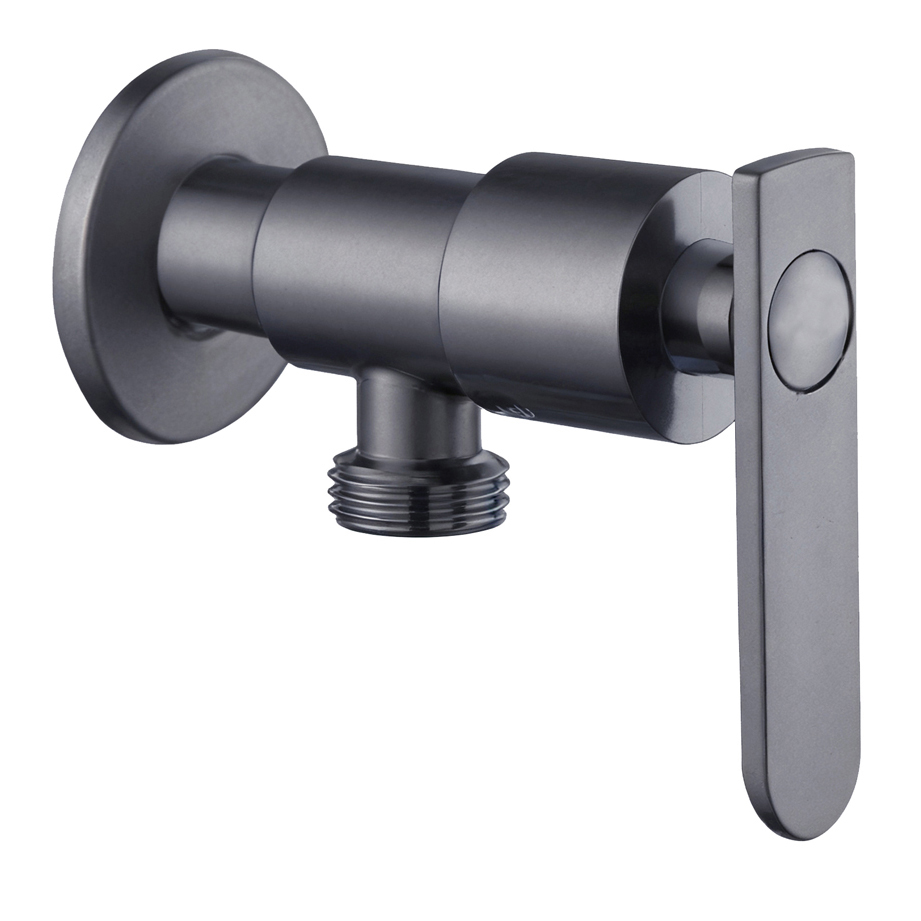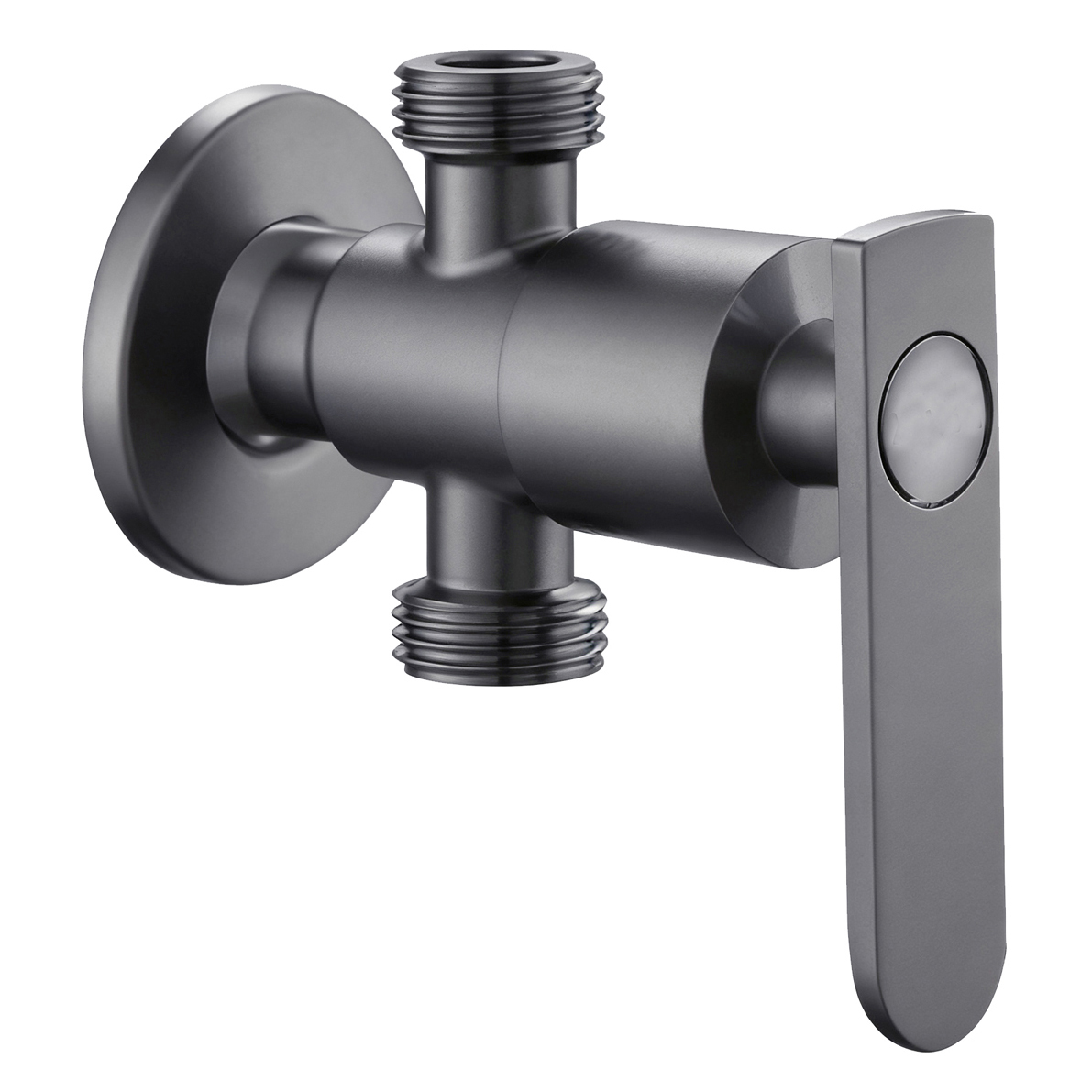




With a standard deck-mounted faucet, installers may still have some room to adjust certain specification issues during installation. A Wall Mount Basin Faucet leaves much less flexibility. The valve body, hot and cold water connections, and other installation structures need to match the wall conditions in advance.
If the sampling stage fails to identify a dimensional or structural problem, correcting it becomes much more difficult once mass-produced units reach the project site. For this reason, sample approval for a wall-mounted faucet needs to cover more than appearance.
Sampling Should Verify the Installation Relationship
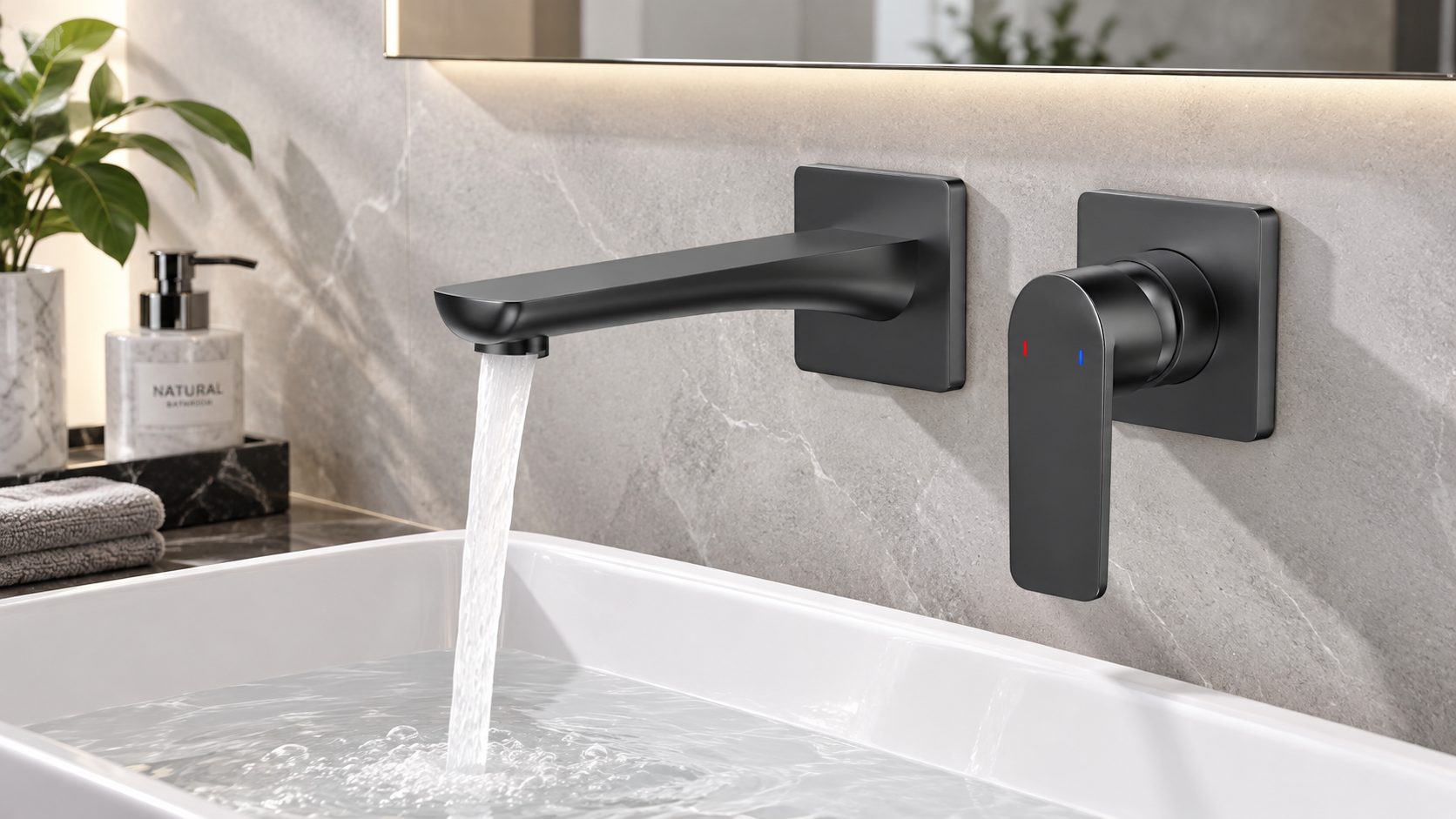
Take a wall mounted basin faucet 2 holes as an example. Finish, handle design, and water flow all matter, but they are only part of the sample review.
The sample should also confirm the in-wall structure, hole positions, spout projection, and available operating space after installation.
These dimensions do not work independently.
Spout projection needs to match the basin position. Changes in the finished wall thickness can affect where exposed components finally sit. If the concealed structure does not match the reserved installation space, installation itself may become difficult or even impossible.
The real purpose of sampling is therefore to answer one question: When this faucet enters its intended installation environment, do the faucet, wall, and basin work together correctly?
Checking a complete sample on a workbench may not reveal every issue. When critical installation dimensions are involved, an actual installation check based on the planned site conditions provides more useful confirmation.
In-Wall Components Deserve Earlier Attention
For a wall mounted concealed basin bathroom faucet, making adjustments after installation is usually more difficult for concealed components than for exposed parts.
Sample approval should therefore go beyond visible Finish and appearance. It also needs to cover the concealed valve body, connection positions, sealing points, mounting structure, and conditions required for future maintenance.
The goal is not to add more tests to every concealed faucet. Instead, the priority should be the parts that will be most difficult to change after installation.
An exposed component that can still be replaced later does not carry the same risk as an incorrectly positioned connection inside the wall. Recognizing this difference during sampling helps focus attention on the specifications that can affect mass installation later.
A Sample Should Define the Mass-Production Standard
A sample has not completed its purpose if the only conclusion is, “This unit works.”
Before mass production begins, the approved dimensions, structure, materials, Finish, configuration, and installation requirements need to become repeatable production specifications.
This step is particularly important for OEM/ODM Wall Mount Basin Faucet projects. As a China faucet factory, YOROOW can link the final approved sample with the corresponding drawings, BOM, and fixed installation specifications during sample confirmation. Production can then follow the approved version instead of relying only on a general “sample approved” result.
Differences between the approved sample and the BOM, drawings, or specifications used for production can lead to different results in the final order. This can happen even when the approved sample itself performs correctly.
The sampling stage for a Wall Mount Basin Faucet should therefore answer one final question:
If every production unit follows this approved version, can it be installed and used correctly under the confirmed installation conditions?
Once the sample can answer that question clearly, it has fulfilled its real purpose before mass production begins.