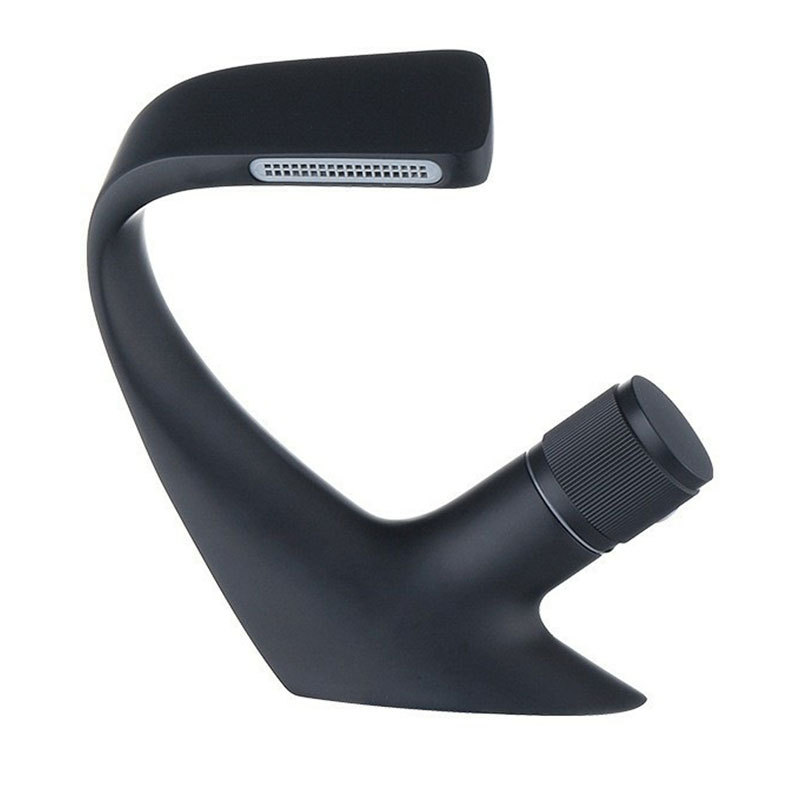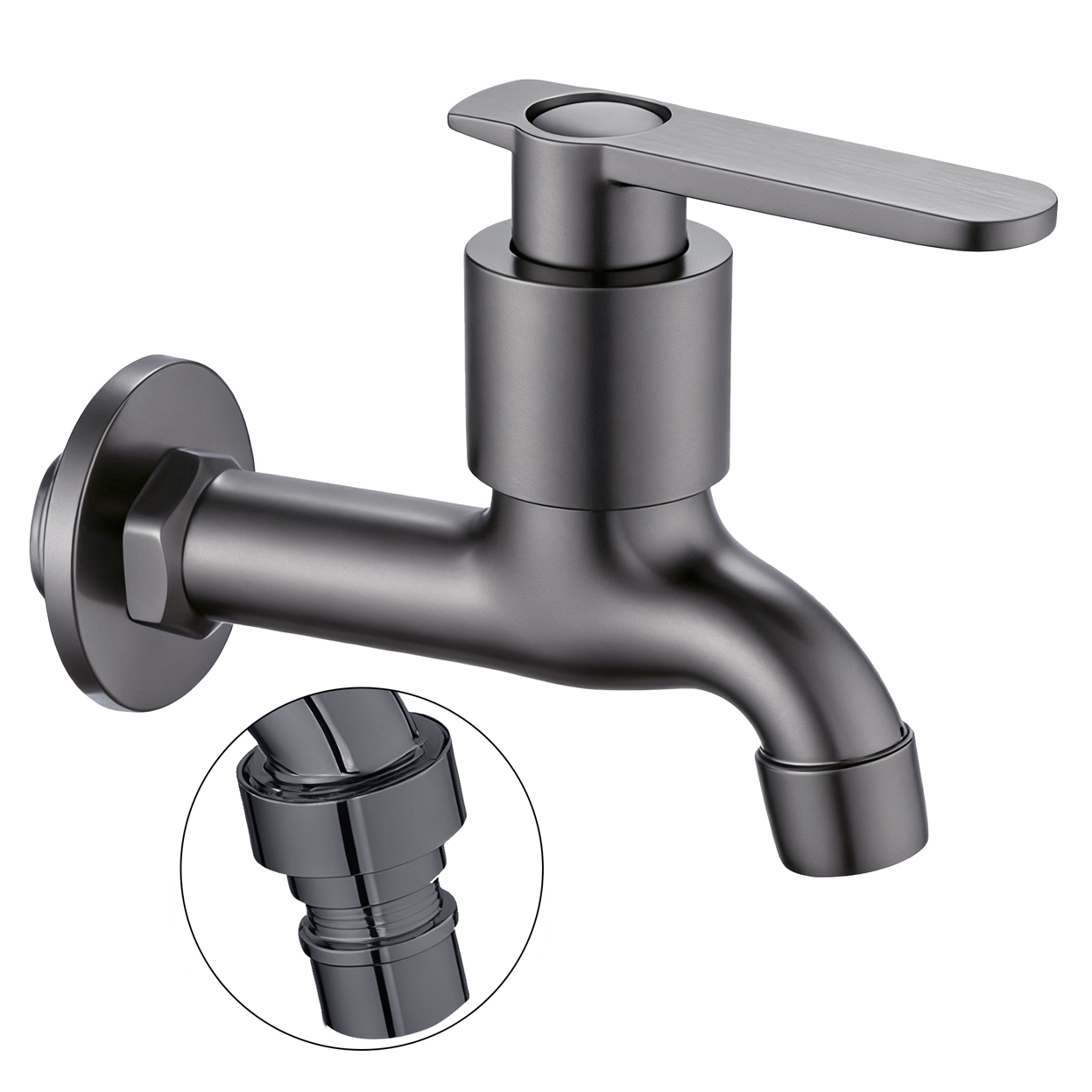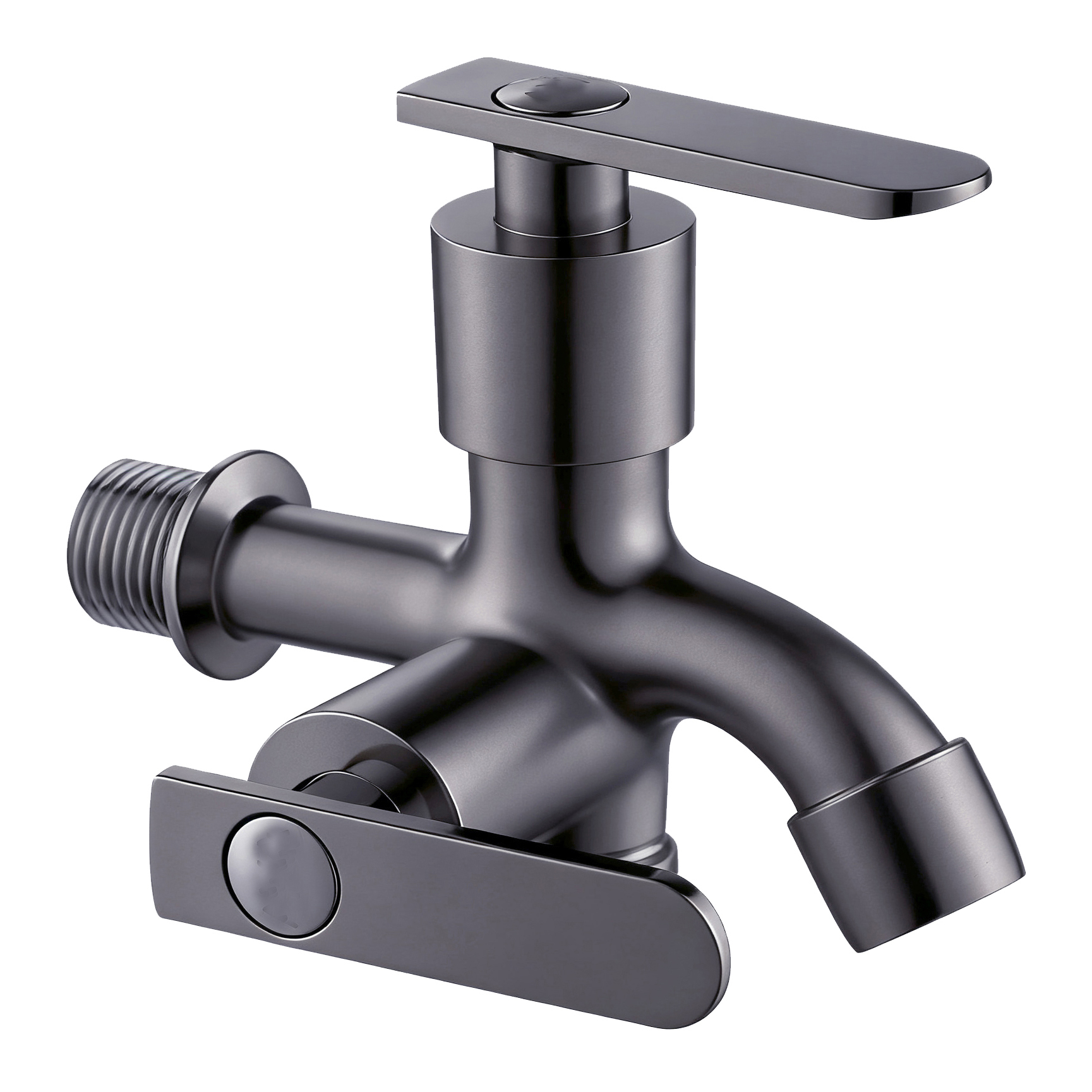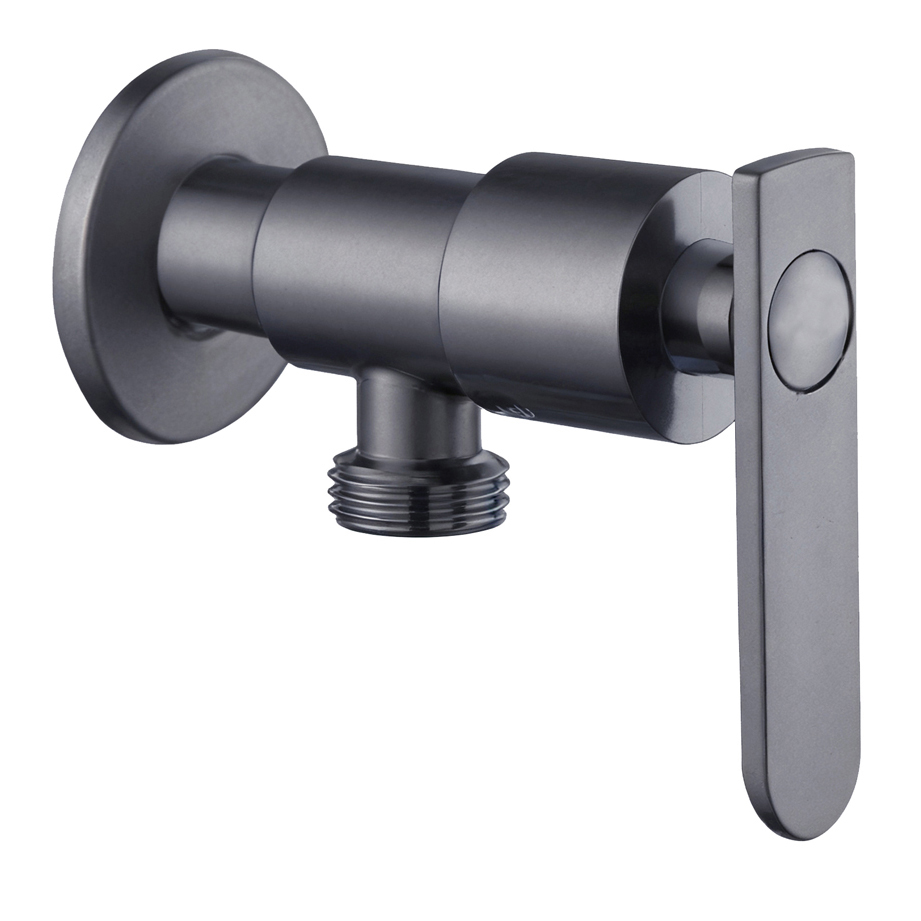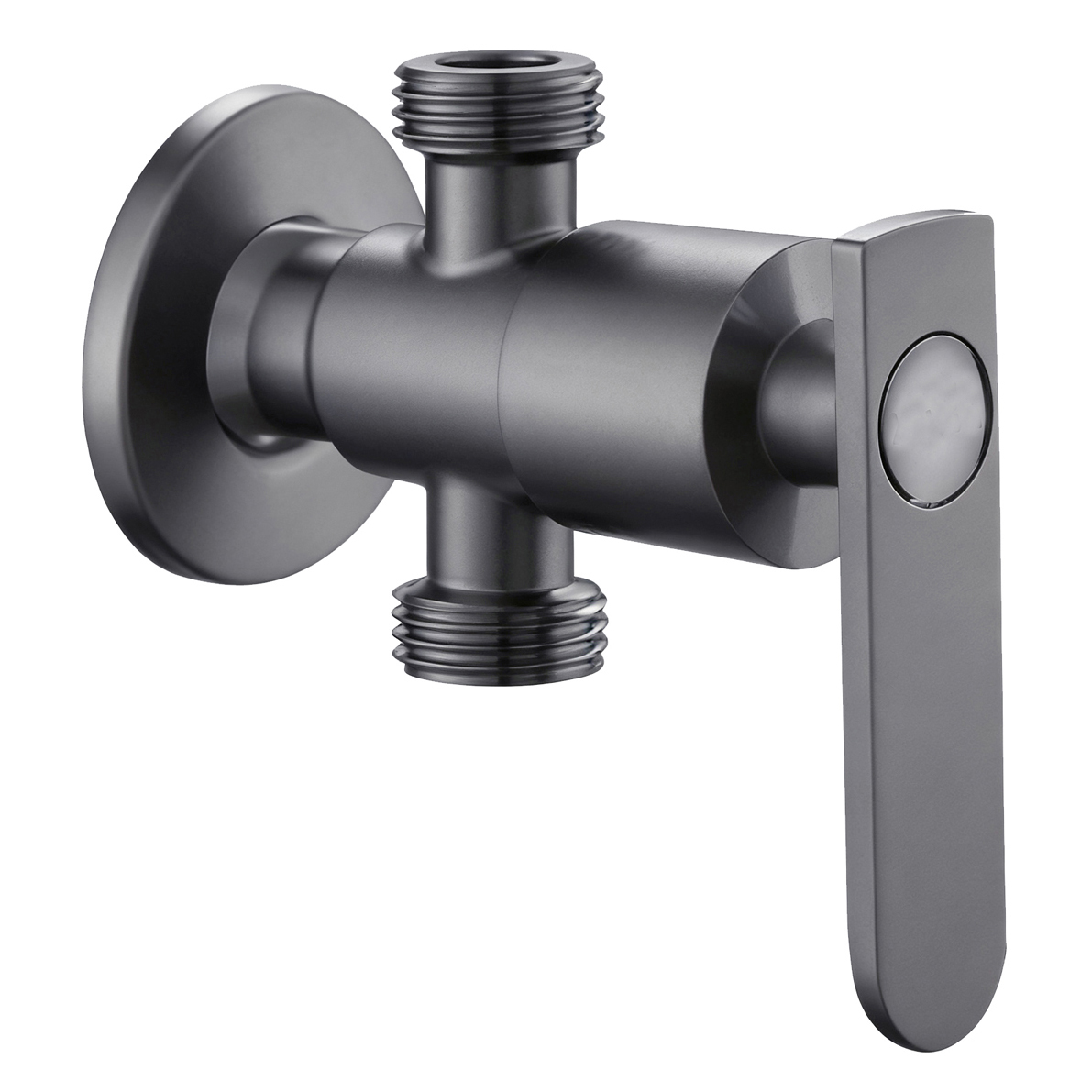




The same Faucet can be sold through multiple sales channels, but that does not mean every channel should carry exactly the same SKUs and configurations.
Retail, commercial and project channels differ in how products are selected, installed and maintained. When planning a Product Range, the more useful question is which parts of the product can remain shared and which differences are significant enough to require a different configuration.
Why Shouldn’t a Commercial Shower Faucet Simply Copy the Retail Configuration?
Take a Commercial Shower Faucet as an example.
In retail, products usually need to be easy to understand and compare. Appearance, feature combinations and packaging presentation can all influence product selection.
In Commercial or Project applications, priorities may shift toward installation compatibility, long-term use, maintenance and Spare Parts support.
The same basic Shower Faucet platform may therefore work across different channels without requiring exactly the same final configuration.
For example, a decorative Finish may have clear display value in a retail range but may not need to be offered across every commercial project. On the other hand, when a project has specific requirements for installation, spare parts or performance, those conditions may be more important than offering additional Finish options.
Channel differences should therefore be translated into actual product requirements rather than being defined only by labels such as “Retail” or “Commercial.”
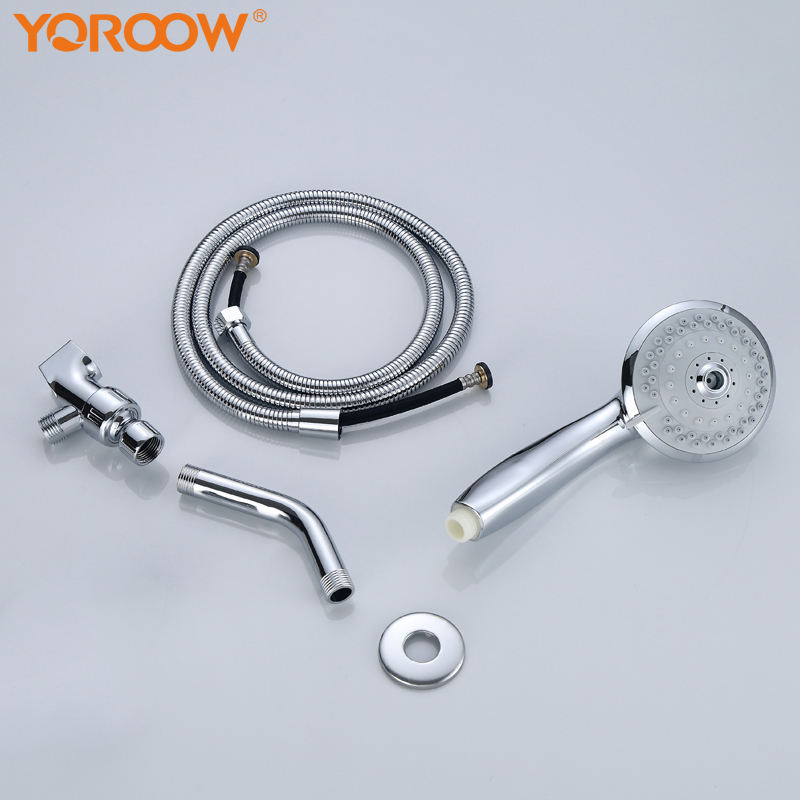
Share the Product Platform, Not Necessarily Every SKU
Different channels do not require a completely separate product range to be developed from the beginning.
If the main structure, core components and installation specifications are already suitable, the same Product Platform can remain in use while only the parts that genuinely need to change are adjusted.
These may include:
- Finish combinations;
- accessory configurations;
- packaging;
- number of SKUs;
- maintenance and Spare Parts support;
- performance specifications required by a particular market or project.
This approach keeps the product system more consistent without forcing different channels into configurations that do not match their actual requirements.
The same principle applies to OEM/ODM products. As a China faucet factory providing OEM/ODM services, YOROOW can first determine which structures and components from an existing product platform can continue to be shared, and then identify which configurations need to change for a specific order.
A change in sales channel alone does not necessarily justify developing an entirely new product.
Channel-Specific SKUs Should Come From Real Specification Differences
The key question when deciding whether to create a separate SKU is:
Does the channel difference actually change how the product needs to perform, install or be specified?
A Commercial Shower Faucet provides a useful example.
Different markets or projects may have specific requirements for showerhead flow rates and performance. The U.S. EPA WaterSense specification for labeled showerheads sets a maximum flow rate of 2.0 gpm and also includes performance criteria related to spray force and spray coverage.
This means that when a particular channel serves a market with defined performance requirements, flow rate cannot be treated only as a marketing specification.
Any change to the product configuration also needs to consider whether the showerhead continues to provide the required performance under the intended conditions.
This can provide a genuine reason for a Channel-Specific Configuration:
the SKU is different because the product specification needs to be different, not simply because the sales channel has a different name.
On the other hand, if the sales environment changes while installation, function, specifications and maintenance requirements remain essentially the same, creating another SKU may add complexity without creating a meaningful product difference.
Different Channels Do Not Automatically Require Different Products
A practical Channel Strategy is neither to develop a completely separate range for every channel nor to require every channel to sell exactly the same configuration.
A better approach is to retain the Product Platform that can be shared and then identify the differences that genuinely affect installation, use, maintenance or target-market requirements.
If the difference is mainly packaging or Finish, it may be handled within the existing platform.
If the difference changes an actual product specification, it becomes necessary to determine whether a separate configuration or SKU is justified.
The final question when deciding whether different channels should carry the same Faucet Range is therefore not the name of the channel.
It is:
Which differences exist only at the sales level, and which differences have actually become part of the product itself?