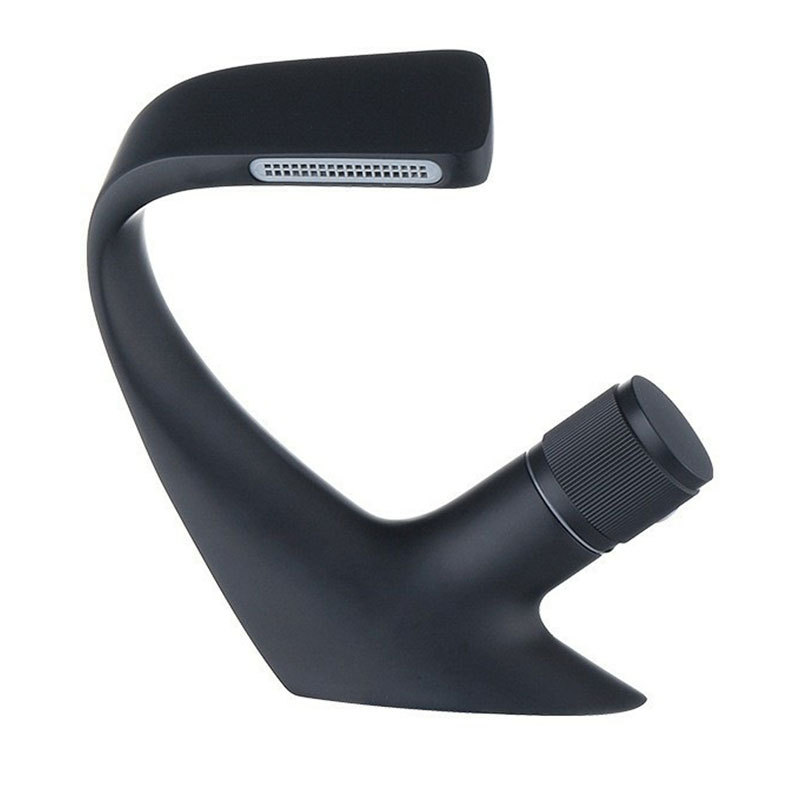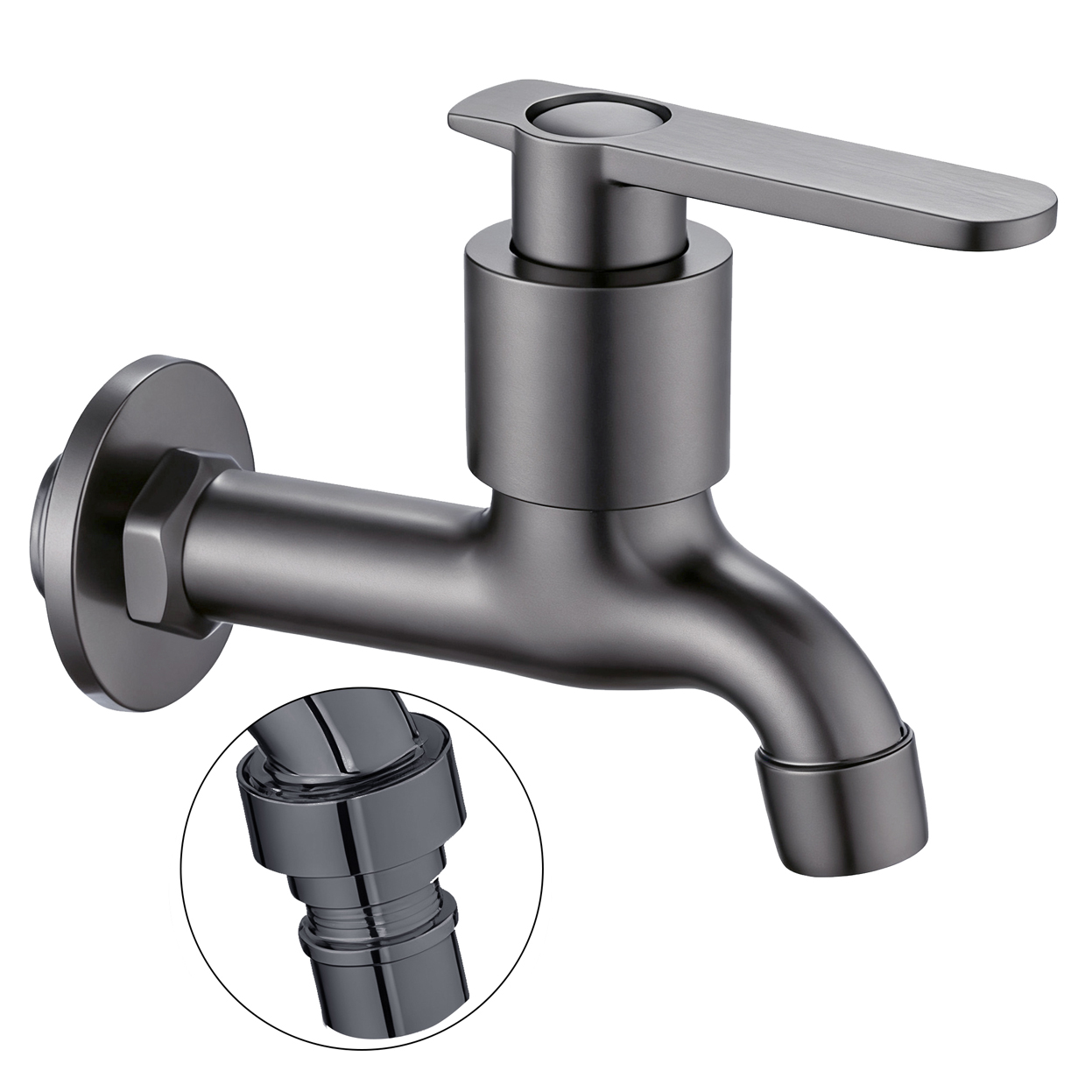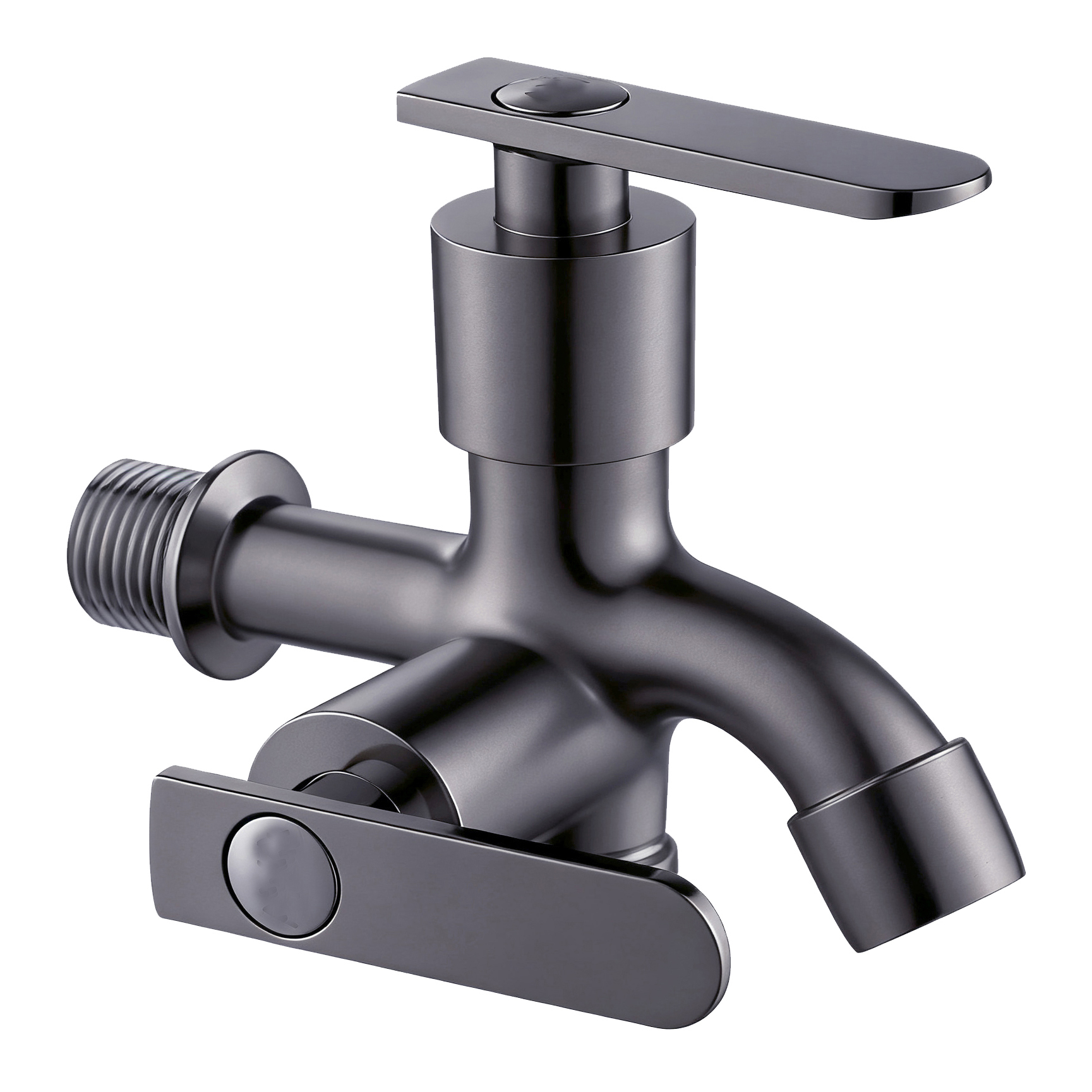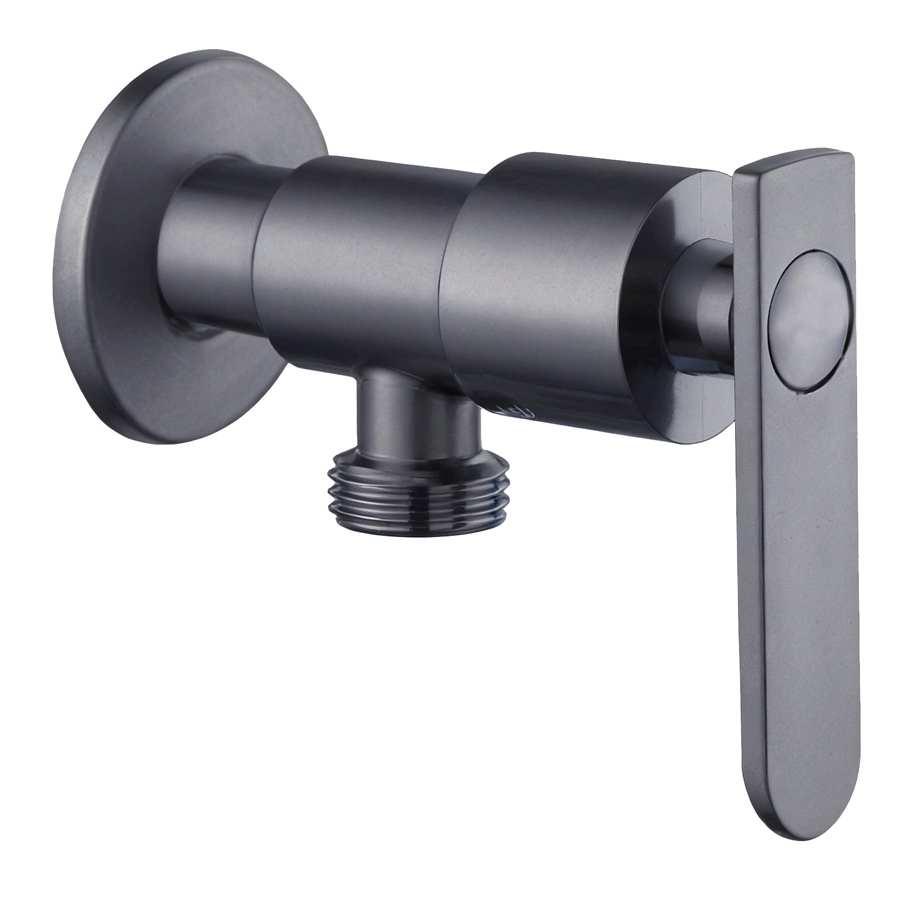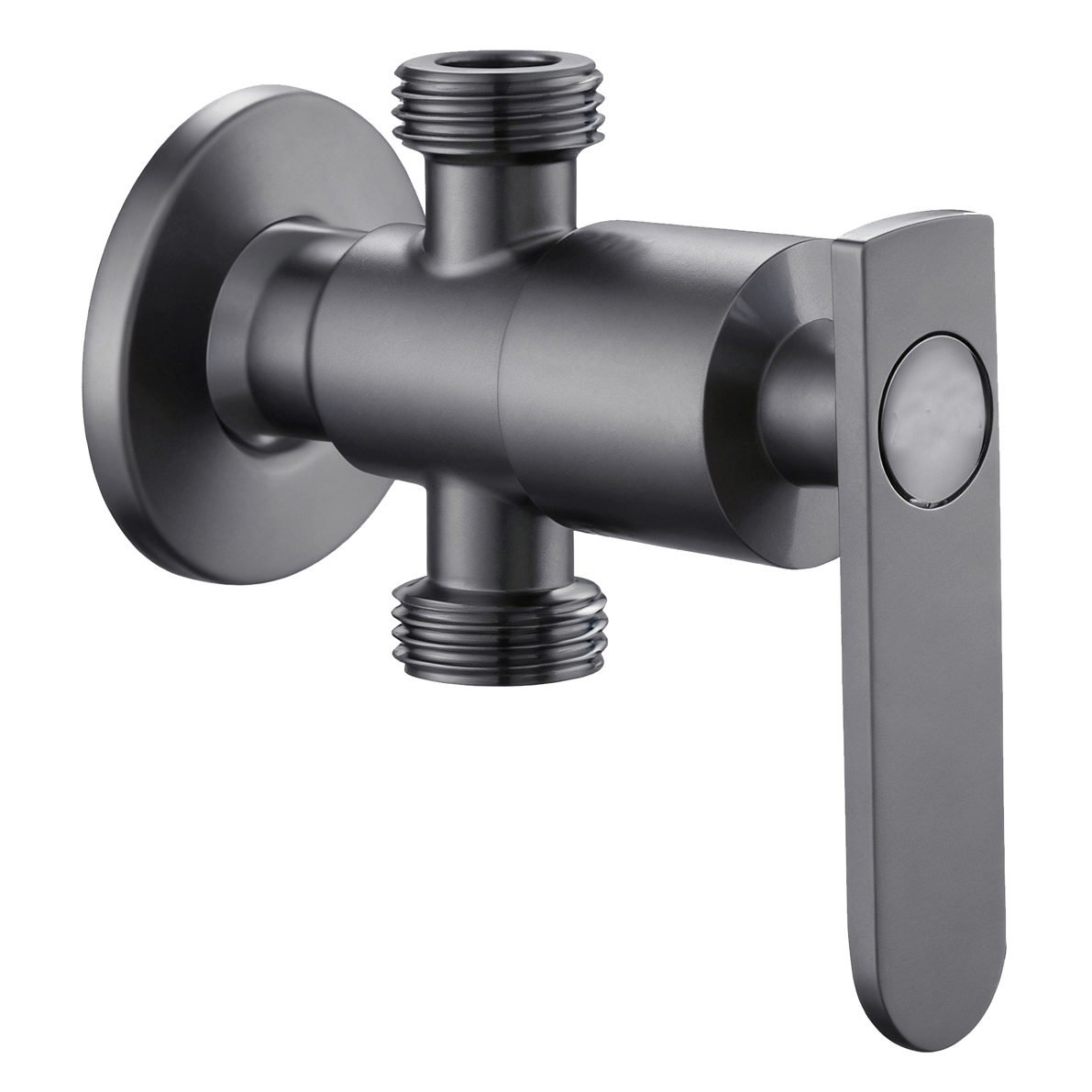



A complete bathroom typically includes basin faucets, shower systems, angle valves, and other bathroom fittings. Each product may look suitable on its own, but differences in color, surface texture, or design details can become noticeable when they are installed together.
For example, a смеситель для раковины and a shower system may both have a Gun Grey finish, but their actual tones and gloss levels may differ. Similarly, two products may share a square design without having matching details that connect their appearance. These issues cannot always be solved by simply replacing one product.
To create a coordinated bathroom fixture collection, the relationship between different products needs to be considered during development, rather than looking for matching products after individual designs have been finalized.
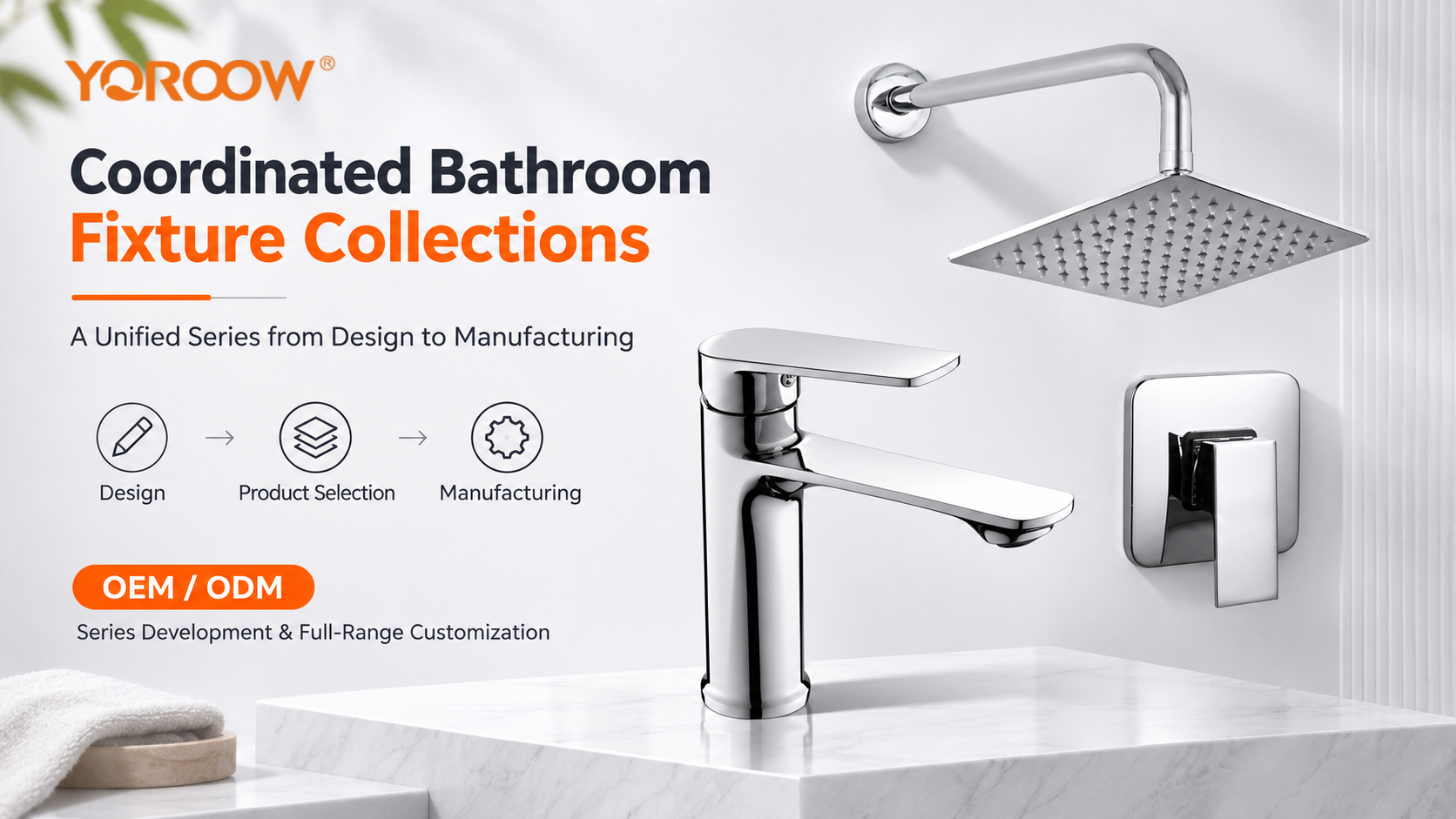
Coordinated Bathroom Fixture Collections require an integrated approach to design, product selection, and manufacturing.
1. Why Isn’t the Same Finish Color Enough to Create a Coordinated Collection?
Chrome, Brushed Nickel, Gun Grey, and Brushed Gold are common finishes for bathroom fixtures. However, the same finish name does not guarantee that different products will look identical.
For example, two products labeled Brushed Nickel may have slightly different warm or cool tones. Their brushing direction, texture, and surface gloss may also vary.
Several factors can contribute to these differences:
- Color and tone: Products with the same finish name may vary in shade or color temperature.
- Texture and gloss: Brushed, polished, and matte finishes reflect light differently.
- Materials and processes: Brass, stainless steel, and zinc alloy may produce different visual results depending on the surface finishing process used.
These differences may not be obvious when products are displayed individually. However, they become easier to notice when basin faucets, shower controls, and related fittings are compared side by side.
YOROOW faucets are available in finishes such as Chrome, Brushed Nickel, and Gun Grey. When developing matching products, finish consistency cannot be determined by catalog color names alone. Actual samples should be compared for color, texture, and gloss.
Therefore, finish consistency should be confirmed during collection development, rather than treated as a matching issue after production.
2. How Can Different Bathroom Fixtures Share a Consistent Design Language?
Coordinated design does not mean every product must have exactly the same shape.
Basin faucets, shower controls, and angle valves have different functions and installation structures. What needs to remain consistent are the main design features that define the collection, rather than the exact dimensions or construction of each product.
Identify Design Elements That Can Be Carried Across Products
For example, a basin faucet may feature a square body, straight spout, and flat handle. If other bathroom fixtures are developed around this design, it is important to identify which features can be carried over to shower controls and related fittings.
A shower control may use a similar handle profile and decorative plate design, while its valve structure, operating space, and installation method still require separate consideration.
Likewise, a basin faucet with rounded curves can be visually connected to other products through circular controls, softened edges, and similar proportions.
Whether the collection uses angular or rounded designs, the key is to identify features that can be repeated across product categories and adapt them to each product’s function and structure.
Consistent Design Should Not Compromise Functionality
Even products within the same collection may require different dimensions, operating methods, and installation structures.
For example, a basin faucet handle must be suitable for countertop operation, while a concealed shower control must accommodate wall installation and its specific control mechanism. Both can share a similar design language without sacrificing their individual functional requirements.
The CLO for JACLO collection by Jaclo brings faucets and bathroom accessories together under a unified design concept. It also illustrates how different product categories can be connected through shared design elements.
The key to coordinated design is to establish common design features first, then adapt them to the function and structure of each product.
3. How Can a Coordinated Design Be Turned into Actual Products?
Once the design direction has been established, the next challenge is determining whether those requirements can be applied across different product categories while meeting functional, installation, and manufacturing requirements.
This involves planning the product range, adapting designs, confirming finishes, and defining technical specifications.
Product Range | Define Which Products the Collection Should Include
Collection development begins by defining the product range.
For example, a bathroom fixture collection may focus on basin faucets and shower systems, with angle valves and related fittings added according to the required configuration.
It is also important to consider whether each category needs different specifications, such as standard-height and tall basin faucets, shower systems with different installation methods, or angle valves with different connection sizes.
If only one basin faucet is designed initially and matching products are selected later, existing options may not share the same design features or offer the required finishes.
For this reason, the collection’s product range should be defined early in development rather than assembled gradually after individual products are completed.
Design Adaptation | Adjust Designs to Different Product Structures
Shared design elements must be adapted to the structure of each product.
For example, basin faucets and shower controls may use similar handle designs. However, differences in internal valves, installation space, and operating methods mean they cannot necessarily use identical structures.
During OEM/ODM development, existing product structures can be evaluated to determine which appearance details can be modified, which components require redesign, and whether the adjustments will meet functional requirements.
YOROOW has OEM/ODM faucet development and customization capabilities. For collections involving different styles and product categories, feasible design adjustments can be evaluated based on specific product structures and design requirements, rather than simply copying the appearance of one product.
Finish Consistency | Confirm Surface Finishes Through Samples
Products from different categories may use different base materials and surface finishing processes.
For example, a смеситель для раковины may have a brass body, while related fittings use stainless steel or zinc alloy. Even when the target finish is the same, the final color, texture, and gloss must be checked to ensure they meet the collection’s requirements.
Collection development therefore requires clearly defined finish specifications and actual sample comparisons across products.
YOROOW’s surface finishing and customization capabilities can be evaluated according to each product’s material and finish requirements, followed by sample confirmation. For matching products, the final appearance should be based on approved samples.
Product Specifications | Confirm Technical Requirements for Each Product
A coordinated appearance does not automatically mean that different products are technically compatible with their intended installations.
For example:
- Basin faucets: Confirm mounting hole requirements, faucet height, and hot and cold water configuration.
- Shower systems: Check control methods, installation structures, and water outlet components.
- Angle valves: Verify connection sizes and installation requirements.
YOROOW’s product range includes basin faucets, shower systems, angle valves, and other bathroom fittings, allowing product selection and configuration to be considered around the established collection requirements.
However, the technical specifications of each model must still be verified individually. Similar appearances alone do not guarantee that products can be combined without further checks.
Only when shared design elements, actual finishes, and product specifications have all been confirmed can a coordinated design become a practical, manufacturable product collection.
4. Why Does Collection Development Offer More Than a Consistent Appearance?
When products are developed individually, each design can have its own shape, finish, and specifications. However, when a collection needs to cover multiple product categories, a lack of coordinated planning can make future development more difficult.
Avoid Missing Matching Products After Individual Designs Are Completed
A basin faucet may already have a finalized design, but if a shower system or other bathroom fittings need to be added later, suitable matching products may not be available in the same style or finish.
Planning the collection’s product range in advance allows design relationships between different categories to be considered during development, reducing the need for later product reselection or design adjustments.
Establish a Design Foundation for New Models
A single collection may need basin faucets in different heights, shower products with different installation methods, and other functional configurations.
Once the main design features and finish requirements have been established, new models can be adapted from that foundation instead of starting with a completely new design direction each time.
For example, a standard-height basin faucet can serve as a design reference when developing a taller version. The new model may retain similar handle, spout, and body profiles while adjusting dimensions to meet its intended use.
Create Shared Standards for Development Across Product Categories
Coordinated collection development also allows product selection and sample approval to follow common requirements.
For example, the main design features, target finishes, and required product categories can be defined first. The structures and specifications of basin faucets, shower systems, and related fittings can then be confirmed individually.
This means expanding a collection is no longer simply about finding products that look similar. Instead, products are selected and developed according to established design requirements.
For collections involving multiple categories, the ability to coordinate different product types can make product selection and sample confirmation more convenient. However, the final consistency still depends on whether each product meets the shared design and specification requirements.
Therefore, the value of coordinated collection development lies in establishing a design foundation that can be carried across different products, making future development and expansion more clearly defined.
Conclusion: Coordinated Bathroom Fixture Collections Require Integrated Planning
A coordinated bathroom fixture collection is more than a combination of products with similar colors or shapes.
Expanding from a single basin faucet to shower systems, angle valves, and other bathroom fittings requires shared design features, product range, and finish requirements to be established during development. Each product must then be adapted according to its structure and function.
Only by carrying these requirements through product selection, sample approval, and actual manufacturing can a bathroom fixture collection achieve a consistent design language while meeting different functional needs.