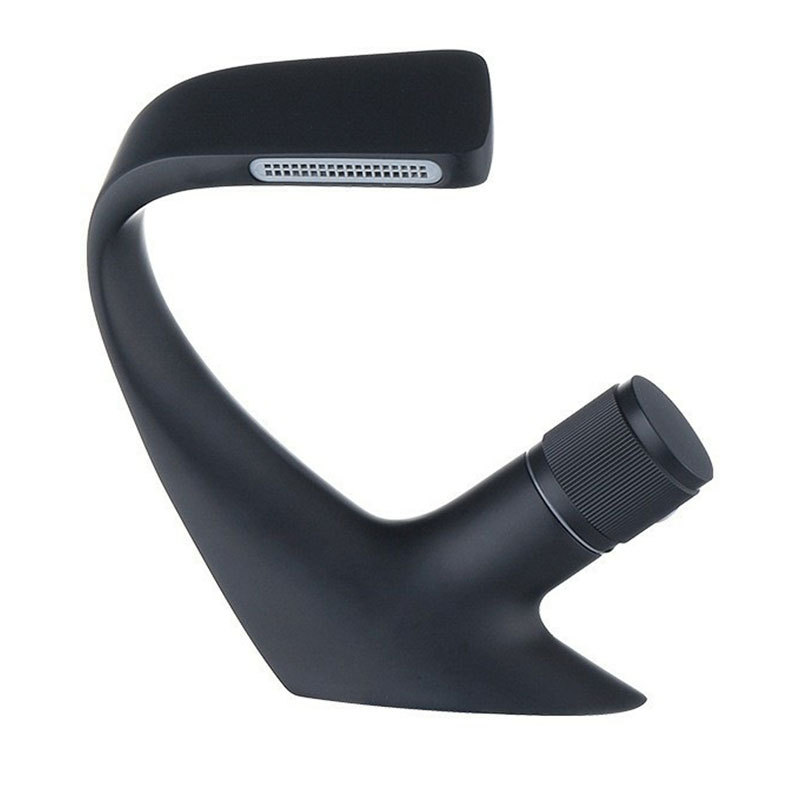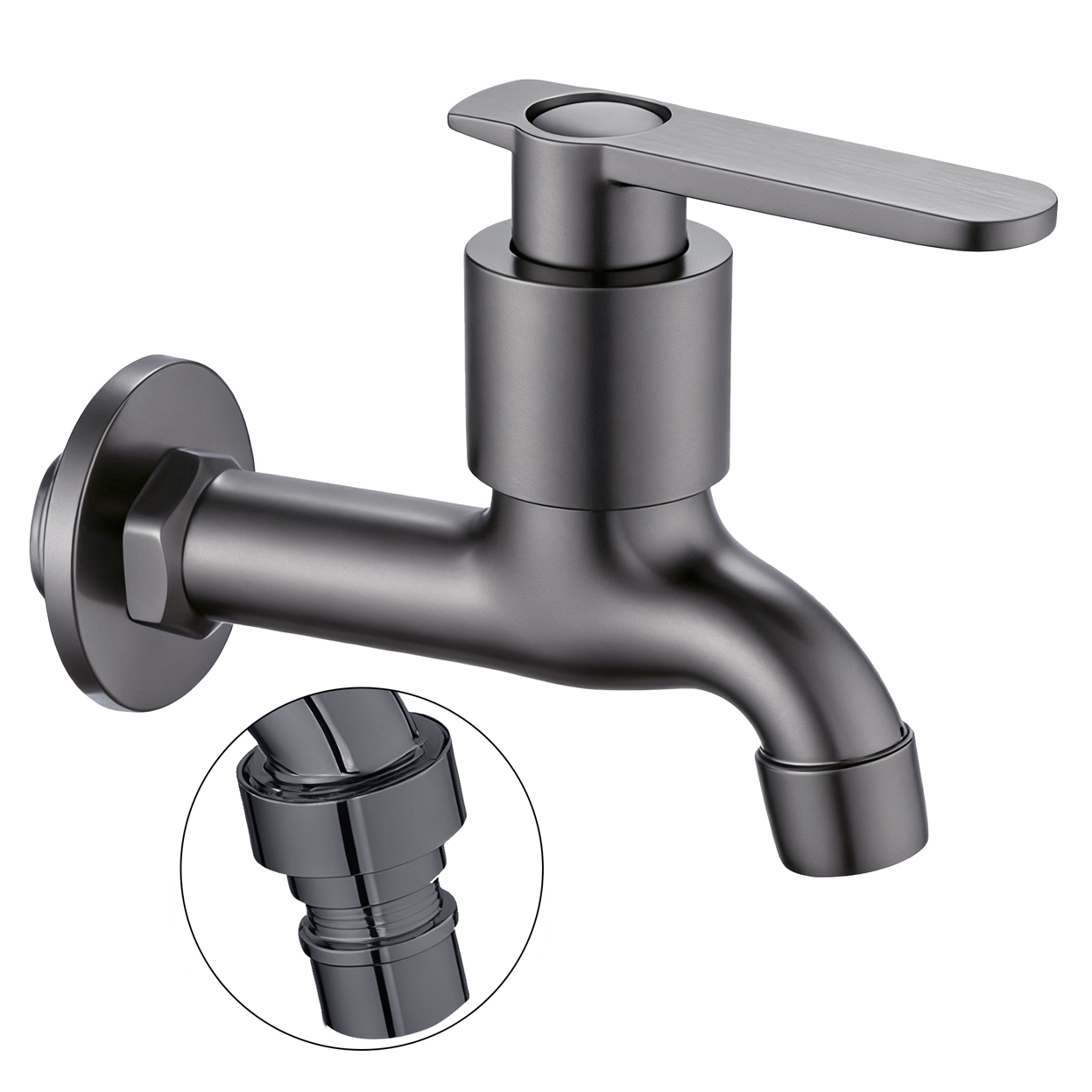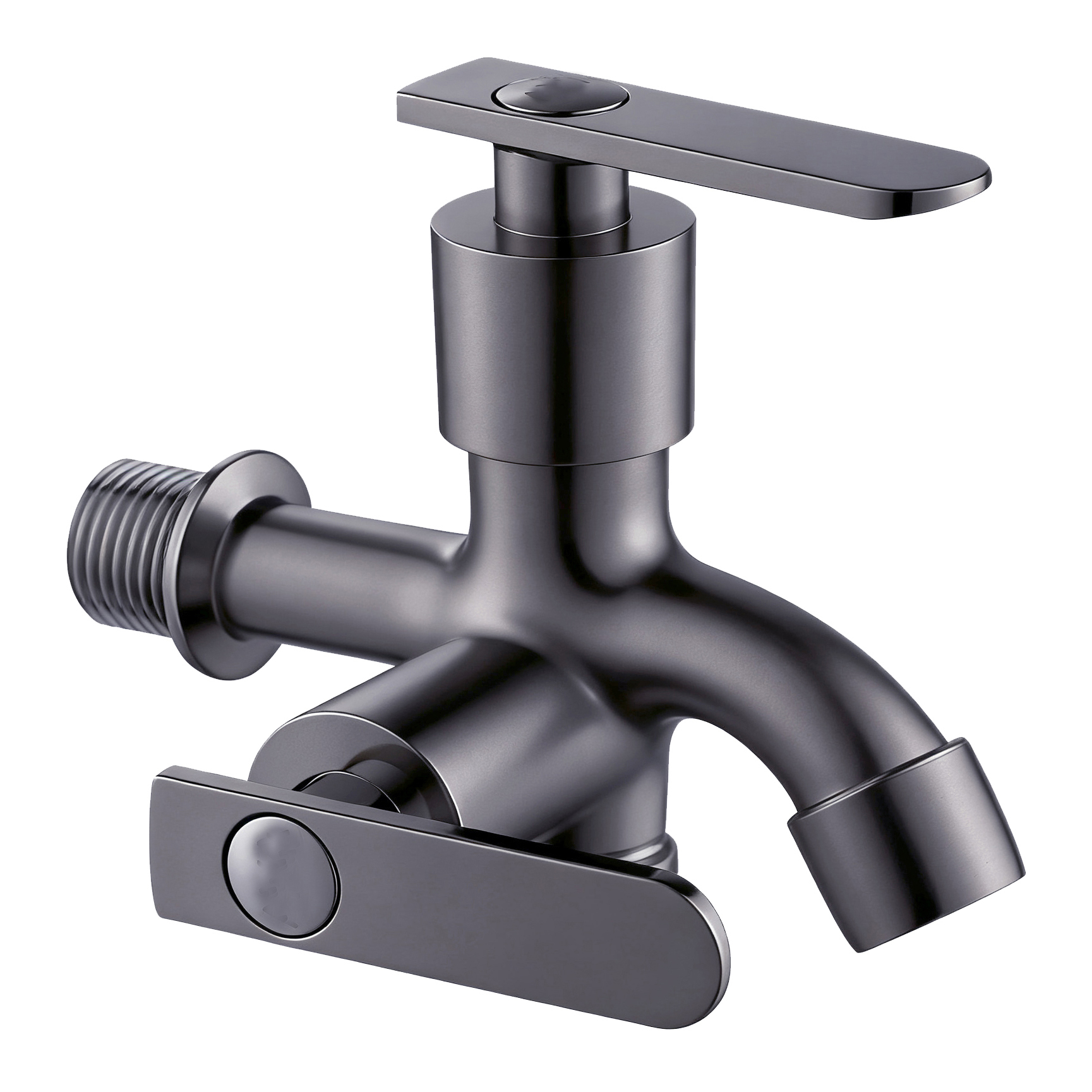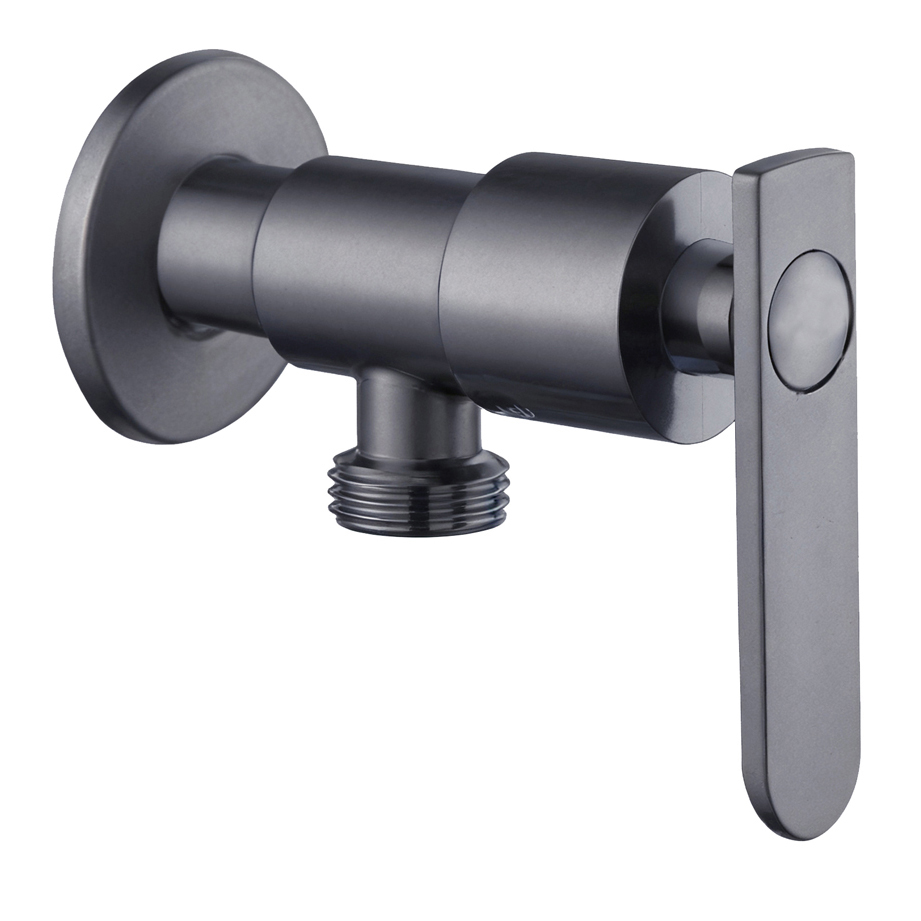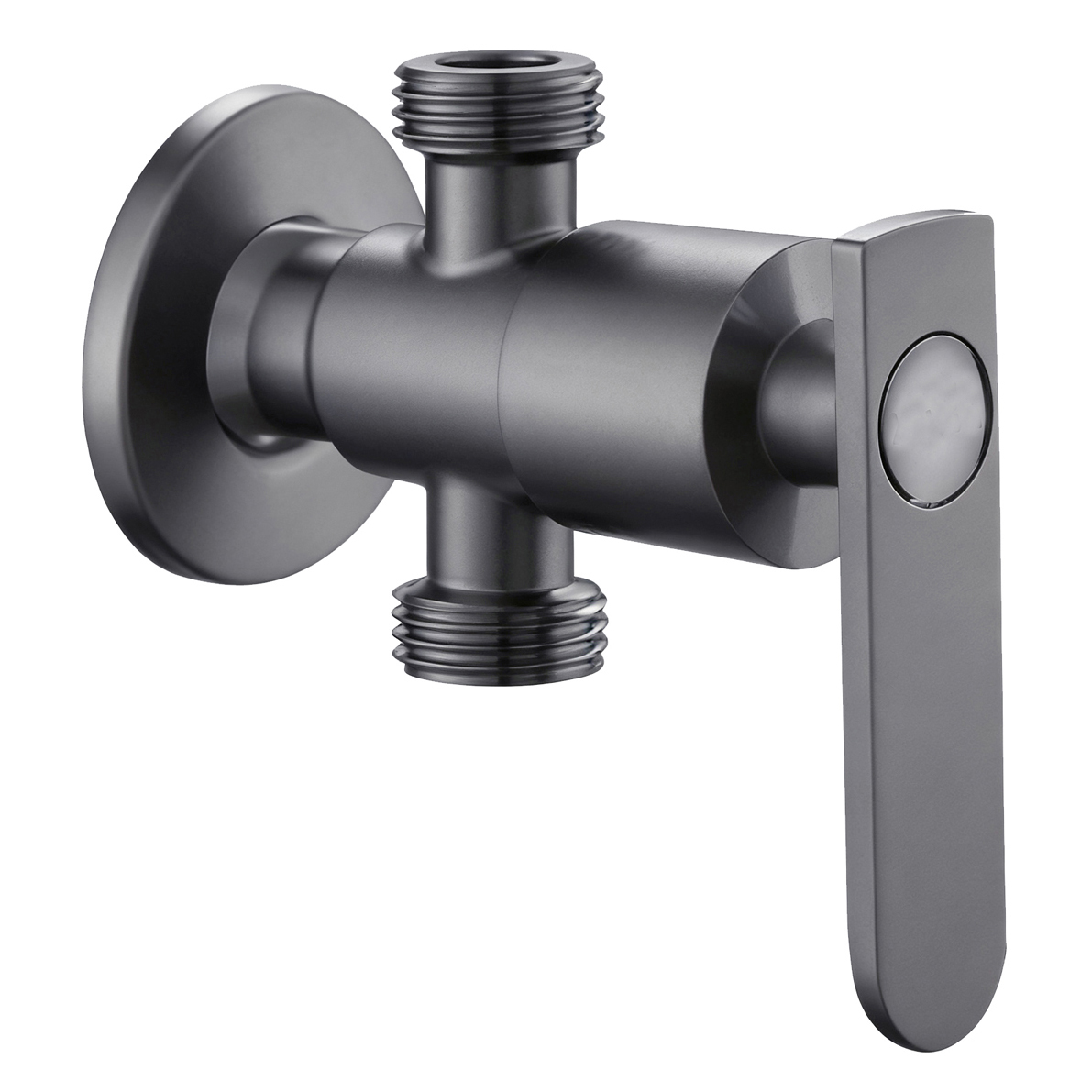




Is it too early to think about the second order before the first batch has even entered production?
For a Brazilian brand planning to keep a faucet in its assortment, this is exactly when repeat ordering should be considered. If the first purchase leaves behind only a quotation, several product photos, and scattered messages, the next buyer may have to reconstruct the product from the beginning.
Which connection was finally approved? Which finish sample became the reference? Which accessories were included? Was a change made only for the sample, or did it become part of mass production?
When evaluating a faucet supplier for Brazil, the first order should therefore create more than a product to manufacture. It should leave a product definition that another buyer can understand and reorder.
This does not require a complicated documentation system. It requires enough information to answer three questions months later: What exactly did we buy? Which version was approved? What needs to be confirmed again?
The first order should leave more than a quotation
A one-time project, a seasonal trial, and a product intended for regular replenishment do not need to be managed in exactly the same way.
For an ongoing product, the initial RFQ can already state its intended channel, application, expected assortment role, and the features the brand wants to preserve in future orders. Unknown items can remain open at this stage. Planning for replenishment does not mean committing to future sales volumes.
During development, the important step is to turn sample decisions into a final product record.
A marketing name alone is not enough. The approved product should be connected to an identifiable model or configuration, finish reference, included accessories, and packaging version.
Changes made during sampling need particular attention.
A different handle color discussed during a video call may later be rejected. An alternative hose may be used temporarily because the intended one was unavailable for the first sample. A packaging layout may go through several revisions before approval.
The final record should show what actually entered production—not every version that appeared during development.
That is why a second purchase order should not simply say:
“Same as last sample.”
The last physical sample may not represent every final production decision. It may have been modified, disassembled, or produced before the packaging and accessory list were finalized.
Для OEM faucets for the Brazil market, the more reliable reference is the final approved product configuration, with the sample serving as supporting evidence rather than the entire specification.
Review the Portuguese copy against the actual product
Portuguese content should develop alongside the product rather than being treated as a translation job immediately before shipment.
Once the product configuration is sufficiently stable, a reviewer familiar with the Brazilian sales channel can check the product name, functions, included accessories, instructions, and other customer-facing information against the approved sample.
This physical comparison can reveal problems that a language-only review may miss.
An installation image may show an accessory that is no longer included. A generic instruction template may describe a function that this model does not have. A maintenance statement may have been copied from another finish. All of these sentences can be grammatically correct in Portuguese while still being technically wrong for the product being sold.
The same principle applies when simplifying copy.
A limitation such as “for specified models” should not become “universal” merely because the shorter wording is easier to fit on the package. Conditional performance statements should not become absolute claims during translation.
Using consistent terminology across the instruction sheet, packaging, and online product page also makes later updates easier. If the commercial product name changes while the technical model remains the same, retaining the relationship between the old and new names can help distributors and existing customers identify the product later.
Most importantly, the approved Portuguese files should remain linked to the corresponding product version. Otherwise, a reorder can reproduce an old artwork file even when the faucet or included accessories have already changed.
Use the first sell-through to decide what the second order should change
The first batch does more than generate sales. It also shows which assumptions made during development need another look.
Useful feedback is not limited to the number of units sold.
A Brazilian distributor may repeatedly receive questions about a particular installation dimension. Customers may misunderstand an included accessory. One finish may require frequent replenishment while another remains in stock. A product page may lead customers to choose the wrong version.
These observations can affect the second order.
Feedback should still be interpreted in context. Low sales do not necessarily mean weak product demand if the item spent much of the period out of stock. A short burst of sales during a promotion should not automatically become a year-round forecast.
The same caution applies to product suggestions.
A comment such as “customers want a bigger faucet” is not yet a development requirement. The team first needs to know what “bigger” means—greater height, longer spout reach, a larger visual profile, or something else—and whether the same request appears often enough to justify a change.
For communication with a производитель смесителей for Brazilian brands, grouped feedback is therefore more useful than forwarding a collection of unrelated chat messages.
Before changing the product, identify which model and version the feedback concerns, what happened, under what conditions, and whether it points to a recurring issue or an isolated preference.
Run the second order before you actually place it
One practical way to test the first-order records is to ask someone who was not involved in the original development to prepare a mock reorder.
Give that person the information normally available to the purchasing team and see whether they can answer the basic questions without relying on the memory of the colleague who managed the first order.
| A reorder must answer | The answer should already exist in |
|---|---|
| Which product version are we ordering? | Final approved model and configuration record |
| Which accessories are included? | Approved component or packing list |
| Which Portuguese artwork should be used? | Dated approved artwork version |
| Which spare parts apply to this version? | Product-to-spare-part record |
| Which conditions need a new quotation? | Current commercial quotation and order terms |
If answering these questions requires searching old messaging threads, comparing unmarked samples, or asking one employee to remember what happened months earlier, the product is not yet easy to reorder.
The purpose of the exercise is not to create another approval layer. It is to find missing information before order volumes or product variations increase.
It also reveals a useful distinction between product information and commercial information.
The approved faucet configuration may remain unchanged, while price, quantity, production schedule, shipping arrangements, or other commercial terms need to be confirmed for the new order.
A stable product version does not mean permanent commercial conditions.
A reorder is not simply a copy of the first purchase order
The second order should begin with the approved first-order baseline, but it should not copy every field without review.
Some information is designed to carry forward: the approved model, configuration, finish reference, included accessories, and current product artwork.
Other information belongs to the new transaction. Quantity may change. The assortment may shift according to actual sales. Production timing and shipping arrangements need current confirmation. Requirements affecting import or sale should also be checked against the actual product and current situation rather than assumed from the first shipment.
This distinction is particularly useful for buyers planning to import faucets from China to Brazil on a recurring basis. Product continuity and order continuity are related, but they are not the same thing.
The distinction becomes even more important when the brand wants to improve the product after the first batch.
If a new order changes a connection, cartridge, included accessory, or another relevant part of the approved configuration, the team should first decide whether it is still reordering the existing product or creating a new product version.
That decision determines what can safely carry forward from the first order and what needs another review.
A first order has done more than produce a batch of faucets when another buyer can return months later, identify the approved product, find the correct Portuguese materials, understand what was included, and see clearly what still needs to be reconfirmed.
Planning the second order during the first RFQ is therefore not premature. It is what turns a trial purchase into a product that can actually be replenished without rebuilding its definition from old emails, sample photos, and personal memory.