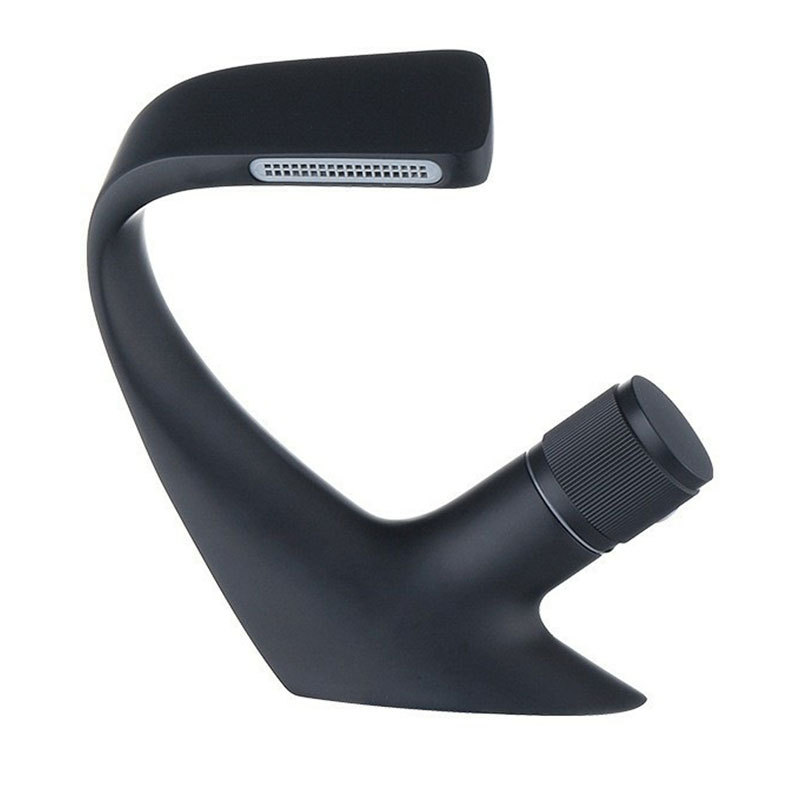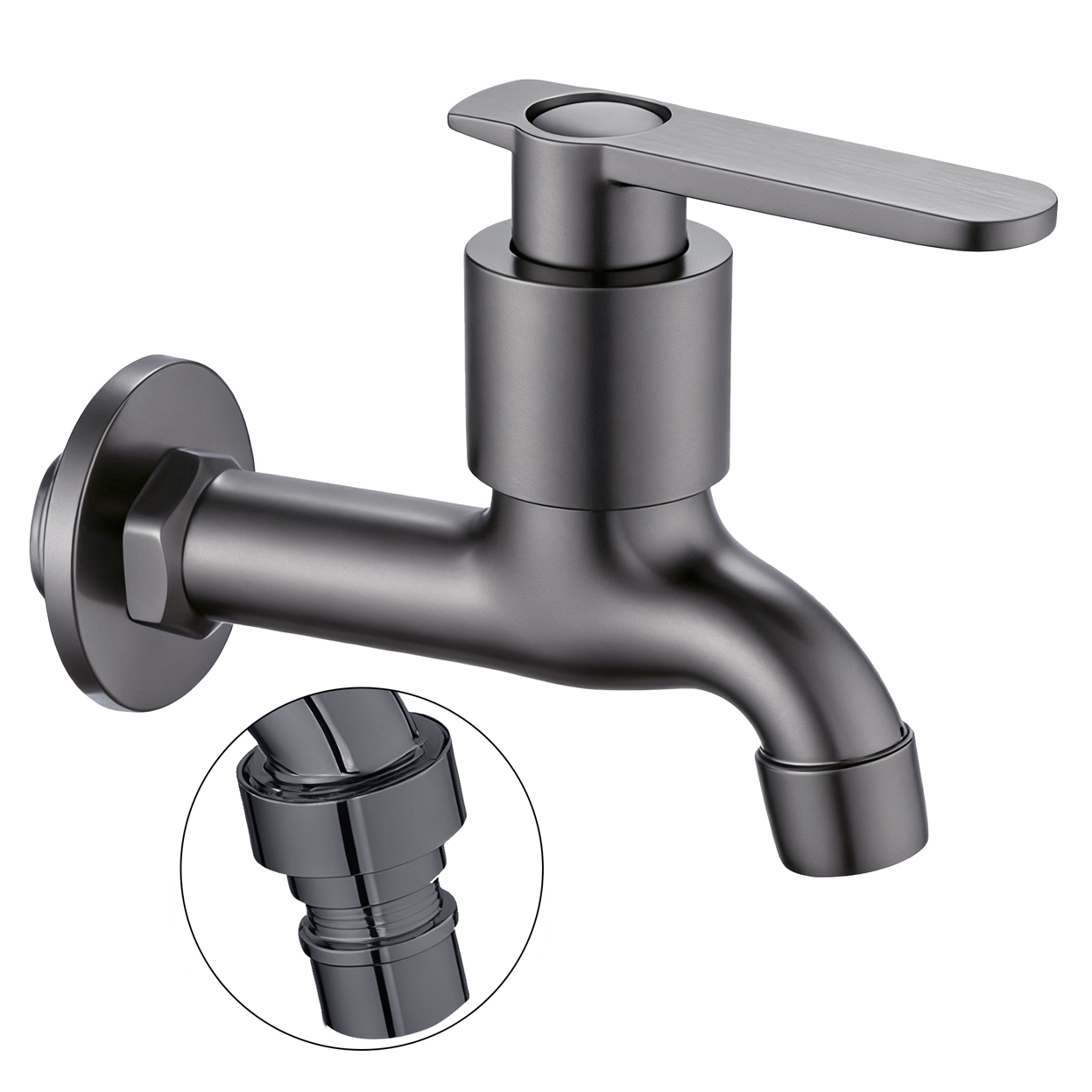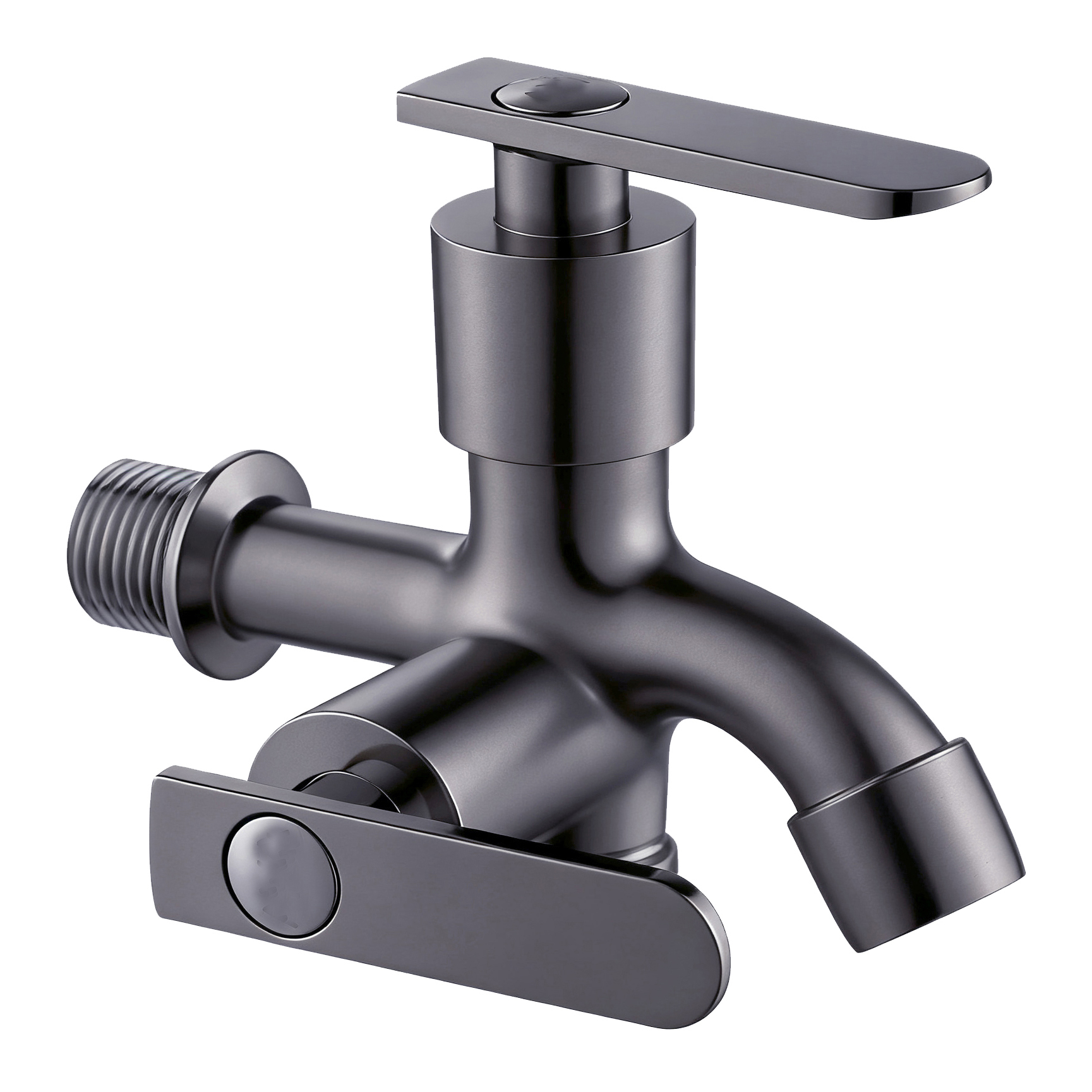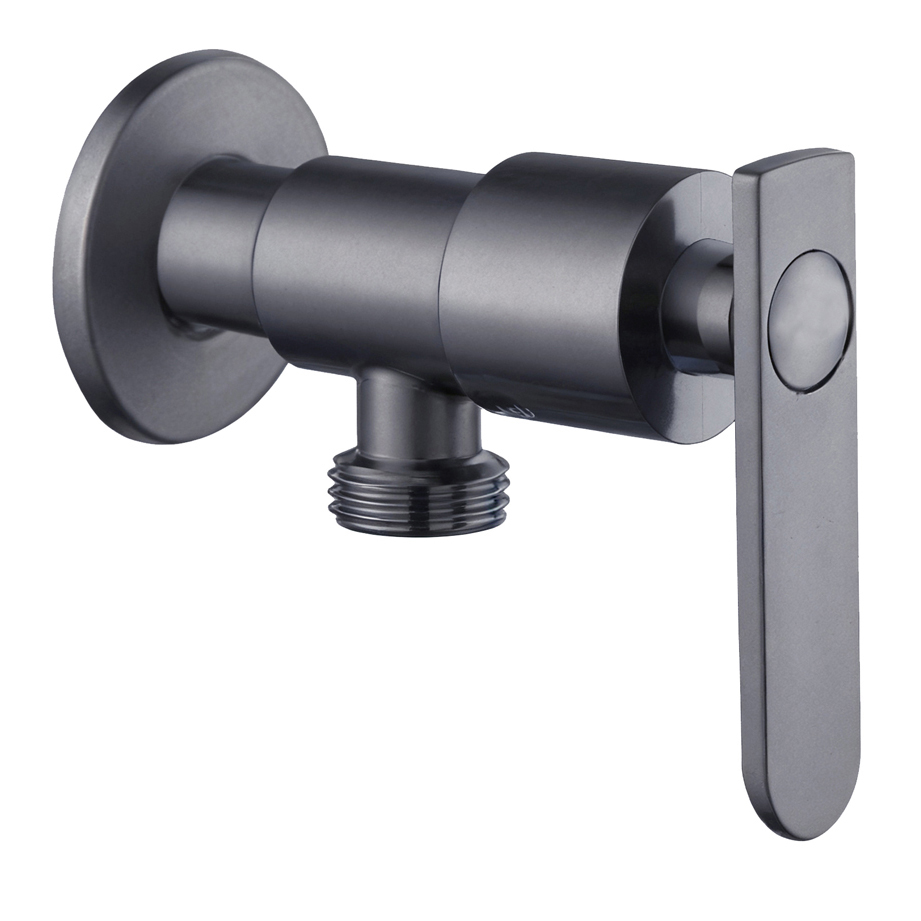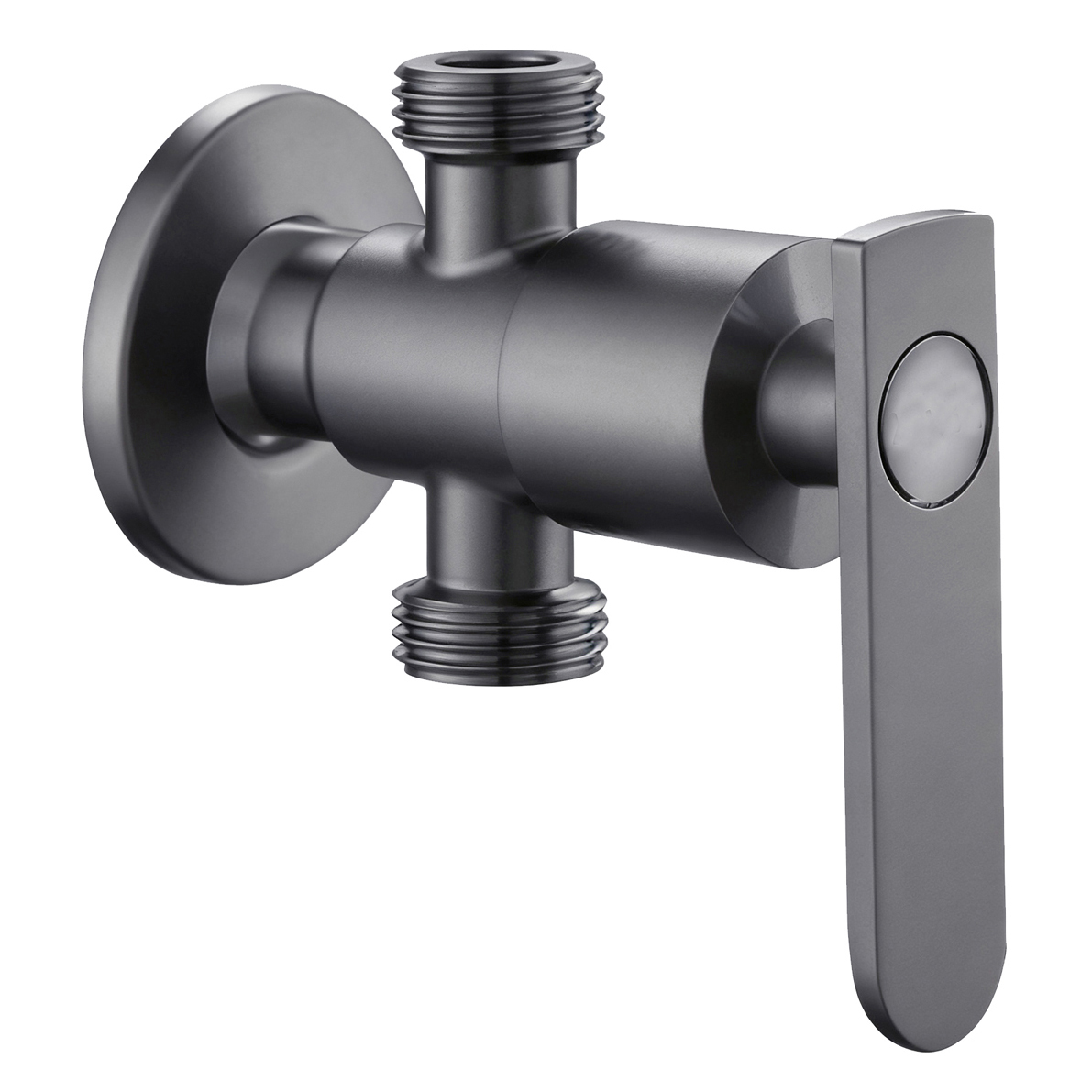




A distributor may have a box of spare cartridges in the warehouse and still be unable to respond to a service request. The customer knows only the product name, not the version. The warehouse records the cartridge diameter but not the compatible faucet models. The technical team has not yet confirmed whether the problem is actually related to the cartridge.
Having enough spare parts in stock does not necessarily mean that an after-sales system is ready to respond.
When planning faucet spare parts supply for distributors, it is better to establish the path from a reported problem to the final service result before deciding how much inventory to hold. That path should cover product identification, symptom records, technical assessment, spare-part matching, delivery, and post-repair feedback.
If reliable information is missing at any stage, simply sending more spare parts may not solve the actual problem.
Start by Classifying the Service Request
The service process should collect the product model, purchase or installation records, configuration version, and photos or videos that help explain the problem.
When the customer cannot provide complete information, the service team can explain where to look and what angle to photograph. Customers should not be asked to disassemble a product without guidance just to find a model or component number.
An initial assessment can generally lead to three paths:
- The issue can be handled by the appropriate person with a suitable replacement part.
- More information is required, or the product needs to be returned for analysis.
- Depending on the product condition and commercial arrangement, complete product replacement may need to be considered.
This classification is a management method. It should not be used to automatically replace the same component before the cause has been assessed.
For example, “low water flow” describes a symptom, not a confirmed cause. Depending on the product, the water supply, outlet components, or control components may need to be checked according to the relevant instructions. The service team should record the conditions under which the problem occurs and involve the appropriate technical support rather than assigning every case to the component that happens to have the largest inventory.
For issues such as leakage that may cause further damage, appropriate action should first be taken according to the product instructions and site conditions, with the relevant personnel contacted as needed.
This article focuses on spare-parts management rather than cross-model repair procedures. Accurate product identification and appropriate responsibility assignment are the starting points for selecting the correct replacement part.
Connect the Finished Product Model to the Spare-Part Number
A spare-parts record should provide at least two lookup relationships:
Finished product model and version → Compatible spare parts
and:
Spare-part number → Approved finished-product range
The first helps service teams respond to customer requests. The second helps warehouse teams determine whether existing stock can be used and when replenishment is needed.
Sloan’s public repair-parts pages provide a practical example. Its ETF-700 series page organizes repair parts by product version and clearly distinguishes products made before 2019. Other series also distinguish components according to specific configurations.
This does not mean that those parts can be used for other brands. It illustrates a basic management principle: a spare part needs a defined application range, not just a part name.
A distributor’s own records can follow the same logic, including:
- Finished product code
- Version or order range
- Spare-part code
- Approved replacement relationship
- Identification images
- Confirmation date
There is no need to copy another brand’s coding system. More importantly, an unverified replacement relationship should not be created simply because two parts look similar or share one dimension.
Для replacement cartridge planning for faucet brands, diameter can be one identification field, but the actual structure and fit still need to be checked.
When purchasing replacement parts, use the approved part number and its defined application range. Calling a part only “35 mm cartridge,” for example, leaves the technical decision to whoever handles each individual shipment.
Make Repair Kits Easy to Identify and Use
A repair may require more than one main component.
If the product instructions indicate that seals, fixing parts, or other components are also required, the appropriate repair-kit contents should be confirmed by technical personnel and listed individually.
Whether parts should be supplied as a complete kit should depend on the actual repair task rather than simply increasing the number of accessories supplied.
Labels should clearly show:
- Part number
- Compatible model or lookup method
- Version information
- Relevant storage requirements
Small parts removed from a larger carton should also retain their identity. Unlabeled loose components can easily lose their reliable product relationship when several similar parts are stored together.
Used parts, parts awaiting assessment, and usable new parts should also be managed separately. A component returned for analysis should not accidentally return to available stock.
Storage requirements should follow the instructions provided for the specific part. Metal, rubber, and electronic components should not automatically be assigned the same storage conditions.
Production materials covering components, assembly, and inspection can help establish the relationship between replacement parts and finished products.[3] However, after-sales spare-parts management also requires identification and verification information prepared for service personnel. A production assembly drawing should not be treated as a general repair instruction without further organization.
What Determines Spare-Part Inventory Levels?
When developing a faucet spare parts strategy, start with four areas:
The products currently in use, actual service demand, spare-part replenishment time, and the expected service level.
When historical data is limited, initial inventory should be treated as a trial arrangement that can be adjusted rather than applying a fixed ratio to every finished product.
As service records accumulate, actual spare-part consumption can be analyzed separately from the reasons for each request. Consumption does not necessarily equal manufacturing failures. It may also include routine maintenance, incorrect shipments, lost parts, or installation-related handling.
Therefore, data used to analyze product problems and data used to plan replenishment should be interpreted according to their different purposes.
A simple way to discuss a replenishment trigger is:
Replenishment point ≈ Expected demand during the replenishment period + buffer for uncertainty
This is a planning relationship, not a universal safety-stock formula.
For example, if a confirmed compatible spare part is used at an average rate of two pieces per month and it takes three months from placing a replenishment order to having the parts available, the basic demand estimate would be:
2 × 3 = 6 pieces
Whether an additional buffer is needed depends on demand variation and the required service level. The figures above are for illustration only and do not represent the failure rate or delivery time of any specific YOROOW product.
Inventory calculations should also distinguish between available stock, allocated stock, and stock in transit.
If the warehouse shows six pieces on hand but four have already been allocated to pending service requests, the freely available quantity is not six. Likewise, an order that has been placed but has not yet arrived should not simply be treated as available stock.
Response Targets Determine Where Spare Parts Should Be Stored
If customers need to restore product use quickly but all spare parts are held at a distant location, having a large inventory may still fail to meet the service target.
Different arrangements can therefore be compared, such as:
- Small quantities held locally
- Regional centralized inventory
- On-demand supply from the factory
Each option needs to be considered in terms of delivery time, product identification, and management cost.
Not every spare part needs to be stocked at every location.
Parts with a broad application range, stable demand, and easy identification can be managed differently from low-demand, high-value, or technically sensitive parts. The actual classification should be based on product and service records rather than a fixed ratio copied from another industry.
Faucet after sales support for importers also requires clear responsibility:
Who confirms the model?
Who approves the shipment?
Who covers the relevant cost?
Who closes the service record after the repair?
When responsibilities are unclear, a warehouse may have the right part but still hesitate to ship it, or an unsuitable part may be sent without proper confirmation.
Response time should also be divided into stages rather than recorded only as one total number:
Request received → Product identified → Technical decision → Shipment → Product restored
When total response time becomes longer, these stages can help identify whether the problem lies in documentation, technical assessment, or logistics rather than simply leading to a request for more spare-parts inventory.
Keep Older Products Identifiable After a Model Update
When a new model replaces an older one, the relationship between the previous product version and its spare parts should be retained.
If a new part has been confirmed as a replacement for an older part, the replacement direction and any limitations should be recorded. “The new part can replace the old part” does not automatically mean that the reverse is also valid.
For discontinued parts, support arrangements for products that are still in use should also be considered in advance. This may involve remaining inventory, replacement evaluation, or another service arrangement.
Do not wait until a service request arrives to discover that key product information has already been removed.
Product sales and product support should be managed as separate lifecycle decisions.
Inventory clearance should also not be handled simply by relabeling older parts as newer ones. Even when warehouse coding is simplified, the original identity and confirmed replacement relationship should remain traceable.
The purpose of a spare-parts system is to help service personnel obtain the correct component, not simply to make the warehouse look more organized.
Test the System With One Complete Service Request
Choose one current or historical model and simulate a complete service request:
Customer information → Product identification → Technical assessment → Spare-part matching → Warehouse picking → Shipment → Repair result
The purpose is not to create a hypothetical failure rate. It is to see whether information and responsibilities can move smoothly from one step to the next.
If the technical assessment is correct but the warehouse cannot distinguish between two similar parts, improve the labels and identification images.
If the warehouse can ship quickly but there is no suitable person locally to perform the maintenance according to the applicable instructions, the service arrangement may need to be reconsidered.
If the problem remains after the repair, review the original diagnosis rather than continuing to send the same replacement part.
After each actual service case, record the final cause, the spare part used, and the repair result.
As these records accumulate, spare-part types and inventory levels can be adjusted according to actual product use. The same records can also reveal issues that should be fed back to product design or manufacturing.
Spare-Part Planning Is About More Than Having Enough Stock
A practical spare-parts system should be able to answer a few straightforward questions:
Which product and version is the customer reporting?
Which spare part is approved for that product?
Why was that part considered suitable?
Can its inventory location and quantity support the expected response time?
Will the repair result be recorded and used in future spare-part decisions?
If these questions cannot be answered, having more cartridges, seals, or repair kits simply creates more components in the warehouse.
When product identity, part relationships, technical decisions, inventory locations, and repair results are connected, spare parts become a functioning part of the after-sales system.
For distributors, this also means that spare-parts planning should not begin only after a product has been sold. Product identification, version management, and supportable repair arrangements are part of product-line planning itself.