



When a supplier sends a test report with a certification body’s logo, it is easy to look at the conclusion first.
But the conclusion page may not tell you the most important details. The model number, tested configuration and test scope can determine whether the document actually applies to the faucet you plan to buy.
When reviewing faucet compliance documents, start with one question:
What product does this document cover, and what exactly does it prove?
This approach is more useful than simply asking whether the supplier “has a certificate.”
The process should connect three things: the market requirements, the supporting documents and the actual product in the order.
First, Identify What Type of Document You Received
A test report, product certification, material declaration and management system certificate do not prove the same thing.
A test report normally describes how a sample performed under specified test conditions. A product certification covers a defined certification scheme and scope. A material declaration may apply only to a particular component. A management system certificate, such as an ISO certificate, does not by itself prove that a specific faucet meets a product requirement.
Keeping these documents separate prevents the vague answer of “the product is already certified.”
Instead, define what you need to prove.
For example, the requirement may concern a specific model, drinking-water contact, product performance or market registration. Each requirement should then have a corresponding document and a way to verify it.
Do not simply collect a folder full of PDFs with different logos.
Also check whether the supplier has provided the complete document. A cover page, conclusion page or screenshot may leave out sample descriptions, limitations or attachments.
If the supplier cannot share the full report for commercial reasons, you can discuss controlled access or verification through the certification body. However, missing information should not automatically be treated as proof of compliance.
Match the Document to the Actual Product
Start by checking the key identification details in the document:
- Applicant or certificate holder
- Manufacturer or production site
- Product name
- Model and configuration
- Document or certificate number
- Issue date and validity information, where applicable
These details do not always have to match your purchasing company name.
For example, the certificate holder may be a brand owner while another company manufactures the product. That arrangement can be valid, but the relationship and scope should be clear.
The model number needs particular attention.
One product family may contain several variants. A certificate may cover only the models listed in an appendix or a specific configuration.
Do not extend the document to another model just because the products look similar.
Differences in the waterway, materials, cartridge, electronic components or other parts may affect the applicable evidence.
If the report uses an internal model number, keep a record linking it to the sales model you are purchasing. Confirm that the relationship is supported by the relevant documentation or certification body.
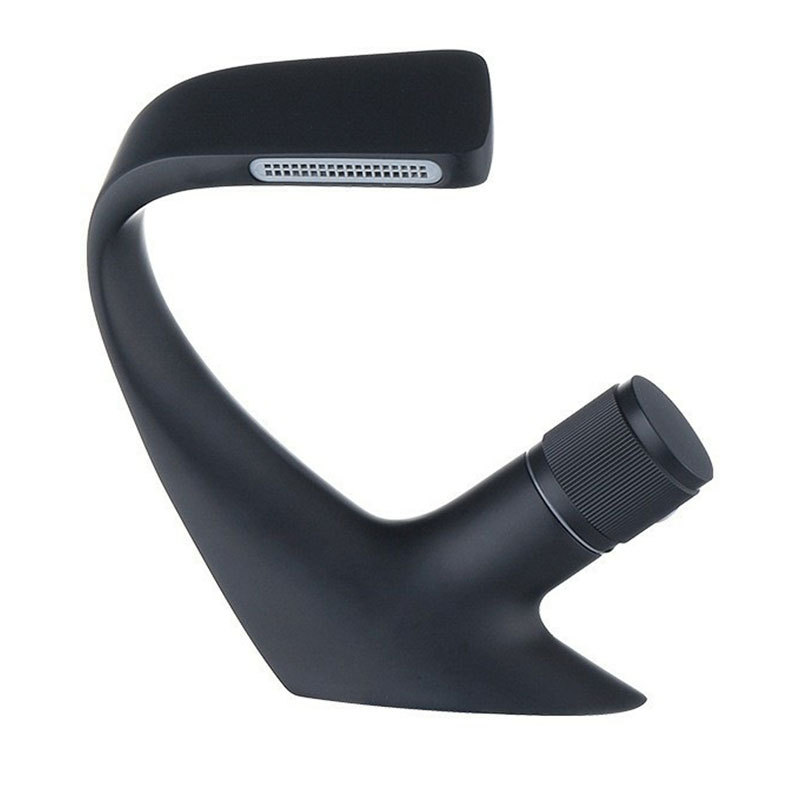
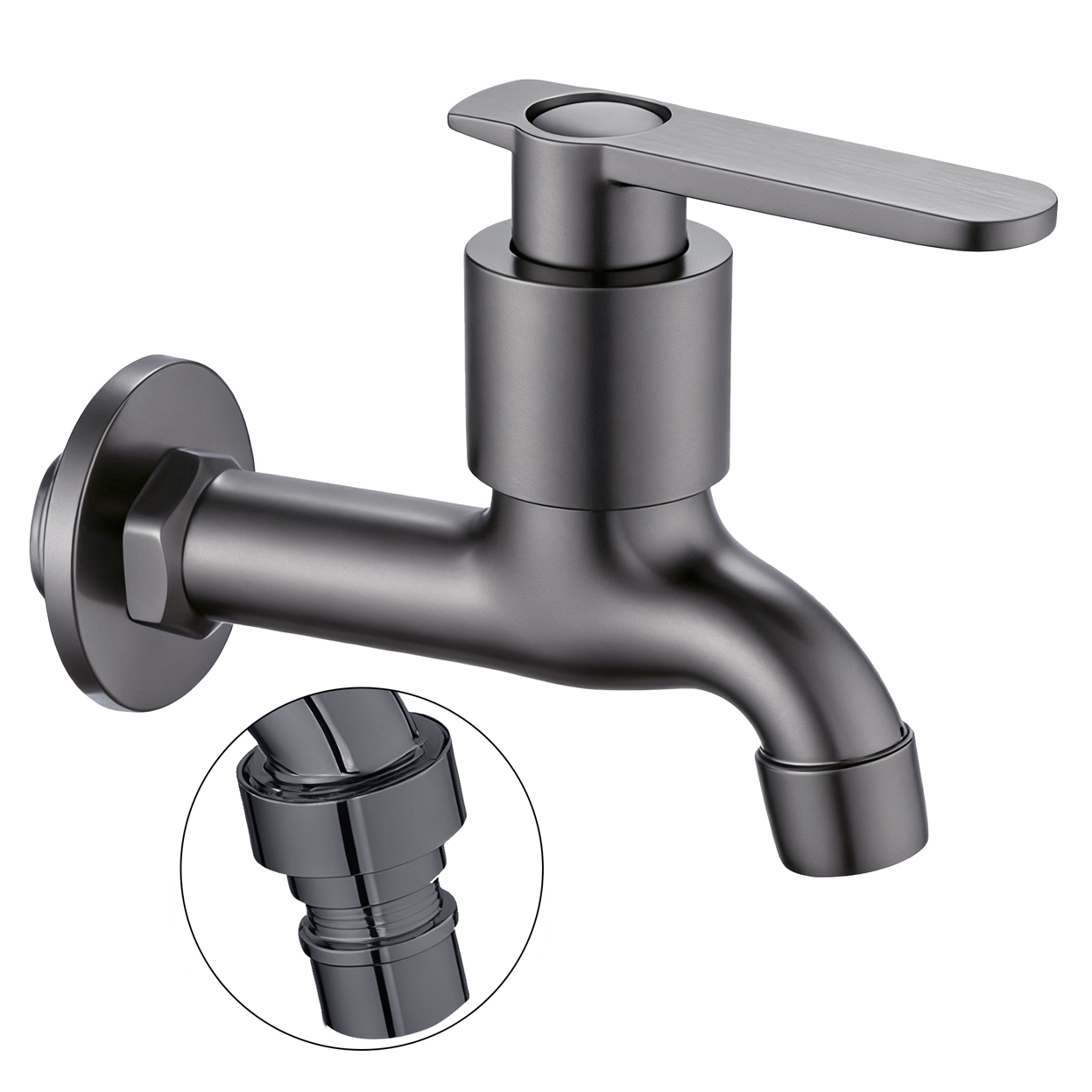
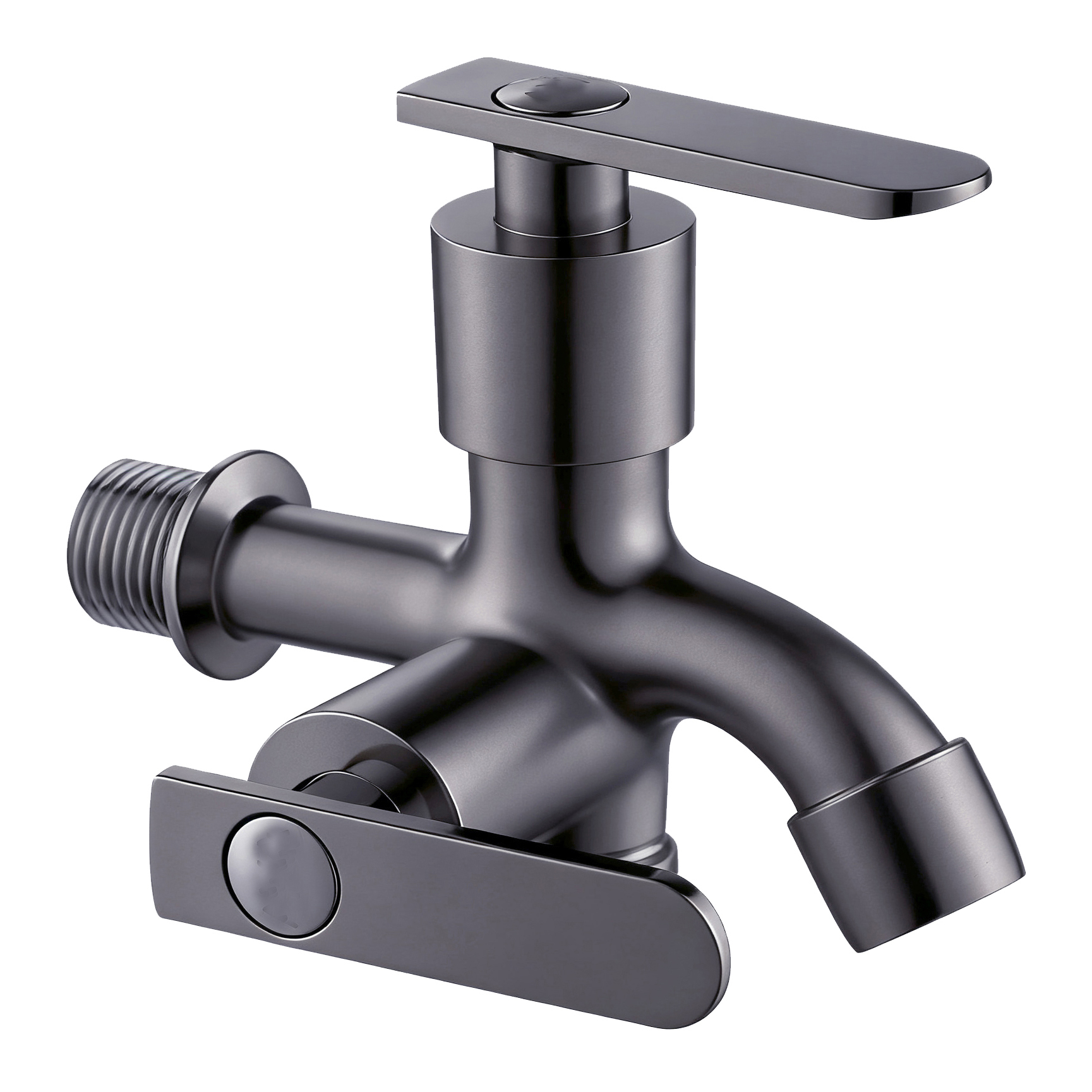
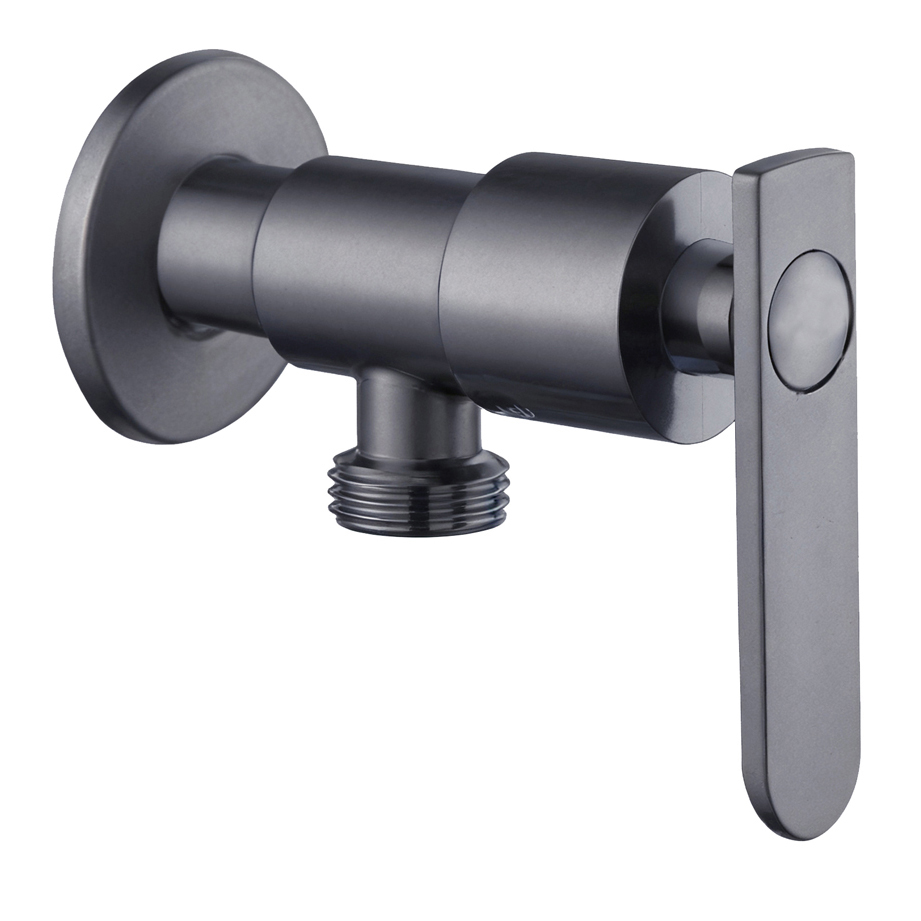
Product photos can help with identification, but they cannot prove that the internal configuration is the same.
Two faucets can look almost identical while using different cartridges, aerators or inlet components.
When a difference may affect the certification scope, ask about the tested configuration instead of checking only the handle shape or finish.
Verify the Record Through the Official Source
A practical way to verify faucet certifications is to start with the certification body’s official website and its own search system.
For example, NSF provides an official Certified Products and Systems search. Its current listings cover different certification programs, including drinking-water system components and plumbing-related products. NSF also advises users to contact the organization if they have questions about whether a product is certified or how to interpret a listing.
Use information such as the certificate holder, manufacturer, trade name, model and applicable standard to compare the listing with the supplier’s document.
Do not rely only on a screenshot sent by the supplier.
It is also useful to record:
- The date of the search
- The official website or search page used
- The name or model searched
- The result and its listed scope
This creates a record that another person can review later.
If the official listing does not match the supplier’s document, do not immediately assume that the document is fake.
The difference may come from a company name, model naming method, database update or another issue.
Instead, mark the document as pending verification and ask the certificate holder or certification body to clarify the difference.
Until the issue is resolved, do not treat the document as confirmed evidence for market access.
Check What the Report Actually Covers
When reviewing faucet test reports for importers, look beyond the final conclusion.
Find the:
- Test standard and version
- Sample quantity
- Sample description
- Test conditions
- Test items
- Results
- Pass/fail criteria
- Notes and limitations
A report may cover only certain tests. It does not necessarily mean that the product has completed every evaluation required by a particular standard or market.
Pay attention to terms such as “not applicable,” “not tested” or customer-specific conditions. These details may change what the report actually supports.
The standard number alone does not prove that the report is suitable for your market.
First confirm what product and application the standard covers. Then check whether the target market currently uses that requirement.
Internal development testing, a supplier’s own test method and a market-required test can all provide useful information. However, they should remain clearly identified as different types of evidence.
The same principle applies when checking the testing laboratory or certification body.
A well-known organization may offer many different services. Its name alone does not mean that every document covers every test or requirement.
In practice, you need to answer three separate questions:
Is the document authentic?
Does it apply to this product?
Does it cover the requirement you need to prove?
Do Not Extend Component Evidence to the Whole Faucet
A supplier may provide certification documents for a cartridge, hose, seal or another water-contact component.
These documents can help establish evidence for the materials or components used in the faucet. However, the complete faucet may contain additional materials, connections and configurations.
NSF explains that certification of a finished product and certification of an individual component are separate matters. Testing a finished product does not automatically give its individual components separate certification.
For this reason, keep component evidence and end-product evidence separate in the purchasing records.
If you only have a component certificate, record the gap clearly and determine what additional evaluation the complete faucet requires.
Avoid turning:
“The faucet uses a certified component”
into:
“The faucet is certified.”
The difference matters for internal approval, product documentation, packaging and any certification claim made to the market.
Check Which Rules Apply When There Is a Transition Period
Some markets change product requirements over time. During a transition period, certification, manufacturing and installation may follow different dates or conditions.
Australia’s WaterMark system is one example where buyers need to consider the applicable product requirements and current scheme information rather than relying on a single historical date. The WaterMark system maintains a Schedule of Products, while its technical specifications can also define requirements for particular product categories.
The lesson is broader than one market.
When a rule has a transition period, record the expected manufacturing date, shipment date and intended installation or use date. Then confirm which requirements apply to the actual situation.
Do not assume that an old certificate remains sufficient simply because it was valid when the product was first approved.
For products sold in several markets, keep the applicable documents and product configurations separate. The same-looking faucet may require different evidence in different markets.
Record the Evidence Gaps
After reviewing the documents, record what has been confirmed, what is still missing and what needs to happen next.
| What needs to be verified | Current evidence | Next action |
|---|---|---|
| Model and configuration | Report provided, but the appendix is incomplete | Complete the appendix and confirm the model scope |
| Current certification status | Only a historical certificate copy is available | Check the official listing or ask the certification body to confirm the status |
| End-product coverage | Only component documents are available | Confirm what evaluation the complete faucet requires |
| Applicable timing | The document is not linked to the order or installation date | Check the transition period and intended use |
These are examples of common document gaps, not judgments about any particular supplier.
The final status can be confirmed, confirmed with conditions oder pending additional evidence.
The important point is to connect each status to a specific reason.
For example, “pending” should identify the missing model appendix, unclear certification scope or unresolved market requirement.
That is more useful than putting “approved” or “not approved” in an email without explaining the evidence behind the decision.
Sources
[1] NSF Certified Products and Systems 官方查询入口。
[2] NSF 认证组件与最终产品的区别