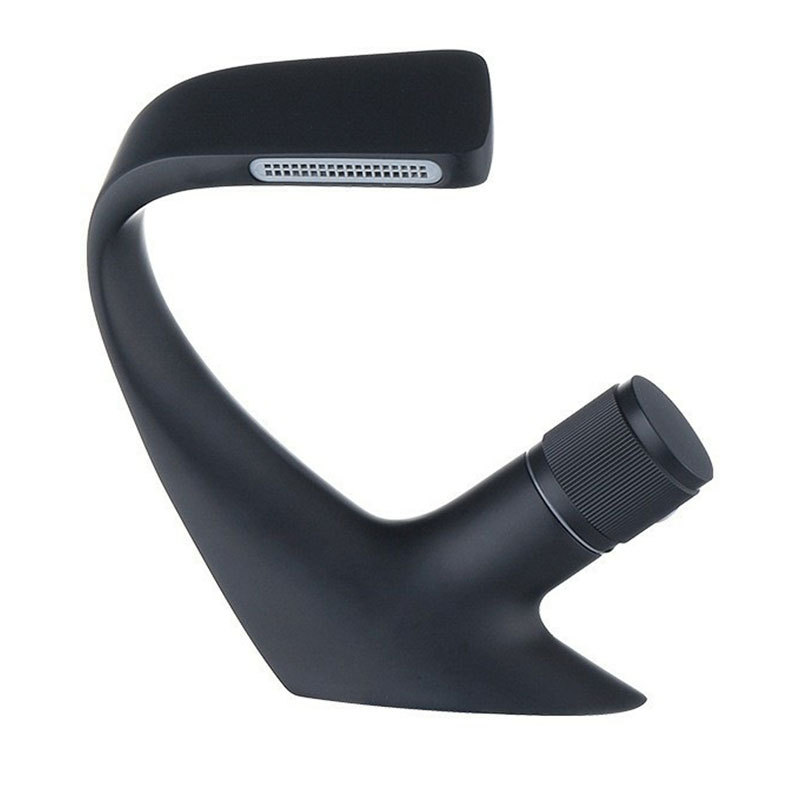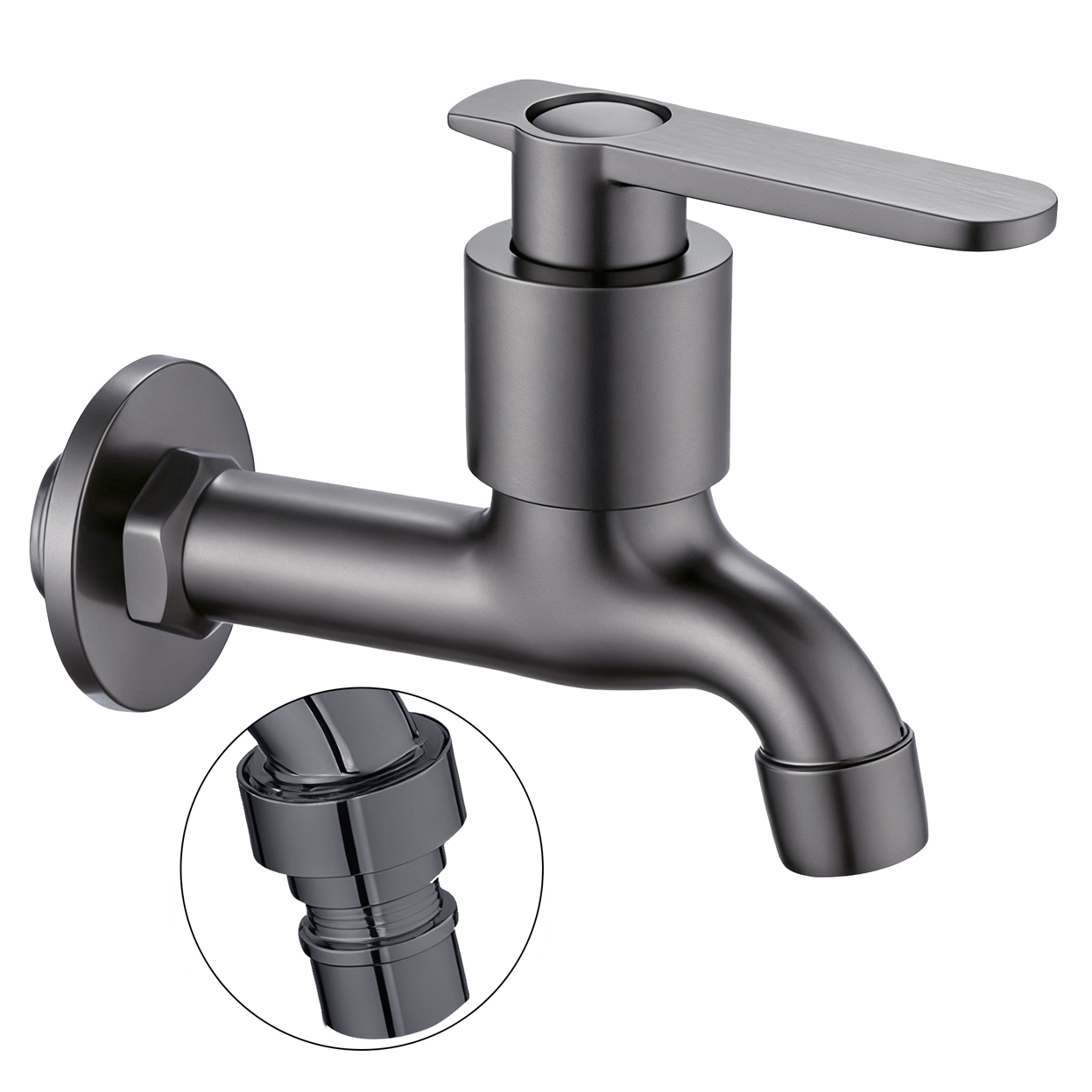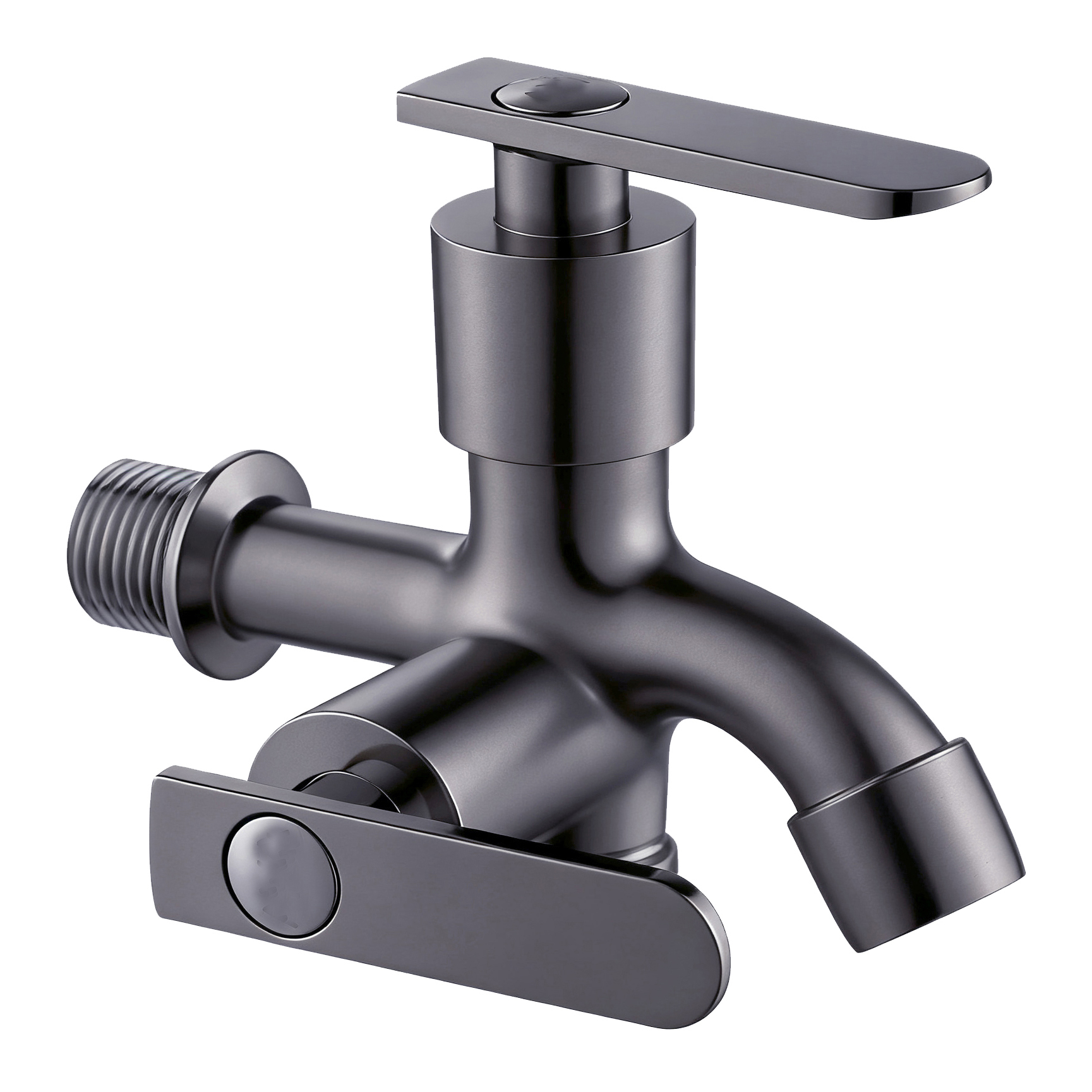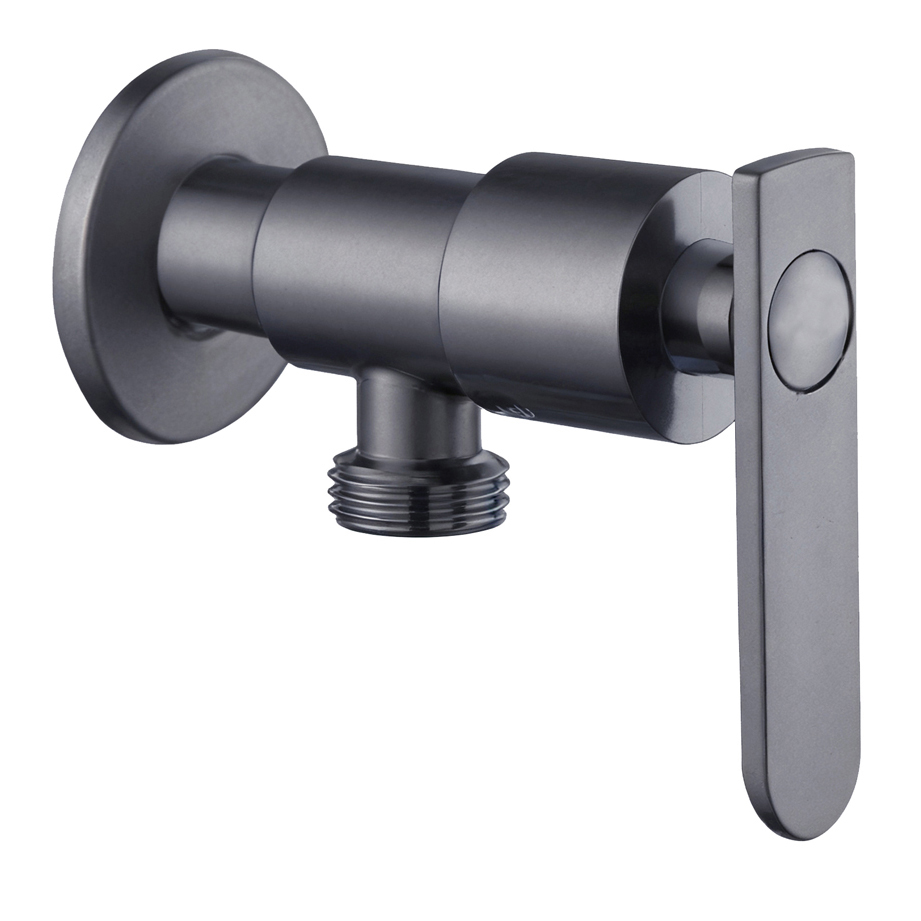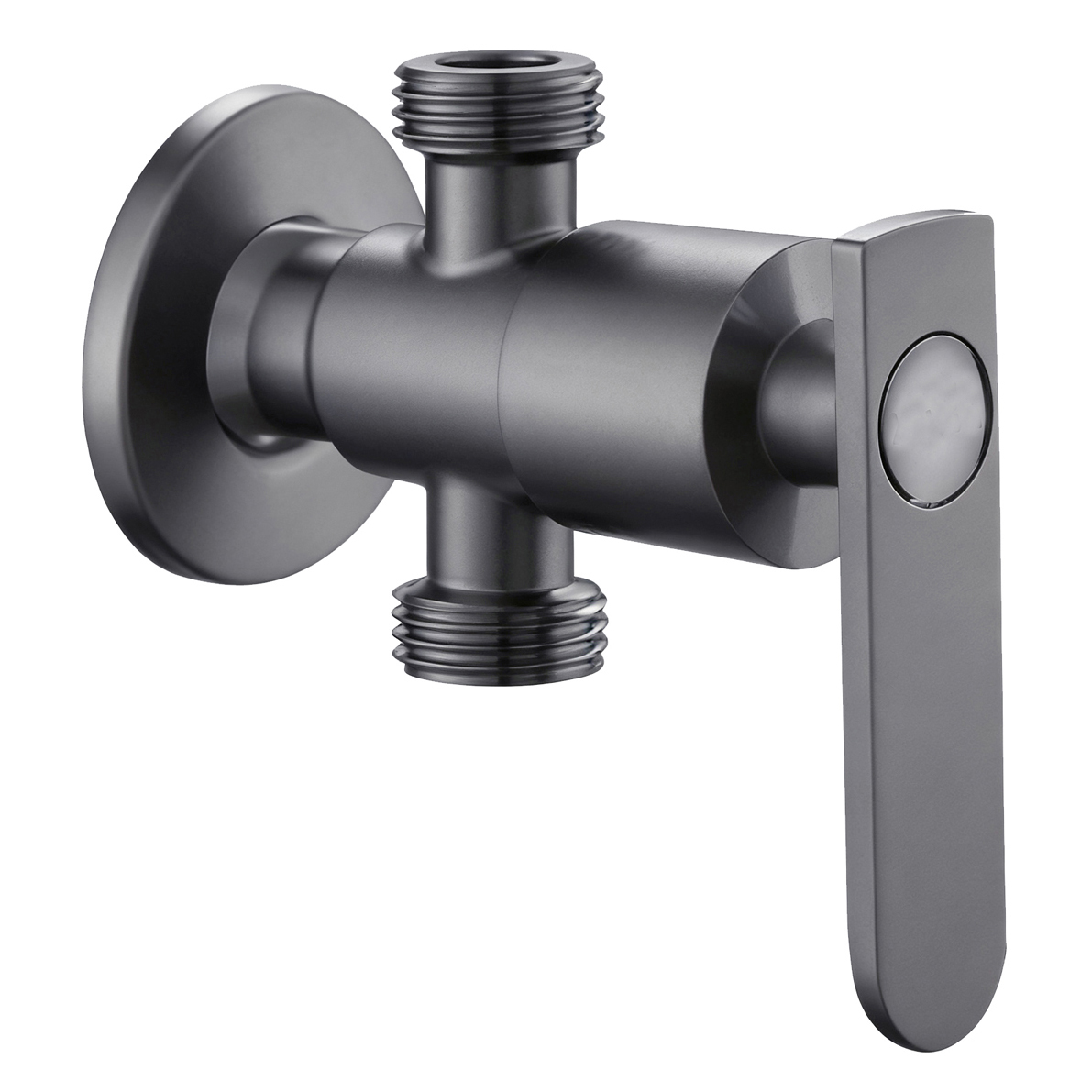




Large DIY retail networks can carry many Kitchen Faucets. However, as the assortment grows, the differences between similar models need to become clearer.
The question is not simply whether another model can be added. Consumers, buyers, online catalogs, and warehouse teams all need to understand how one model differs from the next.
According to information published by Russia’s Maxidom, the company currently operates 29 Hypermarkets across 12 regions. Its assortment includes around 80,000 products from more than 700 manufacturers in Russia, Europe, and Asia. The company also launched its DIY e-commerce channel in 2011.
Within a retail system of this scale, a Küchenwasserhahn is only one SKU in a much larger Building & Home Improvement assortment.
A Change in Appearance May Not Be Enough to Support a New Model
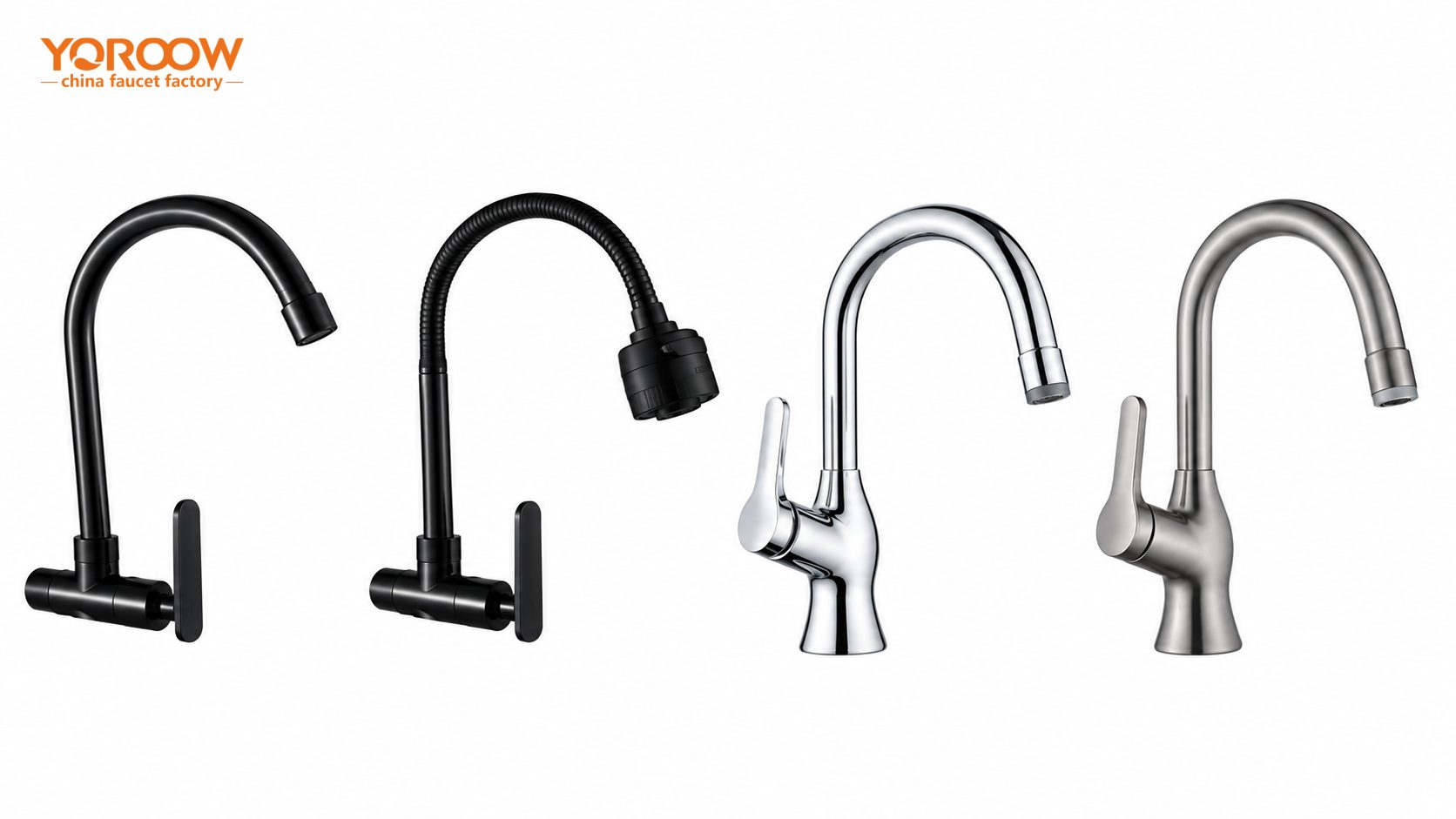
Russia Kitchen Faucet products can include Basic Mixers, Pull-Out models, Wall-Mounted models, different Finishes, and different configurations.
The main issue is to avoid creating two models with only minor visual differences while giving them very similar product names and specifications.
For example, two Faucets may both use a Single Handle, Deck-Mounted installation, and Chrome Finish. Their Body Material, installation method, and functions may also be similar.
In this case, it is worth checking whether they need to exist as two separate SKUs.
The difference can be small, but it should be easy to explain.
One model may add a Pull-Out function. Another may use a different Mounting Type, Body Material, or price level. These differences can appear clearly in the product information.
If buyers have to study product photos closely to find the difference, the models can become difficult to identify in a large catalog.
Price Levels Should Reflect Real Product Differences
Large DIY retail systems often cover both basic and higher price levels.
Für Küchenarmaturen, price differences should connect to identifiable product details. These may include Body Material, Cartridge, Spout Structure, Pull-Out Function, Finish, Accessories, or Packaging.
If a higher price relies only on words such as “Premium” or “Luxury,” consumers and retail buyers may struggle to understand the reason for the difference.
Clear specifications make different price levels easier to understand.
Online Catalogs, Packaging, and Purchasing Documents Should Point to the Same Model
The same SKU may appear in physical stores, Online Catalogs, warehouses, and repeat orders.
If the online product name, packaging name, and purchasing documents use different descriptions, similar Kitchen Faucets become harder to manage.
Maxidom’s official company information shows the scale of a large Russian DIY retail network. However, it does not provide the retailer’s Kitchen Faucet purchasing data.
Für Russia Kitchen Faucet selection, local customers still need to confirm the products currently sold in the market. Connection requirements, distribution coverage, and after-sales networks also need separate confirmation.
For a China Wasserhahn Fabrik such as YOROOW, product information for overseas retail channels should clearly show how one model differs from another.
Clear Model Numbers, Finishes, Connections, Mounting Types, and Packaging Identities help each product maintain an accurate identity within a large retail catalog.