



Decorative finishes face a problem in physical retail stores that product catalogs rarely show clearly.
The same finish can look slightly different in different display areas.
Rose Gold is a good example.
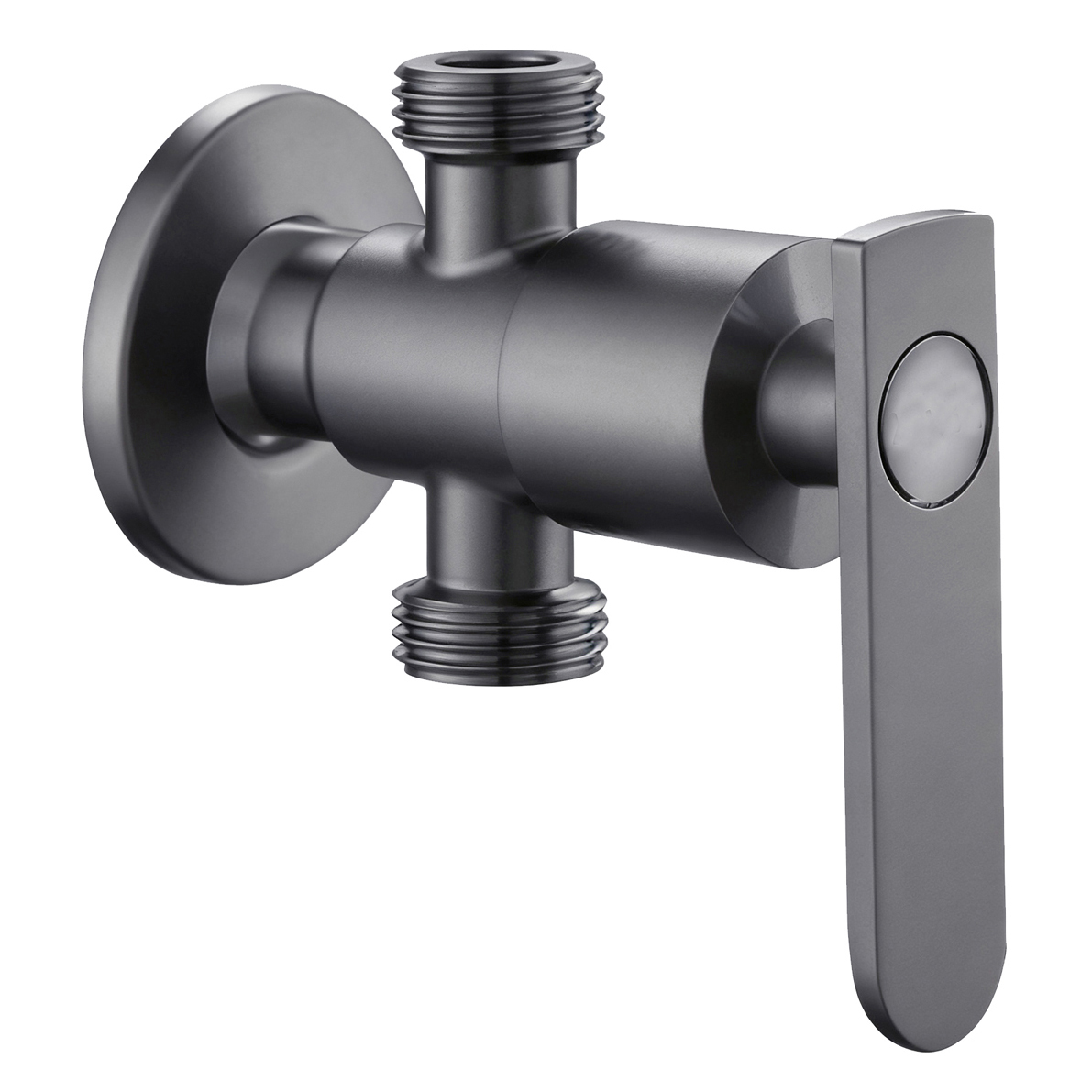
The appearance of a Rose Gold Shower Faucet depends on more than the finish itself.
Lighting, background, viewing angle, and surrounding reflections can all change how shoppers see the surface.
For this reason, comparing products under different lighting conditions and using finish samples can provide more useful information than relying only on the name “Rose Gold.”
Retail Displays Can Accidentally Exaggerate Finish Differences
Imagine two rose gold bath faucet models in different parts of the same showroom.
One sits under warm lighting.
The other stands near a cooler light source.
One has a white wall behind it, while the other appears beside darker bathroom products.
Even if the two finishes are very similar, shoppers may see different overall tones and reflections.
The display environment has added another variable.
“Rose Gold” alone is not a technical specification for evaluating a coating.
Brands need a clear reference sample.
They should also define acceptable visual variation and compare products under consistent lighting conditions.
Shelf samples, packaging photos, and delivered products should still look like part of the same color family.
Color consistency and coating performance also require separate checks.
A visually consistent finish does not prove corrosion resistance or coating adhesion.
Retailers that sell matching shower systems, accessories, and drain products can also compare visible parts across the same batch.
They can record customer feedback about “unexpected color differences” as a separate issue.
When retailers need to compare similar finishes, consistent lighting and background conditions provide more value than adding descriptions such as “Warm Rose Gold” or “Elegant Rose Gold.”
Finish Samples, Packaging Images, and Real Products Serve Different Purposes
These three forms of presentation do not replace one another.
Packaging images help shoppers identify the product.
A finish sample provides a relatively stable surface reference.
The actual Rose Gold Shower Faucet shows how the finish looks across curves, edges, reflections, and the complete product shape.
If these three versions look noticeably different, shoppers may not know which one to trust.
For decorative finishes such as Rose Gold, the goal should not simply be to make the color look more attractive.
The display should help shoppers compare products under reasonably consistent conditions.
If a decorative finish changes noticeably under different lighting, stores can note the lighting used around the physical sample.
Online product pages can also keep real product photos without heavy color adjustment.
This helps online shoppers form more realistic expectations about possible color differences.
Sample condition also matters.
Fingerprints, water marks, dust, and repeated handling can change surface reflections and make the finish appear lighter or darker.
The main question is therefore very specific:
Does the difference come from the finish itself, or from lighting, background, and sample condition?
Once retailers separate these variables, a Rose Gold display becomes much more useful for real product comparison.