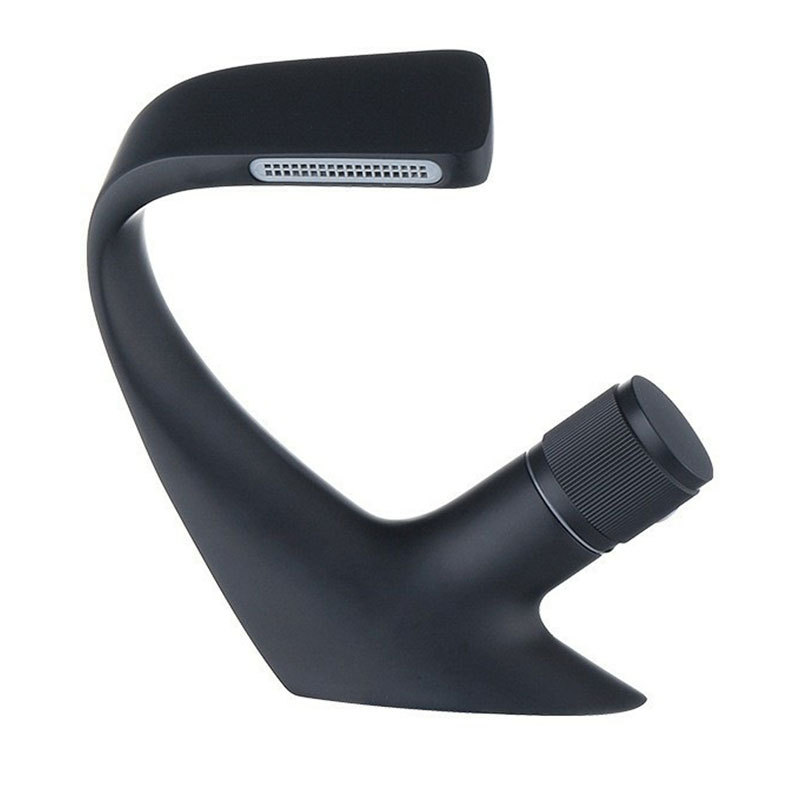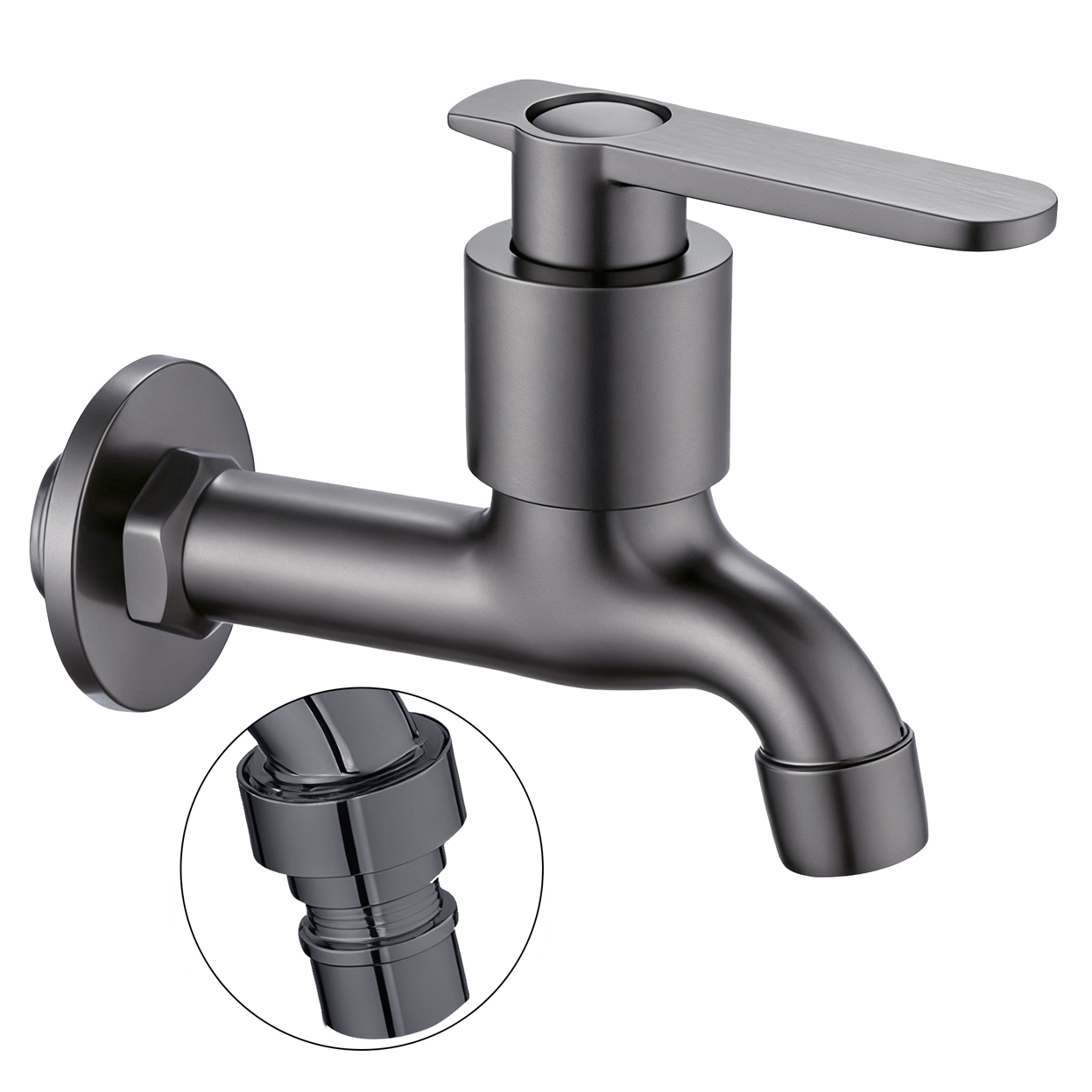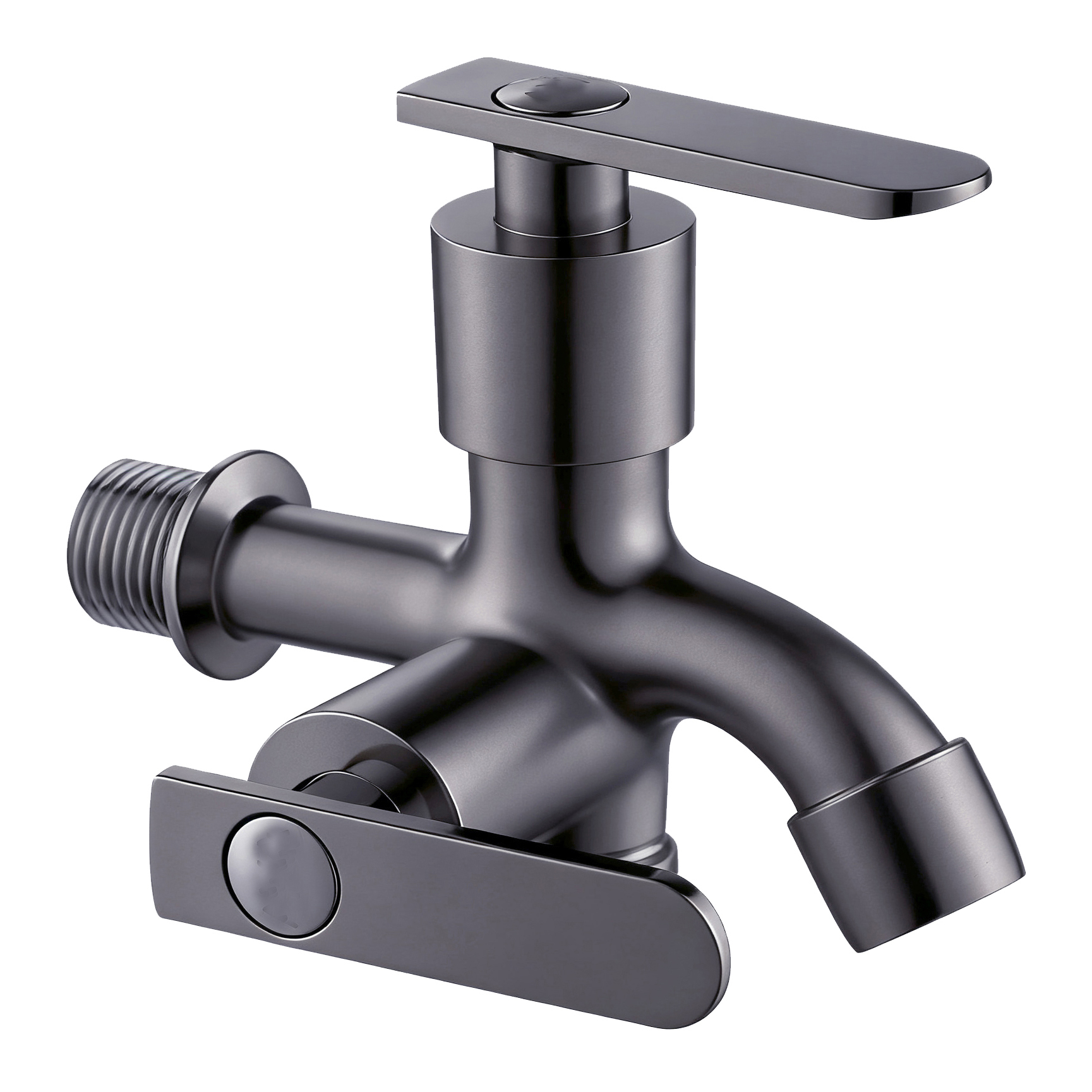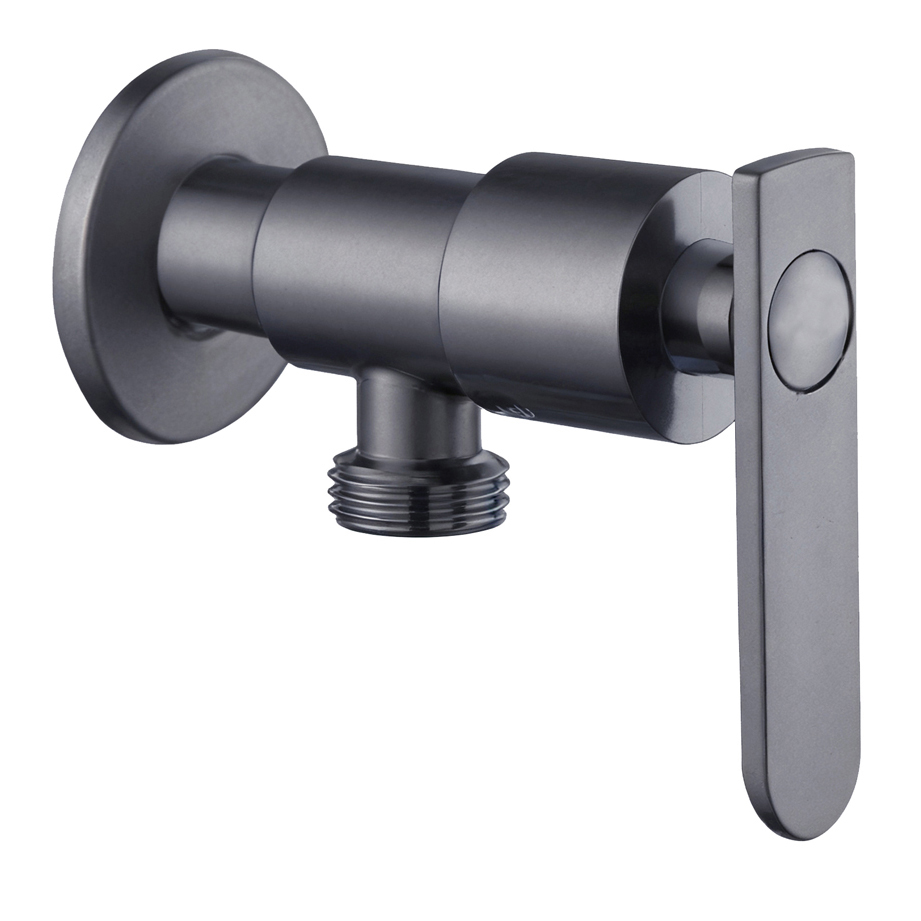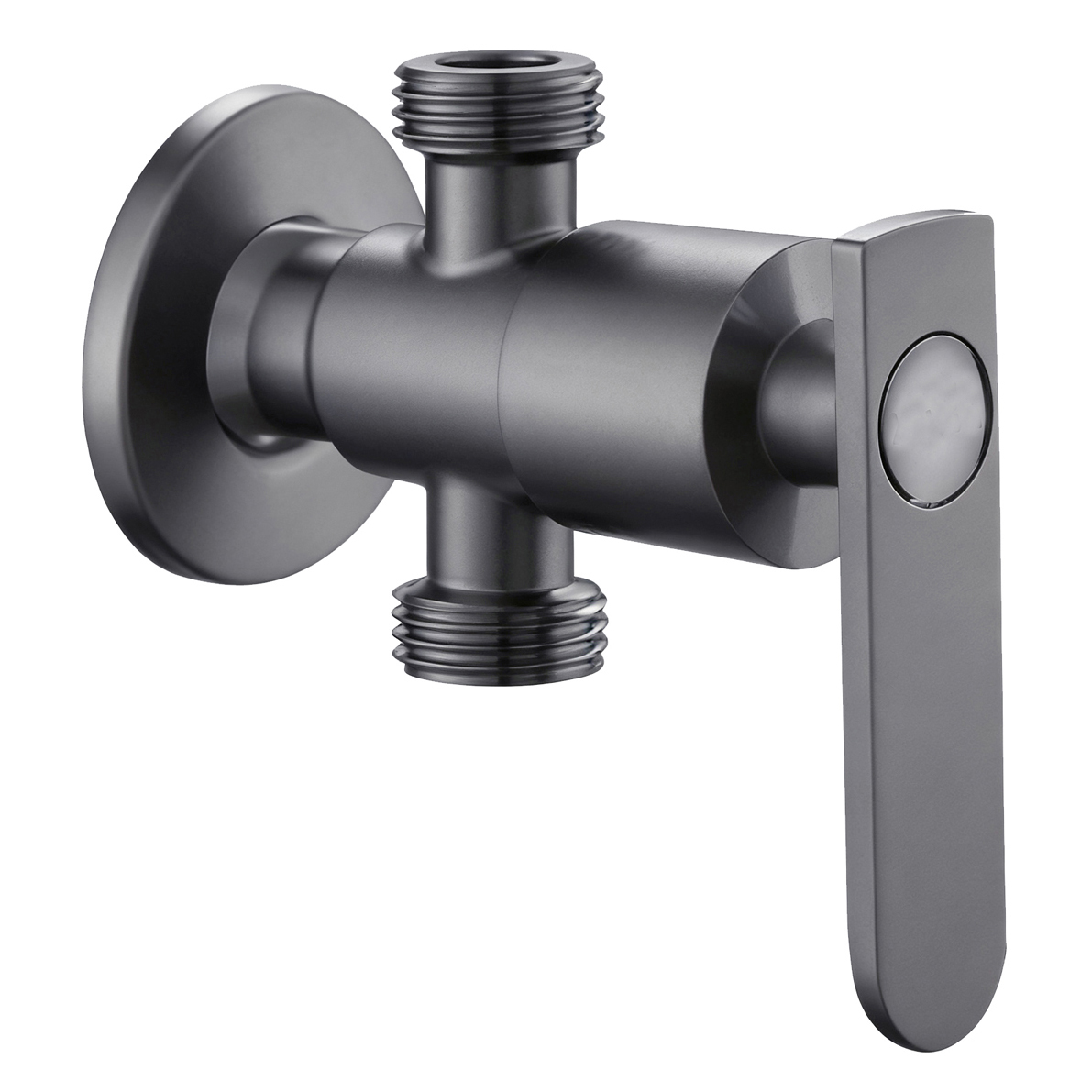




When selecting a Water Tap, it is easy to assume that a larger connection automatically means a higher Flow Rate.
In practice, the connection is only one part of the complete water supply path.
Before choosing a water tap 3/4, first check whether the existing pipework and actual water demand really require a larger connection size.
A Larger Connection Does Not Determine the Final Flow Rate
Actual water delivery depends on several factors. These include supply pressure, upstream pipe size, the internal waterway of the valve body and the outlet structure.
If the upstream pipe is already small, simply increasing the tap connection size will not increase the final Flow Rate by the same proportion.
For this reason, a 3/4 Water Tap should be evaluated as part of the complete waterway rather than by connection diameter alone.
When Does a Larger Connection Make More Sense?
A larger connection becomes more relevant when the existing supply pipe already uses a larger connection size and the application genuinely requires greater water delivery.
The connection also needs to match the pipework at the installation site.
If installing a larger Wasserhahn requires additional adapters, the installation becomes more complicated. It may also reduce the practical benefit of choosing the larger connection in the first place.
A simple way to confirm the specification is to follow this sequence:
Site Pipe Specification → Actual Flow Requirement → Internal Faucet Waterway → Faucet Connection
For a Water Tap, connection size should be the result of actual usage and installation conditions.
It should not be treated as a stand-alone indicator of product performance.