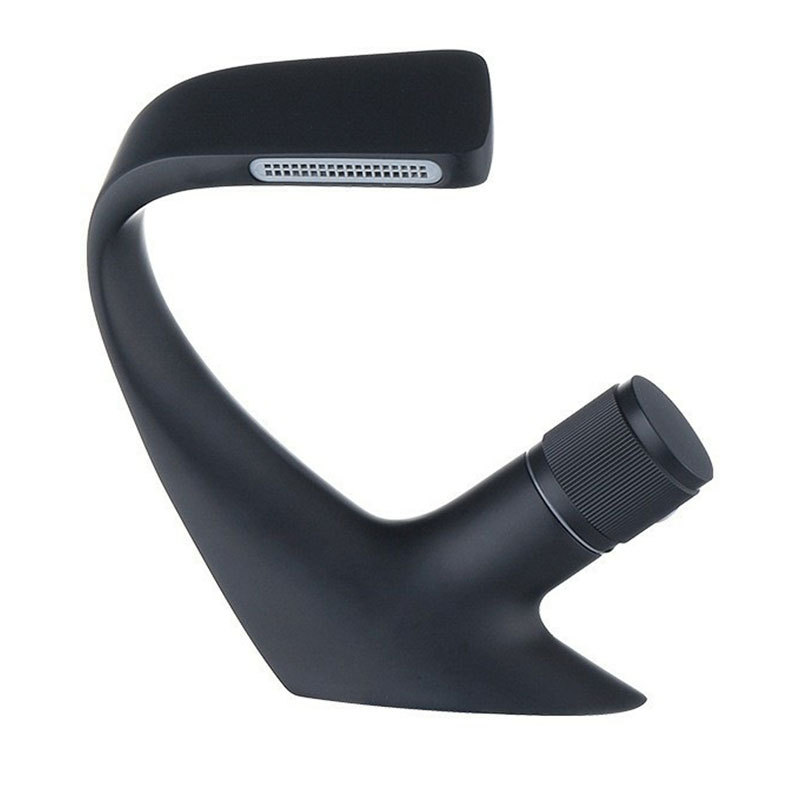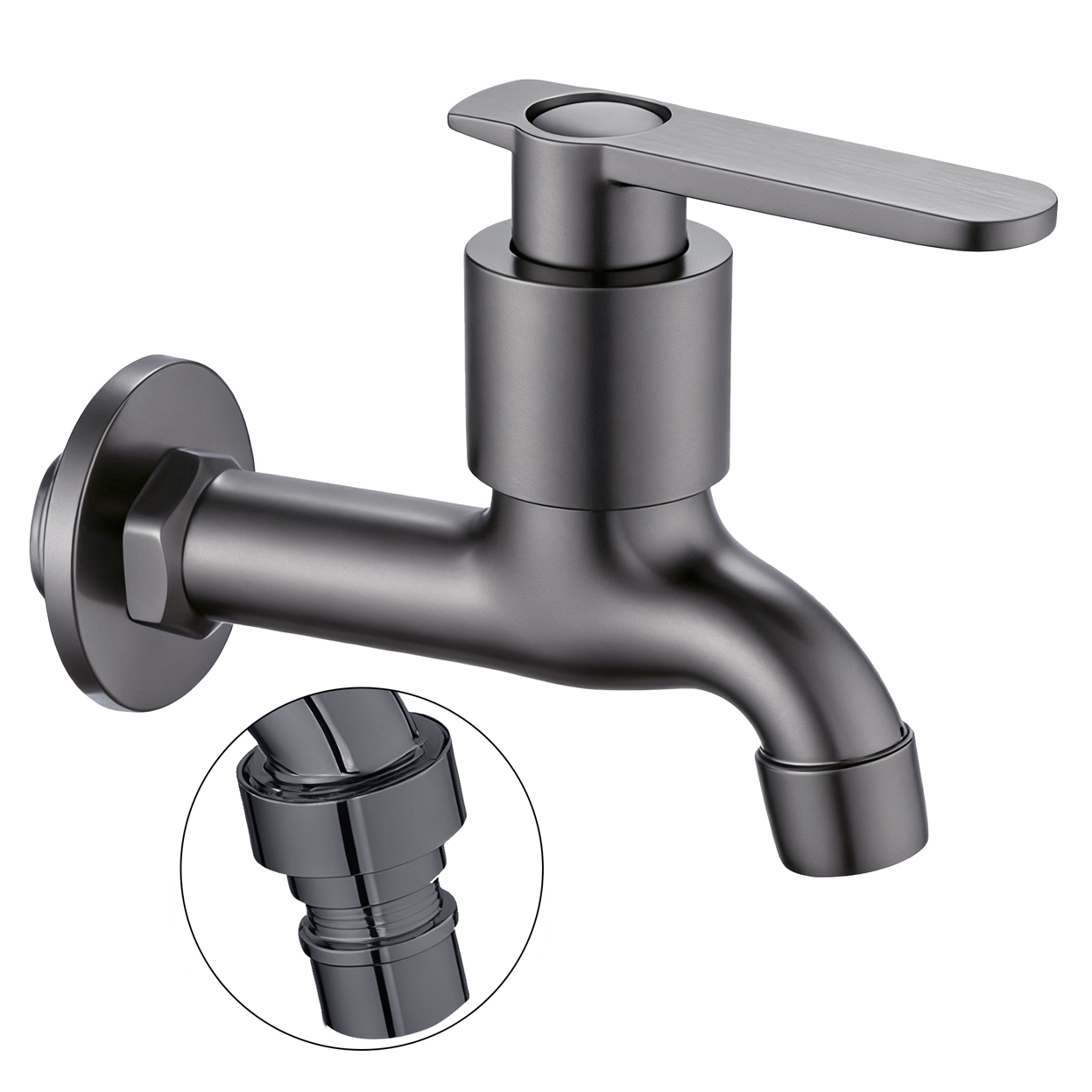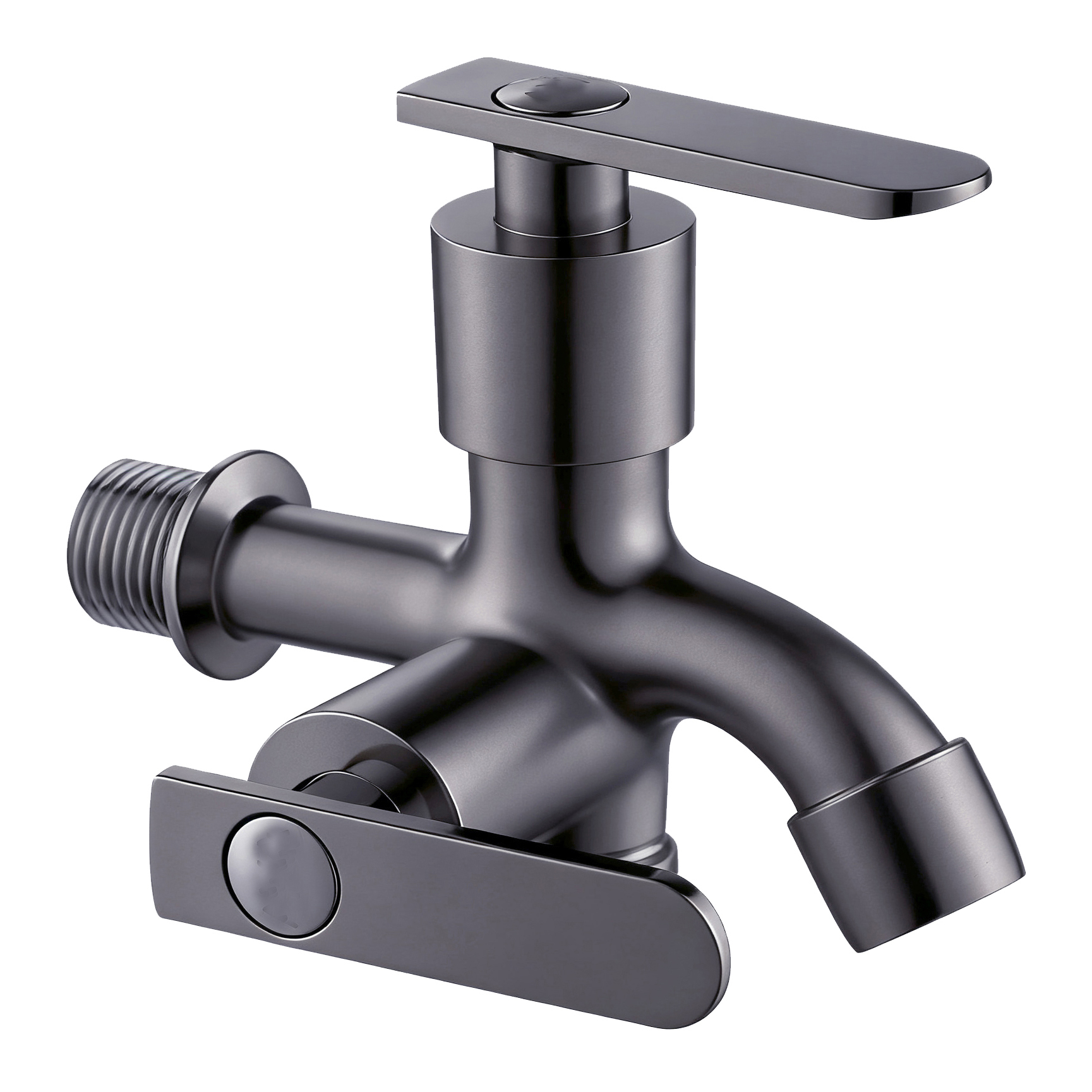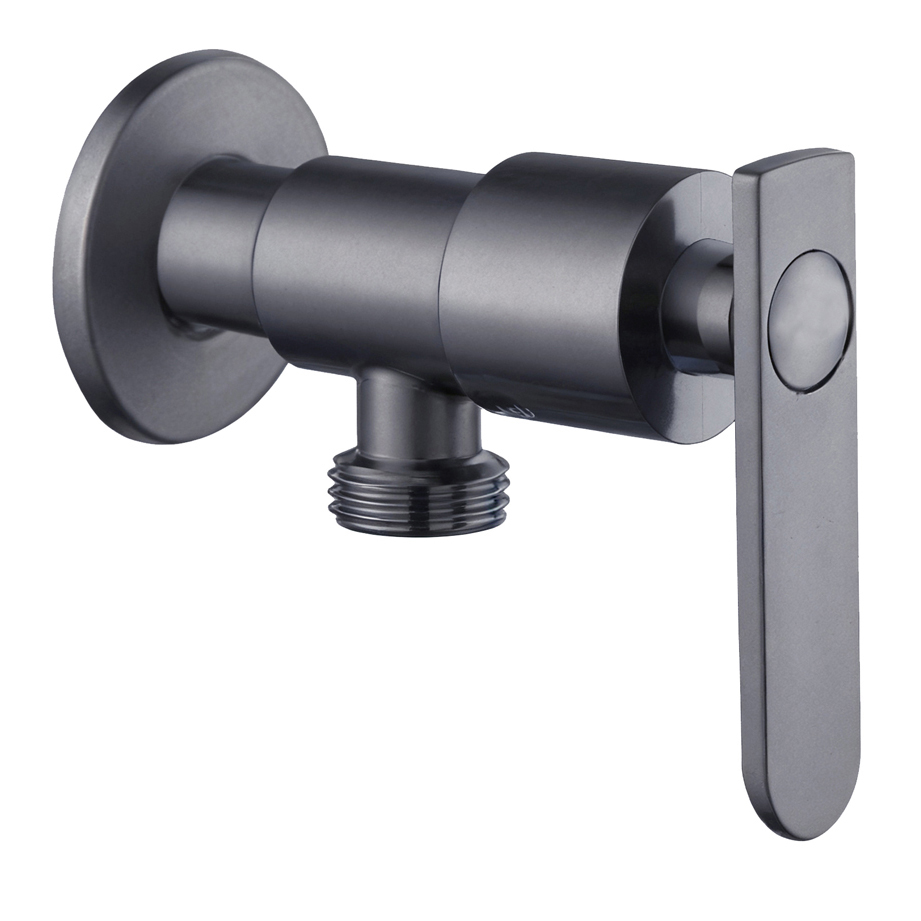




One important difference between a Drinking Water Tap and a regular faucet is that the water passing through the product may be consumed directly.
For this reason, product selection should go beyond body material, design and outlet type. It is also necessary to understand which components the water contacts as it moves through the Faucet.
Start with the Complete Wetted Path
From the inlet to the outlet, water may pass through internal waterways, cartridge-related components, seals, connectors and outlet parts.
This means that a product specification stating only Brass Body oder Lead-Free does not describe the complete material configuration.
For a drinking water tap, it is more useful to trace the actual water path:
Water Inlet → Internal Waterway → Control Components → Seals / Connections → Outlet
The key is to identify which components contact the water and what materials those components use.
This provides a clearer picture than evaluating the Faucet only by its main body material.
Lead-Free Does Not Cover Every Drinking-Water Requirement
In the U.S. market, EPA requirements for “lead free” apply to products such as plumbing fittings and fixtures. The weighted average lead content of their wetted surfaces must not exceed 0.25%. NSF/ANSI/CAN 372 provides a method for evaluating compliance with this lead-content requirement.
NSF/ANSI/CAN 61 addresses a different issue. It focuses on the health effects of contaminants that materials and products may introduce into drinking water through contact.
For this reason, Lead Content und Drinking-Water Contact should not be treated as the same requirement when evaluating a drinking water faucet tap.
The applicable requirements still need to be confirmed for the specific product and target market.
Combination Faucets Also Require a Check of the Internal Waterway
Some Küchenarmaturen combine regular hot and cold water with filtered or drinking-water functions in one product.
If the design requires these water paths to remain separate, two handles, two outlets or the external appearance alone cannot confirm that separation.
The internal waterway, product drawings or other verified structural information from the supplier should also be reviewed.
Two Drinking Water Faucets may look very similar from the outside while using different internal Waterway designs.
A practical selection sequence for this type of product is:
Wetted Components and Materials → Internal Waterway → Target-Market Requirements → Outlet Control and Other Configurations
When a Faucet supplies water for direct consumption, material should not be treated as just another name on a specification sheet.
Checking materials and construction along the complete wetted path is one of the most important differences between selecting a Drinking Water Tap and selecting a regular faucet.