



When discussing Zinc Alloy, it is easy to reduce the question to whether a “zinc alloy faucet is good or not.”
For a Zinc Water Tap, however, a more practical approach is to first look at where the Zinc Alloy is used, what function that part performs, and what conditions it will face.
Two products labeled Zinc Alloy may use very different material configurations.
First Check Where the Zinc Alloy Is Used
A Zink-Gartenhahn is not made from one single block of material.
The body, handle, connection points, waterway-related components and installation parts perform different functions. Their material requirements may therefore differ.
For example, an external part mainly used for operation should not be evaluated in exactly the same way as a component that carries water pressure, forms a connection or sits within the water-contact path.
This means a specification that only states:
Material: Zinc Alloy
still leaves out an important piece of information:
Which part?
For products that require a closer review of their construction, a BOM or a clear component-level material specification provides more useful information than a single Material field.
Water Contact Is Another Condition to Consider Separately
A material used for an external decorative or operating part is different from a material located within the product’s water-contact path.
This distinction becomes especially important for drinking-water applications.
Material names such as Zinc Alloy, Brass or Stainless Steel alone cannot determine whether a complete product is suitable for drinking-water use.
NSF/ANSI/CAN 61 addresses the health effects associated with drinking-water system components that come into contact with drinking water. It does not simply classify a material name as acceptable or unacceptable.
For this reason, the material configuration of a Zinc Water Tap should be evaluated through three factors:
Material + Component Location + Water Contact
If the product will be used for garden, washing machine or other applications, the material requirements should also be considered in relation to its actual use.
A Garden Tap Also Needs to Match Its Installation Environment
A Zink-Gartenhahn often operates in a different environment from an indoor Basin Faucet.
This does not mean that Zinc Alloy should automatically be ruled out for outdoor use.
A more useful approach is to check where the product will be installed, which components remain exposed, how frequently the tap will be used, and what surface treatment the product uses.
The same material can lead to different decisions when used in different products or components.
Material selection should therefore follow:
Part + Function + Application
rather than the material name alone.
Actual Products Show Why a “Zinc Faucet” Should Be Evaluated by Component
This becomes clearer when looking at actual product configurations.
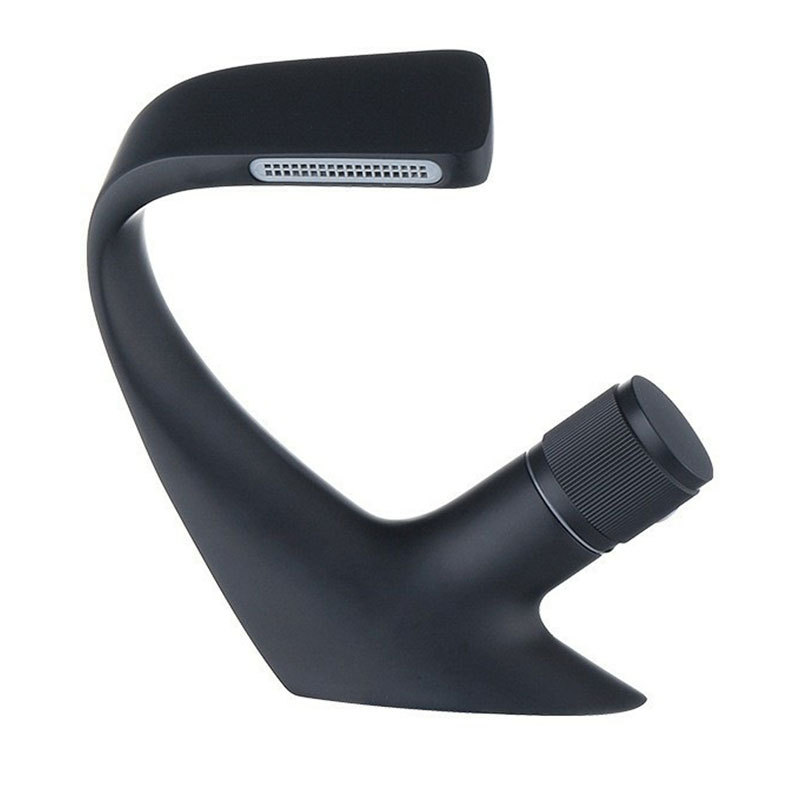
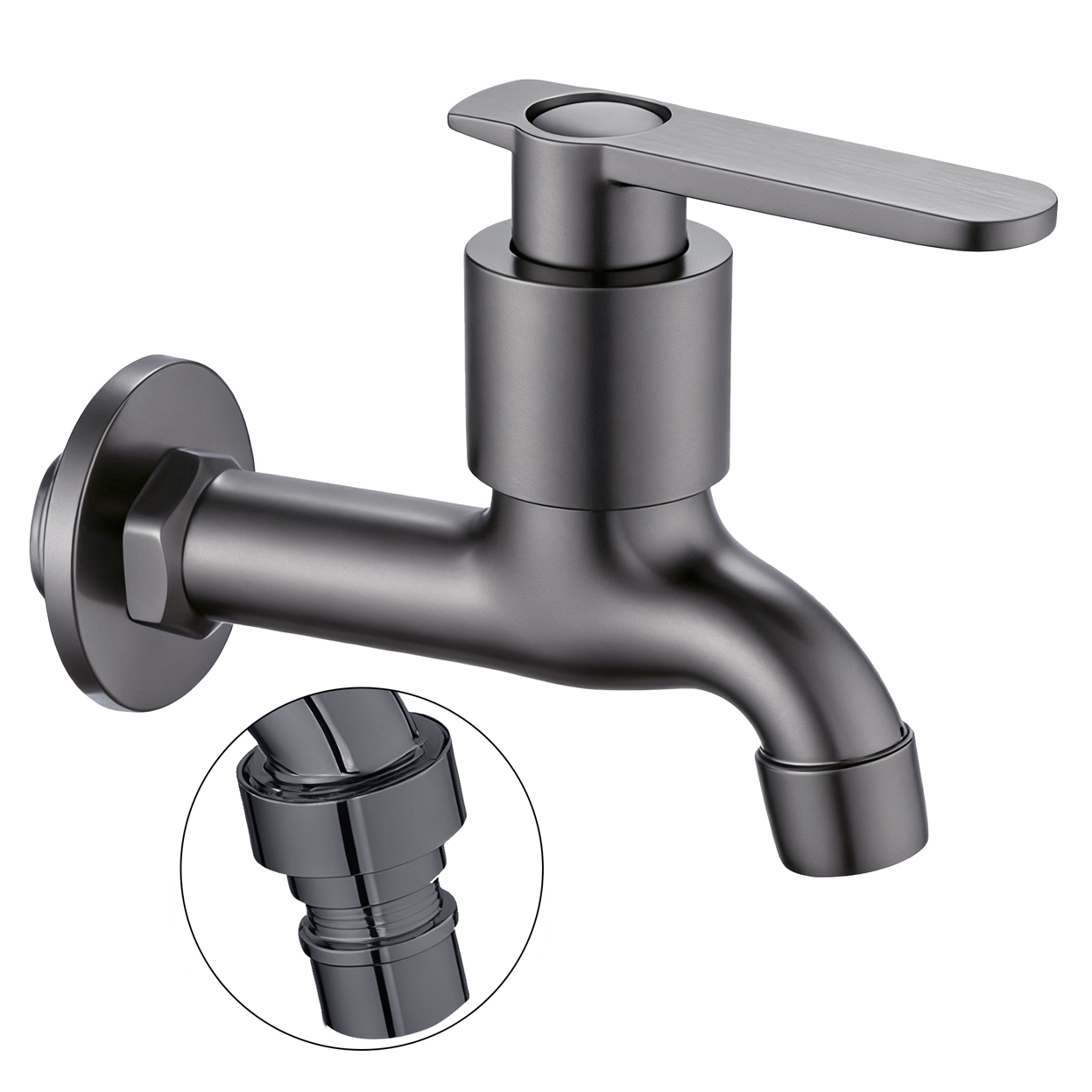
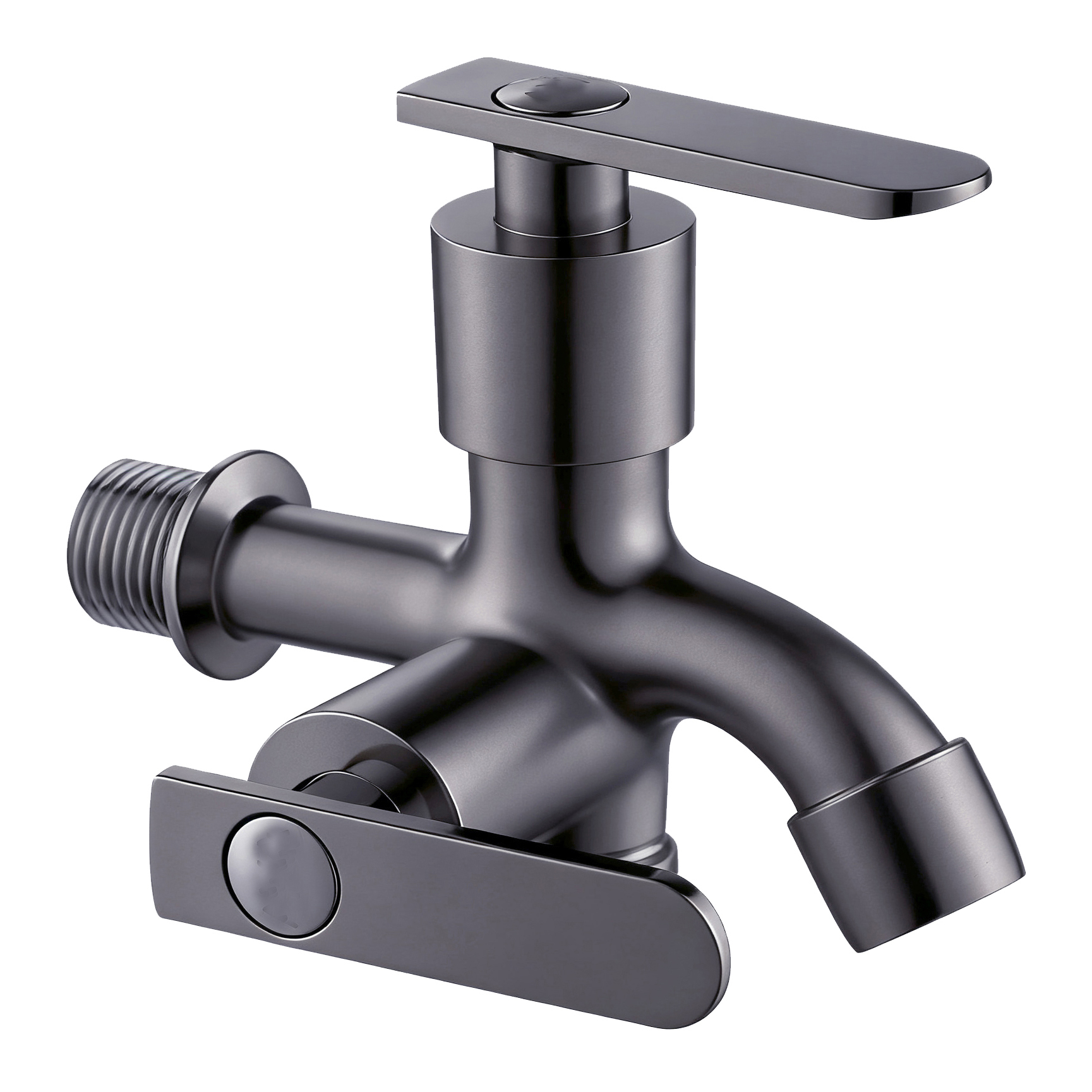
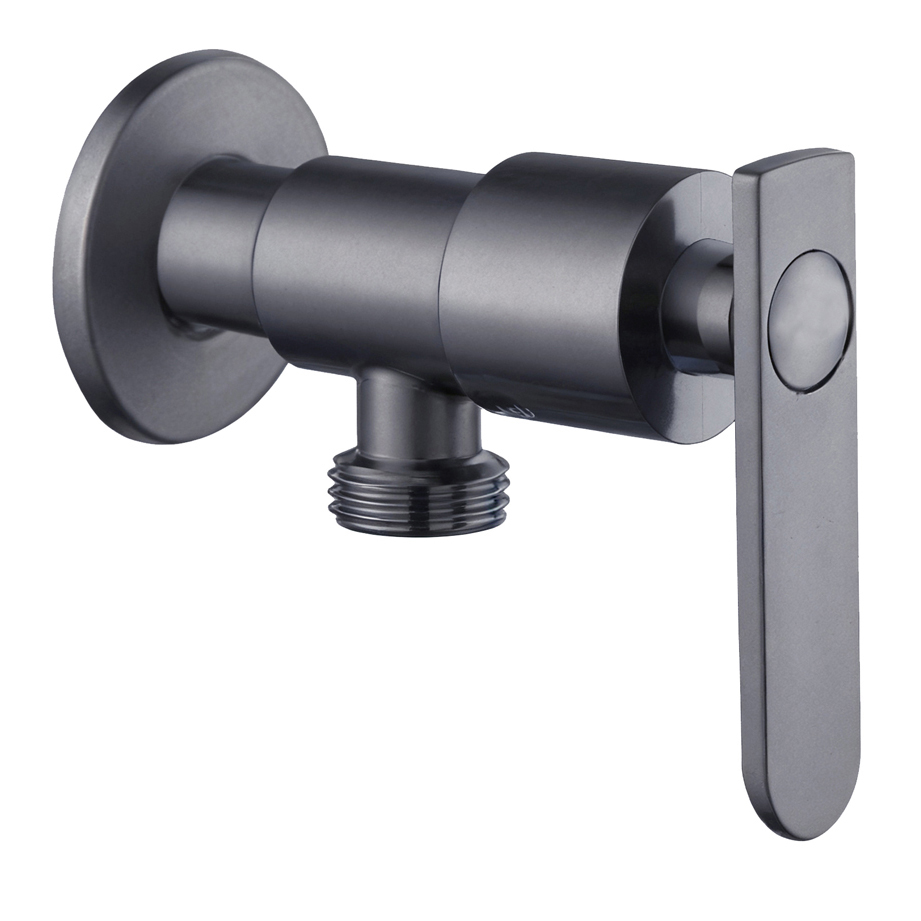
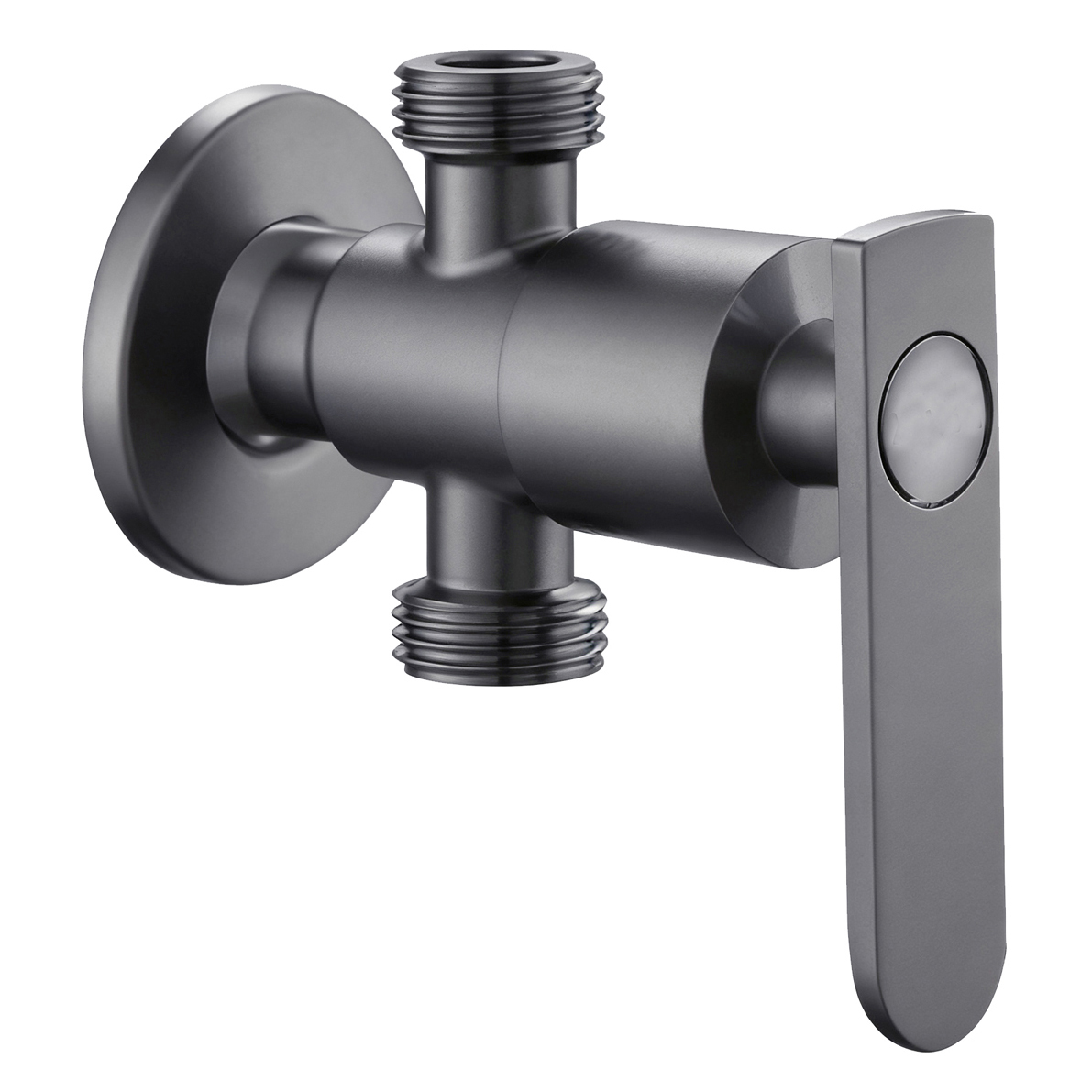
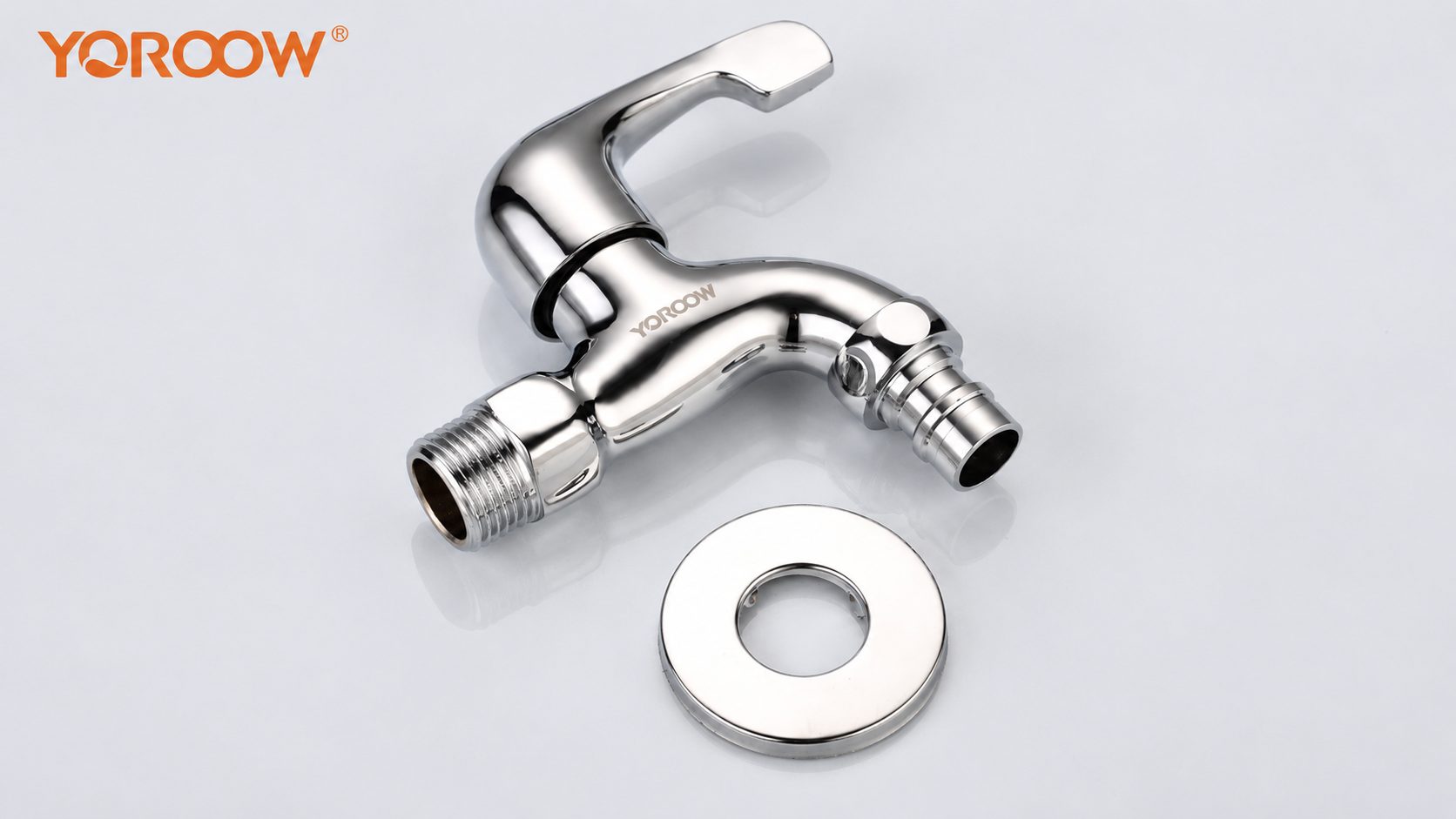
YOROOW’s Zinc Water Tap range includes different structures, such as single-outlet wall-mounted Water Taps, 2-Way Taps, Washing Machine Taps and Garden Taps.
Some product information also identifies materials at the component level. For example, one 2-Way Tap specifies Zinc + Brass Valve Core.
This provides more useful information than simply describing the product as a “Zinc Faucet.”
When comparing two Zinc Water Taps, placing both products in the Zinc category does not mean they use the same material configuration.
The body, valve core and other key components still need to be checked separately.
Likewise, a Water Tap that mainly uses Brass represents another option in terms of product construction and cost.
The useful comparison is not simply to conclude that “Brass is always better than Zinc.” Instead, the comparison should examine where each material is used and whether that material choice matches the intended application.
Go Beyond Material Names with a Material Map
For a Zinc Water Tap, the main components and their materials can be mapped as follows:
Component → Material → Water Contact → Function
This provides a more practical view of Faucet Construction than simply comparing “Zinc, Brass or Stainless Steel.”
For long-term product lines, a Material Map also helps with component and material changes.
If a part or material supplier changes, the team can identify exactly where the change occurred instead of relying only on the general material description in the product information.
Actual Faucet Construction can involve several materials working together.
The key question is not whether the entire product can carry one material label.
It is:
Is each material being used in a component and application that match the role it needs to perform?