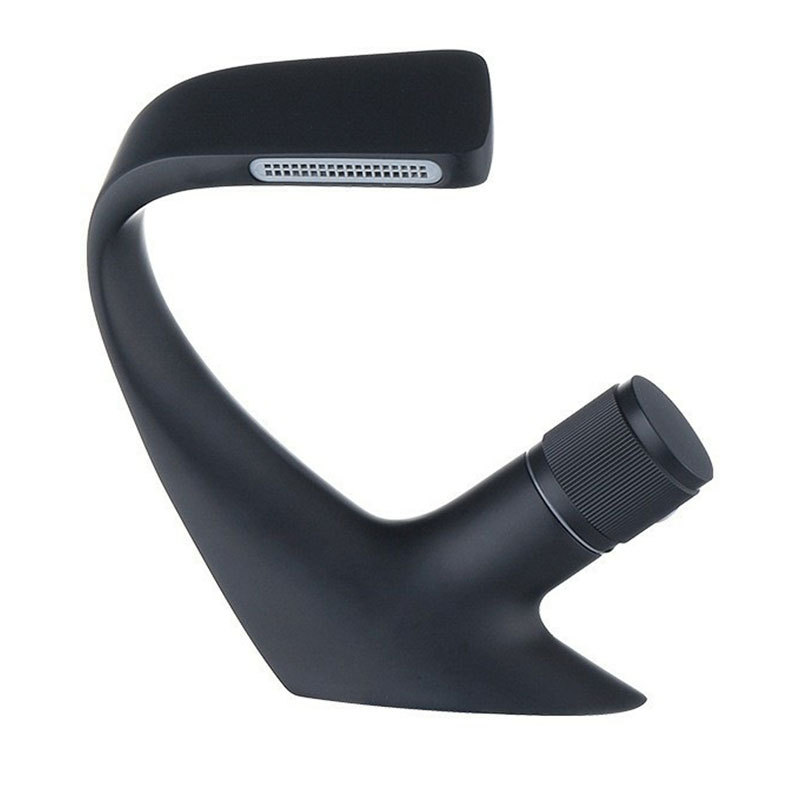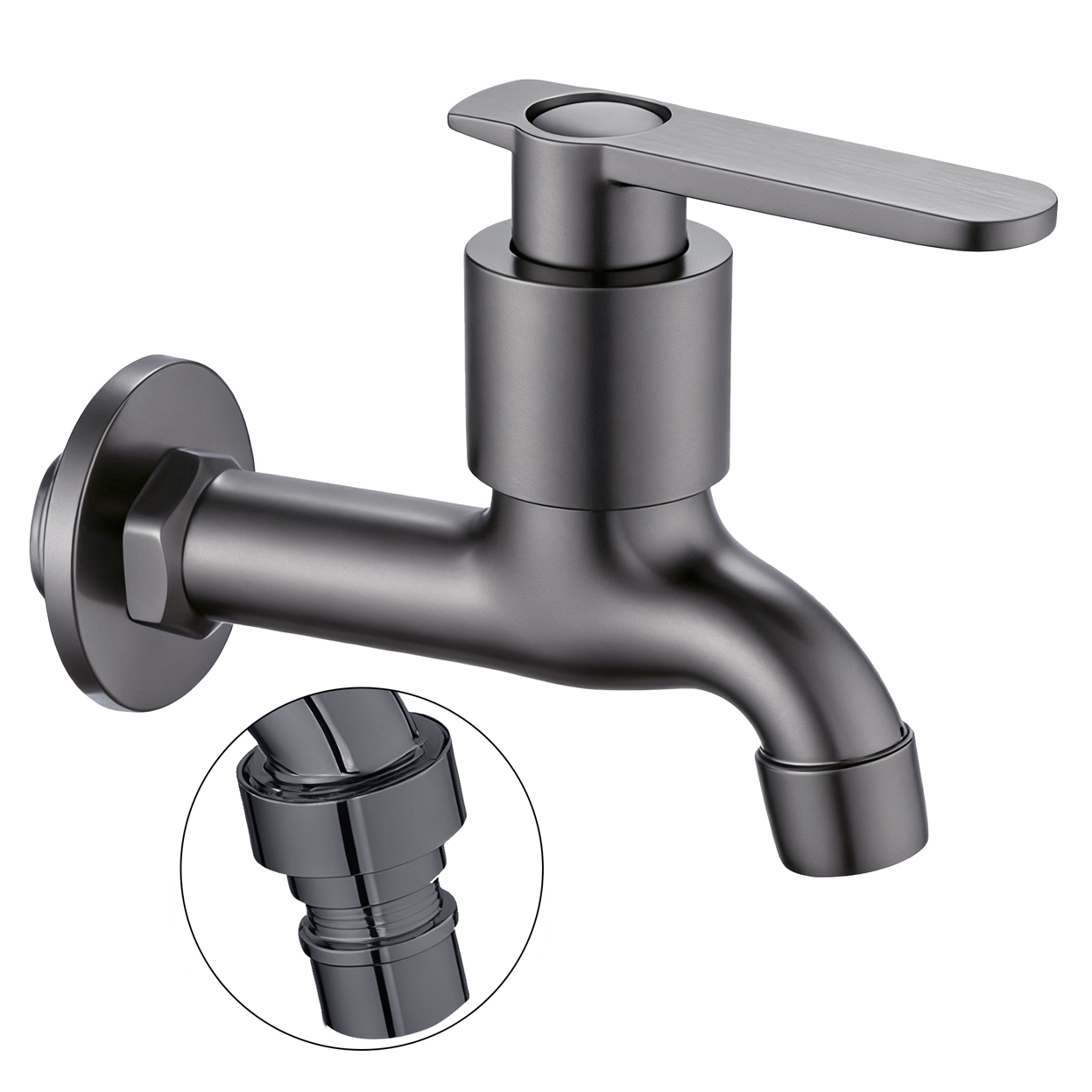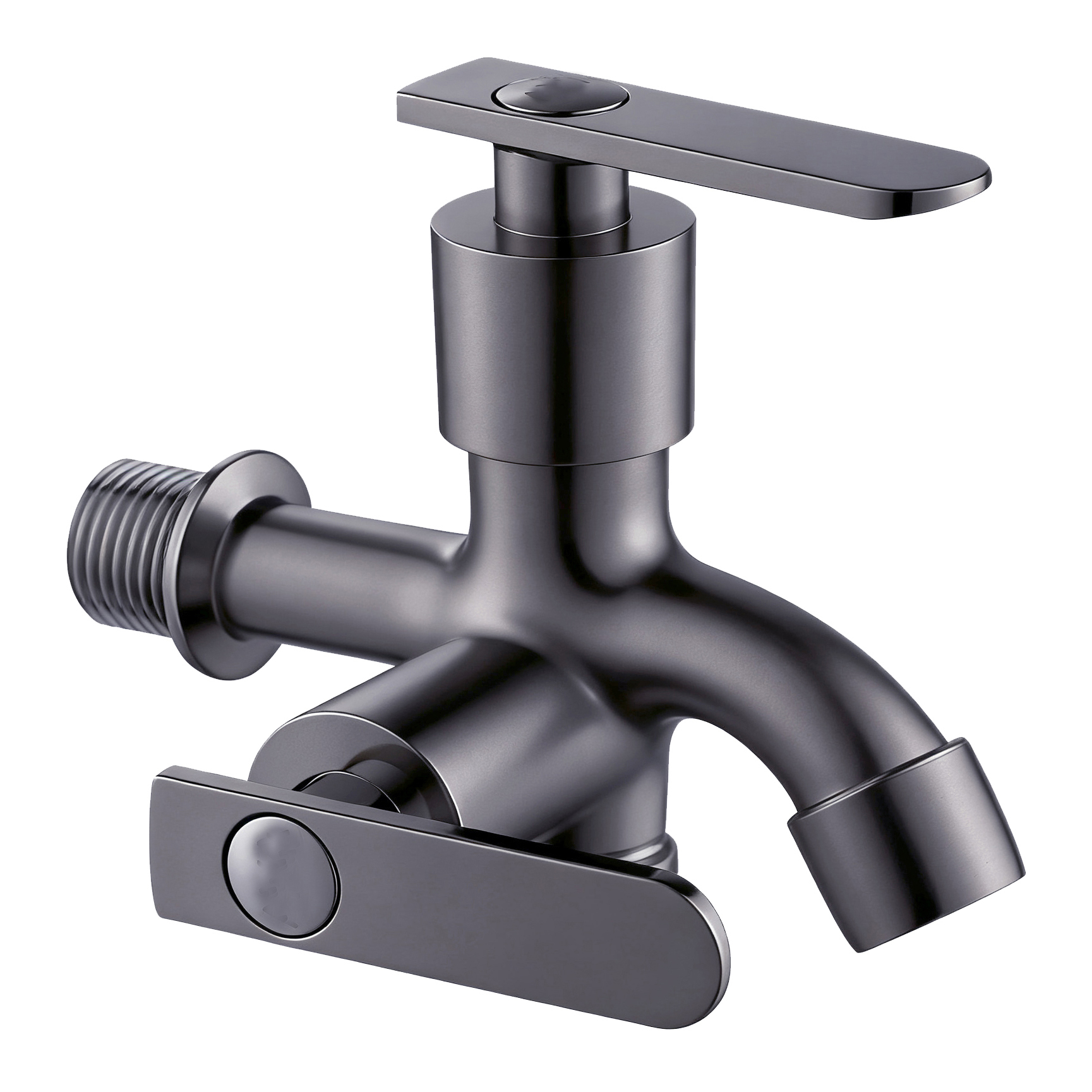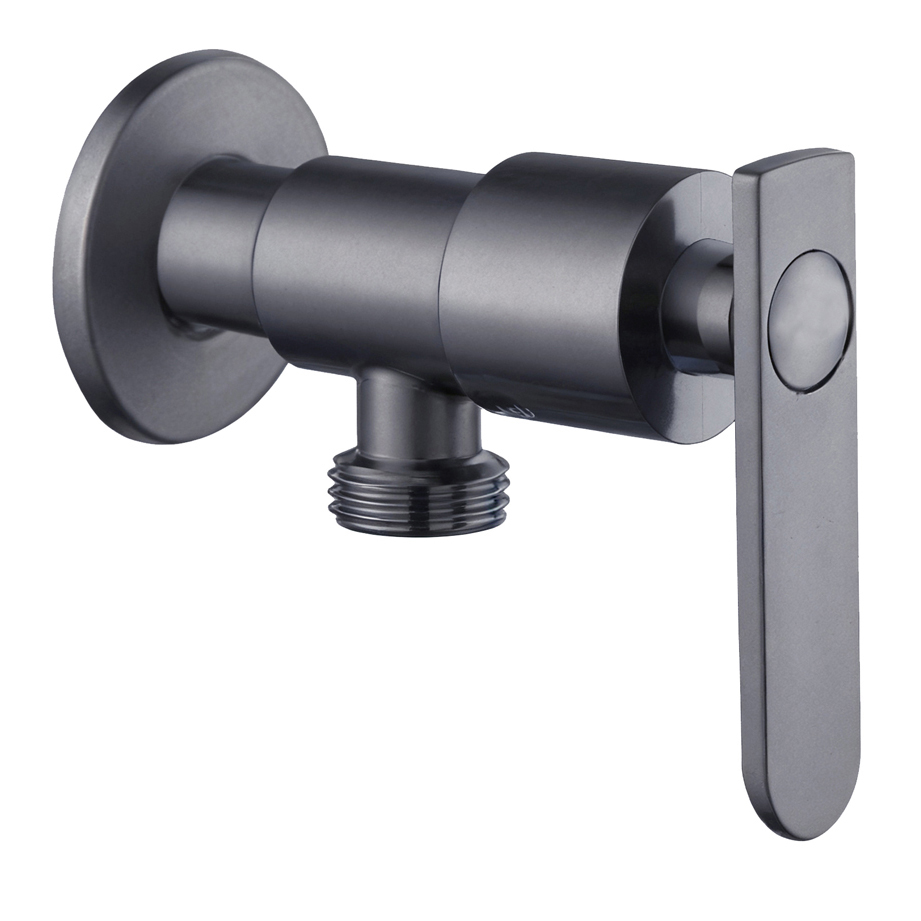




One product concept can easily expand into many SKUs. A different color becomes one SKU. Adding another water mode creates another. Combine more functions and finishes, and the range can quickly look extensive.
But do these SKUs actually cover different needs?
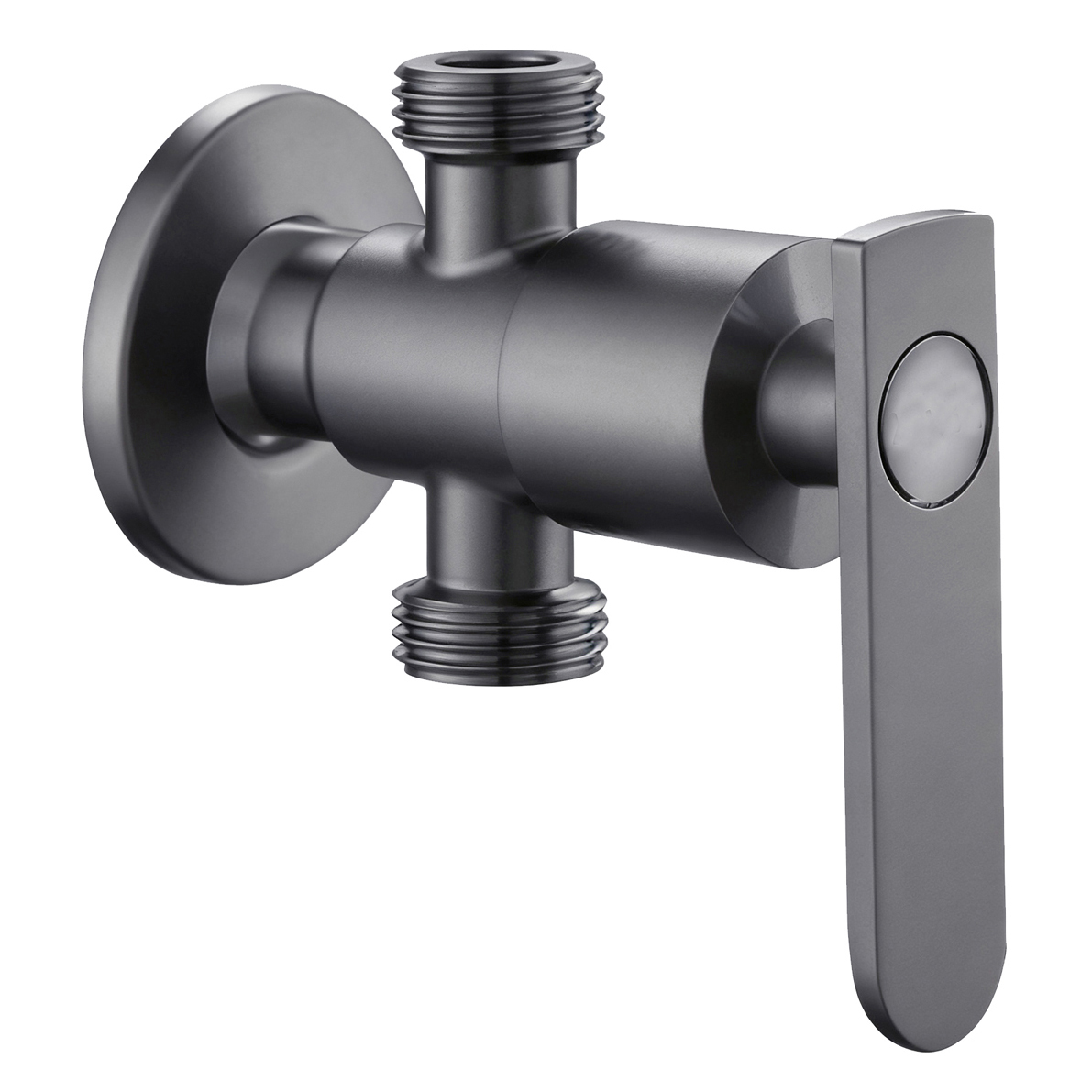
A Waterfall Kitchen Faucet is a good example. This product category can generate many variations through water modes, function combinations and Finishes.
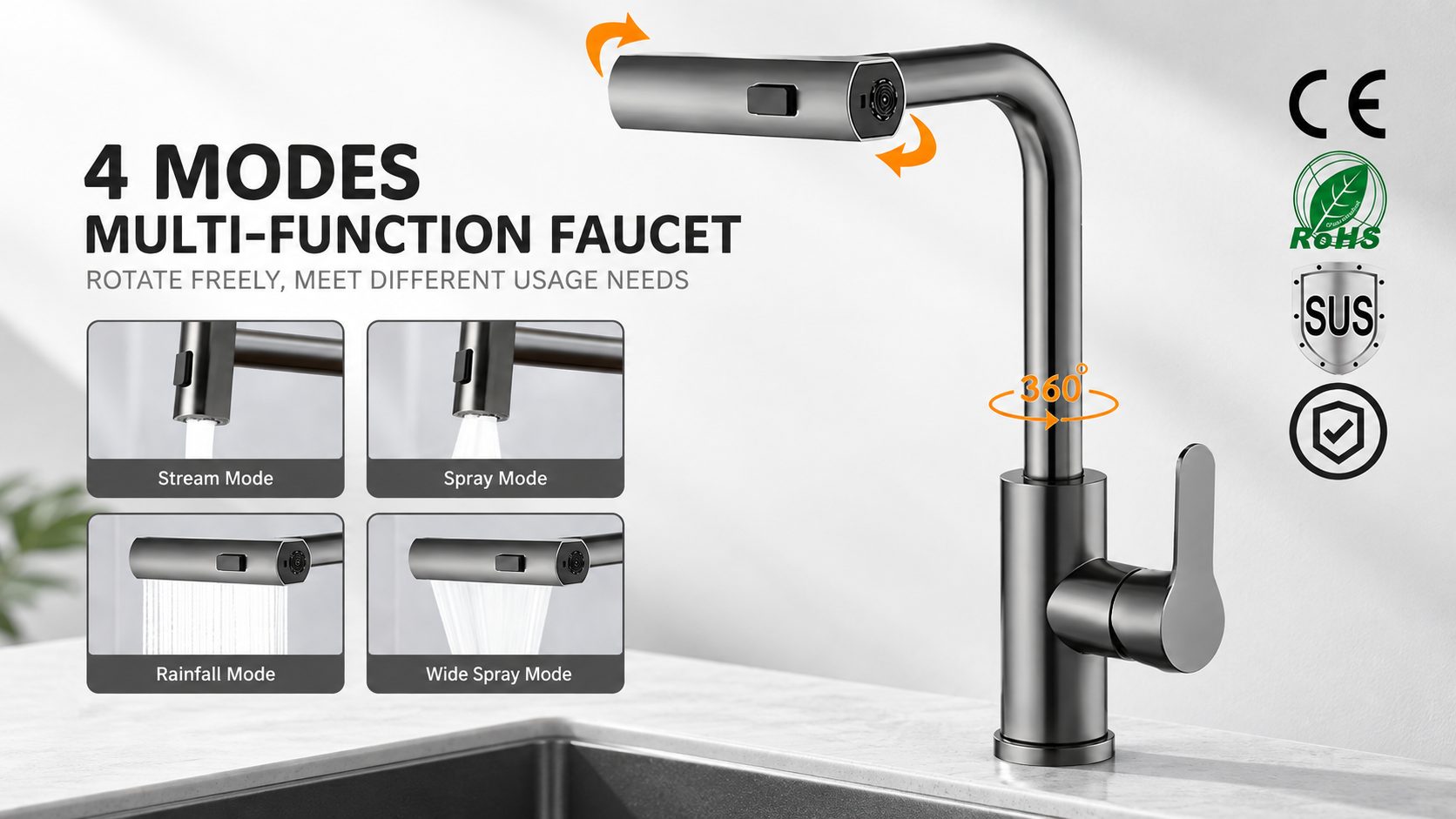
Each SKU Should Represent a Meaningful Choice
A basic waterfall kitchen faucet and a Küchenwasserhahn mit 3 Funktionen can reasonably exist as separate SKUs if their water modes serve different needs.
However, if two models share the same body, functions, installation method and main application, a minor decorative difference may not justify managing them as separate SKUs over the long term.
One practical question can help determine whether an SKU is necessary:
What would the product range lose if this model were removed?
If removing it would eliminate an important function, a clearly different way of using the faucet, a key Finish or necessary price coverage, the SKU has a clear role.
If its removal leaves almost no gap in the range, it may simply be a duplicate variation.
More Function Combinations Do Not Automatically Create a Better Range
The same logic applies when adding a 4 in 1 waterfall kitchen faucet. The key question is not whether “4 in 1” offers more than “3 mode.” What matters is whether it represents a genuinely different functional level.
If the added function provides clear practical value, the model can serve as a higher-configuration option.
Problems arise when small features are continuously combined in different ways and every combination becomes a separate SKU. The product range can then expand very quickly.
This adds more than product numbers. It also increases the number of images, packaging versions, inventory items, product pages and internal records that need to be managed.
SKU Depth Should Follow Differences in Demand
There is no fixed answer to whether a product range should contain five, ten or more SKUs. What matters is the logic behind each variation.
A range can keep a basic version, clearly defined upgrades, important Finishes and models needed for different installation or usage requirements. Variations with only minor differences deserve more careful consideration.
A mature Waterfall Kitchen Faucet range does not need to include every combination that is technically possible.
The value of SKU depth comes from covering enough real choices, not from showing how many variations the product can have.
Validate Demand Before Giving a New Feature Its Own SKU
Some feature changes look significant on a specification sheet but may not create a meaningful difference once the product reaches the market.
In this situation, a small-batch test can help answer more than whether the new product works. It can show whether the added feature creates a new reason to choose the product.
Does it attract a different need? Is it clearly distinguishable from existing models? Or does it end up competing for the same demand as an existing SKU?
If a new version looks different only on the specification sheet while its actual purchase reason still overlaps heavily with existing products, its value as a permanent standalone SKU deserves another review.
The real question that small-batch validation can help answer is:
Is this functional difference important enough to deserve its own place in the product range?