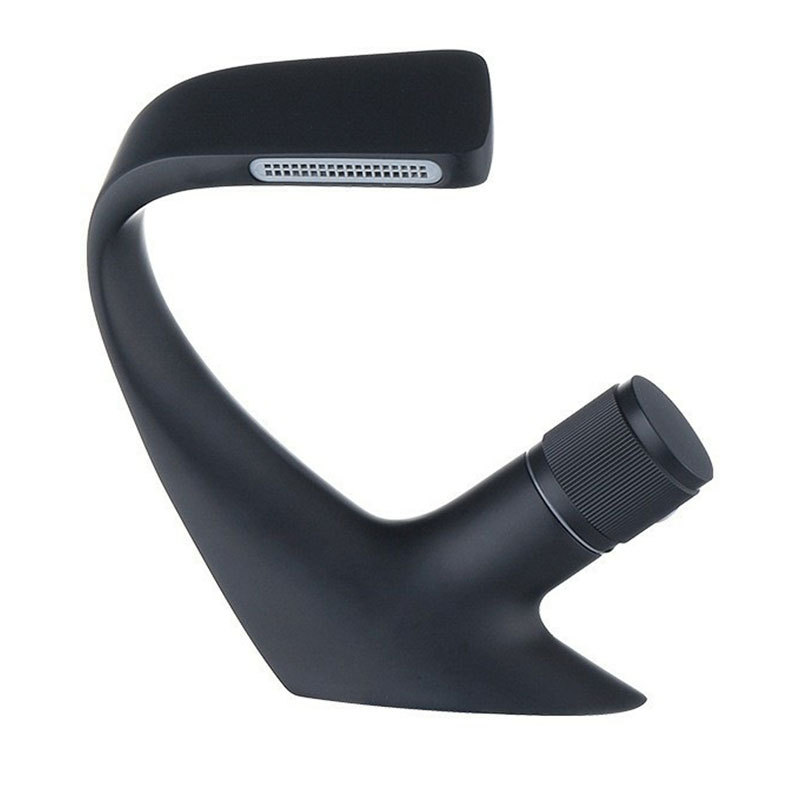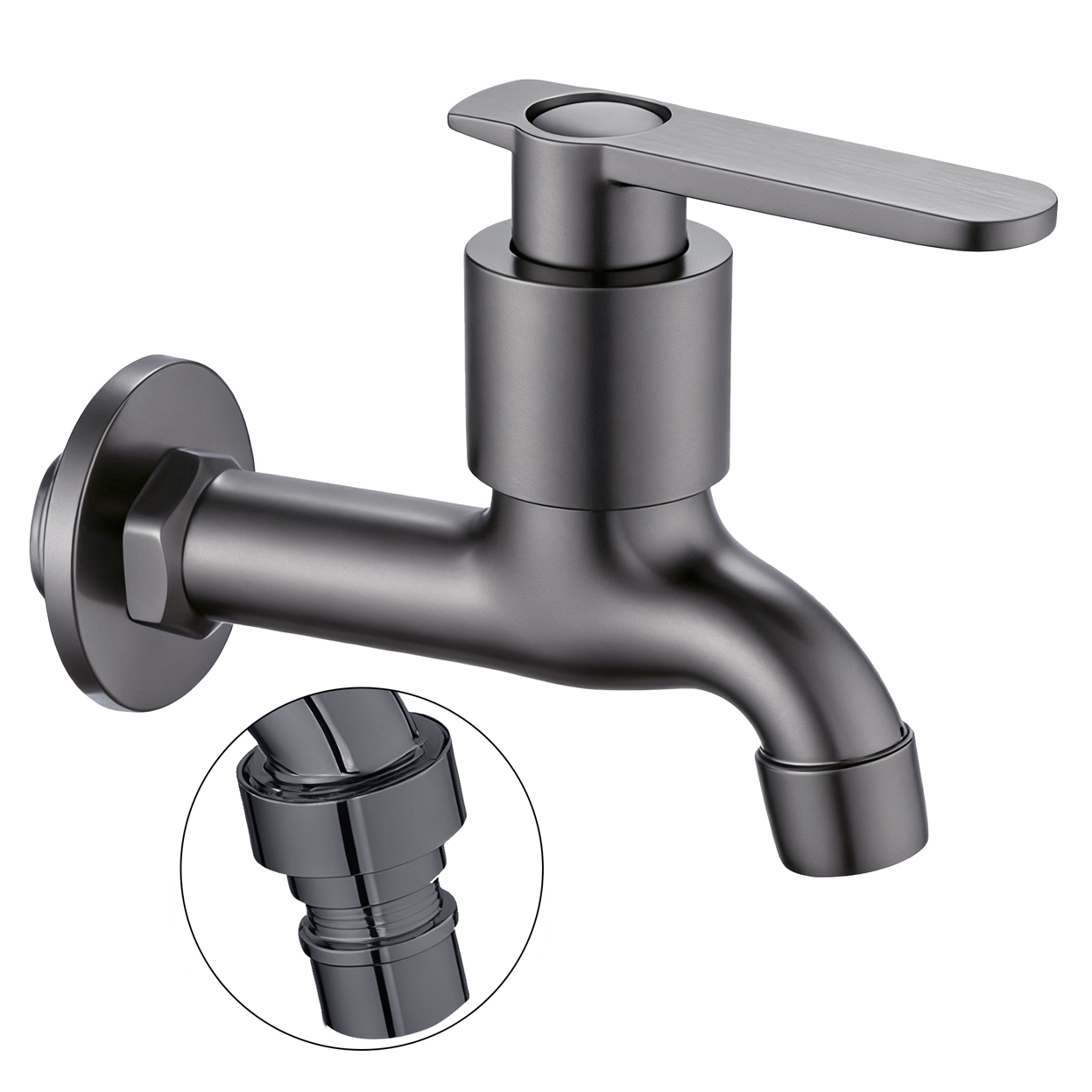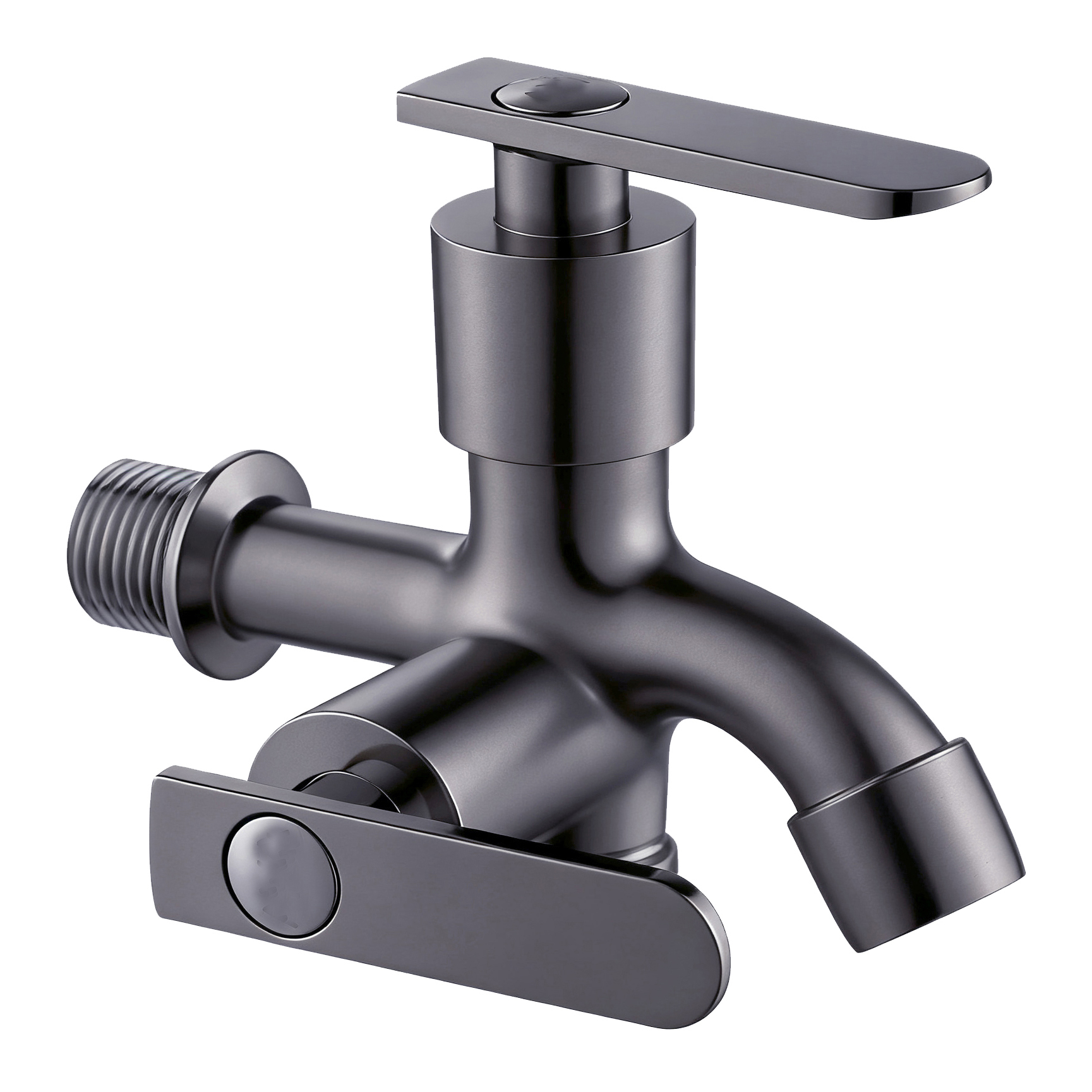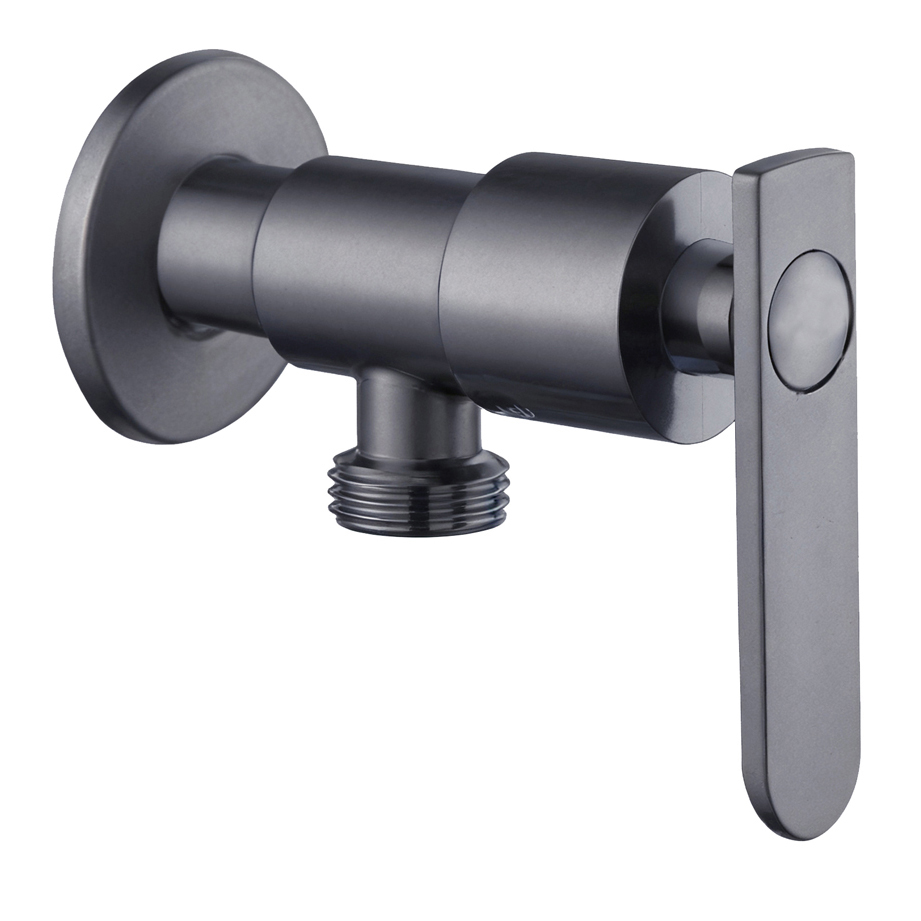




At the beginning of a product line, adding a different cartridge, aerator or connector may seem like only one more component.
As the number of products grows, however, each different part also enters purchasing, inventory, assembly, spare-parts management and after-sales support.
Several years later, product-line complexity may come not only from the number of Faucet models, but also from the number of Faucet Spare Parts that look similar, perform similar functions, yet cannot be used interchangeably.
Component Standardization can reduce these unnecessary part variations during product development, but only when the components are genuinely suitable for shared use across different products.
The Value of Component Standardization Comes From Shared Use
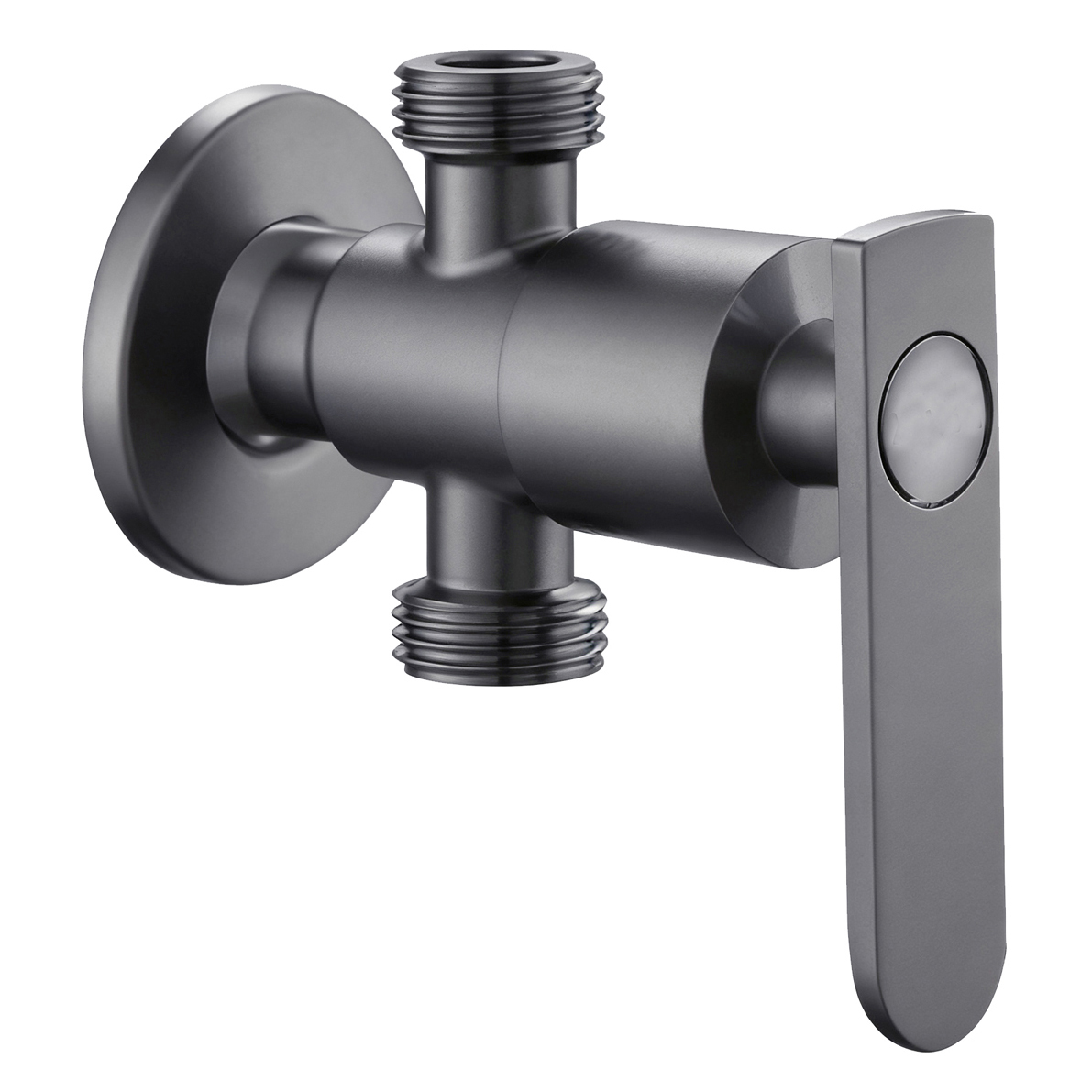
If several Kitchen Faucet or Basin Faucet models can reasonably use the same specification of certain internal components, these sanitary ware spare parts of kitchen faucet basin products can form a shared component platform.
С common parts, purchasing does not need to maintain a completely separate component system for every finished-product SKU, and spare-parts management also becomes clearer.
When a component needs to be replaced, the correct Spare Part can be identified through a standardized specification instead of repeatedly distinguishing between products that look similar but use different internal versions.
The value of this shared approach becomes more obvious as the product line expands.
If one specification of aerator, connector or another internal component can support several Faucet SKUs sold over the long term, the number of duplicate specifications maintained across purchasing, inventory and after-sales systems can be reduced.
Not Every Component Should Be Forced Into One Standard
Fewer component types do not automatically make a product line better.
Different structures, dimensions, flow requirements, installation methods and functions may genuinely require different parts.
If an unsuitable component is forced across several products simply to reduce the number of part numbers, the original structural or performance requirements of those products may be affected.
When evaluating whether a part can be standardized, it is therefore necessary to confirm whether its function, dimensions, interfaces and operating conditions are genuinely the same across different products.
Two Faucet models may belong to the same visual series without having interchangeable internal components.
Likewise, two products may both use the same general type of aerator, connector or cartridge without sharing the same actual specification.
Components that need to remain different should continue to be managed according to their product requirements rather than being modified simply to fit a Common Parts Platform.
Prioritize Internal and Connection Components That Require Long-Term Management
Visible parts often carry the design differences between products and may naturally vary by series, size or Finish.
Internal and connection components are different.
They may have little influence on product appearance, but they continue to affect production, spare-parts support and after-sales management over time.
If every new product introduces a slightly different connector, aerator or other Spare Part, the difference may seem minor during individual product development.
As the number of SKUs grows, however, these component versions continue to accumulate.
For this reason, new-product development can begin by checking whether the existing component platform already contains parts that meet the required structural and performance conditions.
If an existing component can be used directly, there may be no reason to create another nearly identical specification for one new SKU.
If genuine structural or functional differences exist, the component should remain product-specific.
The same logic applies when developing a product family.
The exterior design may change significantly, but the internal Spare Parts do not necessarily need to change with every visual variation.
Standardized Components Also Need Stable Specifications
Once one component is shared by several Faucet SKUs, its potential impact also becomes broader.
A change in seal thickness, thread machining, hose connector design or another approved component specification may affect not just one finished product, but the entire platform that uses that part.
Shared components therefore require clear specification and version control.
The BOM, approved samples or dedicated component specifications can provide a reference for later purchasing and production.
If a replacement part is introduced, it should not be accepted simply because its appearance and dimensions are similar.
Its interfaces, assembly fit and performance relevant to the product requirements should be confirmed before it enters the existing product platform.
This becomes especially important for long-term product lines.
Standardization reduces the number of Spare Part versions, but it also increases the impact of any change to a widely shared component.
Spare Parts Also Need Clear Identification and Replacement Relationships
Standardization affects not only production but also spare-parts management after the product has been sold.
If several Faucet models share one component, it should be possible to identify clearly:
- which finished-product models use this Spare Part;
- whether different versions exist;
- whether old and new versions are interchangeable;
- whether replacement parts have been verified.
Without this information, after-sales teams may still create duplicate stock simply because the part names, part numbers or compatibility relationships are unclear, even when the same physical component is being used.
For sanitary ware spare parts of kitchen faucet basin, a clear relationship between Part Number and applicable product models is more useful than simply reducing the number of component names.
As products are updated, the relationship between discontinued models and current Spare Parts should also remain traceable so that repair components can still be identified after the finished product is no longer in production.
The Value of Standardization Becomes More Visible as the Product Line Expands
Component standardization may not create an immediate visible difference in a single Faucet.
Its value becomes clearer as the product line operates over the long term.
Components that can reasonably be shared reduce duplicate part versions and make purchasing, assembly, spare-parts support and replacement relationships easier to manage.
Components that need independent specifications should continue to follow the requirements of the corresponding products.
As new products are added, checking whether the existing component platform already meets the requirement before creating another Component can prevent the product line from accumulating large numbers of functionally similar but non-interchangeable Spare Parts.
At the same time, the more widely a component is shared, the more carefully its specification and future changes need to be controlled.
This is how Component Standardization can reduce long-term part complexity without compromising the original structural and performance requirements of different Faucet products.