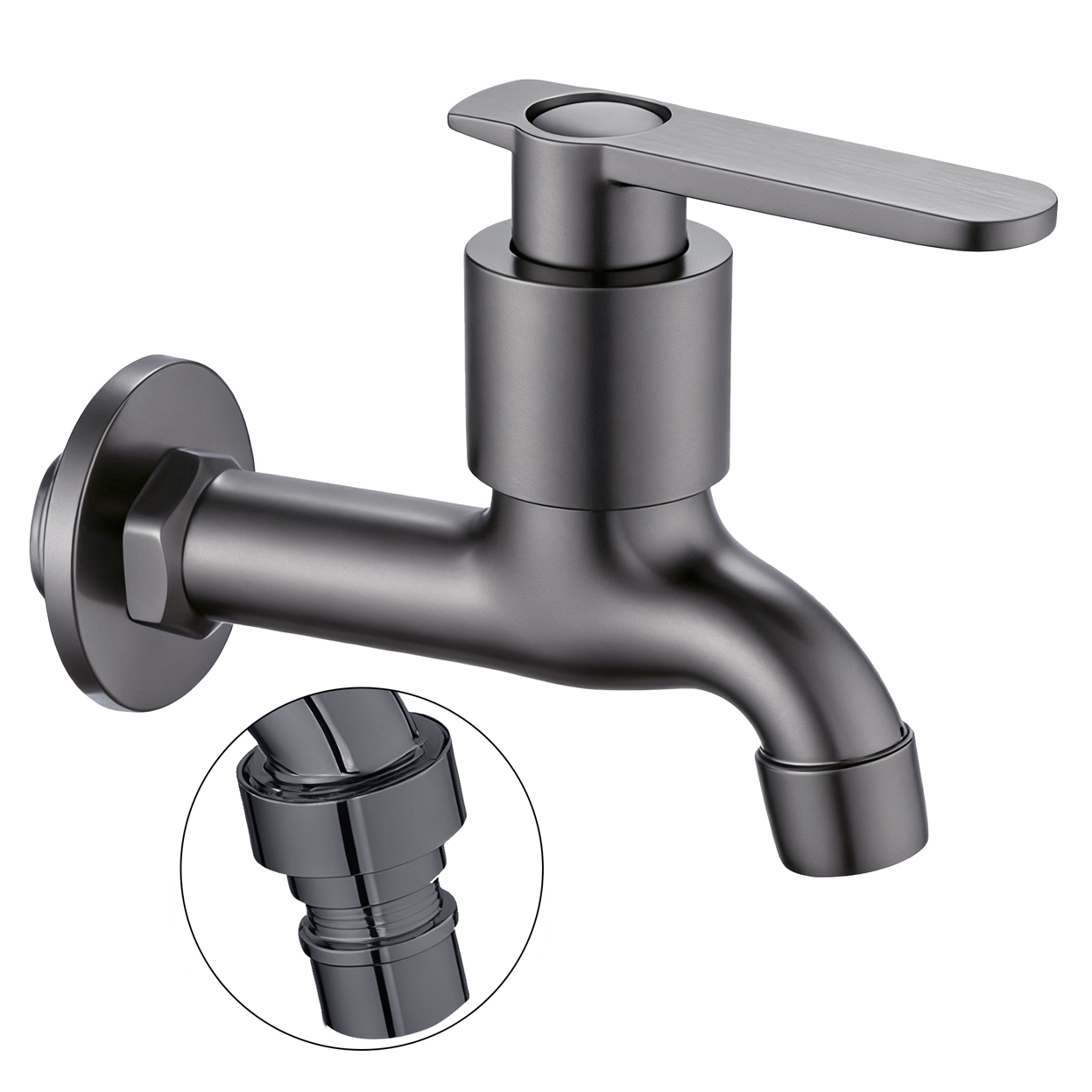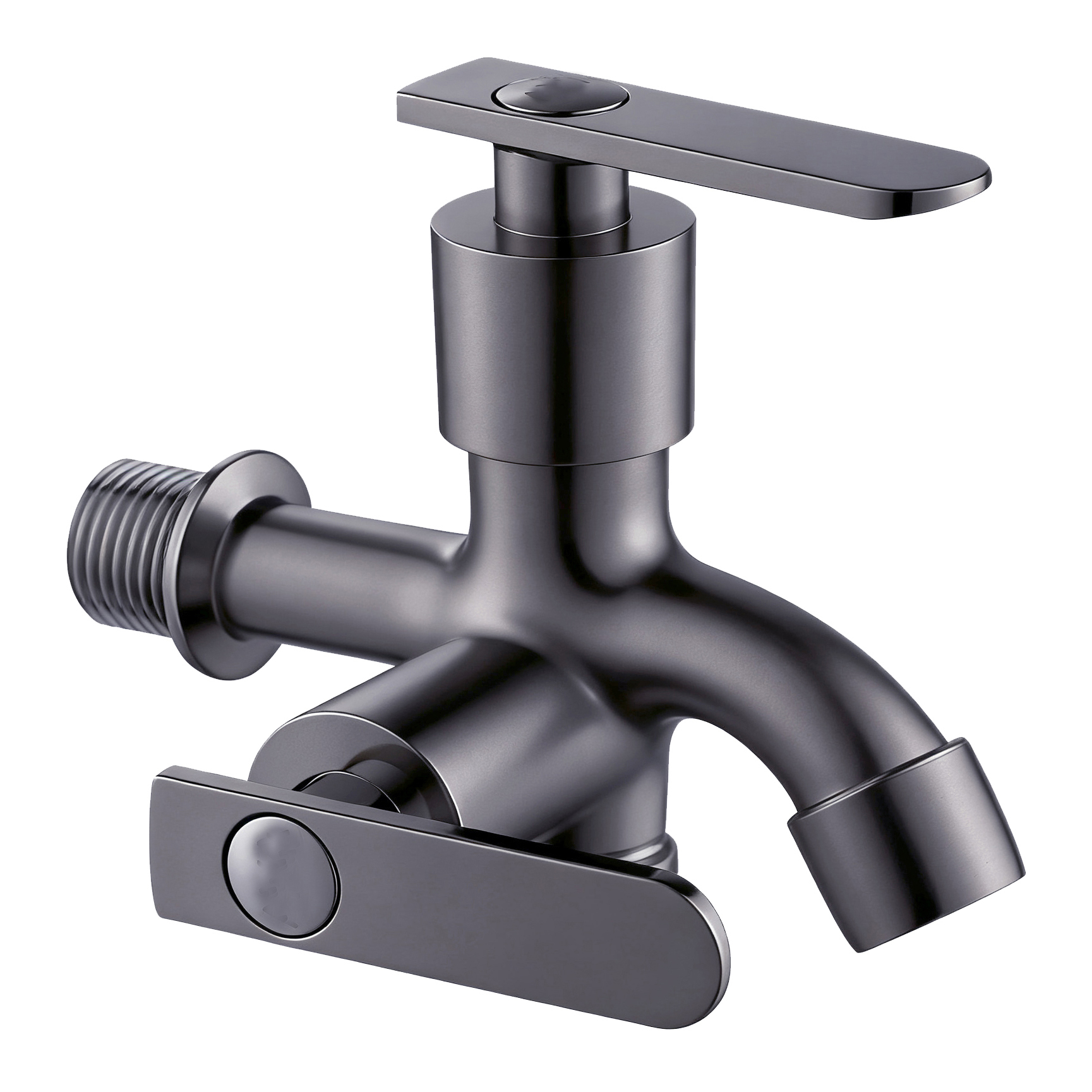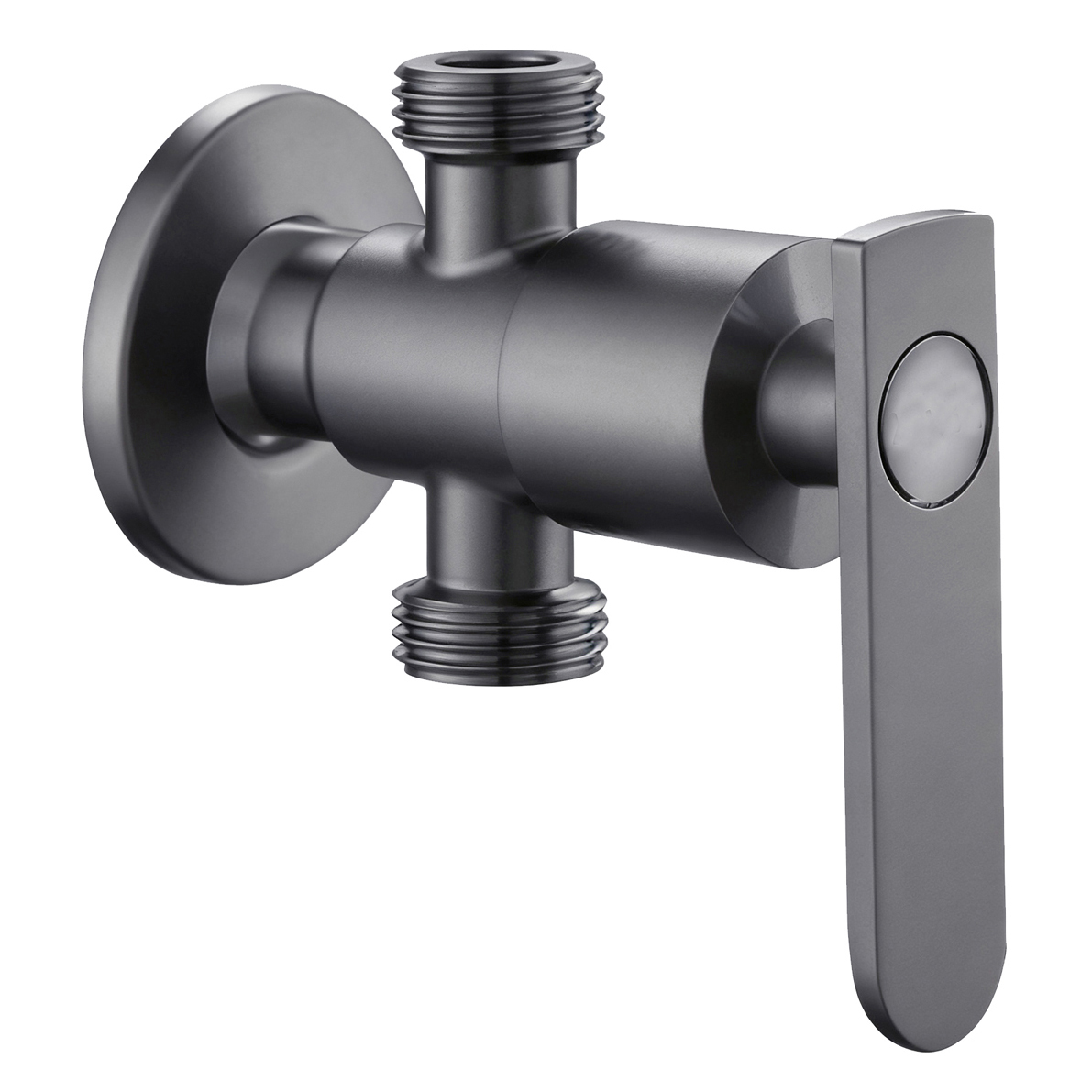




One-stop sourcing from a plumbing and sanitaryware market can make purchasing more convenient. A buyer may be able to arrange faucets, angle valves, hoses, and other related products within the same purchasing window.
But bringing products together does not automatically bring responsibility together.
The real question appears when the last carton is received.
If one product is missing, an accessory does not match, or the final combination differs from what was approved, who checks the problem, who coordinates the solution, and which record should the buyer refer to?
For one-stop faucet sourcing, the purchasing process needs a clear responsibility chain from product selection to final delivery.
Define the Scope of One-Stop Sourcing First
“One-stop sourcing” can mean different things.
It may mean buying several products through one contact. It may mean combining products from different manufacturers into one shipment. In some cases, a trading or sourcing partner may also coordinate receiving, inspection, consolidation, and export arrangements.
These are different responsibilities.
Before an order starts, the buyer should clarify what the one-stop arrangement actually covers.
For example:
- Who confirms the faucet model and specification?
- Who confirms accessory compatibility?
- Who receives products from different manufacturers?
- Who checks the consolidated order?
- Who handles shortages or mismatched products?
- Who confirms the final packing list?
Without these boundaries, “one-stop” may only mean that the buyer has fewer contacts, while responsibility is still divided between multiple parties.
Use One Master List for All Products
Once several product categories are combined, each supplier may have its own product codes, packing methods, and descriptions.
That makes a master list useful.
The list should connect the products purchased from different sources and identify the information needed for the final shipment.
Depending on the project, this may include:
- product name and model;
- quantity;
- finish or material;
- accessories;
- packaging requirements;
- supplier or source;
- approved reference;
- planned delivery quantity; and
- final received quantity.
The purpose is not to create more paperwork.
It is to give the buyer one reference for checking whether the final shipment contains what was actually ordered.
Without a shared master list, each supplier may be able to prove that its own cartons match its own order while nobody checks whether the complete purchasing combination is correct.

Agree on Receiving Rules Before Consolidation
Receiving is where separate supplier responsibilities begin to connect.
A carton arriving at the consolidation point should not be treated as complete simply because the outer package looks correct.
The receiving process should establish what needs to be checked before products from different sources are combined.
For example, the receiving record can confirm:
- carton quantity;
- product identity;
- visible damage;
- quantity received;
- missing or extra cartons;
- packaging condition; and
- differences from the master list.
This creates a point where discrepancies can be identified before the shipment is closed.
If a shortage is discovered only after the entire shipment reaches the destination, determining where the problem occurred becomes much harder.
Make Inspection Cover the Purchasing Combination
A common weakness in one-stop sourcing is checking each product separately but not checking the combination.
A faucet may be correct by itself. An angle valve may also be correct by itself. But the final combination may still have a problem if the connection, specification, quantity, or intended application does not match.
The inspection therefore needs two levels.
The first asks:
Is each individual product correct?
The second asks:
Do the products purchased together form the approved combination?
This is especially important when accessories are selected separately from the main faucet.
The inspection result should be connected to the master list rather than kept as an isolated inspection record.
Give Every Carton the Same Identity Rules
The last carton should be traceable in the same way as the first.
When products from different sources are consolidated, carton identification becomes particularly important.
A useful carton identity can connect the physical package with information such as:
Product → Model → Quantity → Order → Destination → Carton
The exact format can vary, but the principle is the same.
If a buyer later discovers that several angle valves are missing from one project shipment, the team should be able to identify which carton contained them, where that carton was received, and which supplier was responsible for the original delivery.
This is much more useful than simply knowing that the missing products belonged to a particular supplier.
Keep Export Documents Consistent With the Actual Combination
The final shipment should tell the same product story as the purchasing records.
The commercial invoice, packing list, carton information, and actual contents should remain consistent with the approved purchasing combination.
This becomes more important when different products are consolidated from multiple sources.
If the packing list uses one product description while the cartons use another, or if the final quantities differ from the records used for export documentation, the buyer may have difficulty checking the shipment after departure.
Document consistency is therefore part of responsibility management, not just an export administration issue.
Keep a Clear Responsibility for Exceptions
Problems are inevitable in multi-source purchasing.
The important part is deciding in advance who coordinates the response.
| Process | Responsibility to Define | Result the Buyer Should Receive |
|---|---|---|
| Accessory selection | Who confirms compatibility and application | Approved combination |
| Source receiving | Who checks identity and status | Arrival and discrepancy record |
| Consolidation inspection | Who performs and approves the check | Inspection result linked to the master list |
| Packing release | Who confirms completeness | Final packing and release records |
| Exception handling | Who coordinates the decision and replacement | A documented resolution |
This does not mean one party must be responsible for every manufacturing defect.
The manufacturer should remain responsible for problems within its own product or production scope. The party coordinating the one-stop purchase may have a different responsibility: connecting the information, identifying the source of the problem, and coordinating the next action.
That distinction prevents a common situation where every party says, “My product was correct,” while the buyer is still left with an unresolved shipment problem.
Let the Next Order Inherit the Previous Records
Once an exception has been resolved, the result should not disappear with that shipment.
The next order may contain the same faucet, accessory, packaging combination, or project requirement. The previous records can then become a reference for the next purchasing cycle.
For example, if a particular faucet was approved with a specific angle valve and hose, that combination should be recorded as a confirmed configuration rather than rebuilt from memory.
If a carton labeling problem occurred, the revised labeling requirement should also become part of the next order documentation.
This turns one-stop sourcing from a series of individual purchasing transactions into a more traceable process.
The advantage is not simply having fewer suppliers to contact.
It is being able to answer a more important question when the final carton arrives:
Who was responsible for each step, what was actually approved, and where should the next action begin if something is wrong?